
How Many Years Does It Take for a Wedding Dress to Yellow? Understanding Fabric Aging
When you invest in a beautiful wedding dress, you want it to stay as stunning as the day you wore it. However, wedding dresses can start to yellow within six months if you don’t properly care for them. This discoloration often happens due to exposure to body oils, sweat, or incorrect storage. Knowing this can help you take steps to keep your dress looking pristine.
There are several ways to prevent yellowing and preserve your dress for years to come. Cleaning it correctly and storing it in a cool, dark place are essential. You can also conduct periodic inspections to ensure it remains in great condition.
Understanding how to care for your dress can save you from seeing it lose its charm over time. By paying attention to proper storage and maintenance, you can enjoy your gown for many years without worrying about unwanted discoloration.
Understanding Wedding Dress Yellowing
Wedding dress yellowing can happen for several reasons. Factors like fabric types, environmental conditions, and even stains play a significant role in how quickly your gown may change color. Knowing the causes and signs can help you take better care of your precious dress.
Causes of Yellowing
Yellowing can be caused by various factors, including oxidation and chemical degradation. Fabrics undergo these processes when they are exposed to air and light. Environmental factors like humidity and temperature also contribute.
For example, high humidity can lead to mildew, while low light can slow down yellowing. If your dress gets stained, even small spots can accelerate discoloration over time.
Caring for your dress after the wedding, with proper cleaning and storage, can help slow down these processes.
Types of Fabrics and Their Susceptibility
Different fabrics have different levels of susceptibility to yellowing. Common bridal materials like silk and lace can be particularly vulnerable. For instance, silk can degrade due to its delicate nature.
In addition, the quality of the material matters. Cheaper fabrics may yellow faster than high-quality alternatives.
For instance, polyester tends to resist yellowing better than silk. Always check labels and opt for dresses made from higher-quality fabrics whenever possible.
Recognizing Early Signs of Discoloration
Spotting early signs of yellowing can save you trouble later. Look for subtle changes in color, especially around seams and areas that may have come into contact with skin oils. Other signs include small stains or dull areas that differ from the original white.
Much of this can be prevented with regular inspections. If you notice any discoloration, seek professional cleaning as soon as possible. Keeping your dress in a cool, dark place will also help maintain its appearance.
Best Practices for Wedding Dress Preservation
Preserving your wedding dress is essential to keep it looking beautiful for years to come. Following the right methods can help prevent discoloration and damage. Here are some of the key practices you should consider.
Storage Solutions
Proper storage is vital for your wedding dress. Choose an acid-free storage box to protect the fabric from yellowing. Avoid hanging your dress, as this can cause stretching and distortion. Instead, lay it flat in the box.
Use a garment bag made of breathable material, like cotton, to keep dust and dirt away. Avoid plastic, as it can trap moisture and lead to mildew. Make sure to store your dress in a cool, dry place away from direct sunlight, which can cause fabric discoloration.
Cleaning Techniques Prior to Storage
Before storing your dress, it’s crucial to clean it thoroughly. Choose a professional cleaning service that specializes in wedding dresses. They often use gentle cleaning solutions like wet cleaning or dry cleaning methods that are safe for delicate fabrics.
If you prefer to clean it at home, use a gentle detergent and test any cleaning solution on a small, inconspicuous area first. This helps you avoid potential damage. Always ensure your dress is completely dry before storing it to prevent mold or mildew growth.
Professional Preservation Services
Consider a preservation company for the best long-term care of your wedding dress. They offer specialized cleaning technology to remove stains and prevent future discoloration.
A reputable company usually packages your dress in an acid-free environment that helps maintain its condition. These services can be a bit costly, but the investment ensures that your dress remains a cherished heirloom. Always research reviews and ask questions to find the right preservation partner for you.
Preventing Yellowing After the Wedding
Taking care of your wedding dress after the big day is crucial to keep it looking its best. With proper maintenance, you can prevent yellowing and fabric degradation. Here are some helpful tips to ensure your gown stays radiant for years to come.
Long-Term Care and Maintenance
To prevent yellowing, start with proper cleaning soon after your wedding. Aim to take your gown to a dry cleaner within 24 hours. This step removes body oils and dirt that promote yellowing.
After cleaning, choose long-term storage that protects your dress. Use an acid-free, breathable garment bag or box. Avoid hanging it, as this can stretch the fabric and lead to degradation over time.
Store your dress in a cool, dark place to minimize exposure to light, heat, and humidity, which can accelerate yellowing. Regularly check the storage conditions for signs of mold and mildew. A little care goes a long way!
Home Remedies and DIY Solutions
In between professional cleanings, there are simple ways to keep your dress fresh. For minor stains, consider spot cleaning with a mixture of water and white vinegar. Test it in a hidden area first to ensure it won’t harm the fabric. Vinegar helps neutralize odors, too.
If you notice any yellowing, try air drying your dress in a shaded area. Sunshine can worsen discoloration, so avoid direct light.
If your dress has delicate embellishments, be gentle when handling it. Rubbing or scrubbing can damage the fabric and attachment. Always store your dress flat, if possible, to prevent wrinkles and creases.
When to Seek Professional Help
If yellowing starts to become noticeable despite your best efforts, it may be time to contact restoration services. These professionals specialize in treating yellowed fabrics due to phenolic yellowing, which happens from poor storage conditions.
Don’t wait too long; tackling discoloration sooner rather than later often yields better results. Restoration experts can assess the damage and recommend the best cleaning methods.
Make sure to ask if they have experience with your dress fabric. Not all techniques work on every material, and certain fabrics may require special care. Always keep your dress in mind as a cherished item; it deserves the best treatment!
Identifying Trustworthy Wedding Dress Care Experts
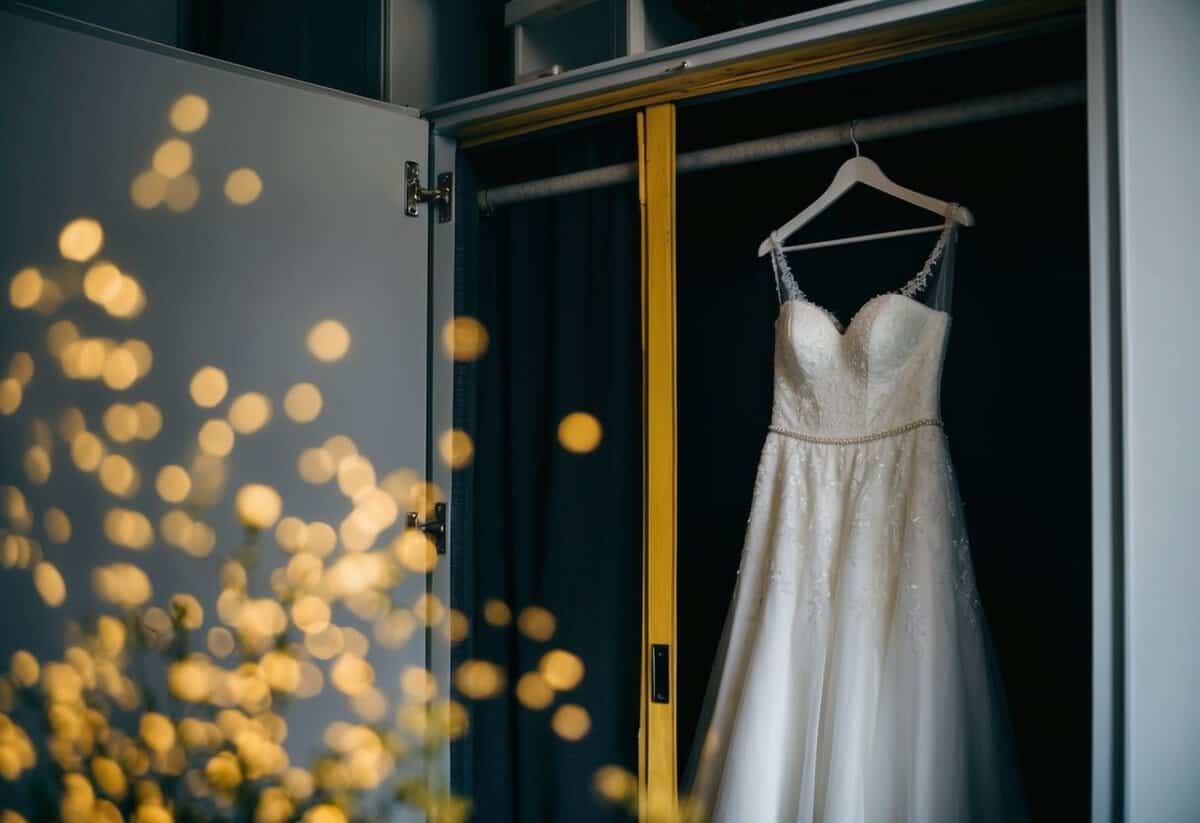
Choosing the right professionals for your wedding dress care is essential. You want to ensure your gown receives the best treatment to prevent yellowing and damage. Here are some specific tips to help you find trustworthy experts in the field.
Bridal Boutique Selection
When selecting a bridal boutique, look for ones with a strong reputation in wedding dress care. Ask about their experience with wedding gown preservation and restoration services.
Reputable boutiques often have trained staff familiar with handling delicate fabrics. Check if they use garment bags and padded hangers to protect your dress. This is essential for maintaining its shape and preventing damage.
Inquire about their process for cleaning, too. The best boutiques should use oxygen-based bleach instead of harsh chemicals.
Reading reviews from previous brides can also help you gauge satisfaction and find a boutique that meets your needs. A trusted boutique can provide valuable tips for long-term care, setting you up for success.
Evaluating Preservation and Restoration Services
Once you have your dress, consider professional preservation and restoration services.
Research companies that specialize in wedding dress cleaning and preservation. Look for those that have a history of handling different materials, especially synthetic materials.
Ask about their cleaning techniques and whether they protect against air pollution which can lead to yellowing.
A good service will detail their methods, including the use of gentler cleaning agents suited for delicate fabrics.
Ask for before-and-after examples or testimonials from clients. This will help you feel confident in their ability to maintain your gown’s beauty over the years.