
How Much Are Wedding Invitations Usually? A Guide to Costs and Options
When planning your wedding, figuring out your budget is key. One important expense to consider is the cost of wedding invitations.
Couples usually spend between $300 and $700 for 100 wedding invitations and response cards. This number can change based on various factors such as design, printing methods, and the number of invitations you need.
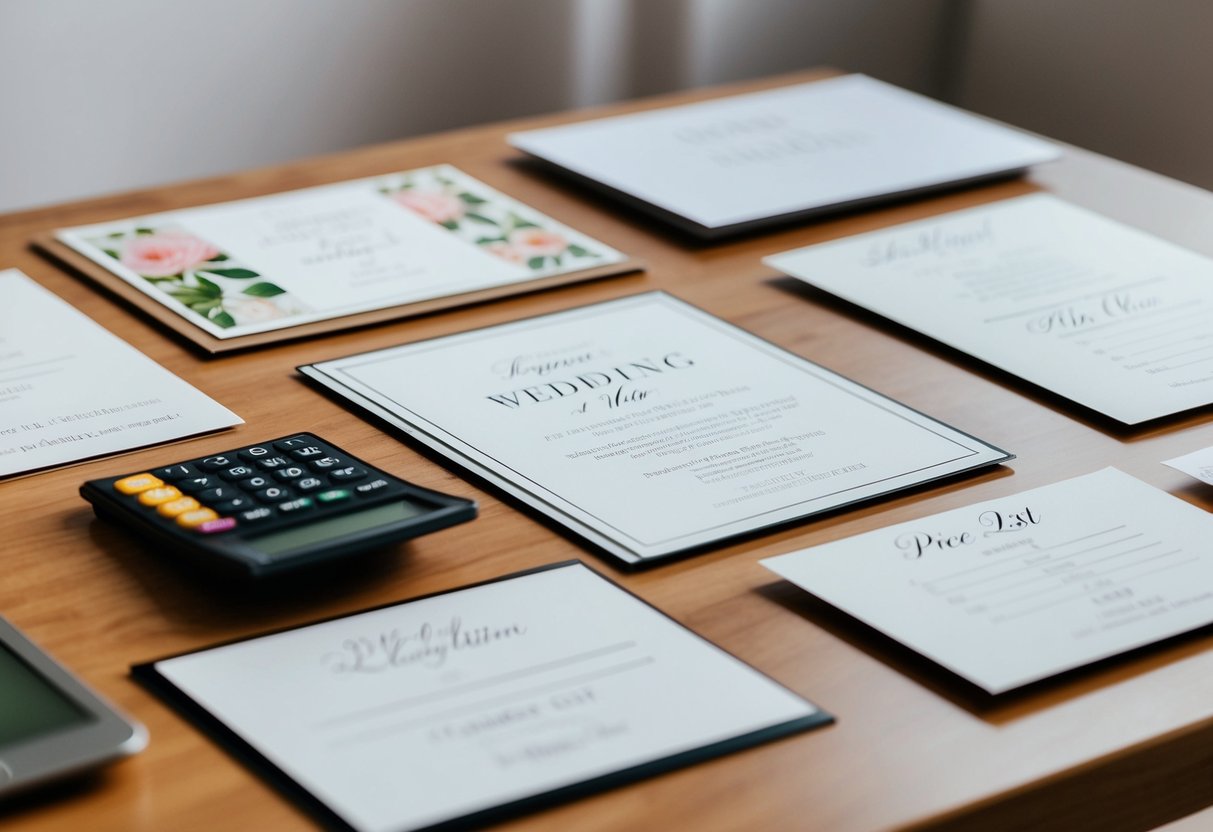
Choosing the right invitations can set the tone for your entire wedding. Whether you prefer elegant, casual, or themed designs, it’s essential to find options that fit your style and budget.
As you plan, remember to factor in additional costs like postage, which can also add up quickly.
By understanding the typical costs associated with wedding invitations, you can make informed decisions that align with your overall wedding budget. This knowledge will help you choose invitations that not only look great but also help you stay on track financially.
Understanding Wedding Invitation Costs

When planning for your big day, knowing the costs of wedding invitations can help you budget wisely. Understanding the average prices and the factors that influence costs will guide you in making informed choices for your wedding invitation suite.
Average Cost of Wedding Invitations
The cost of wedding invitations varies widely, often ranging from $1 to $10 per invitation. Basic invitations may fall on the lower end, while high-end, custom designs can significantly increase the price.
Many couples spend between $300 and $1,000 overall for their wedding invitation suite. If you opt for intricate designs and quality materials, the costs can soar. Custom wedding invitations can reach up to $5,000, especially if they involve special elements like embossing or hand lettering.
Factors Influencing Invitation Costs
Several factors impact how much you pay for your invitations. The main aspects include the type of paper, size, and design complexity.
Customization is another key factor. A fully personalized invitation may cost more than a standard invitation.
Here are some elements that can affect your budget:
- Design Complexity: Simple designs are cheaper.
- Paper Type: Higher quality paper elevates costs.
- Quantity: Ordering more can reduce the per-invitation price.
Each of these factors contributes to the final cost of your wedding invitations.
Breakdown of Wedding Invitation Suite Components
A complete wedding invitation suite usually includes several components. Understanding what these are can help you decide what to include.
Common components are:
- Invitation Card: The main card with event details.
- RSVP Card: For guests to confirm their attendance.
- Details Card: Information on accommodations and events.
- Outer Envelope: The protective covering for your invites.
- Inner Envelope: Additional protection and style for invite contents.
Each piece adds to the overall cost. More components mean higher costs, so think about what is necessary for your wedding theme and budget.
Printing Methods and Their Impact on Price
The method of printing plays a major role in the invitation cost. Different techniques can add unique looks but can also affect your budget.
Here are some common printing methods:
- Digital Printing: The most common and least expensive option.
- Letterpress: Creates a deeper impression, costing more.
- Foil Stamping: Adds shiny elements, which can be pricier.
- Thermography: Offers a raised print effect, usually at a moderate cost.
Choosing the right printing method can balance your love for design with your budget. It’s wise to explore options and pick one that fits your vision and needs.
Customization Options and Embellishments
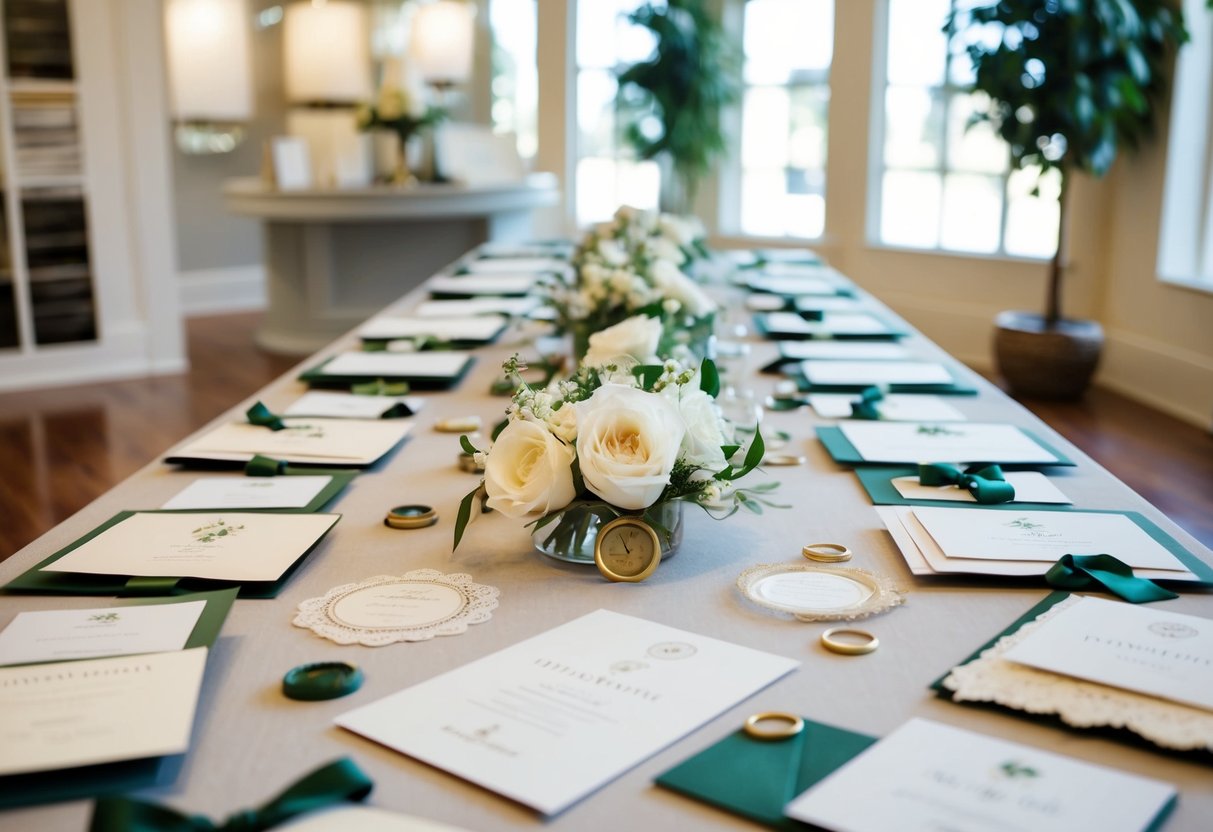
When planning your wedding invitations, customization can make a big difference. This section covers key aspects like paper quality, popular embellishments, and the importance of custom design elements.
Choosing the Right Paper Quality
The paper you select for your invitations affects both the look and feel. Common options include:
- Matte Paper: Soft and elegant, good for a classic look.
- Glossy Paper: Shiny and vibrant, suitable for colorful designs.
- Textured Paper: Adds depth; options like linen or felt give a unique touch.
Consider the weight of the paper too. Heavier stocks convey luxury and durability, while lighter options can save on postage costs.
Customizing your paper can set the tone for your event. Make sure to request samples to see which paper aligns with your vision.
Enhancing Invitations with Embellishments
Embellishments add a special touch to your invitations. Here are some popular options:
- Foil Stamping: Adds metallic accents that catch the eye.
- Ribbons: Can be tied around your invite for a beautiful finish.
- Laser Cut Designs: Intricate patterns that add elegance.
Don’t forget monograms or a custom crest. These decorative elements can personalize your invite and make it memorable.
Choose embellishments that match your wedding theme, whether it’s romantic, modern, or whimsical.
Significance of Custom Design Elements
Custom design elements are crucial in making your invitations unique. Your invitation should reflect your personality and wedding style.
Consider incorporating:
- Custom Artwork: Personalized illustrations that represent you as a couple.
- Unique Fonts: A styled font can enhance the overall feel of your invite.
- Color Schemes: Choose colors that tie in with your wedding palette.
These details convey important information about your wedding and set the tone for guests. Thoughtful design choices can create excitement for your special day and leave a lasting impression.
Saving Strategies for Wedding Invitations

Saving money on wedding invitations can make a big difference to your budget. You can cut costs by exploring digital options, reducing expenses through smart choices, or going for semi-custom or DIY styles.
When to Consider Digital or Offset Printing
Digital invitations are a popular choice for saving money. They allow you to send out your invites without the cost of printing and postage.
You can easily create beautiful designs using online templates. Many digital platforms also offer RSVP options that simplify tracking guest responses.
Alternatively, if you prefer physical invitations, consider offset printing. This method is often cheaper for larger quantities.
You might save significantly compared to traditional printing techniques, especially if you order in bulk. Plus, it provides high-quality prints that can make your invitations look stunning.
Tips for Reducing Expenses
Here are some effective ways to reduce expenses on your wedding invitations:
- Limit the Guest List: The fewer invitations you send, the more you save.
- Choose Simple Designs: Avoid complex designs that require extra cost for printing.
- Use Recycled Paper: Consider using recycled materials, which can be both eco-friendly and cost-effective.
- Skip Extra Inserts: Only include necessary details. Extra cards for events can increase costs.
By focusing on these areas, you can keep your spending in check while still having lovely invitations.
Opting for Semi-Custom or DIY Invitations
Semi-custom invitations are a great way to enjoy a unique look without breaking the bank. Many online shops offer beautiful designs that you can personalize with your own text.
This option gives you a professional touch while being more affordable than fully custom designs.
If you’re feeling creative, making handmade invites can be fun! Gather supplies and enjoy the process with friends or family.
With a bit of time and effort, you can create invitations that truly reflect your style. Using materials like recycled paper can also make your choices environmentally friendly while saving you money.
Additional Stationery Considerations

When planning your wedding, it’s important to think beyond just the invitations. You’ll also need to consider other stationery items, plus any costs related to shipping and handling.
Day-Of Stationery and Thank-You Cards
Day-of stationery includes items like place cards, reception cards, and menus. These items help your guests navigate the event seamlessly.
You can choose a style that matches your invites, ensuring a cohesive look.
Thank-you cards are just as important. Sending them shows appreciation to your guests for attending and for any gifts they provided.
It’s best to order these at the same time as your invitations, allowing for a consistent design. Aim to send them within a few months after the wedding.
Shipping Costs and Handling
Shipping costs can add up quickly, especially if you are sending invitations to distant guests. Most invitations are bulky, which can increase shipping charges. It’s wise to factor in these costs when budgeting.
Don’t forget the handling. If you are using a professional service, ask about their fees. Also, consider the time it takes for invitations to arrive. You want your guests to get them well before the RSVP deadline. For larger orders, shipping in bulk can often save you money.