
How Much Buffet Food for 40 Guests? A Guide to Planning Your Event
Planning a buffet for 40 guests can feel overwhelming, but it doesn’t have to be. You want your friends and family to enjoy a variety of delicious dishes without running out of food. A good rule of thumb is to serve about 6-8 ounces of protein, 4-6 ounces of side dishes, and 2-3 ounces of salads or appetizers per person.
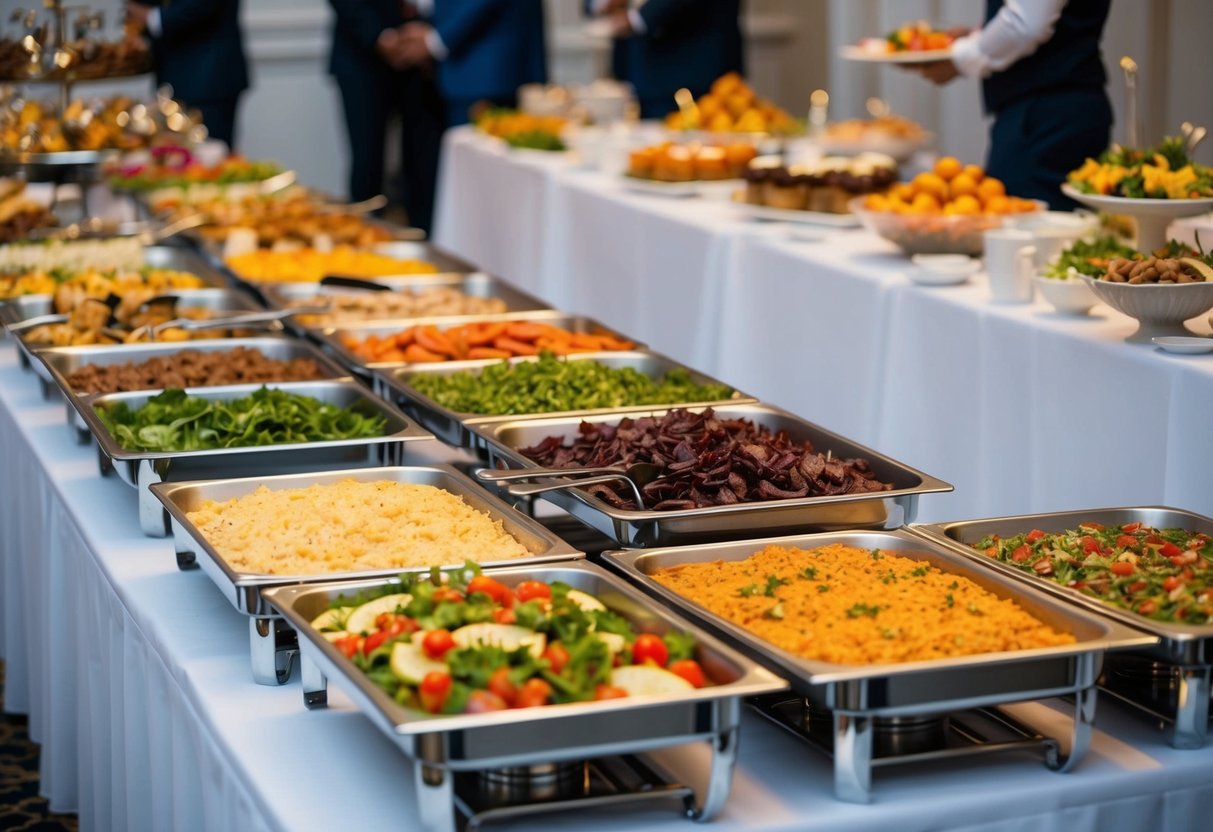
By following this guideline, you can make sure there’s something for everyone while avoiding waste. Think about the types of foods that suit your guests’ tastes and plan accordingly.
Whether it’s for a birthday party, a family reunion, or a casual gathering, knowing how much food to prepare can make all the difference in creating a fun and satisfying experience.
Estimating Portion Sizes
Getting the portion sizes right is key to ensuring your buffet is a success. You’ll want to provide enough food so everyone is satisfied but avoid having too much leftover. The following sections will help you understand how to determine serving sizes and calculate the total food needed for your guests.
Understanding Serving Sizes
When planning for 40 guests, it’s essential to know the right serving sizes for each type of food. Generally, aim for about 6-8 ounces of protein per person. This includes meats like chicken, beef, or fish.
For side dishes, a serving size of 4-6 ounces is recommended. This could include options like pasta, rice, or vegetables.
Don’t forget about salads or appetizers. A serving of these can be around 2-3 ounces per guest. Keep in mind that people often eat less when there are many choices available. Adjust the amounts accordingly for variety!
Calculating Food Per Person
To estimate total food needed, multiply your serving sizes by the number of guests. Here’s a simple breakdown:
- Protein: 6 ounces x 40 guests = 240 ounces (15 pounds)
- Side Dishes: 4 ounces x 40 guests = 160 ounces (10 pounds)
- Salads/Appetizers: 2 ounces x 40 guests = 80 ounces (5 pounds)
Now, you can see that for your buffet of 40 guests, you would need around 15 pounds of protein, 10 pounds of side dishes, and 5 pounds of salads or appetizers. Adjust these amounts based on menu choices and guest preferences to hit the perfect balance for your event!
Planning Your Buffet Menu
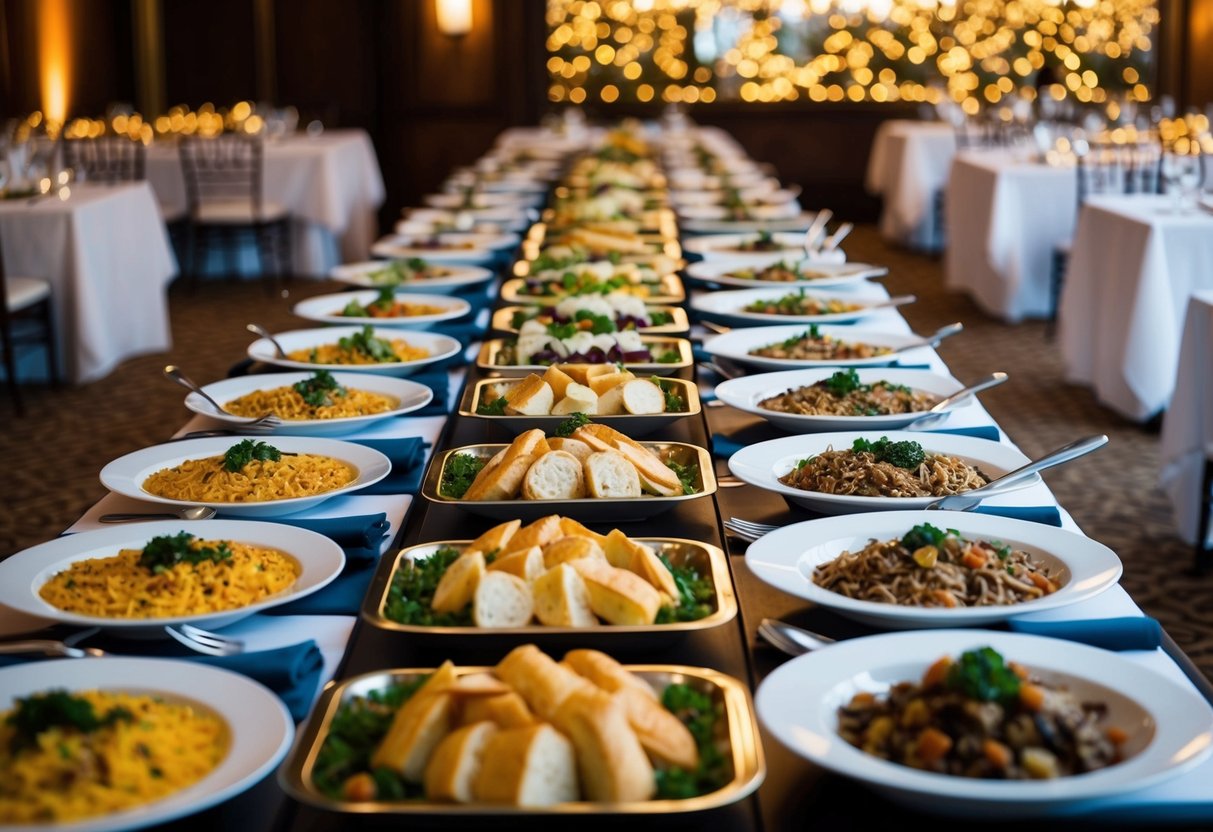
Creating a buffet menu for 40 guests can be fun and rewarding. You’ll want to include a mix of appetizers, main dishes, sides, and desserts. Keep dietary restrictions in mind to ensure everyone enjoys the meal. Here’s how to get started.
Selecting Appetizers and Starters
For appetizers, aim for a variety that appeals to different tastes. Consider options like vegetable trays, cheese platters, or finger foods. A mix of crunchy and creamy items can be a hit. Plan for about 8-12 pounds of appetizers for your group. Choose items that are easy to grab and eat.
Include salads, such as a green salad or a fruit salad. Having around 2-3 different salads can cater to various preferences. For balance, think about adding dips paired with chips or crackers. Make sure to label items for guests with dietary restrictions, such as vegetarian or gluten-free options.
Choosing a Varied Main Course
When picking your main courses, consider offering at least two types of meat. You could serve chicken alongside a beef or pork option. Aim for about 15 pounds of uncooked meat, which is around 5-6 ounces per person. If you include multiple meat options, provide the same serving size for each.
Along with meat, don’t forget about vegetarian options. A tasty pasta dish or a vegetable stir-fry can cater to those who don’t eat meat. Make sure to have enough variety so everyone can find something they like. This helps ensure that your buffet feels inclusive and enjoyable for all guests.
Incorporating Suitable Side Dishes
Side dishes should complement your main courses and add flavor and texture. Consider including rice, mashed potatoes, or grilled vegetables. A good rule is to plan for about 2-3 different sides. You’ll want enough for each guest to take a portion of each side.
Bread is another essential offering. Having around 60-80 rolls or slices will be adequate for 40 guests. Think about butter or spreads to accompany the bread. Labeling each dish helps make it easier for guests, especially those with dietary restrictions.
Delighting with Dessert Options
Desserts can be the sweetest part of your buffet. Offer about 2-3 dessert options to cater to different preferences. You might choose a cake, cookies, or brownies for a variety of flavors.
If your guests have dietary restrictions, consider serving a fruit platter or a gluten-free dessert option. Small portions allow guests to sample different treats without feeling overwhelmed. Remember to keep presentation in mind; a beautiful dessert table can enhance the overall buffet experience.
Beverages and Accompaniments
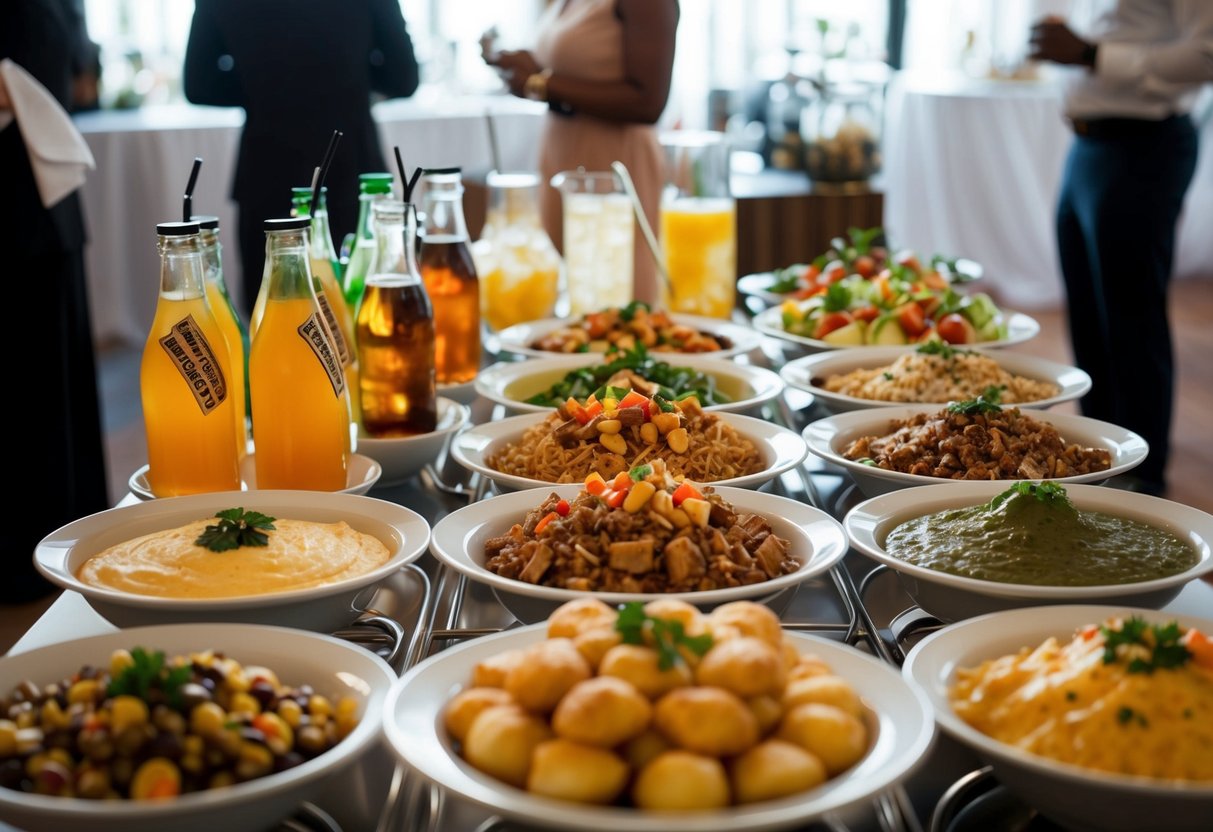
Planning for beverages and accompaniments is just as important as the food itself. You want to ensure your guests have a variety of drink options and the right items to enhance their dining experience.
Offering an Array of Drinks
When serving 40 guests, it’s smart to offer a mix of beverages. Aim for around 2 drinks per person. This means having 80 drinks ready.
Consider these options:
- Water: Have at least 20 bottles of bottled water. Staying hydrated is key!
- Coffee: Prepare 1 gallon of coffee. This serves about 16 cups. You can also provide cream and sugar for extra flavor.
- Fruit Juice: Offer about 1 gallon of fruit juice, catering to both kids and adults.
- Soft Drinks: Stock at least 24 cans of soda or sparkling water for variety.
Make sure to have enough cups and napkins on hand!
Providing Essential Extras
Don’t overlook the small but important extras that can elevate your buffet. Provide plates for guests to serve themselves. Use disposable plates for easy cleanup.
Also, think about condiments. Offer a variety, such as:
- Ketchup
- Mustard
- Salad dressings
These simple additions can make a big difference.
Lastly, consider a designated area for drinks. This allows guests to help themselves and encourages mingling. Having a well-organized beverage station can keep the flow of your event smooth and enjoyable!
Tips for Buffet Setup and Management
Setting up your buffet table is key to providing an enjoyable experience for your guests. A careful arrangement helps guests access food easily while keeping things organized. Managing the buffet effectively ensures all dishes are served properly, and handling leftovers with care minimizes waste.
Arranging Your Buffet Table for Easy Access
Start by choosing a spacious area for your buffet table. The ideal setup allows guests to move freely.
Divide the table into sections: place plates at the beginning, followed by salads, main dishes, side dishes, and desserts.
You may want to create a two-sided buffet for faster serving. This setup allows more guests to access the table simultaneously. Use labeled signs to identify each dish, especially if you have dietary options. Also, keep utensils nearby for each dish to avoid cross-contamination.
Managing and Serving Buffet-Style
When your guests arrive, greet them and remind them about the buffet. Maintain a friendly atmosphere to encourage enjoyment.
Monitor food levels throughout the event. As trays empty, refill them promptly to ensure everyone has enough.
If you hired a professional caterer, they can help manage the buffet flow. Otherwise, consider designating a helper to keep things organized.
Encourage guests to take small portions first, so they can return for seconds, reducing waste.
Handling Leftovers Safely and Efficiently
After your event, you must handle leftovers properly. First, store any perishable foods in airtight containers. You can label them with the date to track freshness.
Consider donating leftovers to local shelters, if possible. If you have a guest list or RSVPs, reach out to see who might want to take extra food home. This is especially helpful for larger gatherings. Remember to keep all food at safe temperatures to avoid spoilage.