
How Much Cake Do I Need for 80 Guests? Tips for Perfect Portions!
When planning a celebration with 80 guests, figuring out how much cake you need can be tricky. You want everyone to enjoy a slice, but you also don’t want to have too much leftover. For 80 guests, you typically need around 65 to 75 servings of cake. This estimate takes into account that not every guest will want cake, especially if you’re offering other desserts.
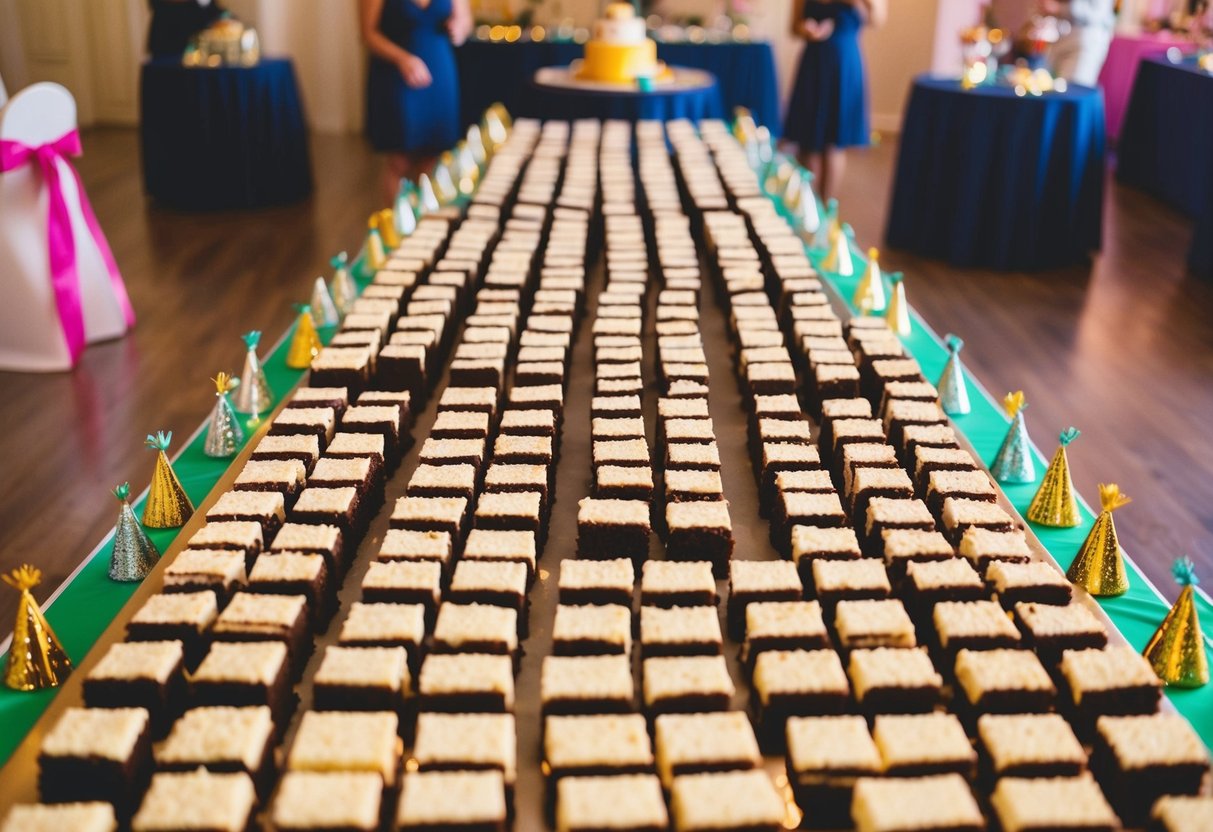
Choosing the right size and type of cake can make a big difference in your planning. Many bakeries offer various sizes, and knowing how to translate guest count into cake servings is key.
Whether you opt for a layered cake or a sheet cake, understanding the serving sizes will help you select the perfect amount for your event.
As you read on, you’ll discover helpful tips on calculating the right amount and the best cake styles for your gathering. Having a delicious cake that fits your guest list can make your event even sweeter!
Understanding Cake Servings
When planning a cake for your event, knowing how many servings you need and what type of cake to choose is essential. Different cakes have various portion sizes and capacities. Let’s explore these important factors to help you decide.
Serving Size and Portion Guidelines
The standard serving size for cake is typically around 2 inches by 2 inches for square cakes, and 1 inch by 2 inches for round cakes. This size provides a nice portion without being overwhelming.
To ensure everyone enjoys a slice, you can use a cake serving calculator. For 80 guests, you would need enough cake to offer at least available servings.
Check out a cake servings chart for quick reference. If each guest gets one serving, knowing how many servings your chosen cake type provides is key in planning.
Cake Types and Their Serving Capacities
Different types of cakes yield varying serving amounts. For example, a quarter sheet cake serves about 30-50 people, while a half sheet cake can accommodate 60-96 people. A full sheet cake is generally suitable for a larger crowd, serving more than 100 people.
You can check the size dimensions:
- Quarter Sheet: 9” x 13”
- Half Sheet: 13” x 18”
- Full Sheet: 18” x 26”
Using a cake serving chart can help you match the cake size to your guest list. Ensure you calculate the portions correctly to avoid running out of cake!
Selecting the Right Cake for Your Event
Choosing the right cake for your event involves understanding the type of celebration, the number of guests, and any specific dietary needs. It’s important to think about the style, flavor, and size of the cake to make sure everyone enjoys it.
Wedding Cake Considerations
When planning a wedding, the cake is often a centerpiece. A typical wedding cake is tiered, with sizes such as 6-inch, 8-inch, and 10-inch layers. A five to six-tier cake can serve around 150–175 guests.
Consider the flavors your guests might enjoy. Traditional options include vanilla, chocolate, or red velvet. You can also have a small cutting cake in a different flavor for the couple. Don’t forget to think about decoration styles, which should match your wedding theme.
Birthday and Celebration Cakes
For birthday parties or other celebrations, the cake type can vary widely. You may choose a single-tier cake, multiple tiers, or even cupcakes for easy serving.
A common size for about 80 guests is a 12-inch round cake or a full sheet cake. Popular flavors include chocolate, vanilla, or funfetti to keep things festive. Consider your guest’s age group, too. Kids might prefer playful designs, while adults might enjoy more sophisticated options.
Dietary Restrictions and Preferences
It’s essential to address dietary restrictions when selecting a cake. Many guests may have allergies or specific diets. You can offer gluten-free or dairy-free options to ensure everyone can enjoy a slice.
Communicating with your baker is key. Ask about alternative ingredients. If you have vegan guests, you can even provide a special vegan cake. Always label the cake types clearly at the event to help guests choose safely.
Estimating Cake Size and Quantity
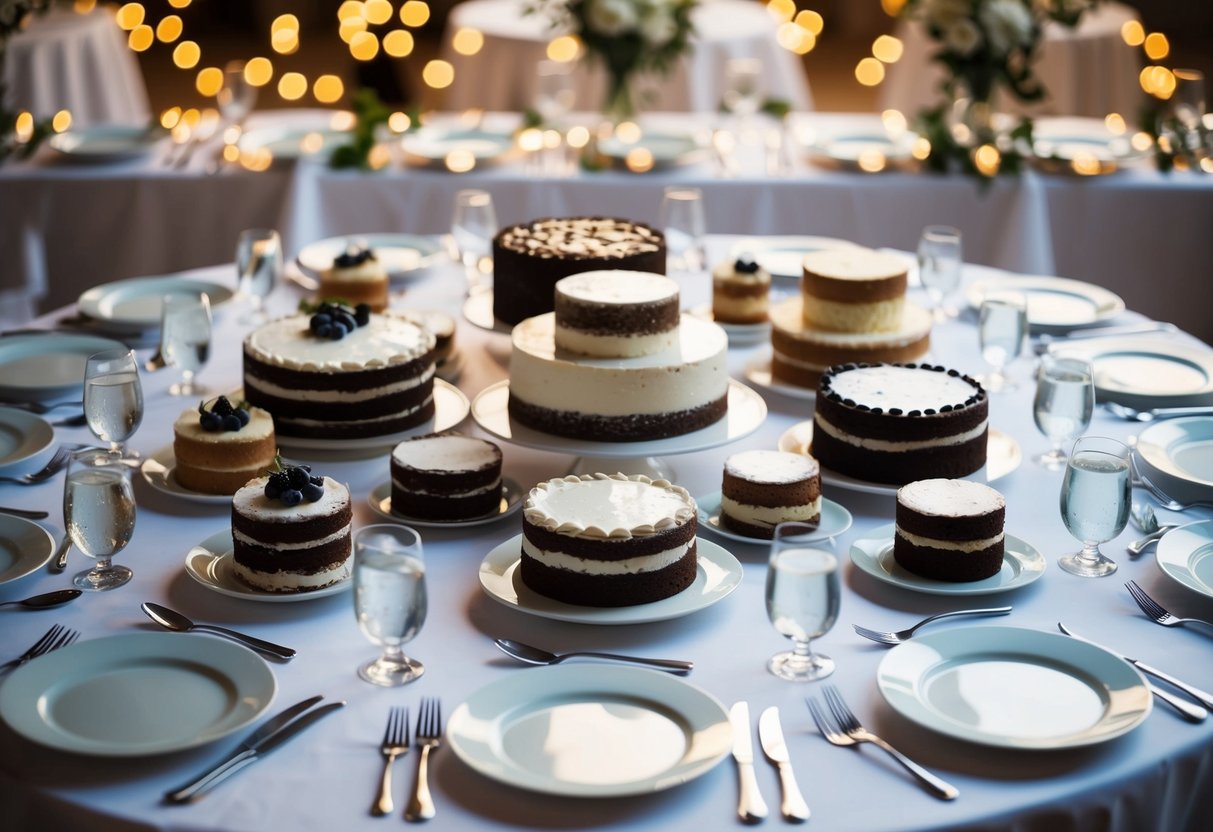
When planning for 80 guests, knowing how much cake to have is key. You’ll need to consider the type of cake and how many servings each can provide. Understanding the options available will help you make the best choice for your event.
Using a Cake Serving Calculator
A cake serving calculator is one of the easiest tools to estimate the amount of cake needed. These calculators usually ask for the number of guests and the cake type. Inputting 80 guests will give you a clear idea of how large your cake should be.
For example, a full sheet cake can typically serve about 96 people, making it a good option for your event. You may also consider round cakes, where sizes vary from 6 inches to 12 inches, providing different servings. By selecting the cake type, you can easily see how many cakes you’ll need based on serving sizes.
Round vs. Sheet vs. Square Cakes
Choosing between round, sheet, or square cakes affects Portions and aesthetics. A round cake, often used for celebrations, usually serves fewer than a sheet cake. A 10-inch round cake can feed around 38 people, while a 12-inch round serves about 56 guests.
On the other hand, a full sheet cake is great for larger crowds, serving around 96 people. If you prefer a square cake, a 10-inch square can serve about 40 people, while a 12-inch square can provide approximately 64 servings. Your choice will depend on how formal you want the event to feel and how you want the cake to look.
Determining the Number of Tiers Needed
The number of tiers in your cake also impacts servings and design. A typical wedding cake is made with 2 to 4 tiers. Each tier can serve a different number of slices.
For example, a 6-inch tier offers about 12 servings, while an 8-inch tier can provide around 20 servings. If you plan for 80 guests and want a multi-tier cake, you might use multiple sizes. Combining various tiers lets you create a stunning centerpiece while ensuring everyone gets a slice.
Final Touches and Presentation
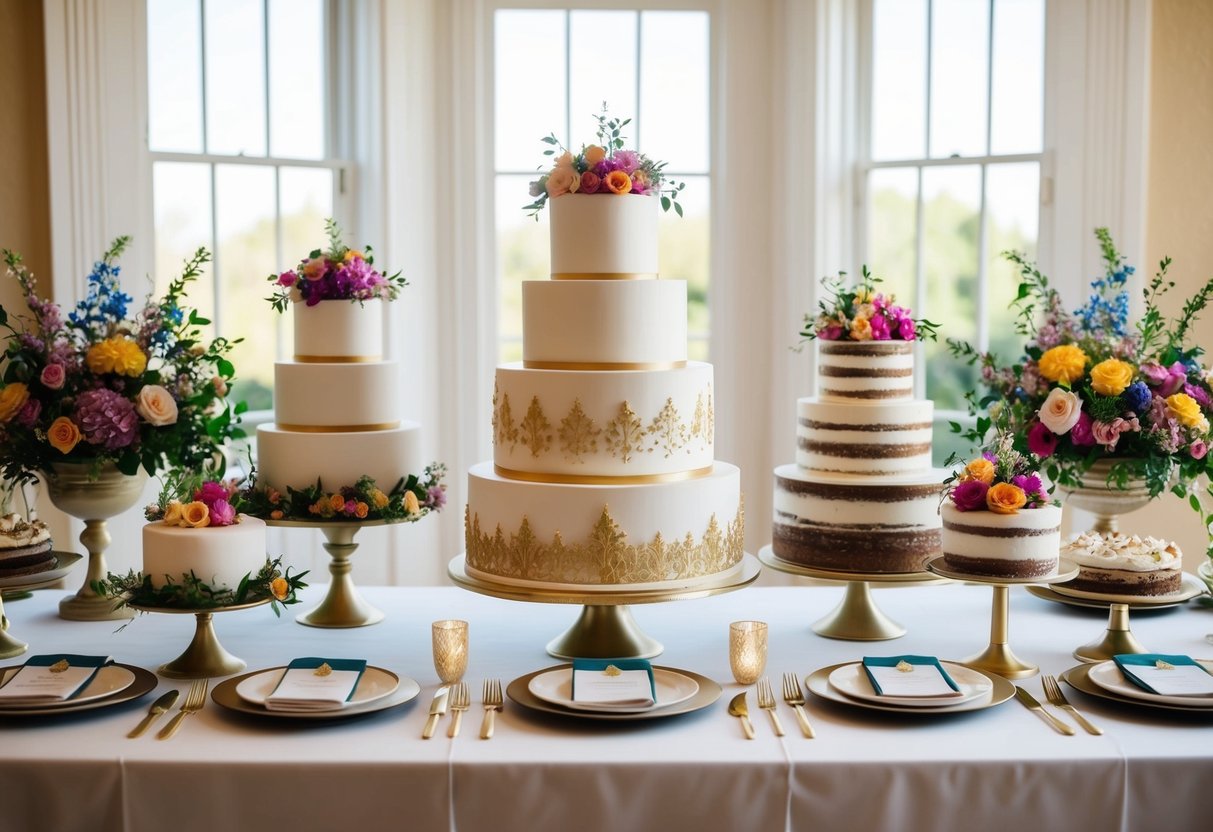
Creating a stunning wedding cake involves more than just choosing the right size. It’s also about the design, managing any leftover cake, and how you set up your dessert table.
Design and Decoration
The cake’s design is a prime feature of your wedding. A round wedding cake can be the centerpiece of your event. Choose colors and decorations that fit your theme. You might want floral arrangements, intricate icing, or even a personalized cake topper.
When planning your cake, consider using a classic pound cake for its rich flavor and dense structure. This type of cake holds up well for decoration and slicing. Don’t forget to coordinate the cake’s style with your other decor elements to make everything flow beautifully.
Managing Leftovers
After the celebration, managing leftovers is essential. You want to ensure that your guests don’t miss out on enjoying the cake. One good idea is to offer take-home boxes for guests. This way, they can savor a slice later!
Additionally, consider slicing the cake into smaller portions. This helps reduce wastage and makes it easier for guests to grab a piece. If you know there will be significant leftovers, you might want to create a plan for them too. Local charities often appreciate donations of leftover cake, helping you spread joy beyond your wedding day.
Setting Up the Dessert Table
Your dessert table is where your wedding cake will shine. Make sure it’s well-placed and visually appealing.
Consider a tablecloth that matches your wedding theme. Add decorative elements like candles or flowers to create a lovely atmosphere.
Place the cake at the center to draw attention. Surround it with smaller desserts, like cupcakes or pastries, to give guests more options.
Label each dessert so guests know what they’re choosing. This setup makes it easy for everyone to find their favorite treats while enhancing your wedding’s overall look.