
How Much Cake Do I Need for a 100 Person Wedding? Easy Planning Tips for Your Big Day
Planning a wedding can be both exciting and a bit stressful, especially when you need to figure out how much cake you’ll need for your big day.
When considering cake for 100 guests, a 3-tiered cake with sizes of 6 inches, 10 inches, and 14 inches will usually provide enough servings for everyone. This ensures each guest gets a nice slice without leaving you with too much leftover cake.
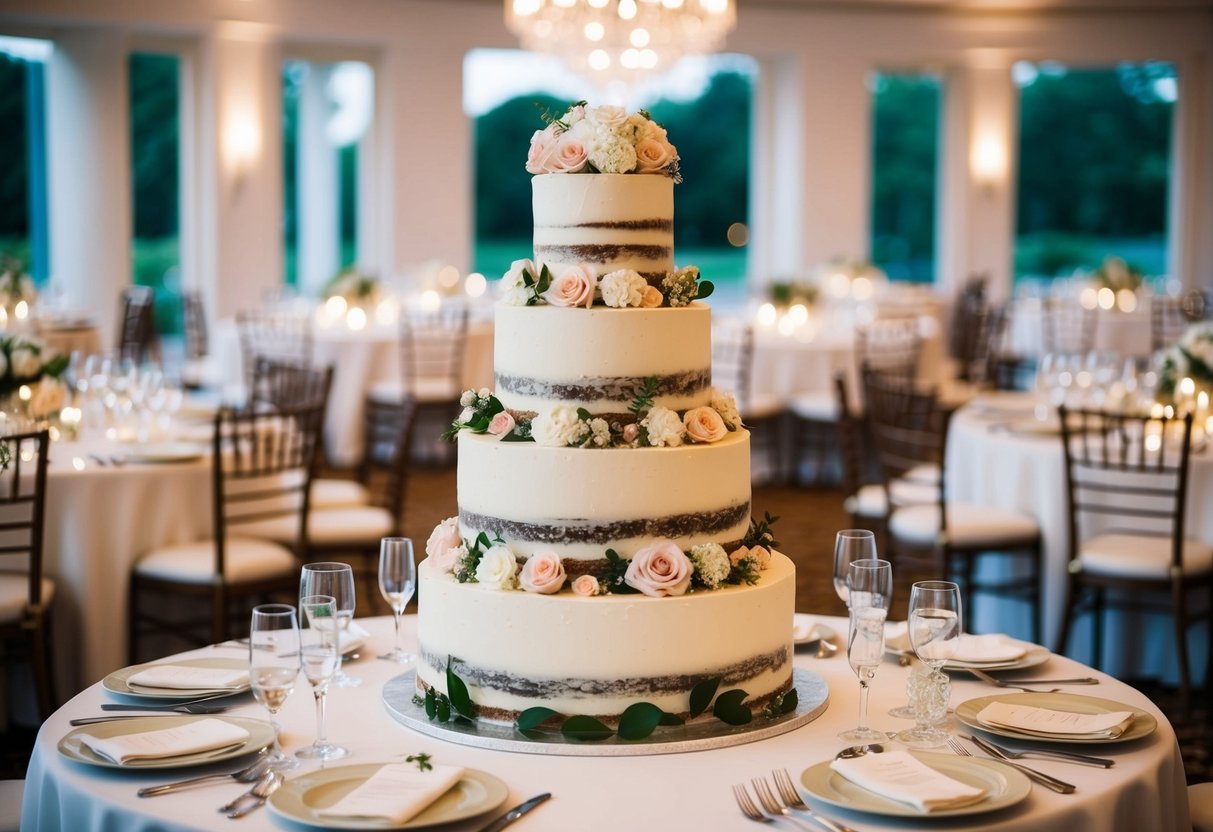
Remember, the standard serving size for wedding cake is about 1 inch by 2 inches. This size allows everyone to enjoy a sweet treat after your ceremony while keeping portions reasonable. It’s always a good idea to consider your guests’ preferences, too. Some might want a bigger slice, so if you think many guests will want seconds, you might want to opt for a slightly larger cake.
Determining Cake Size
When planning a wedding cake, knowing how much cake to provide for your guests is essential.
You’ll want to consider serving sizes and how they relate to your guest count. This ensures everyone gets a slice and you avoid cake waste.
Understanding Serving Sizes
Wedding cake servings are typically smaller than regular dessert portions. Standard sizes range from 1″ x 2″ to 2″ x 2″. The smaller portion sizes allow you to serve more guests with less cake.
For instance, a standard round cake tier measuring 6 inches can serve about 12 people. Meanwhile, a 10-inch tier can serve approximately 30 people. You need to decide how many tiers you want based on the number of guests and desired servings.
Keep in mind that based on personal choice or guest preferences, some may want a little more or less. Check any estimates with a wedding cake calculator for a more tailored approach.
Calculating Based on Guest Count
Now that you know about serving sizes, it’s time to calculate based on your guest count. For 100 guests, you might need about 150 servings to ensure everyone is satisfied.
To reach this number, consider using a two or three-tier cake. A common setup is a 12″, 10″, and 8″ tier, which can offer around 150 servings.
You can also adjust your cake size by choosing square or round tiers. Square cakes usually provide more servings compared to round cakes of the same dimensions. Using a wedding cake calculator can help you determine the size and number of tiers needed to accommodate your guests.
Cake Design and Flavor Selection
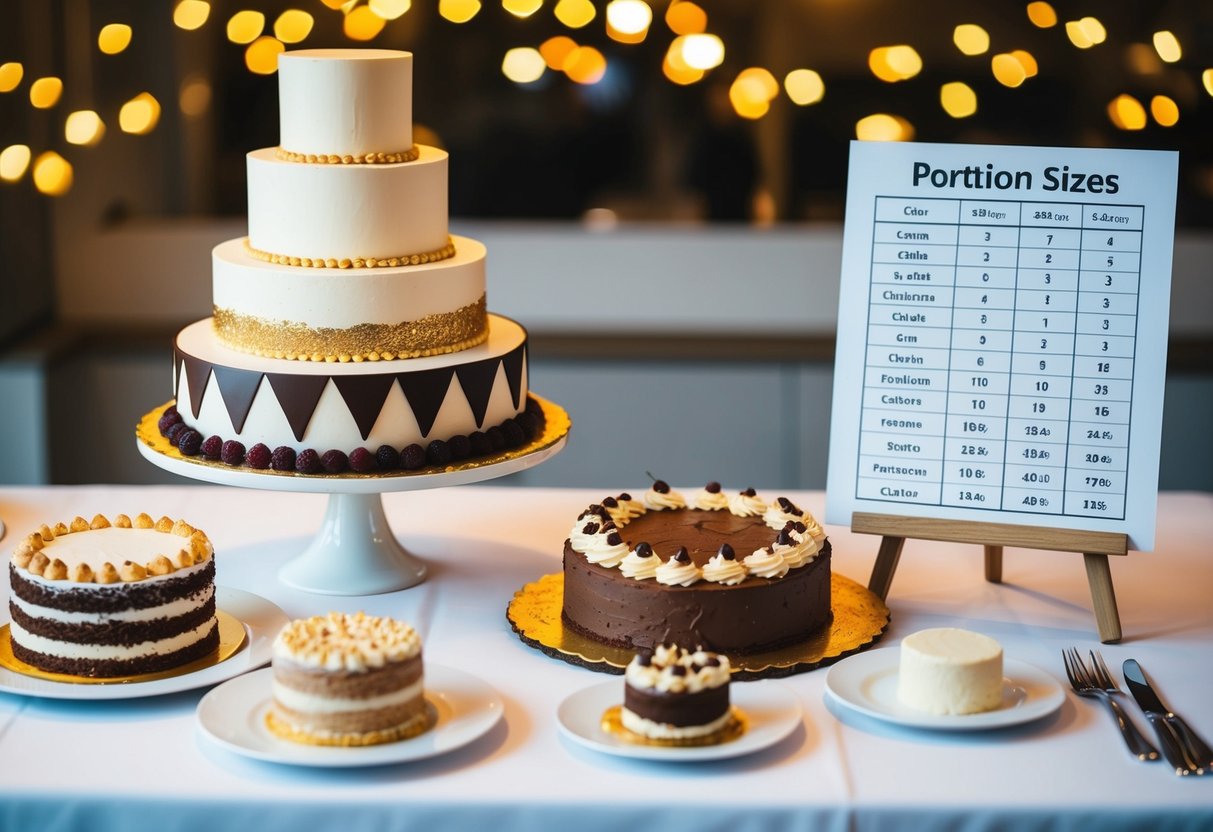
Selecting the right cake flavors and design is crucial for your wedding. You want your cake to taste delicious and look beautiful. Here’s what to consider when making these decisions.
Choosing Your Cake Flavors
When choosing cake flavors, think about your personal favorites as well as what guests might enjoy. Popular choices include vanilla, chocolate, and red velvet.
Consider offering a variety of flavors in different tiers. For example, you could have chocolate on the bottom, vanilla in the middle, and a fruity option on top.
Also, think about dietary restrictions. Offering a gluten-free option can be a thoughtful choice for guests with allergies. Pair your cake flavors with complementary fillings, like raspberry or lemon, to add more taste.
Designing Your Wedding Cake
The design of your wedding cake should reflect your style and theme. Elegant fondant designs can give a classic look, while buttercream provides a more rustic feel.
Consider incorporating sugar flowers to enhance your cake’s visual appeal. You could choose flowers that match your wedding bouquet for a cohesive look.
The number of cake tiers can also impact the design. A multi-tiered cake can look stunning and serve more guests. Be sure to think about the overall height and how it will fit in your venue.
Keep your design simple yet meaningful, showcasing your personality and wedding theme.
Logistics of Wedding Cakes
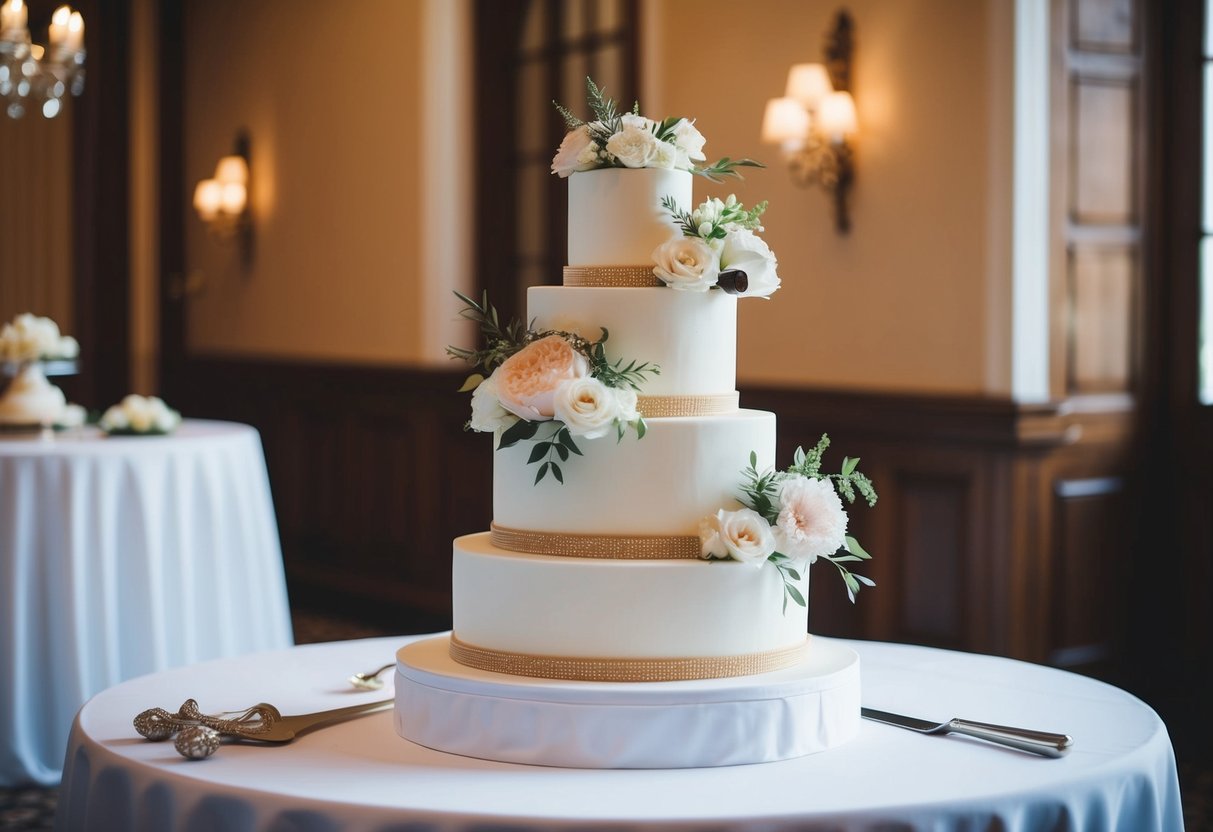
When planning your wedding cake, there are several important details to keep in mind. You’ll want to consider how to order your cake, how to cut and serve it, and how to accommodate any dietary needs your guests may have.
Ordering Your Cake
Start by choosing a reputable bakery that specializes in wedding cakes. Discuss your vision, including flavors, styles, and tier height. For 100 guests, a popular choice is a three-tier cake with dimensions like 6-inch, 10-inch, and 14-inch.
Confirm the design and make sure to place your order well in advance—ideally, 4 to 6 months before the wedding day. Don’t forget to ask about delivery options. You want your cake to arrive fresh and intact.
Consider saving the top tier for your first anniversary. Many couples choose to freeze it, but keep in mind that some bakeries can help you recreate a smaller version for that special day.
Cake Cutting and Serving
Cake cutting is a key moment at any wedding. Make sure you discuss this with your spouse beforehand.
You can have a designated person, like a family member or friend, handle the cutting to ease any stress.
Standard serving sizes are about 1-inch by 2-inch slices for a formal wedding cake. A three-tier cake can usually provide enough slices for all your guests. If you prefer larger portions, consider a four-tier option.
If you want a unique touch, think about setting up a self-serve cake station. This allows guests to help themselves to cake slices, which adds an interactive element to your reception.
Accommodating Dietary Needs
Prioritize your guests’ dietary restrictions. Check if anyone has allergies or preferences, such as gluten-free, vegan, or nut-free options.
Many bakeries offer alternative flavors and ingredients to ensure everyone can enjoy a piece.
Communicate these needs clearly when ordering your cake. It’s helpful to note any requested dietary options on your wedding invitations, so guests know what to expect.
You might even consider having a small cake or dessert bar with a variety of treats catered to different diets. This way, everyone gets a delightful dessert without compromising on taste or safety.
Budget Considerations
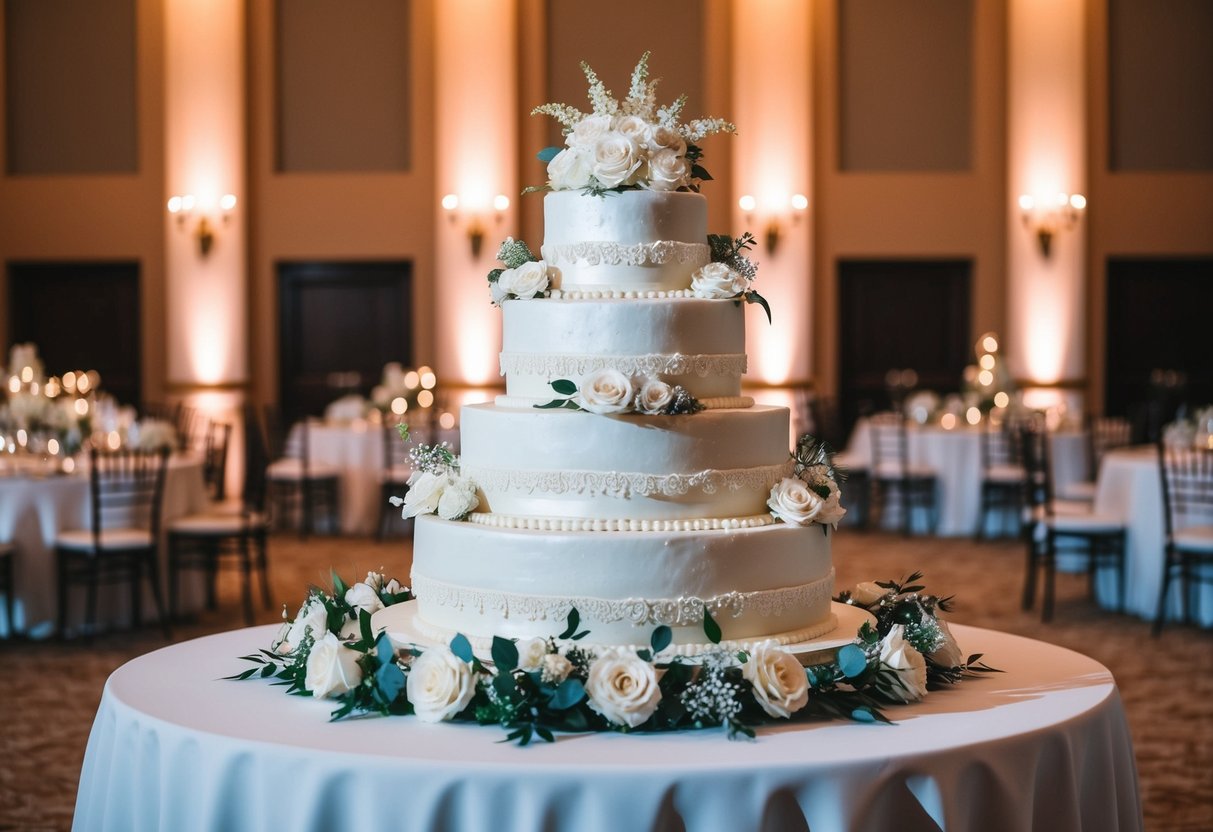
When planning your wedding cake, it’s important to think about costs and options available. Understanding the estimated expenses and considering alternative cake choices can help you stick to your budget while still delighting your guests.
Estimating Cake Costs
To budget for your cake, start by calculating the cost per slice. Generally, wedding cakes range from $5 to $15 per slice depending on the complexity and design. For 100 guests, this means you might spend between $500 and $1,500.
It’s good to know that major cities often have higher rates. If you find a lovely cake shop with a strong reputation, their prices might be on the higher end.
Don’t forget to ask about delivery and setup fees. These can add an extra $50 to $200 to your bill. Plus, if you’re considering a groom’s cake or a bride’s cake, incorporate those costs as well.
Alternative Cake Options
If costs are a concern, consider alternative cake options. Sheet cakes can be a simple and budget-friendly choice. They are cheaper and can be placed in the kitchen while the main cake is on display.
Another option is a fake cake. This is a decorative cake that looks real but is actually made of Styrofoam. You can serve sheet cakes to guests while using a fake cake for photos.
Smaller cakes can also work. For example, a simple tiered cake with a few sheet cakes to feed the rest. Whatever you choose, make sure it reflects your style while fitting your budget!