
How Much Did Queen Elizabeth Pay for Her Wedding Dress? Unveiling the Costs Behind the Iconic Gown
Queen Elizabeth II’s wedding dress is not just a piece of history; it’s also a symbol of creativity and resourcefulness during tough times. She paid for her stunning gown using ration coupons, a unique decision influenced by the post-World War II rationing in the UK. This choice reflects the challenges of the time, as she planned her wedding just two years after the war ended.
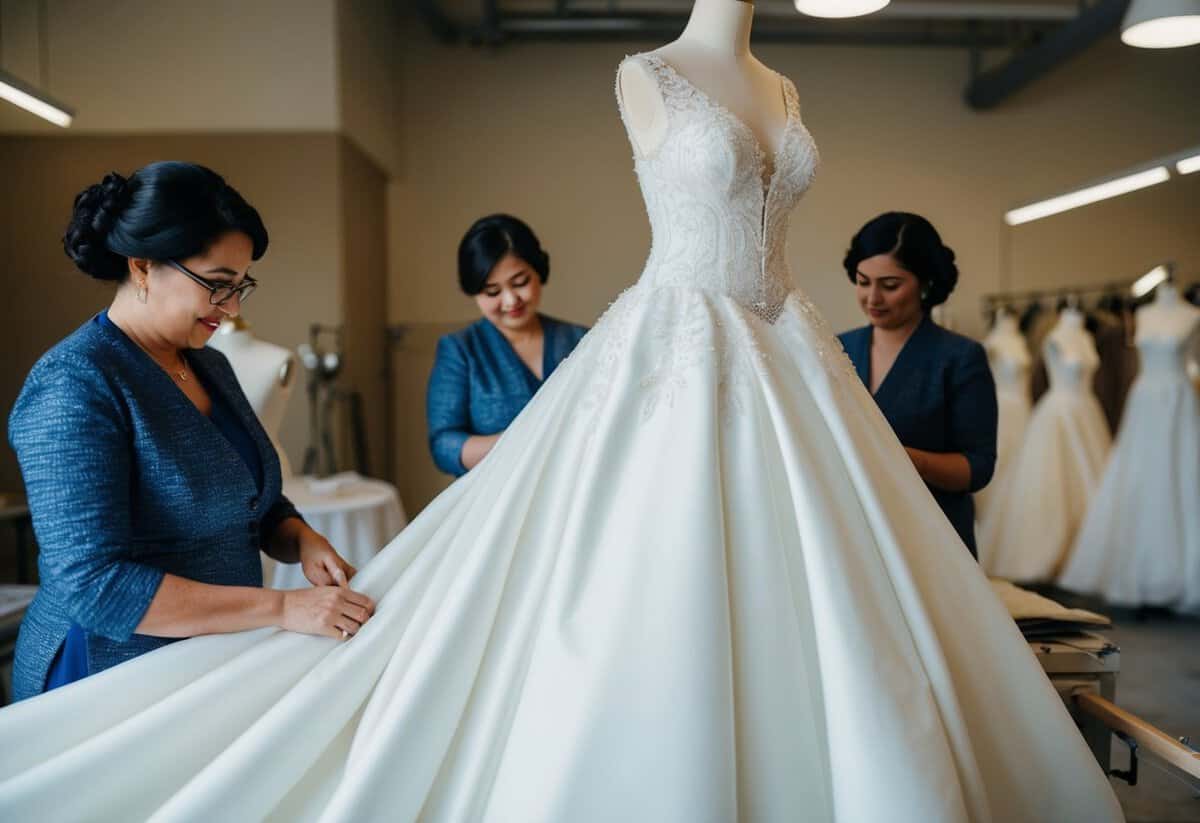
The gown itself was a masterpiece, made from ivory silk satin and embellished with thousands of pearls and intricate designs. It garnered attention not only for its beauty but also for the story behind how it was funded. You may be surprised at how her decisions shaped this historic event and what it reveals about her character and the era.
As you explore this story further, you’ll discover the fascinating details of Queen Elizabeth’s wedding, including how the dress represented a moment of hope and joy in a recovering nation. Dive in to learn more about the costs, the creation process, and the lasting impact of her iconic wedding dress.
The Royal Wedding of Queen Elizabeth II and Prince Philip
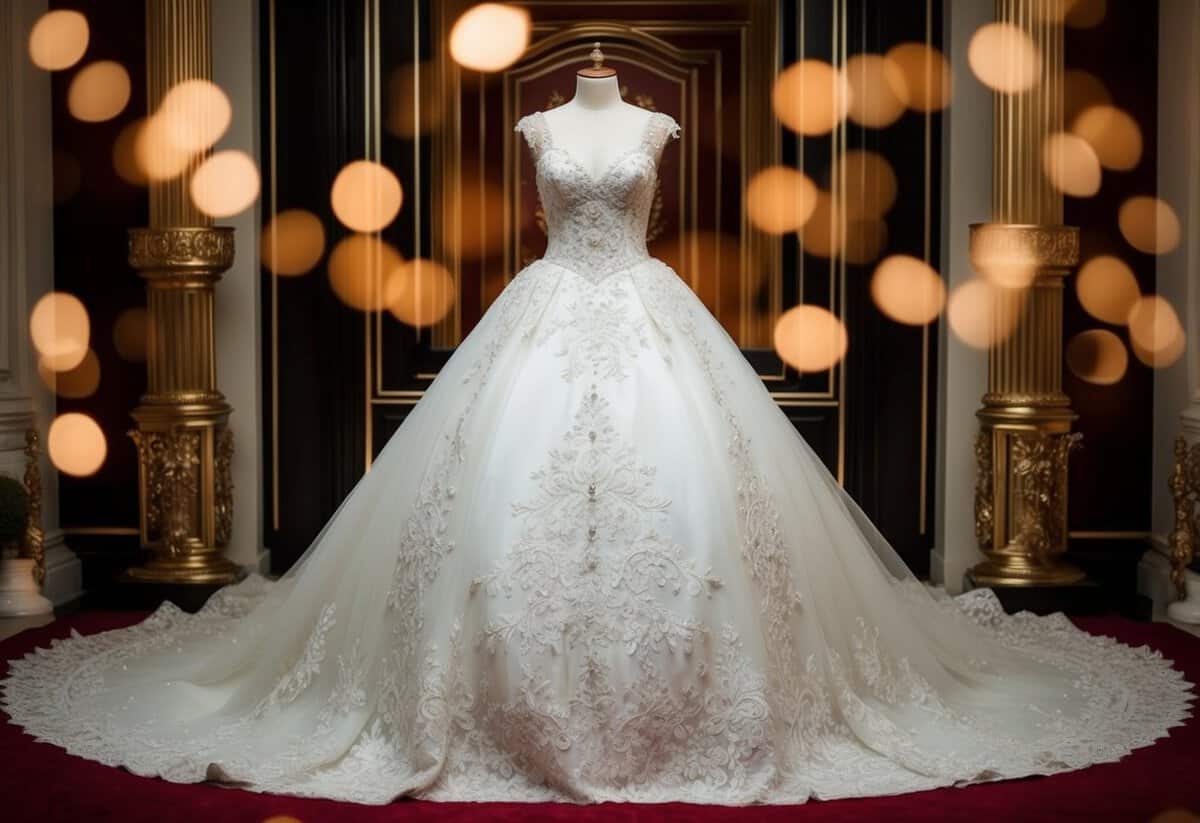
The wedding of Queen Elizabeth II and Prince Philip was a significant event that marked a new chapter in British history. It reflected not only personal joy but also the political and social landscape of the time, especially in the aftermath of World War II.
Historical Context and Royal Significance
On November 20, 1947, you witnessed the wedding at Westminster Abbey. This royal wedding came shortly after the hardships of World War II. The British public was eager for happiness and celebration again.
Queen Elizabeth, then Princess Elizabeth, was the daughter of King George VI. Her marriage to Prince Philip, Duke of Edinburgh, symbolized hope and renewal for the nation. Their union was a step towards healing, bringing attention to the royal family as a source of inspiration.
The ceremony included various traditions, reflecting the royal significance of the event. The presence of the British government at the wedding emphasized the importance of monarchy in post-war Britain.
The Bridal Train and Westminster Abbey Venue
Westminster Abbey served as the perfect backdrop for this royal event. The stunning Gothic architecture created an impressive atmosphere. You could feel the history as the couple exchanged vows under its grand arches.
The bridal train of Queen Elizabeth’s dress was notably long. It measured over 13 feet, adding elegance to her appearance.
The dress itself, crafted from ivory silk, featured intricate details and embroidery. Her attire was modest yet glamorous, showcasing both royal tradition and personal style.
Westminster Abbey’s setting enhanced the beauty of this royal wedding. It was filled with family, friends, and representatives from various countries. This gathering highlighted the global interest in the royal couple and their future roles in the monarchy.
Design and Creation of the Wedding Dress
Queen Elizabeth’s wedding dress is a symbol of elegance and royal tradition. Crafted in a time of post-war austerity, it featured luxurious materials and intricate designs that represented a new era for the monarchy.
Norman Hartnell: The Royal Couturier
The dress was designed by Norman Hartnell, a renowned royal couturier. Known for his exquisite craftsmanship, Hartnell’s designs combined classic styles with modern touches. He used ivory silk, giving the gown a rich, luxurious appearance. The dress featured a tailored bodice that flattered Elizabeth’s figure, with a fit and flare silhouette that gracefully flowed into the skirt.
Hartnell incorporated long sleeves and a high neckline, adding an air of sophistication. The gown was adorned with 10,000 seed pearls, crystals, and beautiful embroidery to create a stunning visual impact. His inspiration came from Botticelli’s Primavera, reflecting themes of rebirth and growth.
Inspiration Behind the Design
The inspiration for the gown was deeply rooted in both personal and cultural significance. Hartnell aimed to combine tradition with a touch of fairy-tale magic.
The use of tulle in the veil added a delicate layer, enhancing its romantic essence. The inclusion of orange blossom motifs symbolized purity and fertility, making it particularly meaningful for a wedding.
The design embodied hope and new beginnings, capturing the spirit of a post-war society. The heart-shaped neckline offered a charming elegance, making it unique and memorable for the ceremony at Westminster Abbey.
This careful attention to detail and symbolism made the wedding dress not only a fashion statement but also a part of royal history.
Economic and Material Challenges
After World War II, Princess Elizabeth faced unique economic conditions when purchasing her wedding dress. The effects of rationing significantly influenced her decision and resources.
Rationing in Post-War Britain
In post-war Britain, rationing was essential due to shortages caused by the Second World War. Everyday items, including clothing, were hard to come by.
The British government controlled the distribution of goods through a system of ration coupons. Each person received a limited number of coupons that allowed them to buy clothing, food, and other essentials.
For example, a common dress might require a certain number of clothing coupons, making the purchase quite challenging.
Princess Elizabeth was not exempt from these restrictions, which made acquiring materials for her wedding dress particularly difficult.
The Role of Ration Coupons in the Dress Acquisition
Princess Elizabeth used ration coupons to afford her wedding dress. The government granted her 200 extra clothing coupons to help cover the cost.
This was significant, showing the importance of her wedding amid ongoing challenges.
In total, she needed to gather enough coupons to purchase the fabric for her gown. Many women across the UK offered their own coupons.
While she appreciated the generous offers, it was illegal to use those coupons. Instead, she returned the donations and sent thank you notes to each woman, respecting the rules of rationing.
Her resourcefulness and the use of society’s support highlighted the tough times in which this royal wedding took place.