
How Much Do Celebrants Charge for Funerals? Understanding Costs and Services
When planning a funeral, the costs involved can feel overwhelming. Funeral celebrants typically charge between $250 and $1,000 for their services, depending on factors like experience and type of ceremony. This fee usually covers meetings with the family, planning the service, and leading the ceremony.
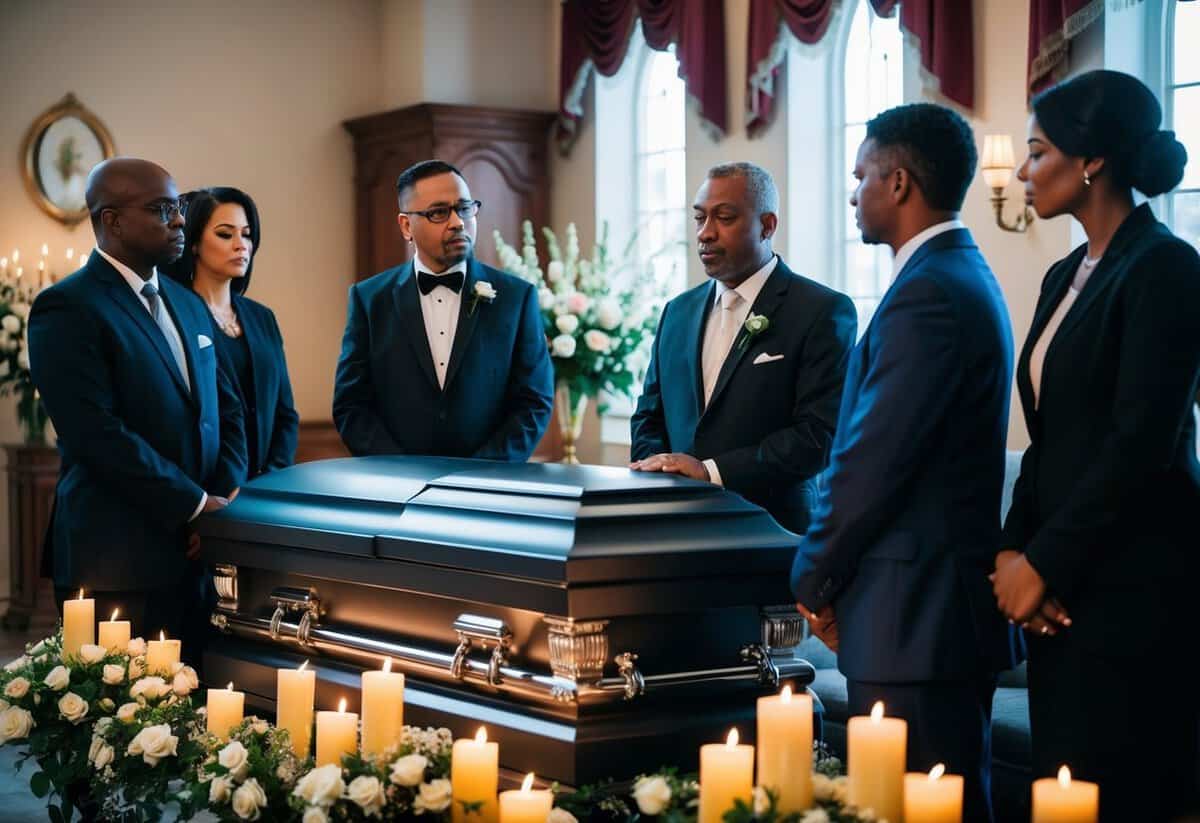
Choosing a celebrant can add a personal touch to the event, making it more meaningful for you and your loved ones. Some celebrants offer extra services for an additional fee, so it’s important to discuss your needs and budget with them. Knowing the price range helps you make informed decisions as you navigate this difficult time.
Understanding Celebrant Roles and Services
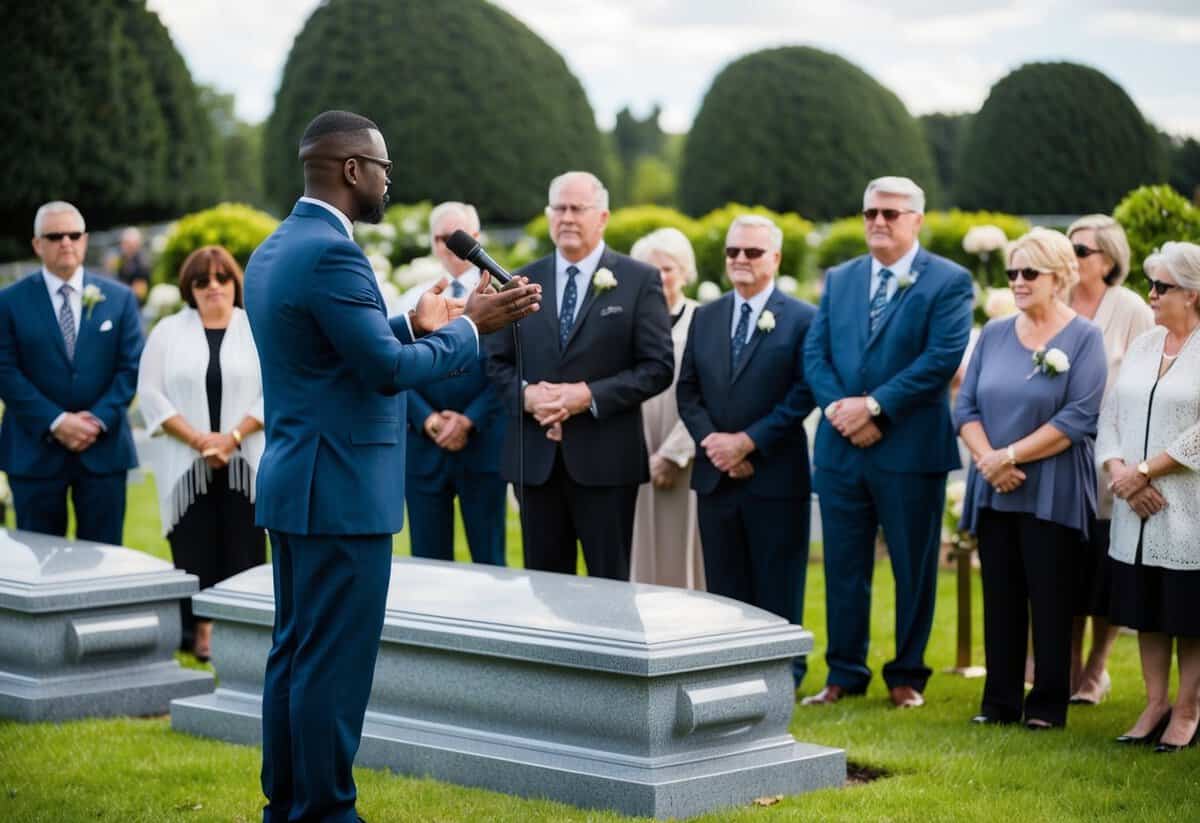
When planning a funeral, knowing the roles of celebrants can help you make informed decisions. Celebrants offer personalized services that reflect the wishes and beliefs of the deceased and their family. They can conduct a variety of ceremonies, catering to both religious and non-religious preferences.
Difference Between Celebrants and Clergy
Celebrants and clergy serve different purposes in funeral services. A celebrant is often non-religious and focuses on creating a personalized experience. They work closely with families to reflect the personality and life of the deceased.
In contrast, clergy typically leads religious ceremonies that may involve specific rituals and prayers. Many people choose a celebrant for a more custom approach, especially for non-religious funerals or those with unique themes. You might prefer a celebrant if your family does not belong to any particular faith.
Types of Ceremonies Conducted by Celebrants
Celebrants can handle various types of ceremonies. Common options include:
- Memorial Services: Celebrants lead services that honor the deceased. These can be formal or casual, depending on your preference.
- Life Celebrations: Focus on celebrating the person’s life rather than mourning their passing. This may include sharing stories and memories.
- Scattering of Ashes Ceremonies: Celebrants can guide you through a meaningful process of scattering ashes in a special location.
Choosing a celebrant allows for flexibility in creating a service that feels right for you and your family. You can incorporate music, readings, and personal anecdotes, making it a unique event.
The Role of a Funeral Celebrant
A funeral celebrant plays a key role in making the service personal. They meet with families to understand their wishes and the deceased’s life, helping to craft a ceremony that reflects who they were.
Their responsibilities may include preparing a eulogy, coordinating with funeral directors, and ensuring that all elements of the service run smoothly. They often provide guidance on selecting readings, music, and rituals, tailoring the ceremony to honor individual beliefs.
Funeral celebrants strive to create a warm and welcoming environment where family and friends can gather to celebrate life. With their expertise, you can feel assured that the service will be meaningful and respectful.
Fees and Costs Associated with Funeral Celebrants
When planning a funeral, understanding the fees and costs of hiring a celebrant is crucial. The costs can vary based on different factors, and knowing what to expect helps you make informed choices.
Factors Affecting Celebrant Fees
Several elements impact the fees of a funeral celebrant. Experience plays a significant role; more seasoned officiants may charge higher rates than newer ones.
The type of service can also affect costs. For instance, a personalized ceremony often requires more time and effort, leading to higher fees. Geographic location matters too; celebrants in larger cities may have different rates compared to those in rural areas.
Lastly, the specific needs of your service can change costs. If you require additional meetings or special requests, those may incur extra fees.
Average Cost of Hiring a Funeral Celebrant
The costs of hiring a funeral celebrant typically range from $250 to $1,000. This range can depend on various factors, including the celebrant’s location and experience.
On average, you might find that many celebrants charge around $400 to $500 for standard services. Some may present a flat fee, while others set hourly rates. Many celebrants offer packages that include planning, writing a eulogy, and conducting the service.
Comparing fees across several celebrants can help you find one that fits your budget and meets your needs. Be sure to inquire about what is included in the fee to avoid unexpected costs.
Additional Expenses Related to Funeral Services
Beyond the celebrant’s fee, there might be other costs you should be aware of. For example, a venue for the ceremony could have its fees, ranging from a small charge to several hundred dollars.
You’ll want to consider transportation costs too. A hearse may cost between $200 and $400, and if you need extra vehicles for family members, those costs will add up.
Lastly, outdoor services may require additional arrangements, such as permits or setup fees. Always ask your celebrant about any potential extra expenses when planning your service.
Preparation and Customization of Funeral Services

When planning a funeral, customizing the service can help create a meaningful tribute. Personal touches allow you to honor your loved one in a unique way.
Developing a Personalized Order of Service
Creating a personalized order of service is an essential part of the funeral planning process. This document guides attendees through the ceremony and can include key elements such as the introduction, readings, and eulogies.
You can choose to include photos, favorite quotes, or even stories that reflect the life of the departed. This not only makes the service heartfelt but also helps guests feel connected to the memory being celebrated.
Selecting Readings, Poems, and Songs
Choosing readings, poems, and songs adds a personal touch to the service. Many families select passages from sacred texts, favorite poems, or meaningful quotes that resonate with the deceased’s life.
Popular choices often include funeral poems or hymns that held special significance. You might also consider songs that were favorites of the loved one, creating a comforting atmosphere for guests as they remember.
Incorporating Eulogies and Tributes
Eulogies and tributes are critical aspects of the funeral service. A eulogy offers a chance to share personal memories and celebrate the life of your loved one. You may ask family members or close friends to share their thoughts during the service.
Tributes can also be included, such as stories, anecdotes, or letters that express love and remembrance. Everyone’s input can help weave a rich tapestry of experiences, making the service truly special and memorable for all who attend.
Becoming a Funeral Celebrant
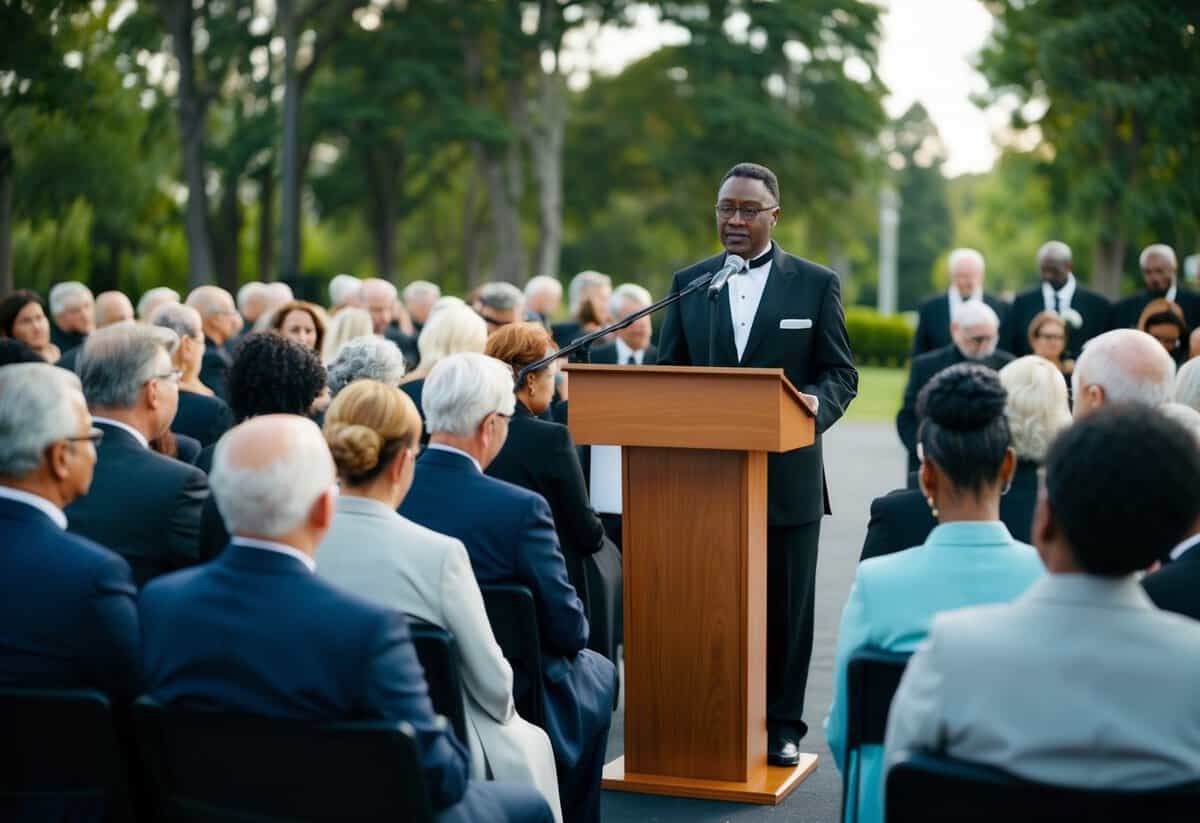
If you’re interested in becoming a funeral celebrant, you should know it involves specific training and skills. This role requires compassion, organization, and often, specialized education to support grieving families.
Certification Programs and Training
To become a funeral celebrant, you will typically need to complete a certification program. These programs can vary in length and focus. Many are offered by dedicated celebrant training organizations.
Courses usually cover vital areas such as:
- Ceremony planning
- Communication skills
- Understanding grief and loss
Some programs may last only a few days, while others might take several months. You might also be required to complete practical assessments to ensure you can handle real-life situations effectively.
Several organizations offer these credentials. Research them to find one that matches your goals.
Required Skills and Competencies
Being a funeral celebrant requires a unique set of skills, in addition to formal training. You need to be a good listener. You must show empathy to help families express their grief.
Organizational skills are also essential for planning and coordinating ceremonies.
Key skills include:
- Communication: You must convey thoughts clearly during services.
- Interpersonal skills: Building trust with families is vital.
- Creativity: Personalizing ceremonies to reflect the deceased’s life is crucial.
These skills will not only help you succeed but also comfort families during difficult times. Cultivating these abilities will make you a sought-after celebrant in your community.