
How Much Do Most Brides Spend on Dress? A Look at Average Costs and Trends
When planning your wedding, the wedding dress is often one of the biggest expenses. On average, brides spend about $1,631 on their wedding dress, but this can vary widely depending on personal choices.
Many factors influence how much you might spend, from the style you choose to whether you opt for a designer gown or a more budget-friendly option.
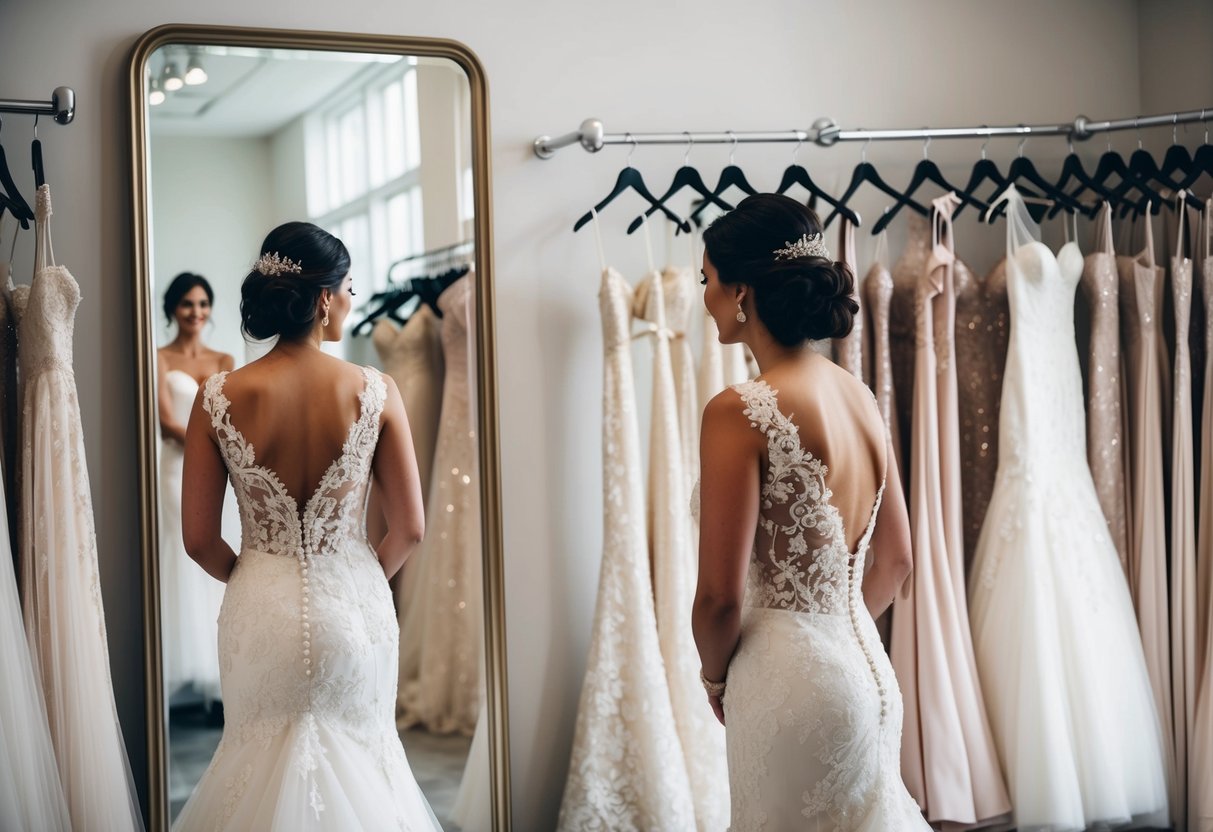
Setting a wedding dress budget is essential as it helps keep your spending in check. You might find that some brides in states like New York spend even more, averaging $2,463, while others in places like North Carolina manage to find beautiful dresses for around $1,460.
Knowing the average cost of a wedding dress can guide you in making informed decisions that ensure you love your final choice without stressing about your budget.
As you embark on your dress shopping journey, remember that the price tag doesn’t define the beauty or significance of your gown. It’s all about finding a dress that makes you feel like the best version of yourself on your special day.
Understanding Wedding Dress Costs
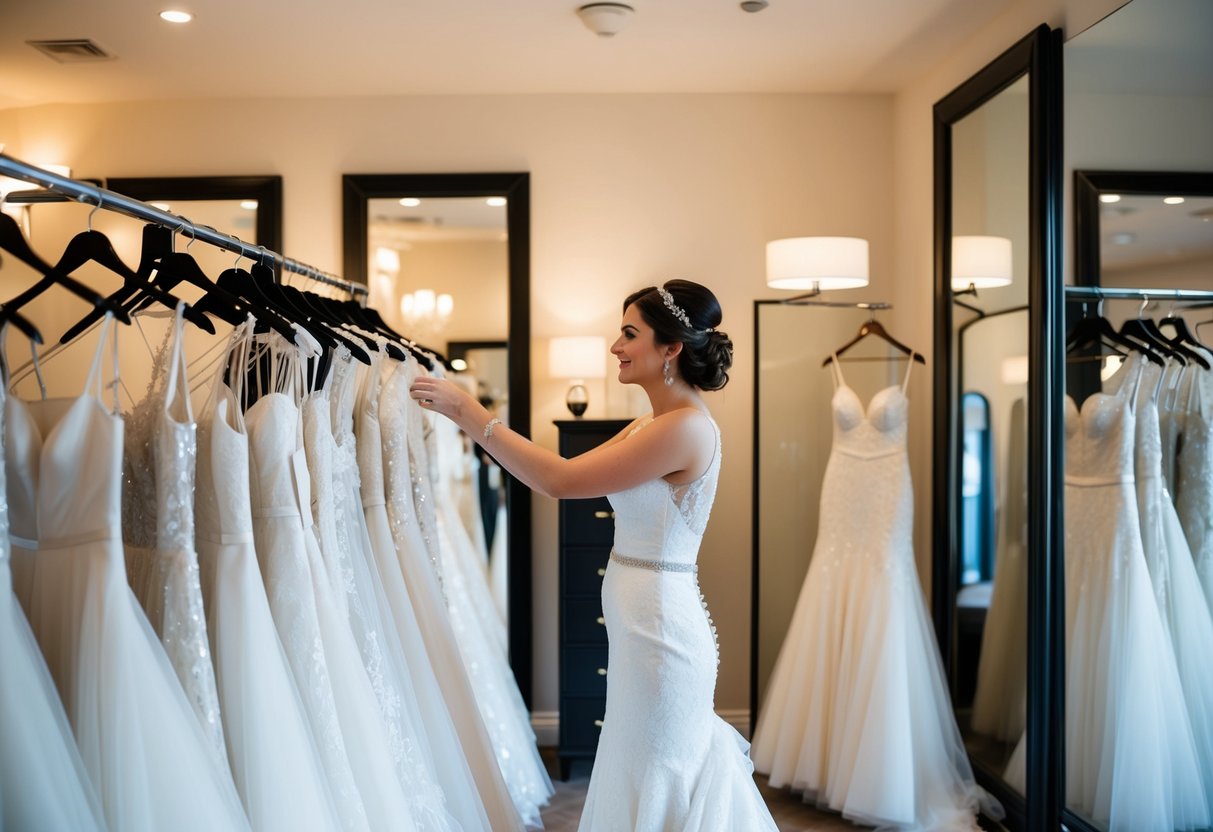
When planning for your wedding, knowing how much to spend on your dress is crucial. Wedding dress costs can vary greatly depending on fashion trends and your overall budget. Here are some important details to consider.
The Impact of Wedding Fashion Trends
Fashion trends play a big role in how much you might spend on your wedding dress. In 2025, the average cost of a wedding dress ranges from $1,500 to $2,500.
If you want a luxurious option, dresses from high-end designers often start at $2,000 and can go up to $4,000.
Keep in mind that certain styles or materials can drive prices up. Lace, for example, is popular but can be more expensive. Additionally, custom designs or unique elements like intricate beading can add to the cost.
You should also consider seasonal trends, as dresses may be more in demand during certain times of the year.
Budgeting for Your Dream Dress
Creating a budget for your wedding dress is an important step. Think about how much you can allocate from your overall wedding budget.
If the average wedding dress price is around $1,800 to $2,400, you want to set a clear limit.
Consider setting aside roughly 10-15% of your total wedding budget for the dress. This will help you focus on options within your price range.
Don’t forget to factor in costs for alterations, accessories, and cleaning after the big day.
Prioritize what features are most important to you. Maybe it’s a designer label or specific fabric. Knowing your priorities will help you feel satisfied with your choice without overspending.
Where to Find Your Wedding Dress
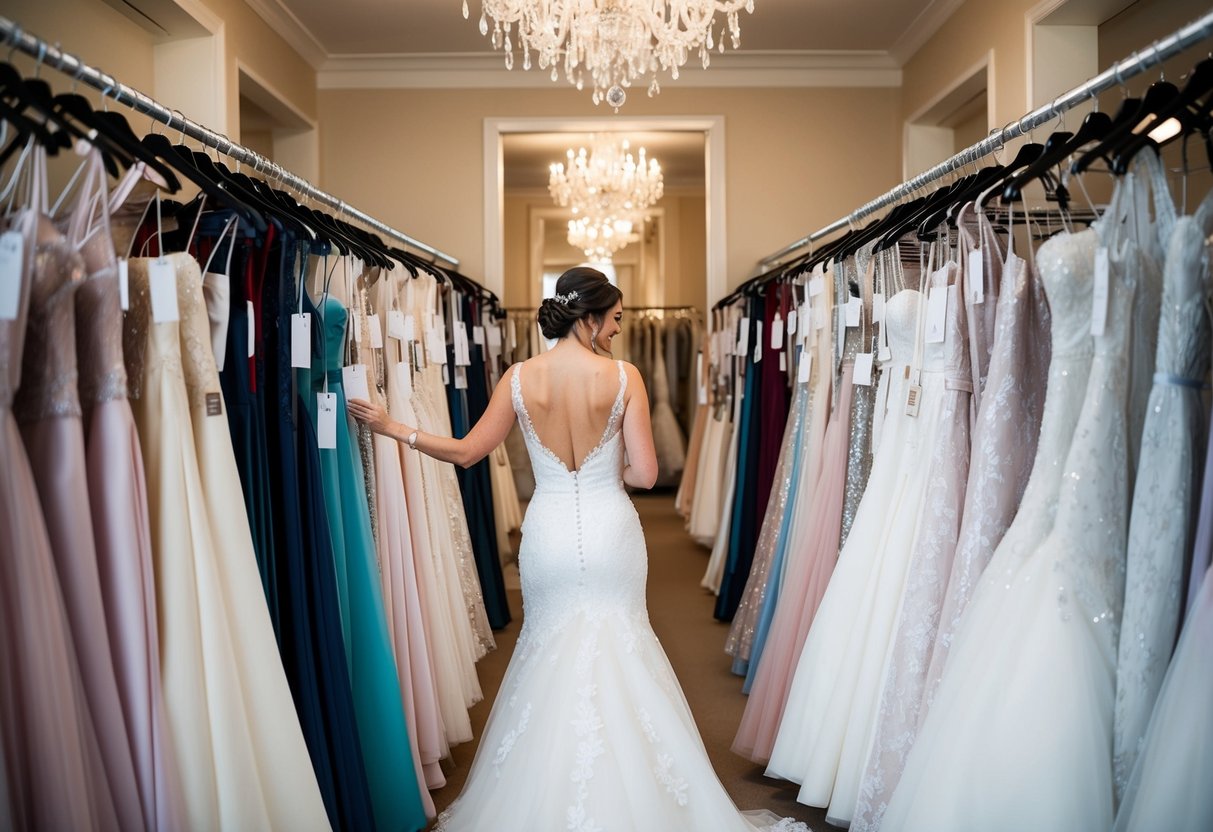
Finding the right wedding dress is an exciting journey. You have several options to explore, from bridal salons to special sales, ensuring you discover a dress that fits your style and budget.
Exploring Bridal Salons and Boutiques
Visiting bridal salons and boutiques is a great first step. These places offer a wide selection of styles, from classic to modern dresses. You can also find high-quality fabrics and detailed designs.
When choosing a bridal salon, consider their reputation and customer service. Reading reviews and asking friends for recommendations can help you pick the right one.
Don’t forget to schedule appointments to try on various dresses.
Many salons have knowledgeable staff who can assist you in finding an affordable wedding dress that matches your vision. If you don’t find your dream dress right away, keep an open mind. Sometimes the perfect gown isn’t what you initially imagined.
Navigating Sample Sales and Discounts
Sample sales are a smart way to save money on your wedding dress. These events often feature discounted gowns that have been tried on but never worn for a wedding. Prices can be significantly lower, making it easier to find a stunning dress within your budget.
To take advantage of these sales, stay connected with local bridal boutiques. Many will announce upcoming sample sales through email or social media.
Be ready to shop early, as popular styles go quickly.
Additionally, look for seasonal sales and discounts. Some shops offer special pricing during certain times of the year. By doing your research, you can find great deals while still getting a beautiful dress for your special day.
The Wedding Dress Shopping Experience
Shopping for your wedding dress is an exciting time filled with choices and personal touches. This experience includes scheduling fittings and understanding the options for alterations and customizations, ensuring your dress fits perfectly for your big day.
Scheduling Your Dress Fitting
When you find the right dress, scheduling your dress fitting is the next important step. Most bridal shops will recommend starting fittings at least three months before your wedding date. This gives enough time for any adjustments needed.
During your fitting, you will try on the dress, and the tailor will take your measurements.
It’s a good idea to bring along your wedding shoes and any undergarments you plan to wear. This ensures a more accurate fit.
You might typically have two to three fittings to get everything just right.
Understanding Alterations and Customizations
Alterations are crucial to make sure your wedding dress fits you perfectly. Common changes include hem adjustments, taking in or letting out the sides, and altering the bust line. Each bride is unique, and these adjustments ensure your dress flatters your figure.
You can also consider customizations like adding sleeves, altering the neckline, or incorporating different fabrics.
Discuss any ideas or inspirations with your tailor. They can help you decide what is feasible and stylish. Just remember to ask about costs, as they can vary based on the complexity of the work.
Final Considerations Before the Big Day
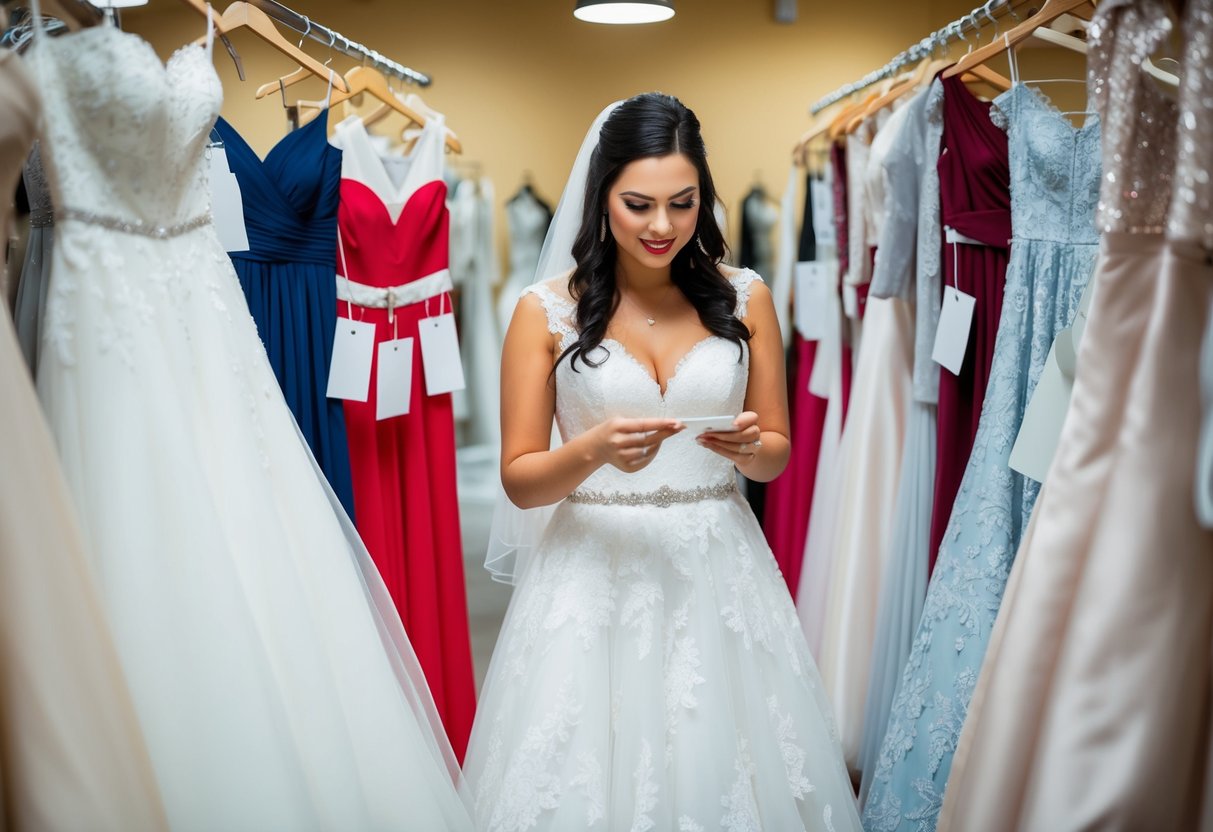
As you prepare for your wedding, it’s essential to think ahead about potential dress changes and how you will coordinate your look for the big day. These final considerations can help ensure a smooth experience.
Planning for Dress Changes and Emergencies
Having a solid plan for dress changes can ease a lot of stress. First, think about your ceremony and reception attire. If you plan to change dresses, have a clear timeline for when and where this will happen.
Create a simple checklist to keep track of all necessary items. Don’t forget essentials like your wedding shoes, undergarments, and any accessories you’ll need.
Also consider emergencies. Pack a small kit with safety pins, a sewing kit, or double-sided tape to fix any unexpected issues. This will help you handle surprises calmly and keep your focus on enjoying the day.
Coordinating Wedding Day Looks
On your wedding day, you want to feel comfortable and confident in your attire. Talk to your stylist or bridal party to coordinate the overall look. This makes sure everyone vibes well together.
Think about your makeup and hair too. Try to match your personal style with your dress.
Schedule a final dress fitting. Also, schedule hair and makeup trials close to the wedding date. This way, you can see the full look together.
To ensure you’re ready, have a plan for the dress during the ceremony. Make sure it is easy to move around in, especially if there is a lot of dancing planned.
Enjoy this special time; it’s about celebrating you!