
How Much Do Most Parents Pay for a Wedding? Understanding the Financial Contribution for Their Children’s Big Day
When planning a wedding, many couples wonder about the financial roles of their families. On average, parents contribute about 35-40% of the total wedding costs. This can vary based on cultural and family traditions. Understanding these contributions can help you set a realistic budget and make informed decisions during the planning process.
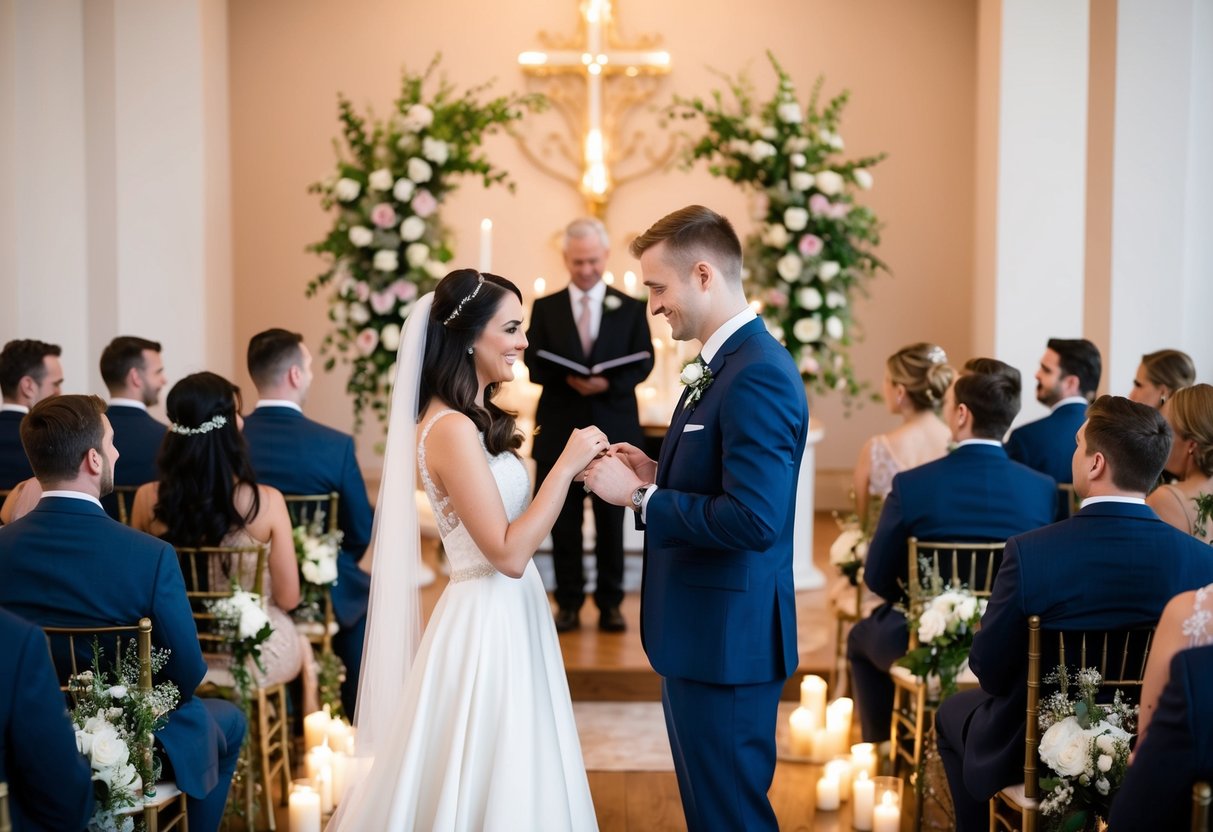
Each family has its own way of handling wedding expenses, shaped by cultural and family traditions. In some cultures, the bride’s family may cover more costs, while others might see a more equal split. You’ll want to have open discussions with your parents and your partner’s family to determine who pays for what, ensuring everyone is on the same page.
As you navigate wedding planning, consider your family’s financial situation and how it influences their ability to contribute. Knowing the average costs can help guide these conversations and keep your planning stress-free, allowing you to focus on celebrating this special milestone.
Understanding Wedding Expenses
Planning a wedding involves managing several costs that can quickly add up. Knowing the common wedding expenses, how to allocate your budget, and when to hire a wedding planner can help you manage your finances better.
Common Wedding Costs
Every wedding has its own unique costs. Some of the main expenses include:
-
Venue: This is often the largest cost. The average cost of a wedding venue can range from $3,000 to $12,000.
-
Catering: Food and beverage can take up around 30% of your budget, often costing $70 to $100 per guest.
-
Floral Arrangements: Beautiful flowers can enhance your wedding’s aesthetic, averaging around $1,500.
-
Photography: Capturing your special day is essential. Expect to spend between $2,000 and $4,000.
These are just a few examples. Understanding these costs helps you prepare for expenses that might arise.
Allocating the Wedding Budget
Setting a wedding budget can seem daunting, but breaking it down makes it easier. Start by determining the overall budget. Then, allocate percentages to different categories.
A typical breakdown might look like this:
- Venue and Catering: 50%
- Photography/Videography: 10%
- Flowers and Decorations: 10%
- Attire: 10%
- Music and Entertainment: 10%
- Miscellaneous Costs: 10%
By keeping track of each category, you can adjust as needed. This way, you ensure that no area is neglected and that you stay within your means.
The Role of Wedding Planner
Hiring a wedding planner can alleviate stress and help manage your wedding budget. A planner can provide valuable insights into costs and help you find the best deals. They often have connections with vendors, allowing you to save money.
A planner typically charges a percentage of your total wedding budget or a flat fee. The investment can pay off by reducing costs in other areas. They help ensure everything runs smoothly on your big day, allowing you to enjoy the celebration.
Deciding Who Pays

When planning a wedding, figuring out who pays can feel overwhelming. Open communication is key here. Understanding everyone’s financial contributions can make this process smoother.
Discussing Financial Contributions
Start by having an honest conversation with your parents about finances. Clear discussions create a solid foundation. Ask about their willingness to help and what specific costs they might cover.
You might find that some parents are ready to support you financially, while others may prefer to split the costs. It’s essential to outline which expenses are most significant, such as the venue, catering, or attire. This way, everyone knows where they stand.
Modern versus Traditional Approaches
Traditionally, the bride’s family has covered most wedding costs. However, this trend has shifted. Many couples today take on more financial responsibility themselves.
Often, parents contribute to a smaller portion of the budget. According to recent studies, parents typically pay around 44% of the total costs, while couples cover about 43%. It’s important to approach these changes with understanding and recognize what feels right for your situation.
Parents’ Financial Responsibilities
Different families have different traditions. Generally, the bride’s family handles more costs, but the groom’s family can also contribute significantly.
For instance, it is common for the groom’s family to pay for the rehearsal dinner or the alcohol at the reception. By discussing these roles, you can decide how to divide costs among family members.
Involving both sets of parents in discussions helps everyone feel included. This approach allows for smoother collaboration and ensures that no one feels left out.
Planning for Special Events

When planning special events before the wedding, consider how each gathering can bring families together. Each event has its traditions and costs that are important to remember as you organize.
Engagement Party Considerations
An engagement party is a wonderful way to celebrate your commitment. It usually happens shortly after the proposal and can set the tone for future events.
Consider who you want to invite—friends, family, or both. This party can be hosted at home or a local venue. The host may provide food and drinks, but you can also suggest potluck styles to share costs.
Remember, the engagement party is more about celebrating love than about formal wedding traditions. Keep it simple and enjoyable for everyone involved.
Bridal Shower Planning
Bridal showers are a fun way to honor the bride and shower her with gifts. Typically, the maid of honor organizes this event, but it helps to lend a hand.
You can plan fun games, themes, and decorations that reflect the bride’s personality. For catering, consider finger foods or a brunch-style menu for easy serving.
Guest lists often include close friends and family. Make sure to send invitations in advance. This allows everyone to celebrate together and brings all the important people closer before the big day.
Rehearsal Dinner Details
The rehearsal dinner happens the night before the wedding, and it’s a great chance for both families to connect. Traditionally, the groom’s parents cover the costs, but discussing this early can help avoid confusion.
Decide on a venue that can accommodate your guests comfortably. Options vary from a casual restaurant to a more elegant sit-down dinner.
Make sure to include meaningful touches, like sharing stories from the wedding planning process or recognizing special guests. This dinner sets a friendly tone for the wedding, making everyone feel welcome and prepared for the big day ahead.
Additional Financial Considerations

When planning a wedding, it’s important to look beyond the major expenses. You’ll want to think about gifts, attire, and transportation. These factors can add up quickly, so understanding them can help you budget wisely.
Gifting and Etiquette
Wedding gifts can be a thoughtful way for guests to show their support. If you’re expecting gifts, consider creating a registry with your favorite items. This makes it easier for guests to choose something you really want.
It’s also polite to express your gratitude with thank-you notes. Remember, gifts can vary in amount. Guests may spend anywhere from $50 to $200, depending on their relationship with you. A simple day-to-day budgeting strategy can help you keep track of what you receive and what you need to thank guests for.
Wedding Attire Expenses
Wedding attire is often a significant part of your budget. A bridesmaid dress can cost between $100 and $200, while wedding gowns can range from $1,000 to $5,000 or more. It’s a good idea to look for sales or consider renting dresses to cut costs.
Don’t forget about accessories like shoes, jewelry, and undergarments. These can add another few hundred dollars to your total. You should also budget for the groom’s tuxedo rental, which typically costs around $150 to $300. Setting clear limits on what you’re willing to spend helps manage expectations and prevents overspending.
Transportation and Logistics
Transportation is another key aspect to consider. Limousines or shuttle services can range from $500 to $1,500, depending on the miles traveled and the duration of the rental.
Think about how many trips you need to coordinate for the wedding party and guests.
If you have a large guest list, you may want to provide group transportation to ensure everyone arrives on time. You can save money by opting for a single vehicle, like a shuttle bus, rather than individual rides.
Planning these details early keeps stress levels down as your big day approaches.