
How Much Do Most People Spend on a Wedding Cake? Understanding Average Costs and Tips
Planning your wedding involves many exciting choices, and one of the sweetest decisions is picking a wedding cake. Most couples in the U.S. typically spend between $300 and $900 on their wedding cake, with an average cost around $600. This range gives you plenty of options, whether you’re looking for a simple dessert or an elaborate design.
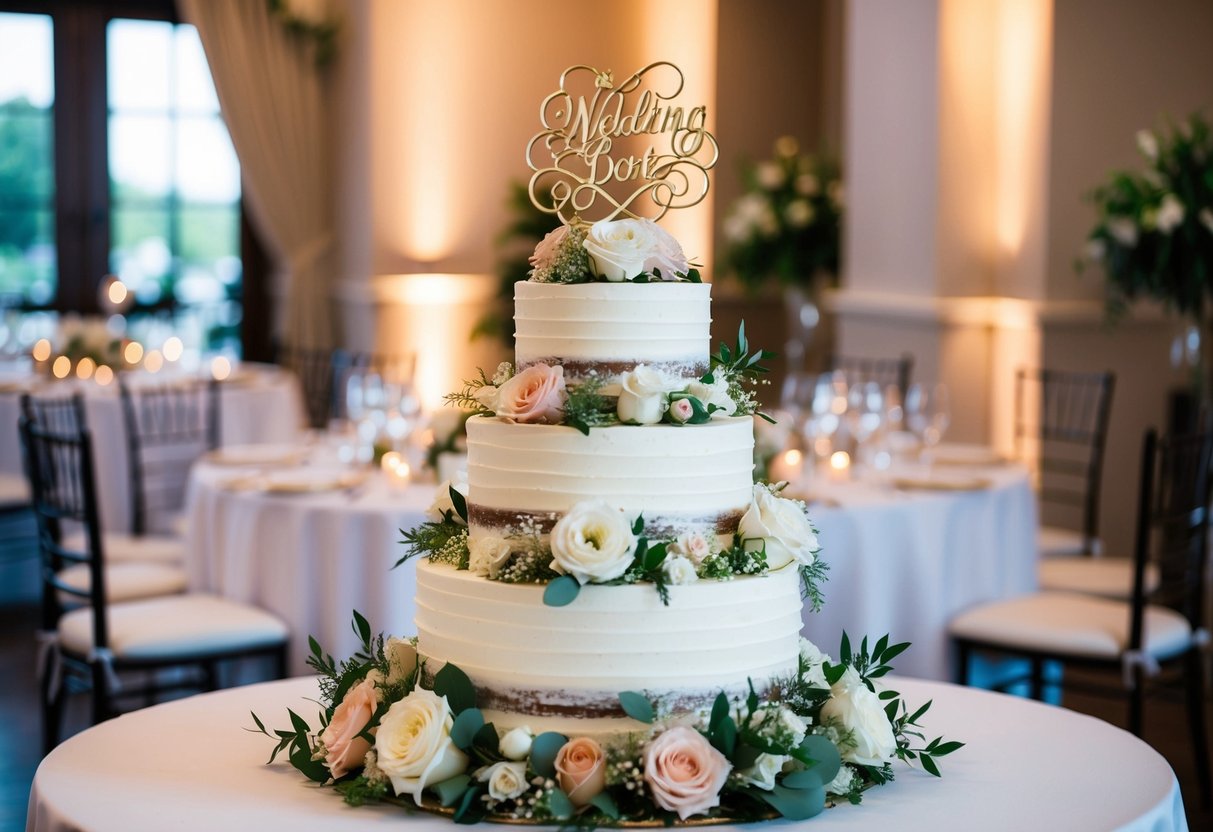
The final price of your wedding cake can vary based on several factors. These include the size, the ingredients you choose, and where you live.
For instance, in larger cities, costs can rise significantly, and some couples go all out with custom designs that can reach well over $1,000.
Understanding these costs is key as you plan for your big day. With this knowledge, you can find the perfect cake that fits within your budget while still being a centerpiece of your celebration.
Understanding Wedding Cake Costs
When planning your wedding, knowing how much to budget for a cake can help you make informed decisions. Several factors influence the price of wedding cakes, and understanding these can guide you in your selection process.
Factors Influencing Prices
Several elements affect the cost of your wedding cake. One major factor is the number of tiers. More tiers usually mean a higher price due to added ingredients and labor.
The design also plays a significant role. Intricate decorations and custom themes often require skilled bakers, increasing costs.
The choice of ingredients matters too. Premium ingredients, like organic or specialty flavors, can drive up the price.
Lastly, your location impacts cost. Cakes in larger cities tend to be pricier than those in smaller towns due to demand and overhead expenses.
Average Wedding Cake Pricing
As of 2025, the average wedding cake price in the U.S. is around $600. This average includes various styles and serving sizes, giving you a broad estimate.
Typically, you can expect to pay about $3 to $8 per slice, depending on design and ingredients.
For a wedding of 100 guests, your cake could cost between $365 and $570, while for 150 guests, it might be around $525 to $840. These prices vary based on the complexity of the cake you desire.
Price Range Variations
Wedding cake prices can vary widely based on multiple factors. On the lower end, you might find simple cakes starting around $125. These often have basic designs and fewer tiers.
At the other end, high-end bespoke cakes can reach $2,000 or more, primarily in urban areas or specialized bakeries.
In most cases, you’ll find that most couples spend between $300 and $700 on their cakes. Understanding this range helps you decide what fits into your budget while still getting a delicious dessert for your big day.
Designing Your Dream Cake
Creating your perfect wedding cake involves careful thought about design, flavors, and customization options. Each choice you make will reflect your style and enhance your special day.
Selecting Cake Design and Size
When selecting your cake design, think about the theme of your wedding. Consider styles like classic, modern, or rustic, and how they align with your decorations. Popular options include multi-tiered cakes, which add height and elegance.
For size, determine how many guests you’ll invite. A common guideline is that a standard tier serves about 25 to 30 people. Here’s a quick reference:
- 1-tier: 8-10 servings
- 2-tier: 25-30 servings
- 3-tier: 75-100 servings
Choose a design that matches your guest count, ensuring everyone enjoys a slice!
Ingredients and Flavor Choices
The ingredients you choose drastically affect both taste and price.
Basic flavors like vanilla and chocolate are often more affordable, ranging from $1.50 to $4.50 per slice. If you’d like something unique, consider specialty flavors like lemon or red velvet.
Frosting options also impact flavor and texture. Classic buttercream is a favorite, while fondant offers a sleek finish.
Don’t forget to personalize your cake with fillings, such as fruit preserves or chocolate ganache, adding to the deliciousness!
The Role of Customization
Customization allows you to turn your vision into reality. You can personalize the design with decorations that represent you both as a couple.
Whether you want floral accents, intricate patterns, or a specific color palette, working with a baker can help bring ideas to life.
Custom cakes may take more time and money, but they provide a unique touch. Talk to your baker about options to create a cake that truly reflects your personality and theme. A well-designed cake not only tastes great but also serves as a stunning centerpiece at your reception.
Logistics and Additional Costs
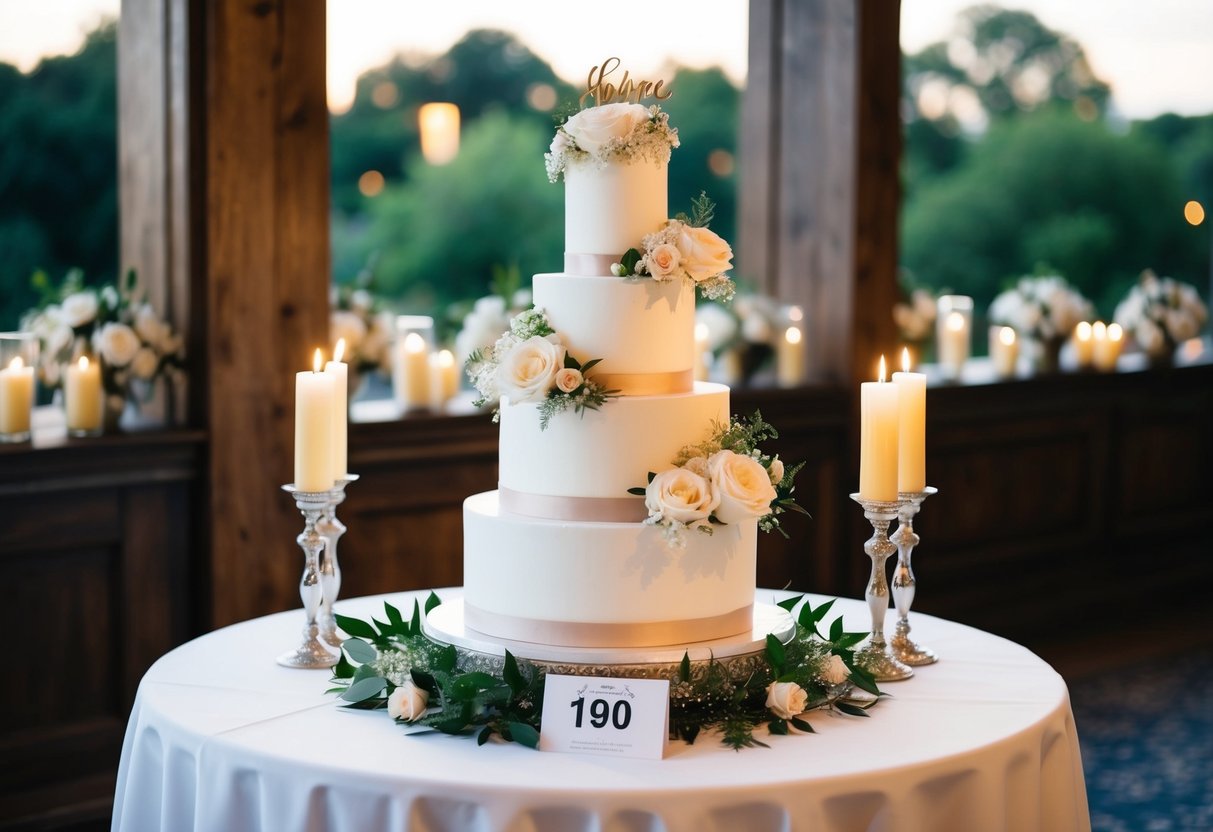
When planning for your wedding cake, consider the logistics and extra expenses that may come up. It’s important to know about delivery, cake tastings, and any additional fees to better manage your budget.
Delivery and Setup Details
Delivery is a key part of receiving your wedding cake. Most bakeries offer this service, but the cost can vary depending on distance and complexity.
For local deliveries, prices might range from $50 to $100, while more distant locations could cost more.
Setup is another factor to keep in mind. Your cake might need to be assembled or decorated on-site, which could add an extra fee.
It’s wise to discuss these details with your baker to understand what is included in the delivery charge. Always clarify if the setup is part of the delivery fee or if it costs extra.
Cake Tasting Sessions
Cake tasting sessions are a fun way to find the perfect flavor for your big day. Many bakeries allow couples to sample different cake flavors, typically at a cost ranging from $25 to $100.
Keep in mind that some bakers might waive this fee if you place an order.
During these tastings, ask for any additional options like fillings or frostings that may affect the final price.
Remember, this is a great opportunity to align your preferences with the baker’s specialties.
Extra Fees and Charges
Be aware of extra fees that might pop up.
Common charges include cake cutting fees, which some venues impose. This fee can vary but typically falls between $1 and $5 per slice.
Also consider customization costs. If you want unique designs or gourmet ingredients, these choices can significantly affect the total cost.
Be upfront about your budget and preferences when discussing with your baker to avoid surprises later.
Presentation and Serving
When planning your wedding cake, the way it looks and how it’s served are key factors. A beautiful presentation can elevate your celebration, while smart portioning ensures all your guests get a taste of that delicious cake. Here’s what to consider.
Display Cake Versus Real Cake
Many couples choose to have a display cake that looks stunning but may not be entirely edible. This cake often features intricate designs with wedding cake frosting, like buttercream or fondant, that makes it a real showstopper.
You can have a smaller, more straightforward cake for actual serving. This lets you save costs while still impressing guests with the display. A great approach is a two-tier cake: the top tier for display and the bottom tier for serving.
Dessert Tables and Alternatives
Dessert tables are a popular option to complement your wedding cake. They offer variety and cater to different tastes, which can be great for you and your guests.
Consider including mini desserts like cupcakes, macarons, or pie slices alongside your cake. This allows guests to choose their favorites.
Smaller servings on dessert tables mean you can provide a delightful array without overwhelming your budget.
Portioning for Guests
Planning how much cake to serve is crucial. A general rule is to plan for one piece per guest. If you’re serving smaller servings, you might want to cut each piece into fun shapes or offer bite-sized portions.
This strategy not only keeps things manageable but also allows guests to sample other desserts. Always consider dietary needs too, like gluten-free options. It’s thoughtful, and your guests will appreciate it!