
How Much Do You Charge as a DJ? Understanding DJ Pricing for Your Event
As a DJ, you may find it tricky to figure out how much to charge. DJs, on average, charge between $75 to $200 per hour for parties. Meanwhile, wedding rates typically start at $150 and go up to $300 or more. Factors such as your experience, the type of event, and any extra services you provide will also affect your pricing.
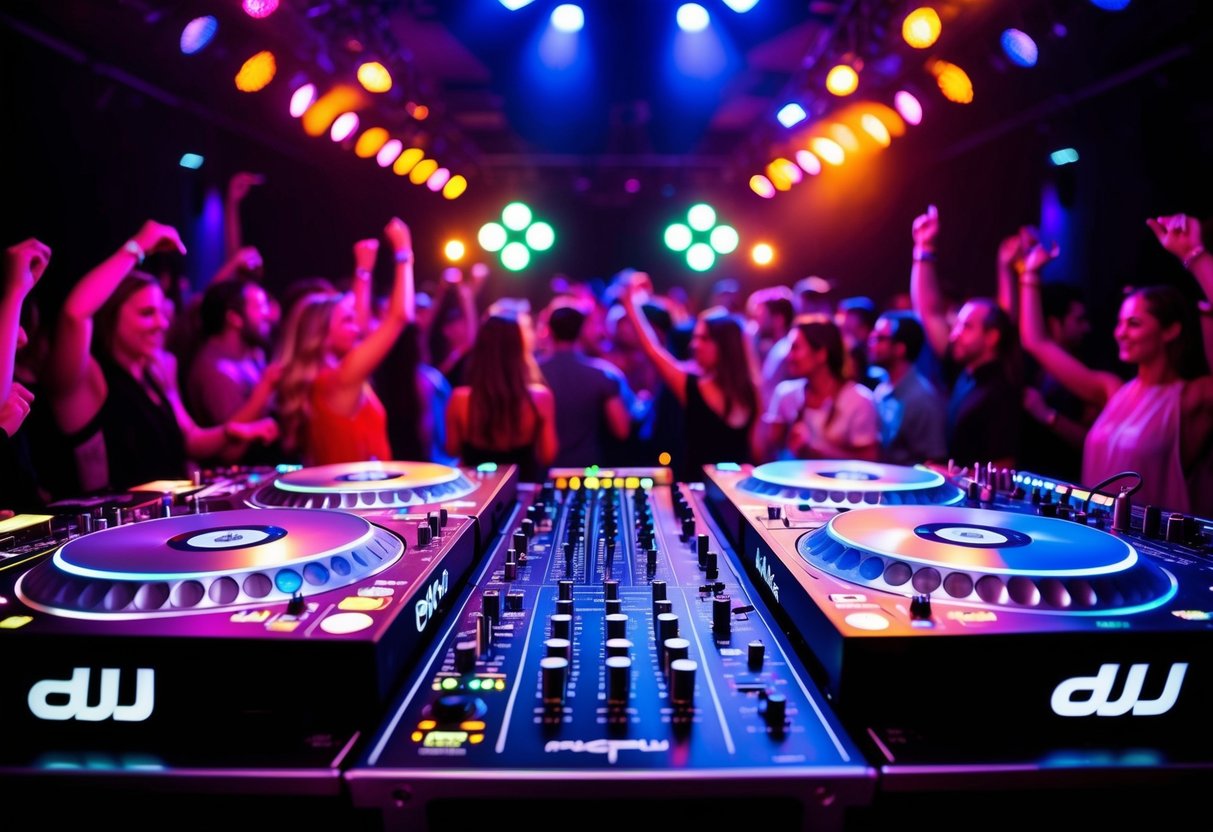
When you’re just starting out, it’s important to balance competitive rates with the quality of your service. Think about what unique offerings you bring to the table, whether it’s a special music selection or top-notch equipment. This can help you justify your rates and draw in clients looking for something special.
Maintaining flexibility in your pricing can also help. Some DJs lower rates for longer events or offer packages that include additional services like lighting or MC duties. Finding the right pricing strategy will set you up for success in the competitive world of DJing.
Understanding DJ Services
When you hire a DJ, it’s important to know what services they offer. This can vary based on the type of event and your specific needs. Understanding these differences helps you make the best choice for your celebration.
Types of Events
DJs cater to a wide range of events. Common types include:
- Weddings: A wedding DJ not only plays music but can also serve as an MC, guiding the event.
- Parties: These can be birthday parties, anniversary celebrations, or school events. The music often varies depending on the age group and theme.
- Corporate Events: This includes company parties or product launches, where the atmosphere is more sophisticated.
Each event type will have unique requirements. For example, a wedding may need special playlists and formal announcements, while a corporate event might focus on subtle background music. Knowing the style of your event can help in choosing the right DJ.
What Do DJ Services Include?
DJ services encompass various elements that impact your event’s success. Here are some common features you might expect:
- Sound Systems: A quality sound system ensures everyone can hear the music clearly. DJs often provide this equipment.
- Light Shows: Many DJs offer light shows to enhance the atmosphere. These can range from simple lights to elaborate displays.
- Music Preferences: Good DJs will discuss your music tastes ahead of time. They’ll ensure the playlist matches the vibe you want.
- Video Projections: Some DJs also provide video projections, which can add a fun visual element to your event.
Understanding these services allows you to tailor the DJ experience to fit your celebration perfectly.
Factors Affecting DJ Charges
When setting your rates as a DJ, several important aspects come into play. These factors can help you determine how much to charge while ensuring you present a fair price to your clients.
Experience and Expertise
Your level of experience as a DJ plays a significant role in your pricing. Experienced DJs typically charge more than beginners due to their skills and confidence. Your ability to read a crowd and mix songs seamlessly can make a big difference.
Clients often look for DJs with a proven track record. If you have experience at various events like weddings or parties, you can set a higher rate. It’s also beneficial to have positive reviews or testimonials to boost your credibility.
Remember, building experience takes time, so don’t rush it. Start with competitive pricing and gradually increase your rates as you gain expertise and a solid reputation.
Equipment and Setup
The type of DJ equipment you use can also impact your pricing. High-quality gear often leads to better sound and overall performance. If you invest in professional DJ equipment, you’re likely to charge more for your services.
Consider the costs involved in maintaining your gear. If you have to travel with heavy equipment or set up complex systems, this can influence your rate. Some clients may expect you to provide everything, while others may offer to supply their own sound systems.
Being transparent about what you bring can help avoid misunderstandings and ensure you get fairly compensated for your setup.
Duration and Timing of the Event
The length and timing of the event are crucial when deciding how much to charge. Generally, longer events require higher fees because they take more time and energy.
Typically, you’ll have rates for different time slots. For instance, weekends or evenings may cost more than weekday gigs. Late-night events might also come with added charges due to the demand for your services during those times.
Be clear about how you structure your rates, especially for extended hours. Clients will appreciate knowing what to expect upfront. This clarity can help build trust and make negotiations smoother.
Determining Your DJ Rates
Setting your rates as a DJ can feel challenging, especially when you’re just starting out. Knowing how to price yourself based on your skills and the local market is key. Here’s what you need to consider.
Starting Your DJ Career
When you’re beginning your DJ career, it’s crucial to set reasonable rates to attract your first gigs. You might consider charging around $50 to $100 per hour for small events. This can help you gain experience and build your reputation.
Make sure to factor in costs like equipment rental and travel. As you grow and gain more skills, you can increase your rates. Also, don’t hesitate to ask other local DJs how much they charge. This can give you a clearer picture of where you stand.
Setting Competitive Rates in the Local Market
Understanding your local market is vital for pricing your services effectively. Research what other local DJs charge for similar events. You might find that rates range from $100 to $300 per hour, depending on the event size and your experience level.
Create a list of services you offer and their associated prices. For example, adding lighting and special effects can justify higher rates. Consider also offering package deals to appeal to different clients.
Stay flexible and adjust your rates based on feedback and demand. This strategy can help you become the go-to DJ for events in your area.
Industry Rates and Comparisons
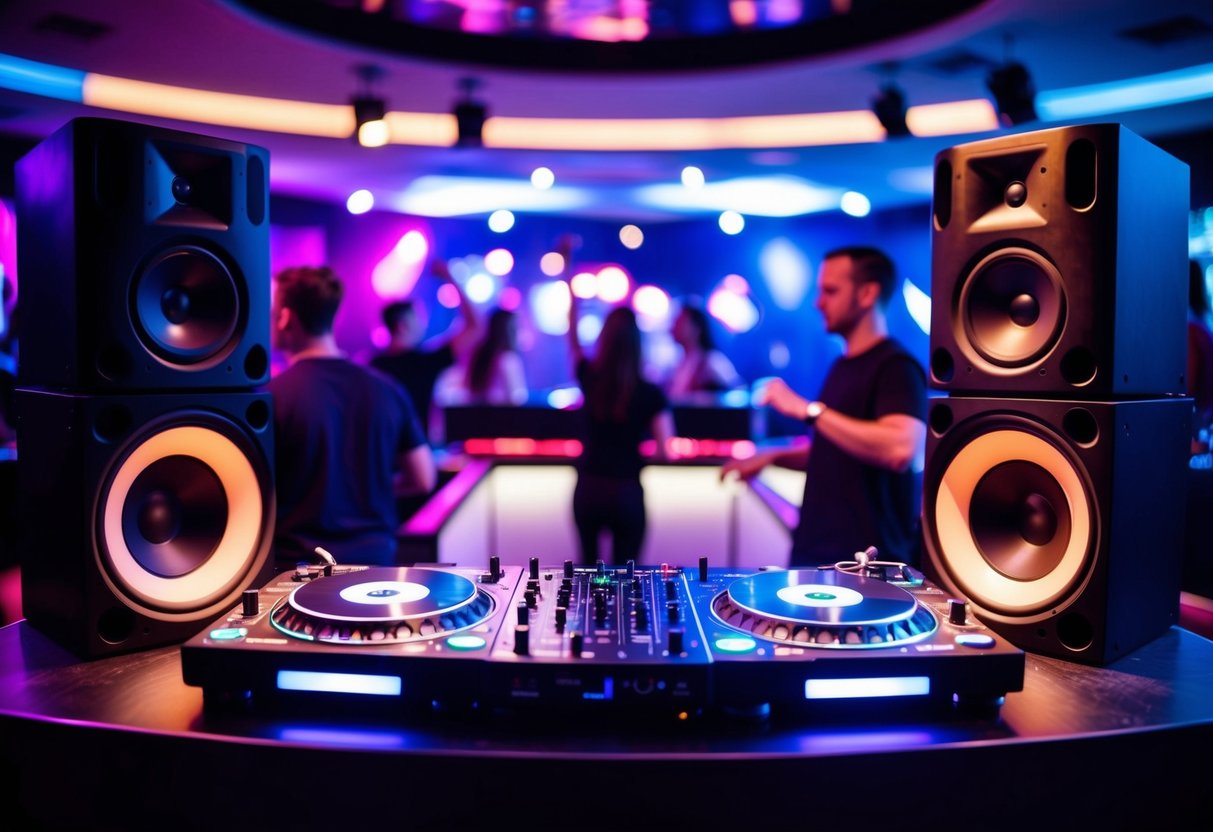
Understanding DJ rates is essential for setting your pricing and knowing what to expect. Rates can vary based on the event type and other factors. Below, you will find more information about how these rates are structured.
How Rates Vary by Event Type
DJ costs often depend on the type of event you are booking. For example, private parties usually have lower rates than corporate events or weddings.
Typical price ranges for different events:
- Private Parties: $300 – $800
- Corporate Events: $800 – $2,000
- Nightclubs: $200 – $1,000 (depending on the venue)
Other factors can influence these rates, such as location, duration, or specific requirements like additional equipment. You should also consider the expected audience size. If you are performing for over 200 guests, you may need to adjust your pricing for better equipment.
Average Costs for Wedding DJs
Wedding DJs might charge a bit more for weddings than for other events. Many couples are willing to invest more for a memorable experience on their special day.
Average wedding DJ costs range from:
- Small Weddings: $500 – $1,000
- Medium Weddings: $1,000 – $2,500
- Large Weddings: $2,500 and up
Keep in mind that prices can fluctuate based on your market. Weddings may also need more preparation, like song selections and timeline coordination. These factors often justify the higher rates. It’s crucial to clarify your services and any additional fees upfront.