
How Much Does a Basic Wedding Cost UK? A Quick Guide to Budgeting Your Special Day
Planning a wedding can feel overwhelming, especially when you start to think about the costs involved. If you’re wondering how much a basic wedding costs in the UK, you’re not alone. The average cost of a wedding in the UK for 2024 is approximately £20,700. This figure varies widely depending on factors like location, guest count, and individual choices.
In recent years, the cost of weddings has risen significantly, partly due to the ongoing cost of living crisis. Even basic weddings can require careful budgeting and planning. Understanding the average expenses can help you make informed decisions and keep your wedding on track financially.
When you plan your wedding, you should establish a budget that works for you. Taking the time to research average costs from sources like the UK wedding report can provide valuable insights. This knowledge will allow you to create a memorable day without unnecessary financial stress.
Understanding Wedding Costs in the UK
Planning a wedding involves many expenses. Knowing what to expect can help you budget effectively. Here, we’ll break down average costs and discuss factors influencing your spending.
Average Cost Breakdown
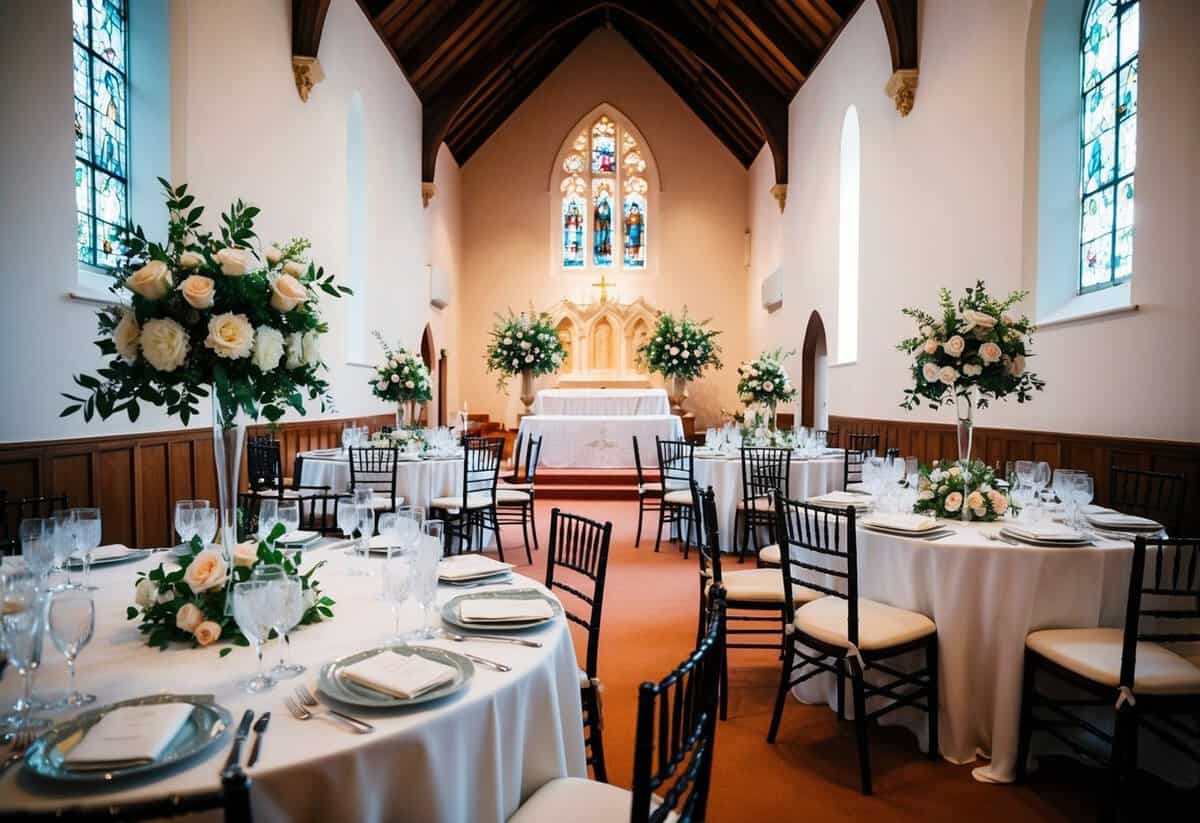
The average cost of a wedding in the UK is around £20,700. This amount can change based on various factors such as location and time of year. A key area where couples tend to spend is on the venue, which averages about £9,877 when catering is included.
Here’s a brief breakdown of typical costs:
- Venue: £9,877
- Catering: £80 per guest
- Photography: £1,500
- Flowers: £1,000
- Dress and Attire: £1,500
You might also encounter hidden costs, such as service fees, which can add up quickly. These are essential to factor into your wedding budget breakdown.
Factors Influencing Wedding Spend
Several factors can affect your wedding costs. One main aspect is location. For example, weddings in London often come with higher prices compared to other regions.
Another factor is the day of the week you choose. Saturdays are typically more expensive than weekdays. The month also matters; summer weddings can carry higher prices due to demand.
Lastly, your guest count significantly influences the overall budget. More guests mean more catering and seating costs. Using a personalized wedding budget planner can help you organize these expenses and identify areas to save.
Major Wedding Elements and Expenses
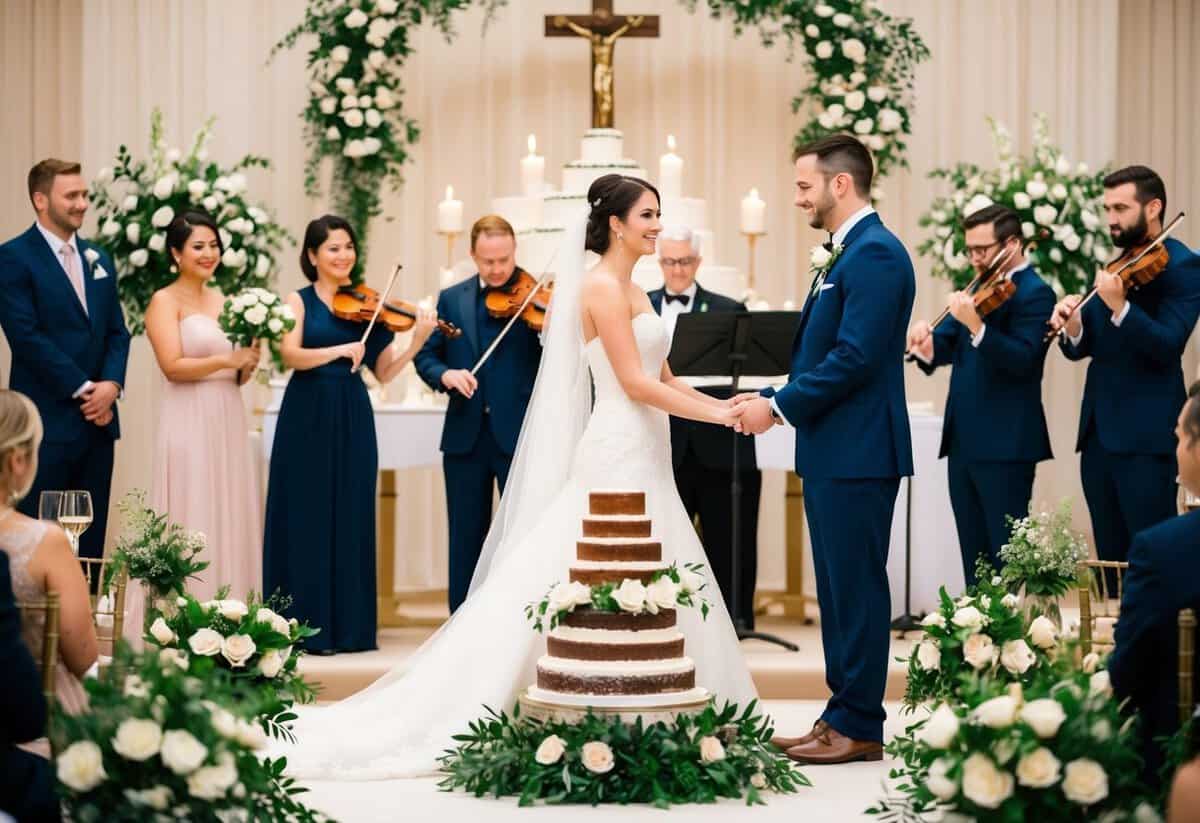
When planning a wedding, key elements and their costs can significantly impact your budget. Understanding these expenses helps you make informed decisions.
Venue and Catering
Choosing the right venue is crucial for your wedding. The average cost of a wedding venue in the UK can range from £3,000 to £6,000, depending on location and amenities. Popular venues like hotels may cost more due to their services.
Catering is another major expense. You’ll want to budget for a meal, drinks, and possibly a buffet. The average catering cost per person is around £50 to £100. Couples often spend about £4,000 to £5,000 on catering. Don’t forget to consider hiring a bar service for drinks!
Attire and Beauty
Your wedding attire is a key part of the celebration. The average cost of a wedding dress in the UK is about £1,500, though prices can vary widely. This includes accessories like veils and shoes. Finding a wedding dress that fits your style and budget is essential.
Beauty services, including hair and make-up, can add another £300 to £600 to your budget. You might also want to consider hiring professionals for your bridal party, which can increase costs.
Photography and Videography
Capturing your special day is important. The photography cost in the UK typically ranges from £1,000 to £2,500. This often includes a pre-wedding consultation, full-day coverage, and a selection of prints or digital files.
If you want to include videography, expect to pay an additional £800 to £1,500. Many couples appreciate having a video to relive those precious moments. It’s wise to book your photographer and videographer early, as they can get booked quickly, especially during peak wedding seasons.
Additional Wedding Services
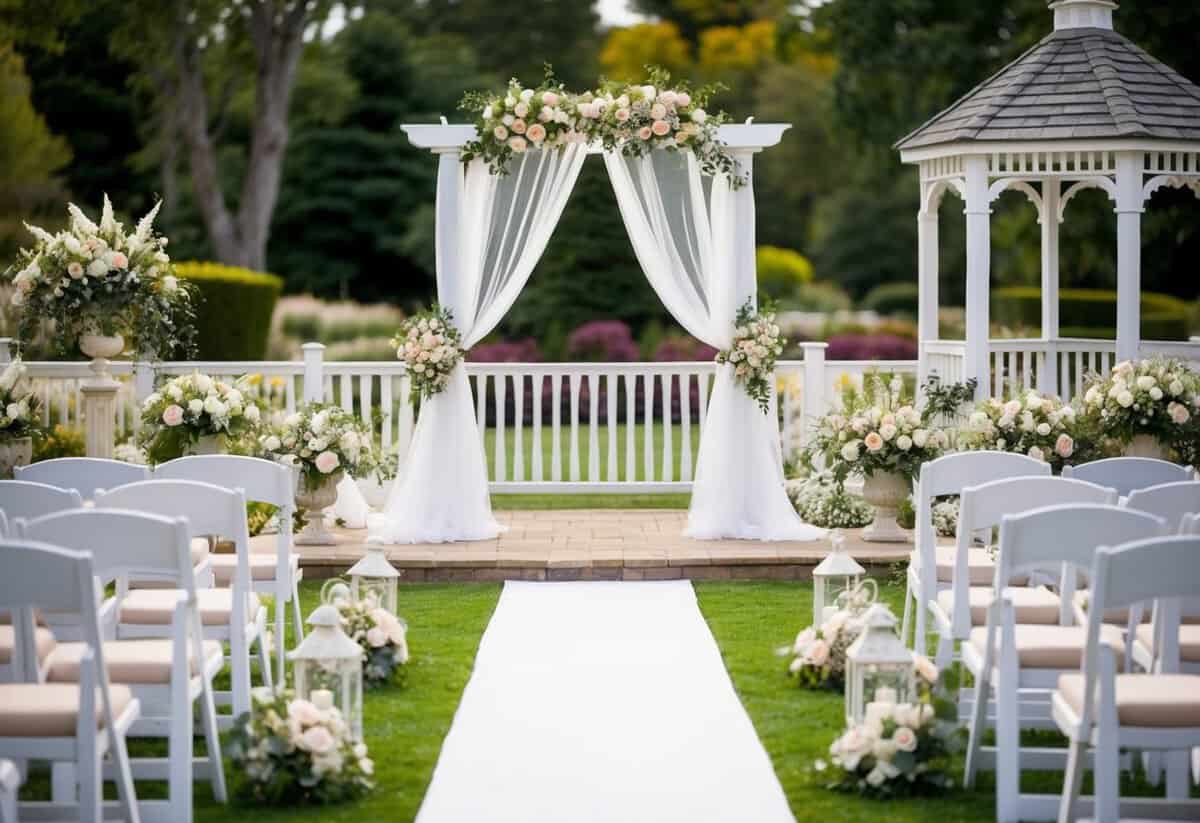
When planning a wedding, extra services can enhance your special day. These aspects include entertainment and decor, as well as stationery and favours. Understanding these costs will help you budget effectively.
Entertainment and Decor
Choosing the right entertainment is key to keeping your guests engaged. You might hire a DJ, band, or even specific performers. Expect to spend anywhere from £500 to £1,500 for a DJ, while live bands can cost between £1,000 and £3,000.
Decor plays an important role in setting the wedding atmosphere. This can include flowers, centerpieces, and lighting. Renting decorations might range from £300 to £1,200, depending on what you choose. Hiring a wedding planner can also help coordinate these elements efficiently, ensuring everything looks beautiful and runs smoothly.
Stationery and Favours
Wedding stationery includes invitations, menus, and place cards. Custom stationery can vary widely in price. You might spend between £200 and £600 for invitations, depending on the design and quantity.
Favours are fun little gifts you give to your guests as a thank-you for attending. Common options include personalized items or treats. Expect costs to range from £1 to £5 per favour, depending on what you select. Overall, budgeting for these extras can add up, but they can leave a lasting impression on your guests.
Saving on Your UK Wedding
Planning a wedding on a budget can be challenging, but there are effective ways to save money without sacrificing your dream day. Focusing on budgeting, timing, and DIY options can help you keep costs down and enjoy the planning process.
Budgeting and Timing
Creating a realistic wedding budget is essential. Start by listing all potential expenses, such as venue, catering, and photography. Keep in mind that the average supplier costs can quickly add up. Consider allocating your budget by priority—what matters most to you and your partner.
Timing plays a crucial role in costs. Weddings held during weekdays or off-peak seasons often come with lower venue and supplier prices. The cheapest months to get married usually fall in January or November. Choosing a less popular time can provide significant savings.
Off-Peak and DIY Options
Choosing to have an off-peak wedding can drastically reduce costs. Venues are often more affordable during quieter months, and many suppliers offer discounts to attract clients during these times. You might consider a Saturday afternoon instead of evening for lower rates.
DIY options can also help you save money. Consider making your own invitations, centerpieces, or decorations. If you have friends or family skilled in photography or catering, ask if they would be willing to help out. Combining creativity with cost-saving strategies ensures you celebrate your big day without overspending.