
How Much Does a Celebrant Cost in Scotland? Understanding Fees and Services
When planning your wedding in Scotland, one important detail to consider is the cost of hiring a celebrant. In Scotland, a wedding celebrant generally starts their fees at around £450 for a humanist ceremony. This price can vary based on factors like location and the celebrant’s experience, but knowing this number can help you budget better for your special day.
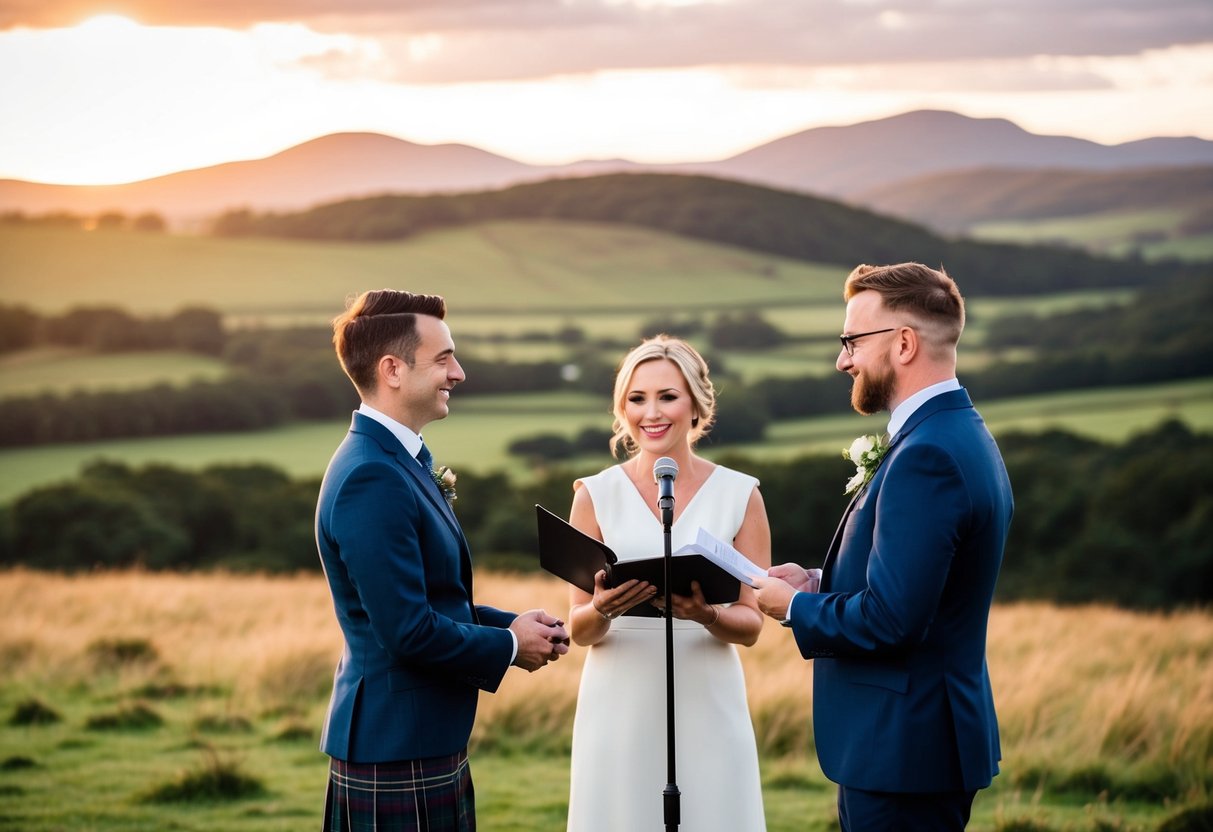
Choosing the right celebrant is key to creating a memorable wedding ceremony that reflects your unique love story. You’ll want someone who understands your vision and can help craft a meaningful experience. As you think about your wedding plans in Scotland, knowing what to expect in terms of costs will help you make informed decisions.
With so much to plan, understanding celebrant fees is a crucial step in ensuring your wedding goes smoothly. You want everything to be perfect, from the venue to the vows, and the right celebrant can help make that happen!
Types of Celebrants and Ceremonies in Scotland
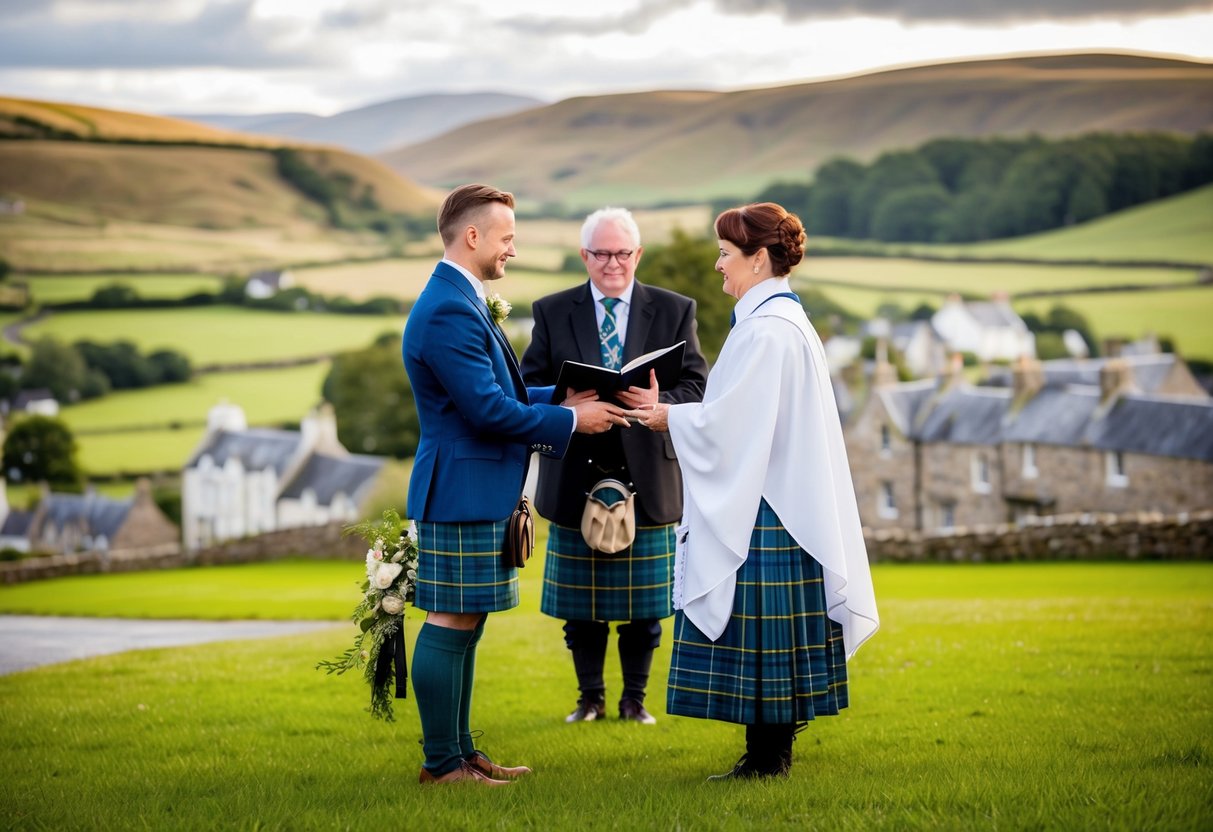
In Scotland, various celebrants can help you create a meaningful ceremony for your special day. Each type of celebrant offers unique services, so it’s important to know your options.
Humanist Celebrants
Humanist celebrants focus on creating personal ceremonies that reflect your values and beliefs. They do not include religious elements in their services. This makes them a great choice for couples looking for a non-religious ceremony.
You can customize your ceremony with personal vows, readings, and music. Many couples also choose to include symbolic acts like handfasting. This type of celebrant is recognized legally in Scotland, making them a popular option for weddings and vow renewals.
Humanist ceremonies can also cater to naming ceremonies, which allow you to celebrate the arrival of a new family member. Overall, humanist celebrants can help create a warm and welcoming atmosphere for your event.
Civil Celebrants
Civil celebrants in Scotland offer formal ceremonies that meet legal requirements. These ceremonies focus on civil partnerships and provide a structured format that includes essential elements.
A civil ceremony is usually short, lasting about 15 minutes. You can expect a simple yet elegant setting, often held at a council office or another approved venue. While the focus is primarily legal, you may still personalize the ceremony with readings or music.
This type of celebrant is ideal if you prefer a traditional structure without religious elements. Many couples find this option suitable for official events such as weddings and civil partnerships.
Interfaith Ministers
Interfaith ministers welcome couples from different faith backgrounds and beliefs. They design ceremonies that blend elements from various religions or cultures, making them highly customizable for unique needs.
You might incorporate prayers, readings, or traditions from both faiths into your ceremony. This approach creates a special atmosphere that honors each partner’s background. Interfaith ministers can also guide you through the legal aspects of your ceremony.
Their services are versatile, allowing you to celebrate your love regardless of your religious views. This flexibility makes interfaith ministers an appealing choice for diverse couples looking to honor their traditions.
Independent and Specialized Celebrants
Independent and specialized celebrants bring creativity and personal touch to your ceremony. They usually have unique backgrounds and can customize your event to match your vision.
These celebrants often create ceremonies that encompass various themes, including naming ceremonies, handfasting, or even vow renewals. You can choose the location, style, and content that truly reflects you and your partner.
Whether you want something informal or distinctive, these celebrants can craft a memorable experience. Their flexibility and creativity mean that your ceremony will be one-of-a-kind, making it a special day to remember.
Cost Factors for Celebrant Services
When planning your wedding, understanding the costs related to celebrant services is essential. Key factors include the celebrant fee structure, travel and administrative costs, and any additional elements you might want to include in your ceremony.
Celebrant Fee Structure
The primary cost you’ll encounter is the celebrant fee. This fee can vary based on the celebrant’s experience, location, and the type of ceremony you choose. For a basic ceremony, the cost typically starts around £450 for a humanist celebrant. For more personalized services, such as a bespoke ceremony, fees can rise to £550 or more.
Always check if the fee covers the entire process, including meetings and drafting your ceremony script. Some celebrants may also charge a deposit to reserve your date.
Travel and Administrative Costs
In addition to the celebrant fee, you may need to consider travel costs. If your venue is outside the celebrant’s usual area, expect to pay for mileage or travel expenses. These costs can add up, especially for distant locations.
Administrative fees can also apply. This fee often covers paperwork like your statutory fees or other legal forms required by local authorities. Make sure to ask about these added costs upfront to avoid surprises later.
Additional Ceremony Elements
If you want to enrich your ceremony, consider additional elements. Options like handfasting, unity sand ceremonies, or personalized vows can enhance your wedding experience. Each of these elements may come with extra costs, so inquire about pricing when discussing your plans.
Including such features can make your ceremony unique but remember to budget accordingly. It’s advisable to discuss these options during your initial meetings with the celebrant to align your vision with your budget.
Legal Considerations for Marriage Ceremonies
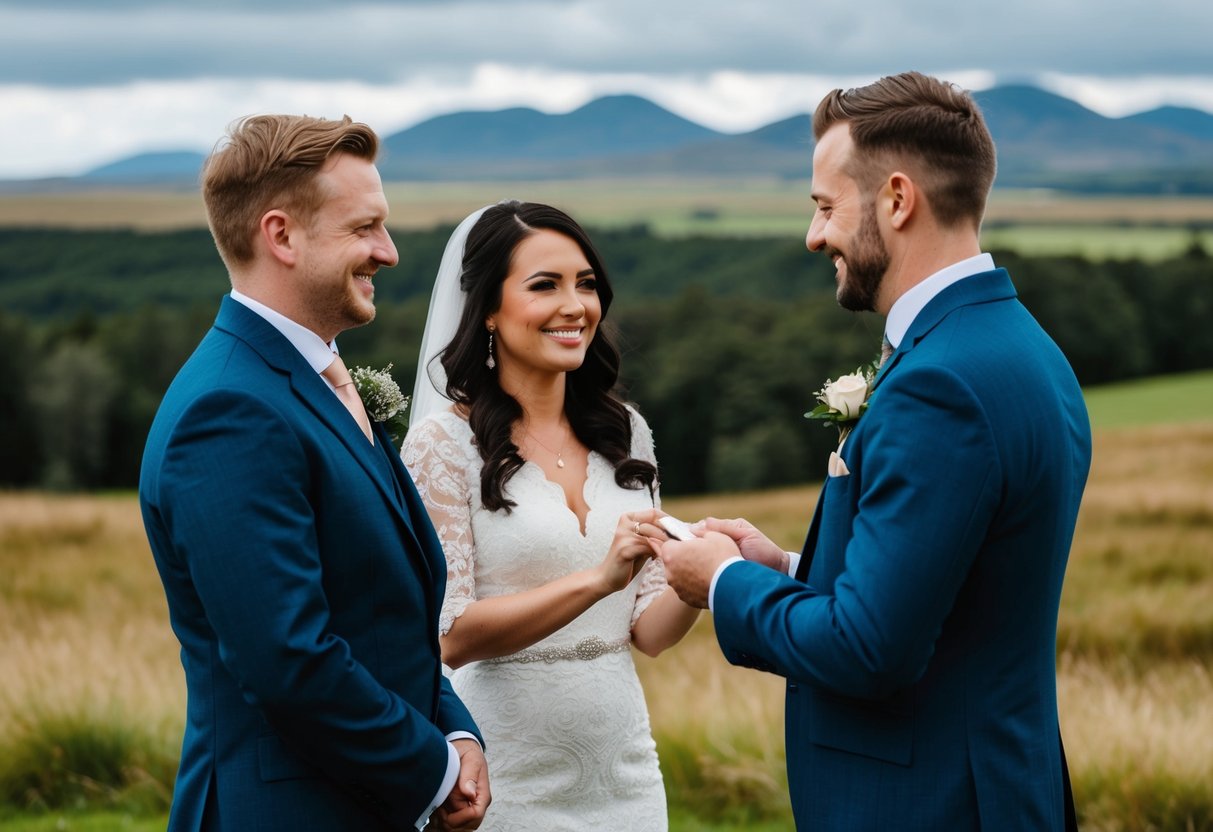
When planning your wedding in Scotland, it’s essential to understand the legal aspects of the ceremony. This involves knowing the difference between official registrars and celebrants and what is required for a legal wedding.
Official Registrars vs. Celebrants
In Scotland, you can choose to have your marriage officiated by an official registrar or a celebrant.
-
Registrars handle civil ceremonies that are straightforward and quick, typically lasting around 15 minutes. These ceremonies are conducted at local council offices or approved venues. The costs generally range from £250 to £350.
-
Celebrants, such as those from the Humanist Society, offer a more personalized approach. Fees often start at around £450. While celebrants create unique and meaningful ceremonies, you still need a legal ceremony with a registrar either before or after the celebrant’s service.
Deciding between the two will depend on your preferences for formality and personalization.
Requirements for a Legal Wedding
To ensure your wedding is legally recognized, you must follow specific requirements.
-
Notice of Intended Marriage: You need to give notice to the registrar at least 29 days before your wedding date.
-
Legal Declarations: During the ceremony, you must make standard legal declarations.
-
Witnesses: You must have at least two witnesses present during the legal ceremony.
-
Marriage Certificate: After the legal ceremony, you can request a marriage certificate for an additional fee.
Keep in mind that while celebrants create memorable experiences, the legal aspects should not be overlooked. You can enjoy both a personal ceremony and the required legal formalities.
Choosing the Right Celebrant for Your Ceremony
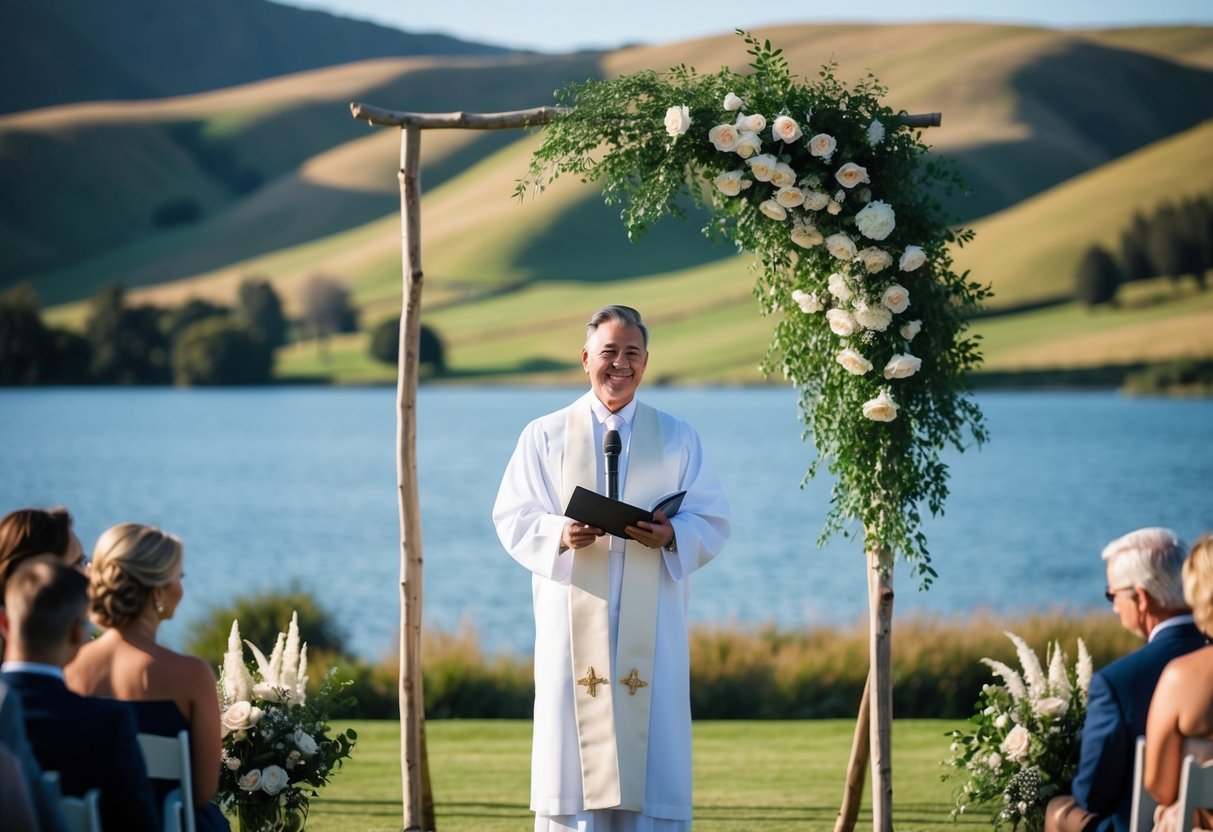
Selecting a celebrant is vital for your special day. They help create a personal ceremony that reflects your values and preferences. Here’s what to consider when choosing the right celebrant for your wedding in Scotland.
Personalizing Your Wedding Day
A celebrant plays a key role in making your wedding unique. They work closely with you to craft a ceremony that matches your style and beliefs. You can include personal stories, meaningful rituals, and elements that reflect your relationship.
Consider asking your celebrant about their experience with different types of ceremonies. Whether you envision a formal wedding in Glasgow or a relaxed gathering in Ayrshire, they can tailor the ceremony to fit your vision. Share your ideas and preferences, and they will help bring them to life.
The Role of a Celebrant in Your Ceremony
The celebrant guides you through the ceremony process, ensuring everything runs smoothly. They are responsible for delivering your vows and managing the flow of the event. This includes conducting any readings or music and ensuring all legal requirements are met.
In Scotland, a celebrant cannot legally marry you, unlike in some other areas. You’ll need a registrar for the legal aspect of your marriage. Celebrants can support you in this by helping you understand the necessary steps and paperwork required for a legal wedding.
How to Find a Qualified Celebrant in Scotland
Finding a qualified celebrant can be easy with the right approach.
Start by doing some research online or asking friends for referrals. Look for celebrants who specialize in weddings and have experience in the specific type of ceremony you want.
Check their website for testimonials or reviews from previous clients. This can give you insight into their style and how they connect with couples.
Also, consider meeting potential celebrants to see if you feel comfortable with them. Discuss your vision and get a sense of their personality and approach.
You might also want to explore humanist celebrants, who focus on personal beliefs and values. This could be a great fit if you prefer a non-religious ceremony.
Keep in mind the importance of finding someone who resonates with you and understands your needs.