
How Much Does a DJ Earn Per Gig? A Friendly Look at DJ Earnings
When you think about becoming a DJ or booking one for an event, you might wonder about earnings. The amount a DJ makes per gig can vary significantly based on factors like experience, location, and the type of event. On average, regular DJs can earn anywhere from $1,000 to $20,000 per event, while top-tier DJs can make between $100,000 to $2 million for a single show.

If you’re curious about what influences these earnings, it often depends on the DJ’s popularity and the size of the venue. A local DJ might struggle to make a living, earning around $3,000 a year, while more established names can pull in six figures.
Understanding DJ Earnings

DJ earnings can vary widely based on several key factors. Knowing these factors helps you understand what influences a DJ’s income. Various types of DJs also play a significant role in determining how much they earn per gig. Let’s explore these aspects.
Factors Affecting DJ Income
DJ income can be influenced by experience, location, and the type of event. Beginner DJs, for instance, might earn between $50 to $200 per gig. This number can rise as they gain experience and build a following.
Location matters too. DJs in larger cities, like California, tend to earn more due to higher demand.
Additionally, the type of event plays a crucial role. A wedding DJ might charge more than a local DJ at a bar. Experienced DJs can earn between $100 to $500 per gig, while top DJs in the EDM scene may rake in $10,000 to $20,000 per performance, especially at festivals.
Different Types of DJs
DJs can be classified into several categories, each with different earning potential. For example, club DJs typically perform in nightlife venues and can earn up to $400 or more per night.
Wedding DJs focus on private events and often charge a flat fee that can range from $800 to $2,500 depending on experience and services offered.
Mobile DJs bring their setup to various venues and usually earn between $400 and $1,200 per event.
In contrast, radio DJs and resident DJs might have a steady income but often earn less per event compared to those performing live shows. Each DJ type has unique earning potential influenced by experience and market demand.
A Look at Top Earners

When it comes to DJ earnings, a few names stand out in the industry. The top DJs are often superstar producers who draw large crowds at major events, allowing them to command hefty fees per gig.
Highest-Paid DJs Worldwide
Some of the highest-paid DJs in the world include Calvin Harris, David Guetta, and Tiësto. These artists can earn anywhere from $200,000 to $1 million per performance.
In 2025, Calvin Harris leads the pack with a net worth of around $300 million. He has consistently been a top earner for years, thanks in part to his catchy tracks and collaborations.
Tiësto, another top earner, can make up to $250,000 per night. His impressive career spans decades, making him a recognizable name worldwide.
Top Genres and Events
EDM remains the highest paying genre for DJs. Major festivals like Coachella attract huge crowds and offer lucrative contracts. DJs at these festivals can earn between $100,000 and $500,000 for a single set, depending on their popularity.
Steve Aoki is known for his energetic performances, earning around $200,000 per gig. His brand, including Dim Mak, also contributes to his earnings by promoting other artists.
Genres like techno and house also have top earners, especially on platforms like Beatport. DJs in these genres often get invited to high-profile events, further boosting their income.
Gig-Specific Earnings Breakdown

When considering DJ earnings, the type of gig plays a significant role. Different events have varying pay scales depending on the nature of the performance and audience. Here’s a breakdown of what you can expect from specific types of gigs.
Wedding and Private Events
Weddings typically offer some of the highest pay rates for DJs. You can earn between $500 and $700 per gig, often more if the event is in a high-demand area.
Many wedding DJs also offer additional services, such as lighting or equipment rental, which can increase your earning potential.
Packages may range up to $2,000 or more if you provide more extensive DJ services, such as MC duties.
To succeed in this field, getting good reviews and recommendations is essential. You can build your clientele through connections with venues and event planners.
Club and Festival Performances
Club DJs often earn between $100 and $500 per performance, depending on the venue’s popularity and your experience level. Clubs can have a wide range of payment styles, including hourly rates or flat fees.
For major festivals, well-known EDM DJs can command much higher fees, sometimes up to $10,000 per gig.
These events generally require you to have a strong social media presence and a following to secure bookings.
Networking is vital, as many clubs and festivals hire based on reputation and previous performances.
Bar and Local Venue Opportunities
Bar DJs usually earn less, typically around $50 to $150 per gig. However, these gigs can lead to regular work and help you build a local following.
Local venues might pay you an hourly rate. Having a DJ residency can provide steady income and exposure.
While the pay is lower at the start, these gigs let you practice your skills and showcase your style.
Cultivating relationships with venue owners can lead to more consistent opportunities, helping you build your career over time.
Building a Career in DJing
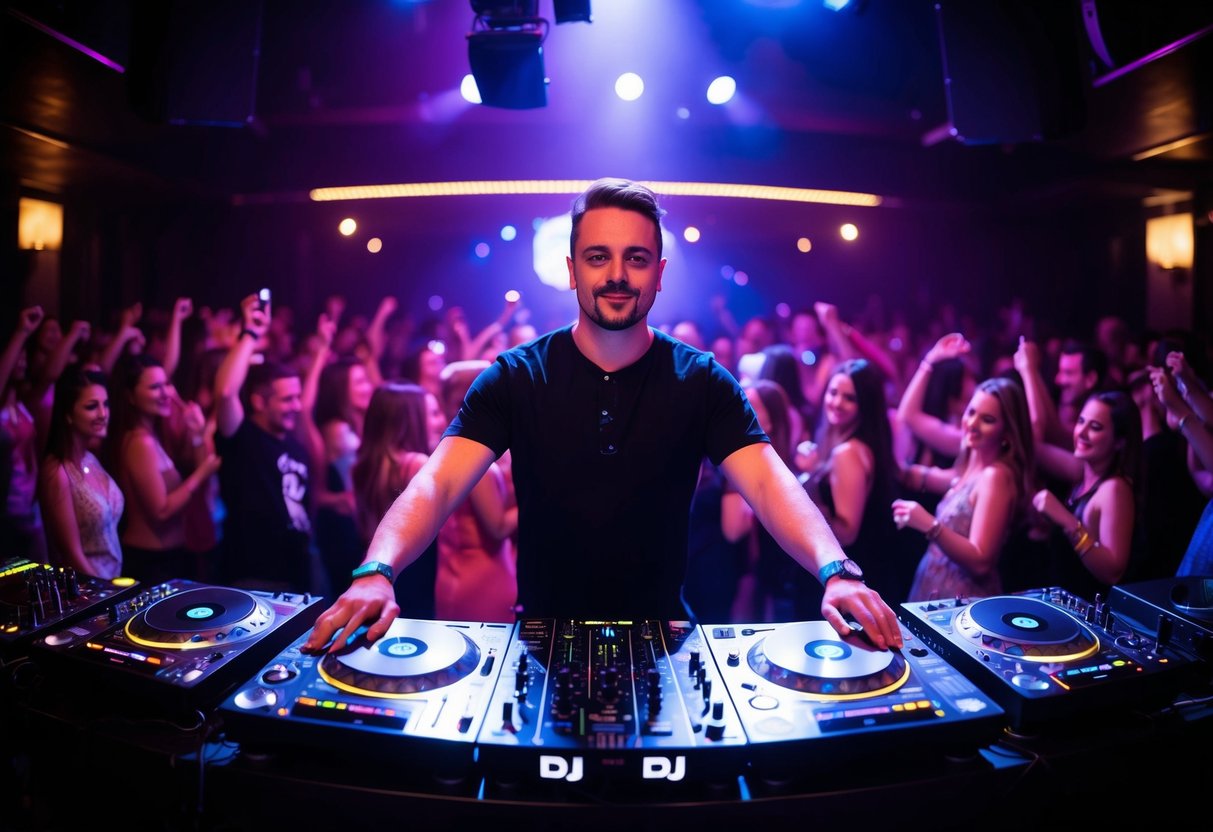
Creating a successful DJ career takes a mix of skill development, proper equipment, and understanding your local market. Focusing on these areas helps you progress from a beginner DJ to a well-known name in the industry.
Developing DJ Skills and Techniques
To build your career as a DJ, you must develop essential skills. Start by learning about beat matching and transitioning between songs. This is crucial for keeping the crowd engaged.
You should practice different DJ techniques like scratching, EQing, and looping. Watch tutorials and attend workshops to enhance your skills. Joining DJ communities can also provide valuable feedback and support.
Consider working with experienced DJs to gain insights. Many successful Canadian DJs often mentor newcomers. Learning from their experiences can help you avoid common pitfalls.
Investment in DJ Equipment
Investing in the right DJ equipment is necessary to enhance your performance. Key items to consider include:
- Turntables or Controllers: Essential for mixing tracks.
- Headphones: Good quality headsets allow you to preview tracks.
- Speakers: Providing clear sound ensures a great experience for your audience.
Start with basic equipment, then upgrade as your skills improve. You don’t need to buy everything at once. Look for second-hand gear to save money.
A solid setup can significantly impact your gigs and help you stand out. Ensure your equipment meets the demands of different types of events, from small parties to large festivals.
Understanding the Market and Geography
Your geographic location influences your DJ career. Different cities have varying demands for DJs.
Research local venues, events, and the types of music popular in your area.
Networking is key. Attend local events and connect with other DJs and promoters.
Building relationships can lead to more gig opportunities.
Also, consider the average earnings of DJs in your region.
For instance, beginner DJs might make less in smaller towns compared to larger cities where experienced DJs can earn significantly more.
Being aware of these factors allows you to tailor your approach and maximize your potential earnings.