
How Much Does a Traditional Wedding Cost? A Clear Breakdown of Expenses
When planning your big day, you might wonder about the budget. In recent years, the average cost of a traditional wedding typically falls around $35,000. This number can vary greatly depending on several factors like location, guest list size, and the type of services you choose.
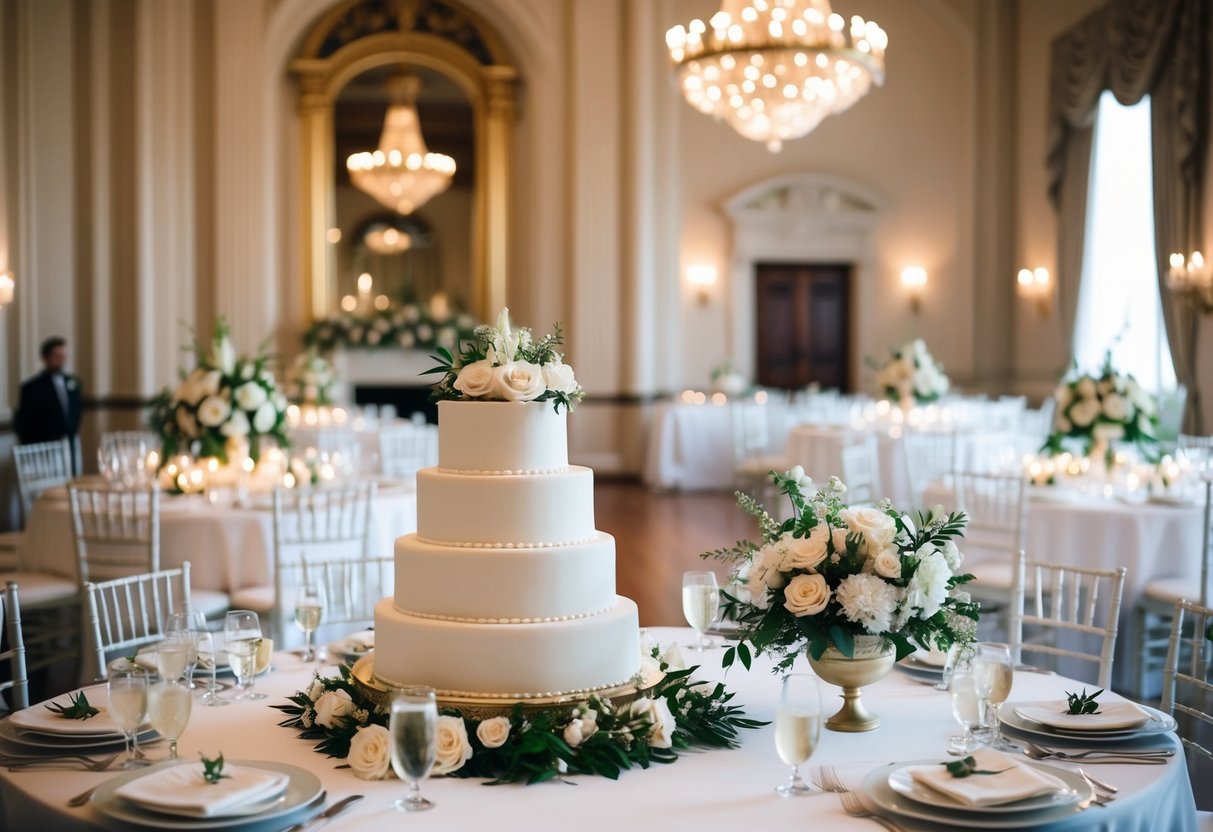
Understanding the various expenses involved can help you manage your expectations. From the venue to catering and entertainment, costs can quickly add up. It’s crucial to know what each component might run so you can plan accordingly and make informed decisions that suit your style and budget.
As you read on, you will discover a breakdown of typical expenses and tips on how to get the most value for your money. Knowing these details can ease some of the stress that comes with planning a wedding.
Understanding Wedding Costs
When planning your big day, it’s essential to know how much a wedding typically costs. You’ll find many factors impacting the total amount, including location, guest count, and specific details of the event. Understanding these elements can help you create a realistic budget.
Average Cost of a Wedding
In 2023, the average cost of a wedding in the U.S. reached approximately $35,000. This amount can vary significantly based on state and city. For instance, places like New York and California often have higher costs due to the demand and venue prices.
Here’s a quick look at the average costs in different areas:
- New York: $50,000
- California: $45,000
- Texas: $30,000
- Florida: $28,000
Besides the basic ceremony and reception, don’t forget to factor in hidden costs. These may include tips, service fees, and other unexpected expenses.
Wedding Size and Cost Correlation
Your guest list plays a significant role in determining the overall cost of your wedding. More guests mean more food, drinks, and space, which can add up quickly.
Here’s a brief breakdown of estimated costs by guest count:
- 50 guests: $20,000
- 100 guests: $35,000
- 200 guests: $55,000
These figures are just estimates, but they show the strong connection between the number of guests and total spending. As you create your budget, think about what elements are most important to you. Prioritize those while keeping an eye on your guest list to stay within your budget.
Major Wedding Expenses

Planning a wedding involves many significant costs that can add up quickly. Understanding these major expenses will help you budget effectively and ensure your big day is everything you dream of.
Venue and Catering
The venue is often one of the largest expenses for your wedding. Typical venue costs can range from $6,500 to $12,000. The type of venue—whether it’s a banquet hall, a park, or a beach—can greatly affect this cost.
When choosing a venue, think about how many guests you will have and the atmosphere you want to create.
Catering is another big expense. Depending on your menu choices, expect to pay between $6,500 and $10,000. Factors like meal type (buffet vs. plated), number of courses, and even special dietary needs can influence the final bill.
Don’t forget to factor in service fees and gratuity as well, just to keep your budget on point!
Attire and Beauty
Wedding attire can significantly impact your budget. A wedding dress typically costs between $1,500 and $3,000, but prices can go much higher for designer gowns.
Groom’s attire usually costs less, averaging around $200 to $500. It’s wise to plan for alterations and accessories, as these can add an additional $200 or more to your total expense.
Beauty services, including hair and makeup, usually range from $150 to $400 for brides. You may want to include costs for bridesmaids, too. When budgeting, consider trial runs and any additional services like manicures or massages.
Photography and Videography
Capturing your special day is crucial, making photography and videography an important part of your budget.
Professional wedding photography typically ranges from $2,000 to $5,000. Packages often include engagement photos, digital albums, and prints.
Videography can add another $1,000 to $3,000, depending on the length and complexity of the video. Always check for packages that cover both services, as you may save money by bundling.
Invest time selecting the right photographer and videographer whose style matches your vision. Check portfolios and reviews to ensure they will produce the memories you want to cherish.
Entertainment and Decor
Entertainment can make or break your wedding’s atmosphere. Hiring a DJ typically costs between $1,000 and $3,000. If you want a live band, the price can double or triple, depending on the number of musicians and their experience.
Decor expenses can vary widely. Expect to spend around $1,000 to $3,000 on flowers, centerpieces, and lighting. If you’re considering a wedding planner, that might add another $1,500 to $3,000 to help coordinate all the details and execute your vision.
Keep your guests entertained and the ambiance inviting for an unforgettable celebration!
Additional Wedding Costs to Consider
Planning your wedding involves more than just the venue and catering. There are several additional costs you should keep in mind that can add up quickly. Understanding these expenses can help you create a well-rounded budget.
Invitations and Stationery
Wedding invitations are essential as they let your guests know about your big day. Basic invitations can cost between $1 to $5 each, but if you want customized designs or premium materials, this can go up to $10 each.
Don’t forget to budget for additional stationery like save-the-dates, RSVP cards, and programs. You might also want to include signage for the ceremony and reception, which can add another $50 to $200.
Consider using digital invitations to cut costs. They are often more affordable and environmentally friendly. Whatever you choose, make sure to account for shipping costs if you’re sending them physically.
Wedding Insurance and Rings
Wedding insurance can protect you from unforeseen events that may affect your big day. Policies typically range from $125 to $550. This cost is worth it if your venue or vendors require it. Even if it’s not mandatory, having insurance gives you peace of mind.
Rings are another significant expense. The average cost for engagement rings is around $1,000 to $3,000, but this depends on the style, size, and material. Wedding bands usually add another $300 to $1,000 each.
When shopping for rings, set a budget beforehand. Remember, while quality is important, you don’t have to break the bank to find something beautiful.
Gifts and Favors
Show your appreciation to your guests with thoughtful gifts or favors. These can range from $1 to $5 per guest. Popular options include personalized keepsakes, homemade treats, or small plants.
Additionally, consider gifts for your wedding party and family members. These can include items like engraved jewelry or accessories, typically priced between $30 to $100 each.
By planning ahead, you can find nice gifts without overspending. Look for ideas that reflect your style and gratitude towards those who helped make your day special.
Destination Wedding Expenses
If you’re planning a destination wedding, your budget will likely differ from a traditional one. Venue costs can range from $2,000 to $10,000, depending on the location and season.
Travel and accommodation for yourself and your guests should also be part of your planning. Research local accommodations that can fit various budgets. Consider setting up a hotel block for your guests to save them money.
Don’t forget about additional costs like transportation for guests or activities you may want to offer. Destination weddings often come with unique considerations, so keep all potential expenses in mind to avoid surprises.
Planning Your Wedding Budget

Creating a wedding budget is essential to make sure you stay on track. By setting your budget, prioritizing expenses, and tracking your expenditures, you can plan a beautiful wedding that matches your vision without overspending.
Setting Your Budget
Start by determining how much you can afford. Review your finances carefully to see what you can allocate to your wedding. Factors like personal savings, contributions from family, and any existing debts play a crucial role.
Make a list of all possible costs. This can include venue rental, catering, attire, and decorations. Consider using a spreadsheet or a wedding budget tool to spell them out clearly. Remember, sticking to your budget will help you avoid stress later on.
Prioritizing Expenses
Identify what aspects of your wedding are most important to you. Is it the venue, food, or maybe the photography? Knowing your priorities can help you allocate funds more effectively.
Create a hierarchy of expenses. List your top three priorities and set aside a larger portion of your budget for those. Then, allocate smaller amounts to less critical items. For example:
- Venue: 30%
- Catering: 25%
- Photography: 15%
This approach ensures that you spend where it matters most.
Tracking Your Expenditures
As you start to make purchases, keep a detailed record of every expense. Use apps or simple budgeting tools to track payments made to wedding vendors. This way, you can see how much of your budget is left.
Regularly compare your spending against your budget. Adjust as needed. For example, if you overspend in one category, consider cutting back in another. Keeping vigilant will help ensure you stay within your financial limits.