
How Much Does a Vicar Charge for a Funeral? Understanding Costs and Services Offered
When planning a funeral, you might wonder about the costs involved, especially hiring a vicar. Vicars typically charge £200 to £500 to lead a funeral service. This fee usually covers the time and planning involved in conducting the service, whether it’s for a cremation or a burial.
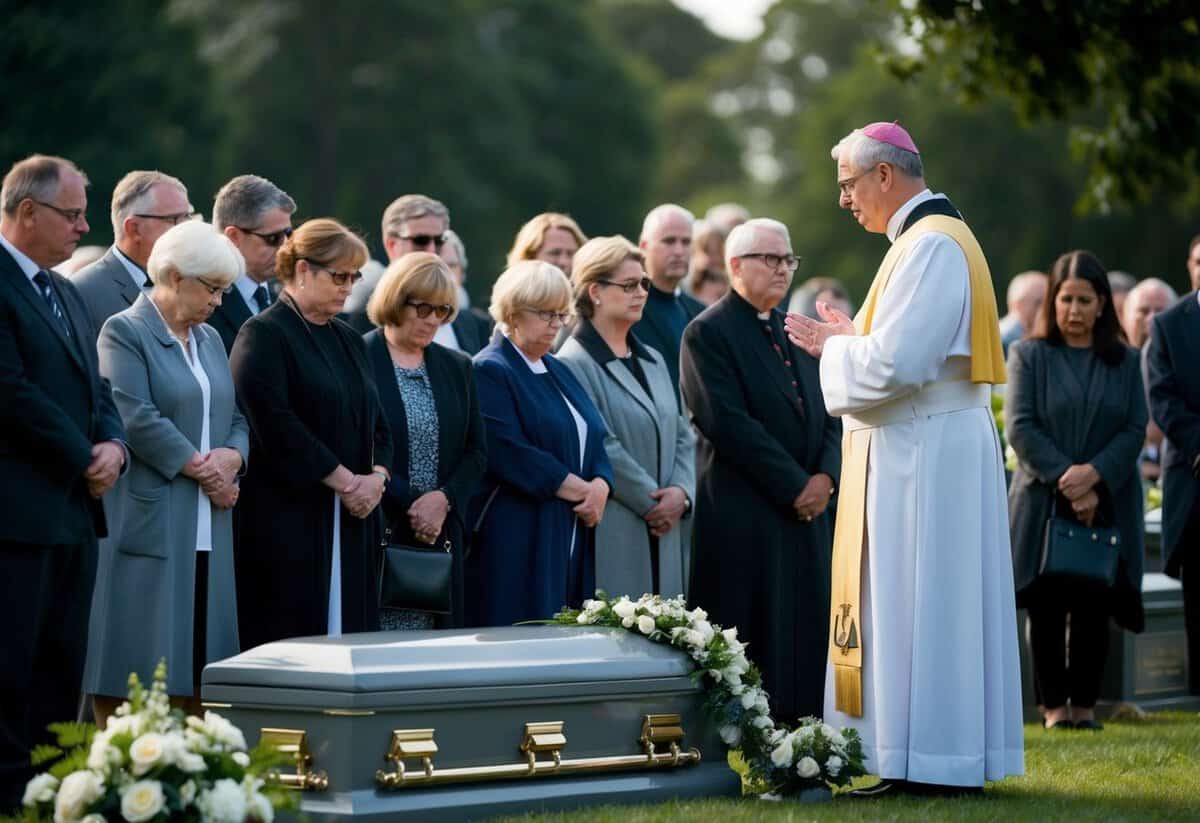
In addition to the vicar’s fee, keep in mind that there are other funeral costs to consider. Expenses for caskets, flowers, and venue arrangements can add up quickly. It’s essential to have a clear understanding of all potential costs, so you can plan accordingly while honoring your loved one.
Finding the right vicar to lead the service can make a significant difference in how the ceremony feels. Many people find comfort in the personal touch a vicar provides during such an important time. Be sure to connect with your local Church of England to discuss options and ask about any additional fees that may apply.
Understanding Funeral Costs
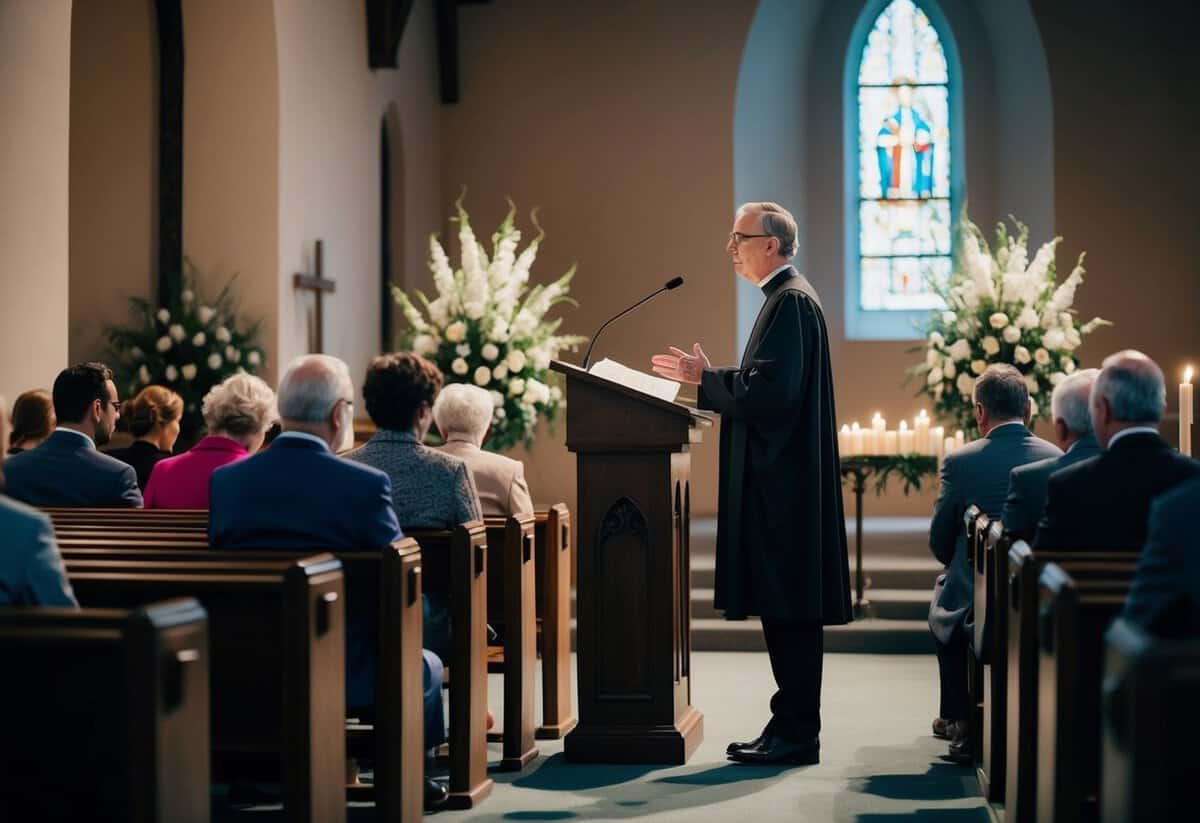
When planning a funeral, various costs come into play. You’ll want to understand these fees clearly to manage your budget effectively. Below are the main areas to consider.
Breakdown of Funeral Fees
Funeral costs can vary widely depending on different services. Generally, you can expect to pay for:
- Funeral Director Fees: This includes basic services to handle arrangements. It typically costs between $2,000 and $4,000.
- Coffin or Casket: Prices range from $1,000 to $10,000 based on material and style.
- Transportation: This includes the hearse and any additional vehicles for family members, often costing a few hundred dollars.
- Venue Fees: If you choose a specific location for the service, there may be fees for that space.
These fees can add up quickly, so it’s essential to get a detailed quote from the funeral director you choose.
Additional Costs to Consider
Besides the basic funeral fees, you should also factor in other expenses. Additional costs may involve:
- Clergy or Vicar Fees: If you’re having a religious service, there can be charges for the officiant. This might be a donation or a set fee.
- Flowers: Floral arrangements can easily range from $100 to $500 or more.
- Order of Service: Printing programs or booklets could cost around $100 to $200.
- Monuments: If you’re considering a headstone or monument, this could lead to costs from several hundred to thousands of dollars.
These are essential elements that can influence the overall budget.
Comparing Funeral Directors and Vicars
Choosing a funeral director or a vicar can impact your costs and experience. Funeral directors often provide comprehensive packages. They manage much of the logistics, but their services may come at a premium price.
On the other hand, a vicar’s fees might be more straightforward. They might charge a parochial fee for their service, which can vary by location. Ensure you inquire about all fees upfront, including any statutory fees that may apply.
Role of a Vicar in Funerals
A vicar plays a vital role in funeral services, serving both spiritual and practical needs. They guide families through a challenging time, offering support and flexibility in ceremonies that honor the deceased.
Religious Ceremonies and Services
When you plan a funeral, a vicar typically leads the religious ceremony. This may occur in a church or in a churchyard. You can expect traditional elements such as hymns, readings, and prayers.
The vicar helps you select appropriate scripture or passages that reflect your loved one’s beliefs. They ensure the service respects the spiritual aspect of your mourning. A eulogy can also be part of the ceremony, allowing family and friends to share personal stories. This adds a heartfelt touch to the service.
Personalizing the Funeral Service
Personalization is key in making a funeral meaningful. A vicar works closely with you to tailor the service. This can include selecting tributes or personal messages that reflect the deceased’s life.
You might also choose specific music or readings that held significance to your loved one. The vicar encourages you to express your loved one’s uniqueness. They help create a service that not only honors their memory but also supports your grieving process.
Optional Services and Personal Touches
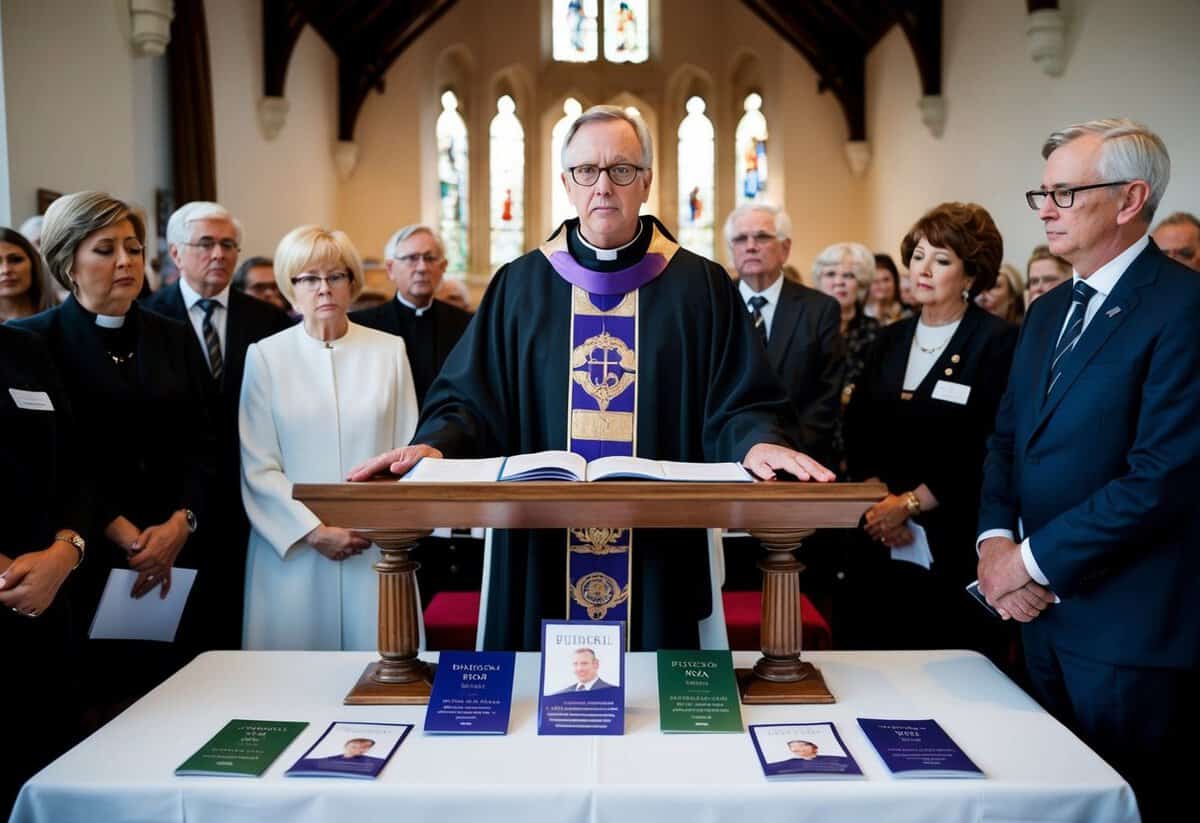
When planning a funeral, there are several optional services and personal touches that can make the event more meaningful. From unique tributes to beautiful flower arrangements, these details help honor the deceased and comfort those who are grieving.
Memorialization and Tributes
Creating a personalized memorial can truly reflect the life of your loved one. Options include photo displays, video montages, or even a memory table filled with cherished items. You can also encourage guests to share stories or memories during the service.
In addition, some people choose to host a “celebration of life” gathering after the funeral. This allows friends and family to come together, share fond memories, and celebrate the impact the deceased had on their lives. A civil or humanist celebrant might even assist in crafting a unique service that fits your loved one’s personality.
Flower Arrangements and Decor
Flowers play a significant role in funeral decor, providing comfort and beauty during a difficult time. You can choose arrangements that hold special meaning, such as your loved one’s favorite flowers or colors.
Consider including personal elements, such as a floral display shaped like their favorite hobby or interest. This can add a unique touch to the service. Many families also opt for potted plants that can be taken home afterward, lasting memories of the deceased.
In addition to flowers, think about other decor items that honor your loved one. Candles, photographs, and personal memorabilia can all enhance the atmosphere and help create a warm, inviting space.
Alternative Funeral Celebrants
While a vicar may lead traditional services, you might explore alternative funeral celebrants for a more personalized experience. Civil celebrants, humanist celebrants, or even family members can create a service that reflects your loved one’s beliefs and values.
These celebrants can tailor the ceremony, incorporating personal stories, favorite readings, or music that resonates with you and your family. This customization can make the service feel more intimate and nurturing.
Consider discussing your options with the celebrant to ensure the service truly embodies your loved one’s spirit and the memories you share. This flexibility allows you to create a heartfelt tribute that feels just right for your situation.
Planning Ahead
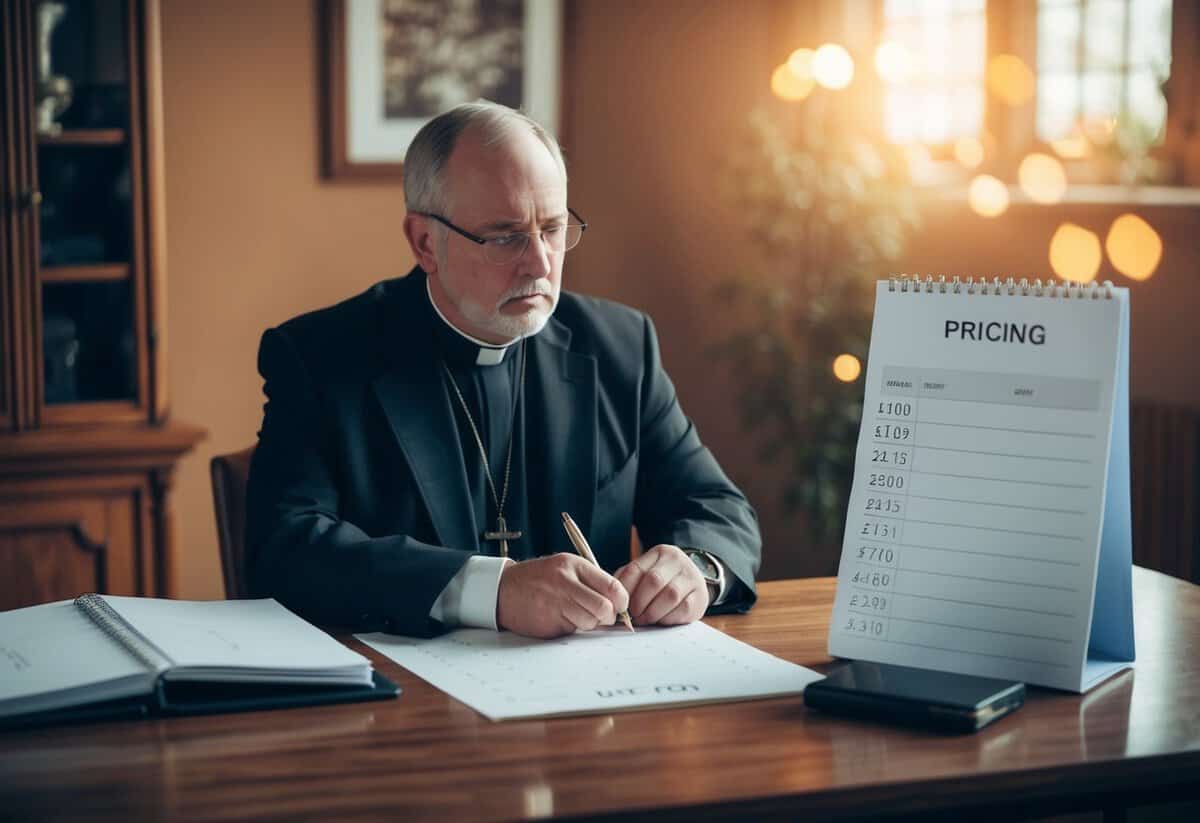
Thinking ahead about a funeral can help ease the burden on your loved ones. Understanding prepaid funeral plans and legal considerations is essential for ensuring your wishes are met.
Prepaid Funeral Plans
A prepaid funeral plan allows you to pay for your funeral in advance. This can save your family from unexpected costs. You can choose specific services, such as the type of casket or cremation options.
When you set up a plan, it’s important to understand what is included. Some plans cover the basic funeral fees, but others may include additional costs like flowers or transportation.
Make sure to discuss your plan with your family. They should know where to find the documents and understand your wishes. This conversation can help prevent confusion later on.
Legal and Ecclesiastical Considerations
When planning a funeral, don’t overlook certain legal aspects. For example, you may need a certificate of banns if the deceased was married in a church. Additionally, personal records, like the marriage certificate, can be important for proper documentation.
The parochial registers and church registers hold vital information about funerals in your region. Understanding these records can help your family navigate any funeral requirements. The Parochial Registers and Records Measure 1978 outlines how these records are managed.
Also, check whether the vicar has any specific requirements regarding fees. Knowing these details in advance can make the planning process smoother for you and your loved ones.