
How Much Does a Wedding Celebrant Get Paid? Understanding Their Fees and Services
As you plan your special day, you might wonder about the cost of hiring a wedding celebrant. On average, a professional wedding celebrant earns between $200 and $1,000 for each ceremony. This range can vary based on factors like location, experience, and the complexity of the ceremony.
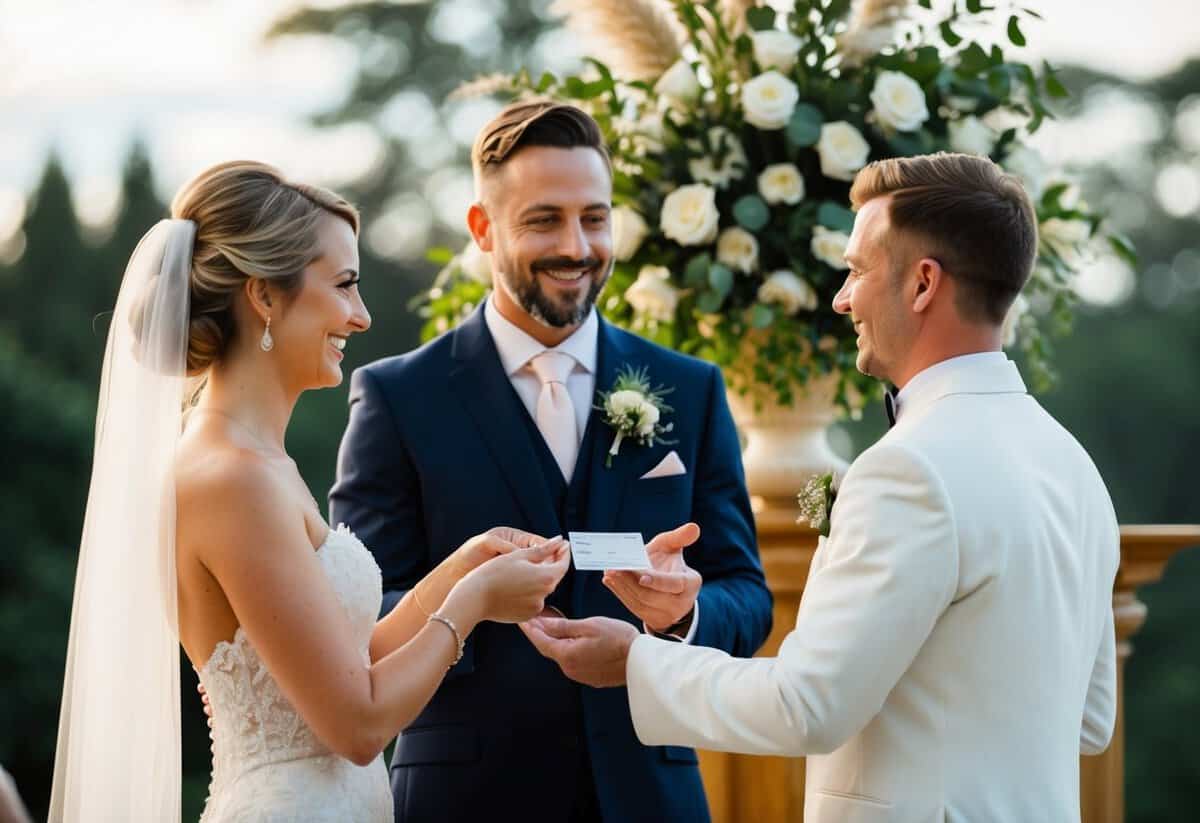
Choosing the right celebrant can make a big difference in your wedding experience. Not only do they help create a meaningful ceremony, but they also guide you through the process. Understanding how much to budget for this important role will help you make informed decisions as you move forward with your wedding plans.
In this article, we’ll explore what influences the pay of wedding celebrants and give you insights into how to find the right fit for your ceremony. You’ll also discover tips on what to expect when hiring a celebrant for your big day.
Understanding the Role of a Wedding Celebrant
A wedding celebrant plays a key role in making your special day memorable. They help create personalized ceremonies, offering a blend of services that cater to your unique wishes. Below, you’ll find more about the types of celebrants, the services they provide, and the qualifications needed.
Types of Celebrants
Various types of celebrants specialize in different kinds of weddings. Some focus on civil ceremonies, which typically do not involve religious elements. Others may be religious wedding officiants, allowing for ceremonies that include spiritual and traditional practices.
You also have the option of hiring a celebrant who specializes in specific cultural or themed weddings, like handfasting or LGBTQ+ unions. Each type of celebrant brings a unique touch to the wedding ceremony, so it’s helpful to know your preferences.
Services Provided
Wedding celebrants offer a range of services to help shape your ceremony. They usually assist with crafting personalized vows and can incorporate meaningful rituals or traditions. They focus on the emotional and symbolic aspects, ensuring that your day is special.
In addition to officiating the wedding, celebrants often help with planning. This includes guiding you through the flow of the ceremony and coordinating with other vendors. Some celebrants also provide rehearsal services, so you feel prepared for the big day.
Qualifications and Training
To become a wedding celebrant, you often need specific qualifications. In many places, having a Certificate IV in Celebrancy is essential. This certification prepares you to understand the legalities involved in officiating weddings.
Training includes learning the art of public speaking, writing personalized scripts, and understanding different types of ceremonies. Many celebrants also stay updated with ongoing education to provide the best service possible. Knowing their qualifications can help you choose the right officiant for your wedding.
Factors Influencing Wedding Celebrant Income
Your income as a wedding celebrant can vary based on several key factors. Knowing these can help you understand how to set your fees and what to expect throughout your career.
Geographical Location
Your location plays a big role in how much you can charge for your services. In urban areas, fees often range from $800 to $2,500 due to higher demand and living costs. Couples in these regions may expect more customization for their ceremonies, leading to higher prices.
In contrast, rural areas may offer lower average fees. You might see rates start at around $200 to $600 per ceremony. In some cases, you may also need to adjust your travel fees, which can further influence your overall income.
Experience and Reputation
Your experience and reputation significantly impact your earning potential as a wedding celebrant. If you have years of experience, couples may be willing to pay a premium for your services. Established celebrants can charge anywhere from $1,000 to $2,500 based on their track record and reviews.
Building a solid reputation takes time. You may start at a lower fee but can gradually increase your rates as you gain positive reviews. Additionally, attending workshops or gaining certification can enhance your credibility, allowing you to ask for higher fees over time.
Wedding Season and Frequency
The time of year affects your income too. Many couples choose to marry in spring and summer, creating a busy wedding season where you might perform several ceremonies weekly. During this time, you can earn significantly more as demand peaks.
Off-season weddings, typically in winter or fall, might mean fewer ceremonies. This could lead to lower earnings unless you diversify. Consider offering services for other events, like naming ceremonies or vow renewals, to maintain income year-round. This approach can provide financial stability regardless of the wedding season.
Typical Fees and Expenses for Wedding Celebrants
When hiring a wedding celebrant, it’s important to understand their fees and any additional expenses. You’ll find that various factors can influence costs, including location, ceremony type, and extra services offered. Below, you’ll see how these elements come together.
Wedding Officiant Fees Structure
The fees for wedding officiants can vary widely. On average, you might expect to pay anywhere from $250 to $1,000. This range is influenced by factors such as the complexity of the ceremony and the celebrant’s experience.
- Basic Ceremonies: For small and informal ceremonies, basic packages often start around $250-$500.
- Custom Ceremonies: If you want a personalized service, fees can be $500 to $1,000 or more.
It’s wise to discuss these fees upfront to avoid surprises. Always check what is included, such as consultations and paperwork.
Additional Services and Charges
Many wedding celebrants offer extra services that can add to your costs. Here are a few to consider:
- Counseling Sessions: If you want premarital counseling, some officiants provide this service for an additional fee.
- Travel Fees: If your wedding location is far from the officiant’s base, expect to pay travel fees. This can range from $50 to several hundred dollars, depending on distance.
- Rehearsal Attendance: Some celebrants charge extra for attending the rehearsal, which could add $100-$200 to the bill.
Understand what additional services might benefit you and how they fit into your wedding budget.
Managing Business Expenses
For officiants, overhead costs can impact their fees. Here’s what to keep in mind:
- Advertising: Many celebrants invest in advertising to attract clients. This could involve website costs, online ads, or printed materials.
- Professional Development: Continuous training or workshops for officiants can enhance their skills. Investing in these opportunities ensures quality.
- Administrative Costs: Elements like permits, insurance, and travel expenses directly affect pricing.
Being aware of these factors can help you appreciate celebrant fees and make an informed decision that fits your budget.
Legal Considerations and Earning Legitimacy

When considering becoming a wedding celebrant, it’s crucial to know the legal requirements and how to build a strong reputation. Both factors affect how much you can earn and your credibility in the wedding officiant business.
Marriage License Guidelines
Every state has specific rules about marriage licenses. As a wedding officiant, you need to ensure that the couple obtains this license before the ceremony. Most couples must apply for a marriage license through their local government office.
It’s essential to familiarize yourself with these requirements, as they can vary significantly. Some states require a waiting period, while others might need a witness present at the signing. Informing couples about these details can help reduce their stress and position you as a knowledgeable professional.
You should also know how to properly complete and file the license after the ceremony. Failure to do this may render the marriage invalid, impacting your reputation and earning potential.
Building a Professional Reputation
Your reputation directly affects your earning potential in the wedding officiant industry. Satisfied couples are more likely to refer you to friends and family.
Start by providing excellent service. This includes punctuality, clear communication, and a personalized approach to each ceremony.
Collect testimonials from clients to showcase your skills and reliability. You can display these on your website or social media.
Networking is equally important. Connect with local wedding vendors, such as photographers and florists, to create referral opportunities.
Participating in wedding fairs can also help you meet potential clients and other professionals in the industry.