
How Much Does a Wedding Officiant Cost in the UK? A Friendly Guide to Pricing
Planning a wedding can be exciting yet overwhelming, especially when it comes to budgeting for various services. When it comes to the cost of a wedding officiant, it’s crucial to understand what you might be spending.
In the UK, a wedding celebrant typically charges between £450 and £650.
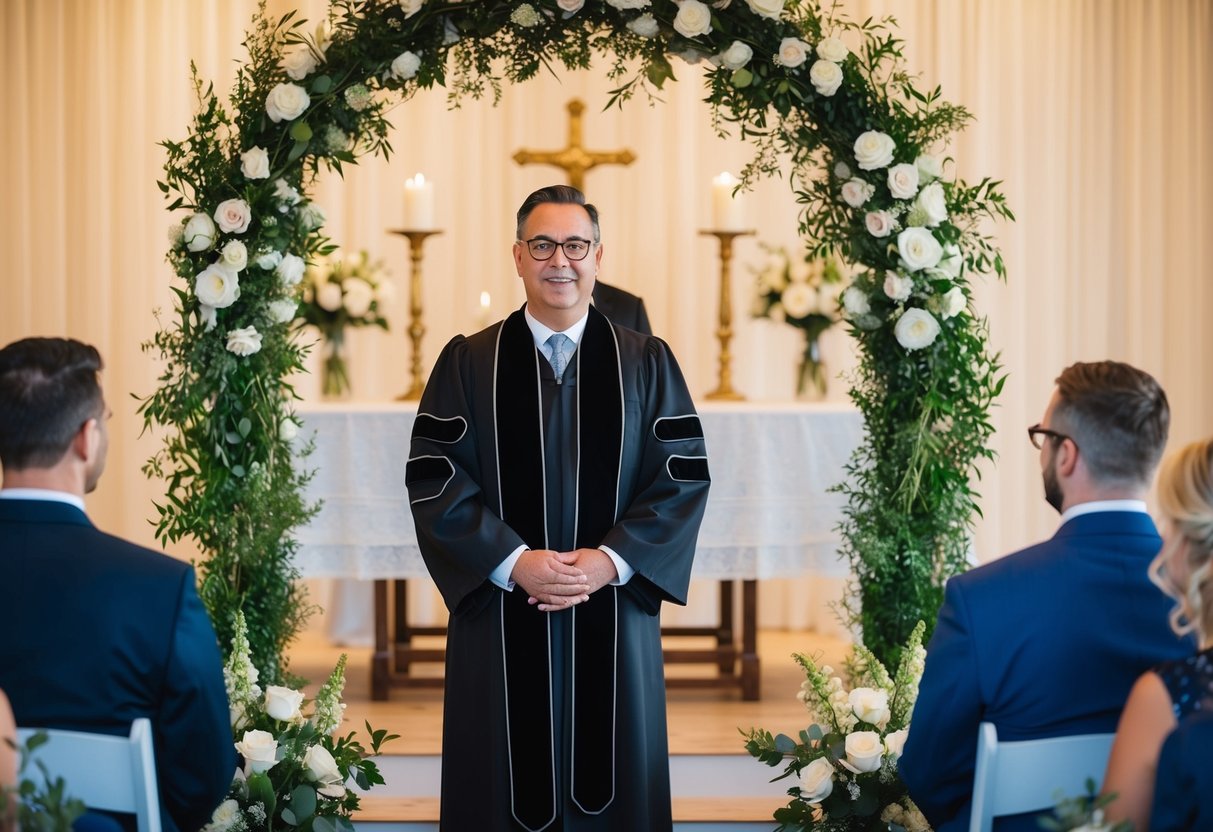
Choosing the right wedding officiant is key to ensuring your ceremony matches your vision. Whether you desire a traditional ceremony or something more personalized, the fees can vary based on experience and location.
The average cost for a wedding celebrant in the UK typically ranges from £450 to £650. Knowing this can help you plan your budget more effectively.
As you embark on this journey to find the perfect celebrant in the UK, remember that their role is important in making your day special. Understanding the costs involved can help you make informed decisions while keeping your wedding dreams intact.
Understanding Wedding Officiant Roles in the UK
When planning your wedding, it’s essential to know the different roles that officiants can play. This can help you choose the right type of officiant for your special day. Below are the main types of officiants you might consider.
Differences Between Celebrants, Registrars, and Clergy
Wedding Celebrants offer personalized ceremonies. They create custom scripts based on your story and values. Celebrants have more flexibility in terms of location and ceremony content.
Registrars are government officials who conduct legal ceremonies. They ensure that the marriage meets legal requirements. Their ceremonies are often more traditional, with less room for personalization.
Clergy are religious officials, like priests or ministers. They perform ceremonies within a place of worship and often follow specific religious customs. Each type has its own strengths, so think about what fits your vision for your wedding best.
Roles of Humanists and Interfaith Ministers
Humanists focus on non-religious ceremonies. They celebrate love and commitment without religious elements. This is perfect for couples who value personal beliefs and a secular approach. Humanist officiants create meaningful experiences centered around your values and stories.
Interfaith Ministers blend elements from different religions. They support couples of diverse faiths or mixed backgrounds. With these ministers, you can incorporate traditions from both religious sides, making everyone feel included. This helps create a ceremony that honors your unique relationship while recognizing each other’s beliefs.
Types of Wedding Ceremonies and Their Costs
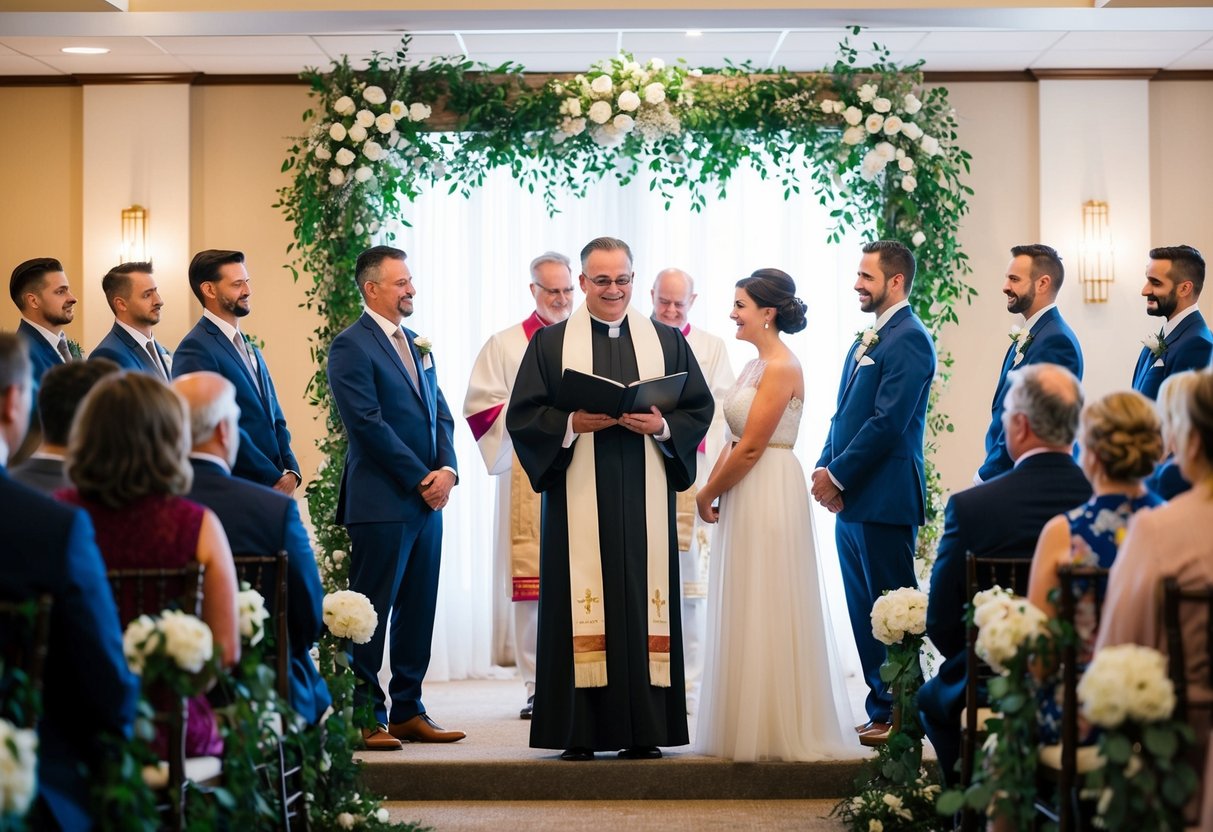
When planning your wedding, understanding the different types of ceremonies can help you budget effectively. Each type of ceremony has unique aspects that can influence the overall officiant cost.
Civil Ceremony Versus Religious Ceremony
A civil ceremony is typically simpler and takes place at a registry office or other approved venue. The average cost for a civil ceremony officiant ranges from £150 to £300. This includes basic services, but may not cover extras like personalized vows.
On the other hand, a religious ceremony often happens in a church and may involve additional requirements or fees. The officiant cost for a church wedding can be higher, usually between £200 and £600. This fee might include premarital counseling and church-specific rituals.
Bespoke Ceremony and Personalised Elements
If you’re looking for something unique, a bespoke ceremony can be perfect. This option allows you to tailor your vows and rituals. When hiring a wedding celebrant for a personalised wedding, expect costs to rise. Prices can start at £300 and go upwards of £1,000 depending on the complexity.
Personalized elements can include readings, songs, or cultural traditions. These choices not only enhance your ceremony but also affect the officiant’s fee. More elaborate personalization will generally require more time and effort, thereby raising costs.
The Impact of Venue Selection on Officiant Cost
The venue you choose plays a big role in determining the cost of your officiant. If you opt for a popular location, such as a luxury hotel or scenic outdoor spot, fees can increase significantly. Some officiants charge extra for travel or special arrangements.
For example, a wedding at an exclusive venue might add £100 or more to your officiant fee. Conversely, if you select a simpler location, your costs may stay lower. Always discuss venue details with your officiant to get a clear picture of potential costs.
Planning and Budgeting for Your Wedding Officiant
When planning your wedding, it’s essential to factor in the costs associated with hiring an officiant. Understanding how officiant fees fit into your wedding budget will help you make informed decisions. Let’s explore how to incorporate these costs effectively and the benefits of early booking.
Incorporating Officiant Fees into Your Wedding Budget
Start by setting a dedicated budget for your officiant. The average wedding celebrant cost in the UK typically ranges from £200 to £800. Prices vary based on factors like the celebrant’s experience and the type of ceremony you want.
Consider these points:
- Research: Investigate different officiants to understand their fees. Some may charge extra for travel or additional services.
- Ask Questions: When communicating with potential officiants, inquire about their total costs and what’s included.
- Allocate Funds Wisely: Don’t overlook other wedding expenses. Ensure that your officiant’s fee fits comfortably within your overall wedding budget.
This planning will help you avoid surprises later on and allow you to focus on what really matters on your special day.
The Importance of Early Booking and Consultation
Booking your officiant early can save you stress and money. Many popular celebrants get booked quickly, especially during peak wedding seasons.
By scheduling a consultation, you can clarify your vision and discuss fees. This meeting is a great opportunity to gauge compatibility with your chosen officiant.
Tips for a successful consultation:
- Prepare Questions: Ask about their experience and ceremony styles.
- Discuss Personalization: Ensure they can tailor the ceremony to your preferences.
- Confirm Fees: Review the costs to avoid any misunderstandings later.
By taking these steps, you can secure an officiant who meets your needs while staying within your budget.
Preparing for the Big Day with Your Officiant
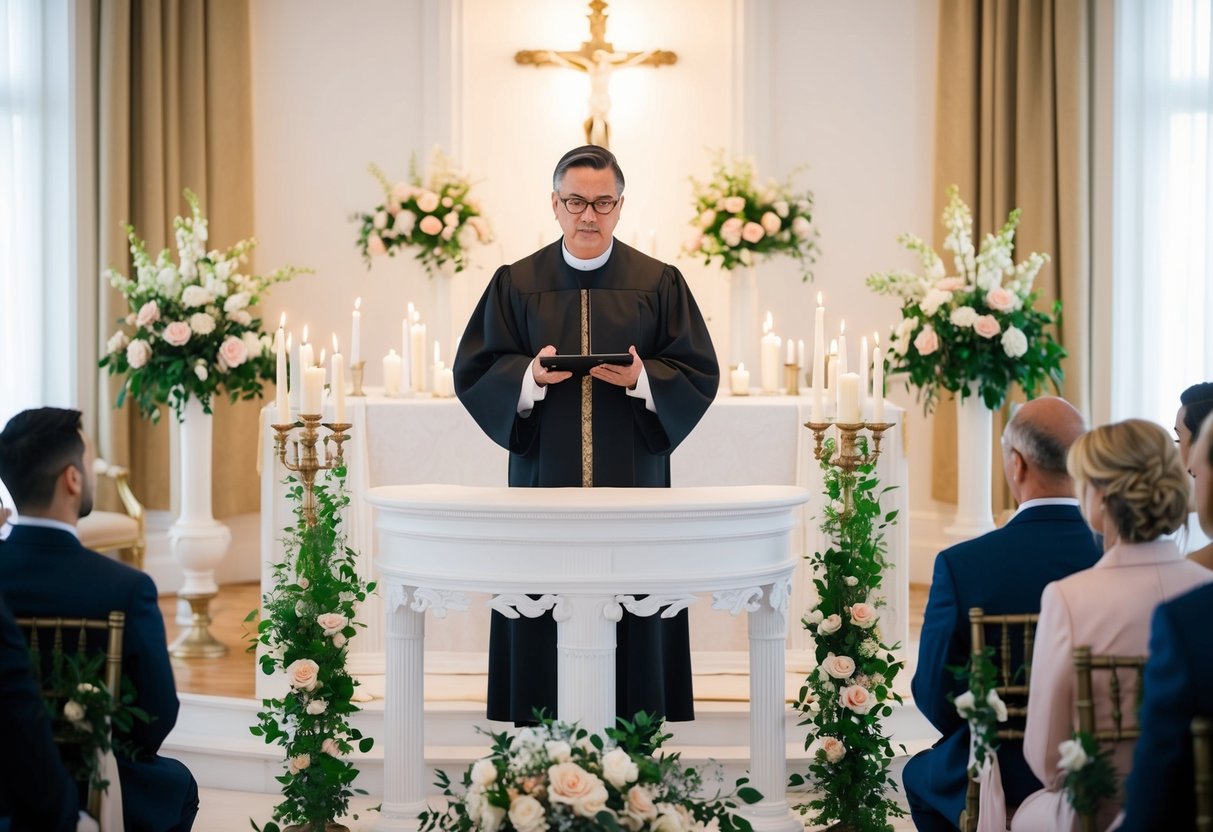
Getting your officiant involved early is key to a smooth wedding day. Coordination will help ensure that every moment is as special as you envision. Here’s how to work effectively with your officiant in the lead-up to your big day.
Rehearsal and Coordination with the Officiant
Setting up a wedding rehearsal is important. This is when you can go through the flow of the ceremony with your officiant. It helps everyone understand their roles.
Discuss where the ceremony will take place and what order events will follow. Your officiant will guide you and your wedding party through the movements and rituals.
Make sure to bring your marriage license to the rehearsal if required. This allows you to focus on the ceremony details without worry.
Clear communication is essential. Share your vision for the ceremony, including any personal touches or readings you want. This will make your ceremony feel unique and personal.
Finalizing the Ceremony Details and Vow Renewals
You must discuss the specific details with your officiant. This includes the type of service you prefer, whether it’s a religious or celebrant-led ceremony.
Deciding on elements such as music, readings, and rituals can impact how personal your ceremony feels.
If you plan on including vow renewals, talk with your officiant about how to integrate them smoothly. This might involve special wording or unique traditions that hold significance for you.
Make sure you confirm all the elements well in advance. This means checking in on timelines and any paperwork you need, such as the marriage license.
Having these details ironed out will help you feel more relaxed as you approach your special day.