
How Much Does It Cost to Hem the Bottom of a Wedding Dress? A Guide for Brides on Budgeting for Alterations
When planning your special day, getting your wedding dress to fit perfectly is crucial. The cost to hem a wedding dress typically ranges from $50 to $450, depending on the fabric and design complexity. This essential alteration ensures that your dress gracefully touches the ground, enhancing your overall look.
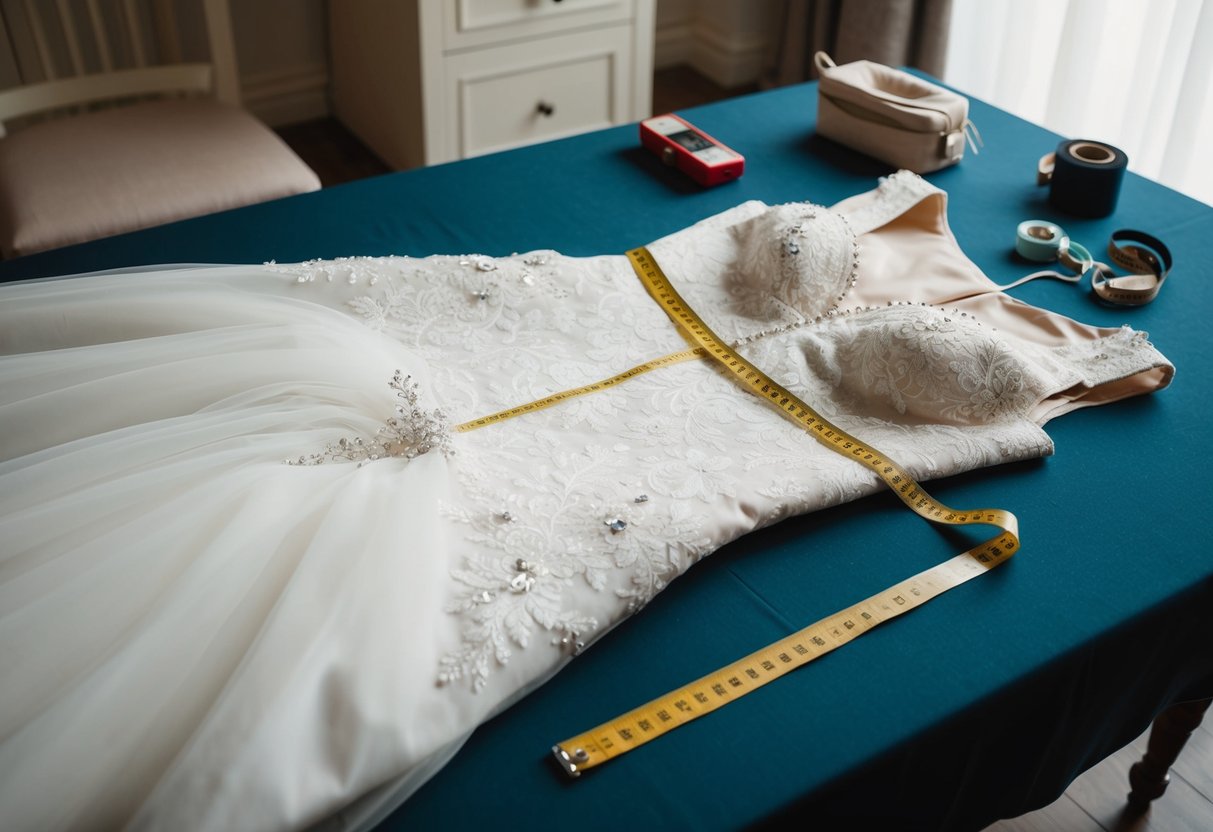
Choosing to hem your wedding dress is an important step towards achieving that stunning fit you desire. Factors like the length you need to adjust and any intricate details can influence the final price. Understanding these costs can help you budget effectively for your big day.
As you prepare to walk down the aisle, knowing what to expect for hemming your wedding dress can ease some of the stress. With the right information and planning, you can ensure the dress you envisioned will fit you beautifully.
Understanding Hemming and Its Importance
Getting your wedding dress hemmed is a vital step for achieving that perfect fit. A well-hemmed gown not only enhances your comfort but also ensures you look stunning on your special day.
The Basics of Hemming a Wedding Dress
Hemming is the process of shortening the bottom of your wedding dress to ensure it fits your height. It involves removing excess fabric and securing the hemline so it looks neat and polished.
You may choose a basic hem if your dress is made of simple fabric. For more intricate styles, like those with lace or beading, a more delicate approach is needed. It’s not just about cutting; it’s about preserving the dress’s beauty.
Make sure to communicate with your seamstress about how much length you want to remove. This helps ensure that your dress falls perfectly without any fabric bunching or dragging on the floor.
Why a Perfect Hemline Is Crucial for Your Wedding Gown
A perfect hemline is essential for both style and safety. If the hem is too long, it can cause you to trip, making it hard to walk gracefully. A tailored fit can prevent those awkward moments when you’re trying to move.
Additionally, a well-done hem enhances your gown’s overall appearance. It brings out the dress’s design and ensures that all the details, like lace or embellishments, are displayed beautifully.
Investing time in getting the hem right is key. A meticulously done hem will help you feel confident as you walk down the aisle, allowing you to focus on celebrating your special day.
Factors Affecting the Cost of Hemming
The cost of hemming a wedding dress can vary widely. Several key factors influence what you will pay for this alteration, including the fabric type, design complexity, and any additional customization or alterations needed.
Fabric Type and Dress Design
The fabric of your wedding dress plays a significant role in the hemming cost. Delicate materials like silk or lace require special handling, which can increase labor time and costs. Dresses made of heavier fabrics like satin may be easier to hem but still require skill.
Your dress design can also affect the price. A simple A-line dress will generally cost less to hem than a ball gown with multiple layers or a mermaid style. More layers mean more work, resulting in higher costs.
Intricate Details and Customization Work
If your wedding dress has intricate beading or embroidery, expect to pay more for hemming. The process of carefully removing or adjusting these details takes additional time and precision. Each bead or stitch needs to be considered so that the final look remains flawless.
Customization requests, such as changing the hem style, can also increase costs. You may want a scalloped edge or a different length, which may require extra materials and effort. Be prepared for a price change if you ask for any special designs or alterations.
Additional Alterations Beyond the Basic Hem
Sometimes, you may need more than just a hem. If your dress needs adjustments in fit, like taking in seams or altering the bodice, this will add to the overall cost of your alterations. Each adjustment requires time and expertise, affecting your total budget.
Keep in mind that different seamstresses have varying rates for additional work. It’s important to discuss all your needs upfront to get a clear estimate of costs, ensuring you don’t get any surprises later.
Choosing the Right Professional for Your Alterations
When it comes to altering your wedding dress, finding the right professional is essential. Different options are available, each bringing unique skills. Understanding these differences can help you make an informed choice.
Differences Between Seamstress and Tailor Services
The terms “seamstress” and “tailor” often cause confusion, but they have distinct roles. A seamstress typically focuses on alterations, like adjusting hems or taking in seams. They are skilled in working with various fabrics and often specialize in women’s clothing.
On the other hand, a tailor usually specializes in custom fitting, often for suits or formal wear. They have training in precise measurements and may create garments from scratch.
For your wedding dress alterations, hiring an alterations specialist, whether a seamstress or tailor, means ensuring they have experience with bridal alterations. This expertise is crucial for handling delicate materials and intricate designs.
The Role of Bridal Shops and Independent Seamstresses
Bridal shops often have in-house seamstresses or alterations specialists who know the ins and outs of wedding dresses. They are familiar with the particular styles and fabrics used, ensuring a better fit for your special day.
Independent seamstresses can also be an excellent choice. They may offer more personalized service and flexibility with schedules. Many are skilled in bridal alterations, but be sure to review their portfolio and ask for references.
Choosing between a bridal salon and an independent seamstress depends on your needs and preferences. Ultimately, both options can provide the careful attention your wedding dress deserves.
Budgeting for Your Wedding Dress Alterations
When planning for your wedding dress alterations, it’s essential to understand the costs involved. From hemming to adding intricate details, being aware of these expenses will help you budget better and avoid surprises.
Average Cost of Wedding Dress Alterations
The average cost of wedding dress alterations can vary widely. For basic adjustments like hemming, expect to pay between $125 and $450. The complexity of your dress plays a significant role in determining the price.
To give you a clearer picture, here are some typical costs:
- Hemming: $50 to $300
- Bodice adjustments: $100 to $400
- Taking in or letting out seams: $50 to $150
For more extensive customizations, the cost could increase significantly, sometimes reaching up to $800 or more.
Extra Costs: Beading, Bustles, and Rush Fees
Additional alterations can add to your budget. Beading, for example, can range from $20 to $100 per hour. The cost depends on the detail required.
Adding a bustle can also cost between $50 and $150. This is especially true if your dress has layers or intricate designs.
Don’t forget about rush fees. If you need alterations completed quickly, you may face extra charges. These fees can range from $50 to $200, depending on how fast you need the work done.
By being informed about these costs, you can plan and manage your wedding dress budget effectively.