
How Much Does the Average Person Spend on Their Wedding? A Look at Today’s Costs and Trends
Planning a wedding can feel overwhelming, especially when you’re trying to figure out how much you’re going to spend. On average, couples spend around $33,000 on their wedding, but costs can vary widely based on several factors. This includes the number of guests, the location, and the services you choose to include in your wedding budget.
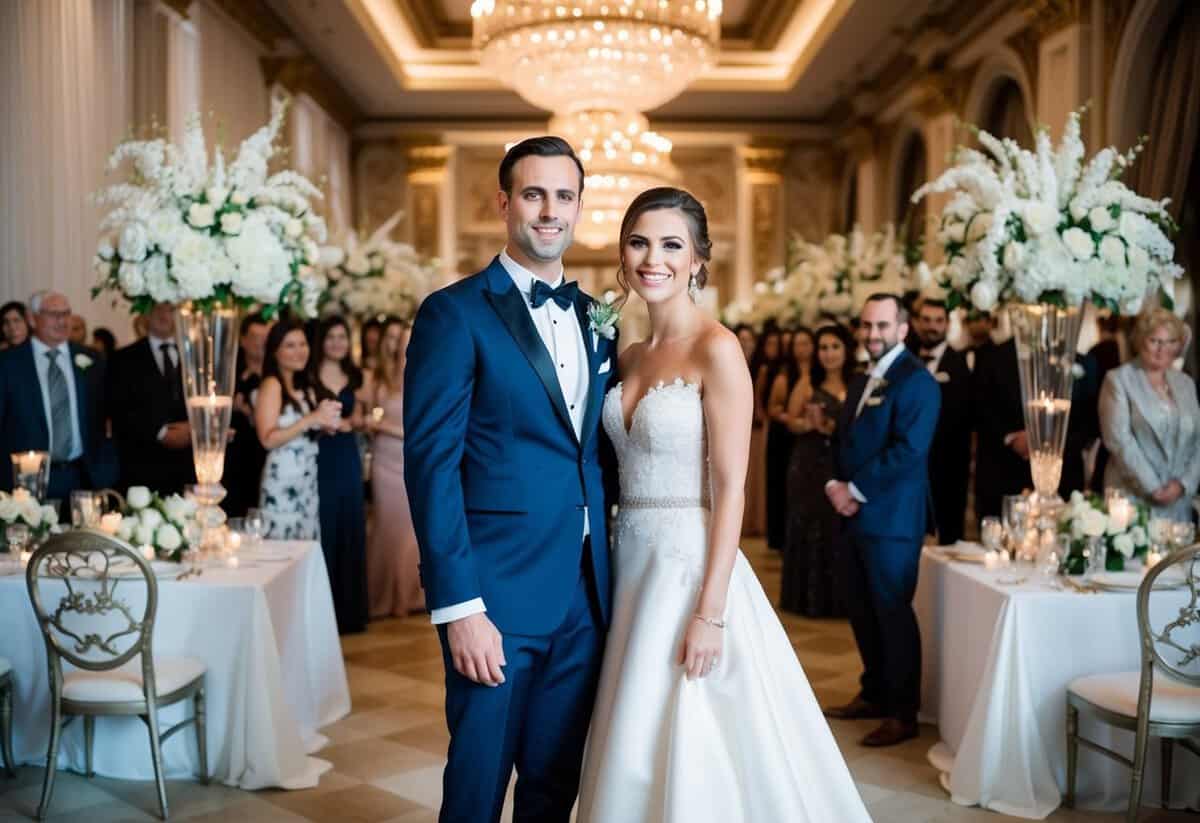
As you embark on your journey of wedding planning, keep in mind that you can celebrate your special day without breaking the bank. Whether you’re dreaming of a grand celebration or an intimate gathering, understanding the average cost of a wedding can help you make informed decisions that fit your lifestyle and financial goals.
It’s essential to consider all the elements that contribute to the overall cost, from venue fees to catering and decoration. This knowledge can empower you to create a wedding that is uniquely yours while staying within budget.
Understanding Wedding Costs
Wedding costs can vary widely based on several factors. Knowing the key influences can help you create a budget that works for you. Here’s what you need to consider when planning your special day.
Key Factors Influencing Wedding Expenses
Several key factors affect how much you will spend on your wedding.
-
Guest Count: Your cost per guest can significantly impact your total budget. The more guests you invite, the higher your expenses for food, drinks, and seating.
-
Venue: The reception venue often takes up a large portion of your budget. Popular locations may charge more, especially during peak wedding season.
-
Vendors: Choosing quality vendors, such as photographers and caterers, affects your overall cost. Their prices can vary greatly based on experience and demand.
-
Wedding Dress: The cost of your wedding dress can range widely. You can find beautiful options at various price points to fit your budget.
Understanding these factors helps you make smarter financial decisions.
Comparisons by Location and Size
Wedding expenses can differ greatly depending on where you live and the size of your event.
-
Geographic Variations: The average wedding cost varies by state. For instance, states like New York typically have higher wedding costs due to demand.
-
Size Matters: The average wedding cost can rise dramatically with larger guest lists. For example, spending on a wedding with 200 guests is significantly higher than for an intimate gathering of 50.
-
Average Costs: In 2023, the average wedding cost was around $30,119, rising to about $33,000 in 2024. Knowing these averages can guide your budget breakdown.
By considering your location and the size of your wedding, you can tailor your spending to meet your needs.
Budgeting for Your Wedding
Planning a wedding can feel overwhelming, especially when it comes to budgeting. Setting a clear budget will help you manage your spending and make the most important choices for your special day. Knowing where to save and what features to prioritize can make a big difference.
Creating a Wedding Budget
Start by listing your wedding expenses. Common costs include the venue, catering, flowers, and photography. You can create a simple table to track these expenses:
| Expense | Estimated Cost |
|---|---|
| Venue | $10,000 |
| Catering | $8,000 |
| Photography | $2,500 |
| Flowers | $1,500 |
| Attire | $2,000 |
This breakdown will guide you as you plan. Don’t forget to consider the cost per guest, which can greatly affect your budget. Average costs vary, but many couples spend around $150 to $300 per guest.
Saving on Wedding Costs
You can save money by choosing less expensive wedding features. For example, opt for a buffet instead of a plated meal. DIY decor can also cut costs while adding a personal touch. Consider these ideas:
- Off-Season Weddings: Booking during off-peak times can reduce venue costs.
- Limit the Guest List: Fewer guests mean lower catering and venue expenses.
- Destination Weddings: Sometimes, they can be more cost-effective for smaller groups.
By focusing on what truly matters and finding creative ways to save, you can stick to your budget and enjoy your wedding day.
Major Expense Categories
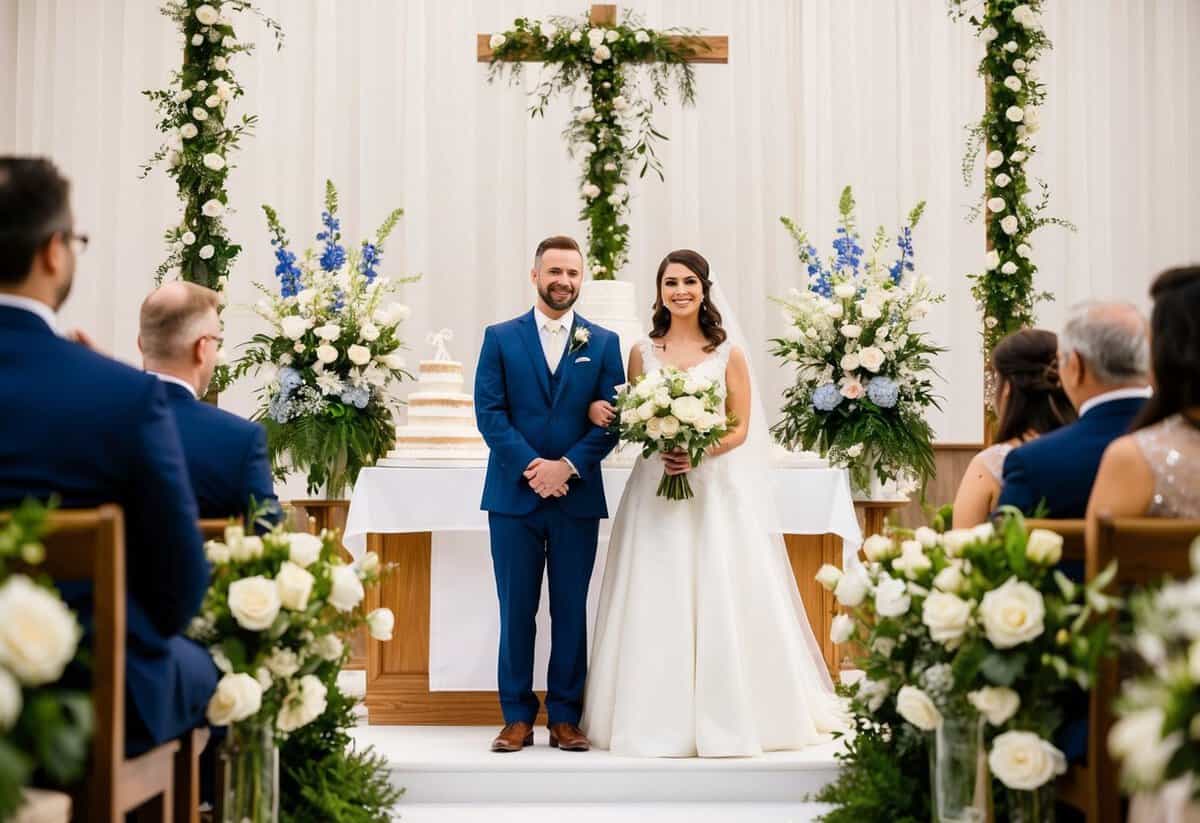
Planning a wedding involves various costs that can quickly add up. Here are the main categories where you will likely spend the most money.
Venue and Catering
The venue is often the biggest part of your wedding budget. Depending on location, wedding venue costs can range from a few thousand to over $10,000. Popular venues may charge extra fees for prime dates or large guest lists.
Catering is another major expense. Many couples spend around $70 to $150 per guest for food and drinks. This includes options like buffets, plated meals, or family-style serving. If you’re hiring a wedding planner, they can help you select a suitable vendor within your budget.
Attire and Rings
You will want to budget carefully for attire and rings, as they are essential to your wedding day. The average cost of a wedding dress ranges from $1,000 to $2,500, but you may find beautiful options at different price points. Don’t forget to include alterations, which can add additional costs.
Engagement rings typically cost around 1 to 2 months of salary, depending on your budget. Wedding bands can also range significantly, often costing between $500 and $3,000. Choosing rings made of simpler metals can lower expenses.
Other Vendors and Elements
Besides the venue and attire, various other vendors contribute to your wedding experience. You might hire photographers, videographers, and florists. Together, these services can easily total several thousand dollars.
Your wedding planner can help manage these costs. Keep in mind that extras like wedding favors and decor also add to your overall budget. Aim to create a detailed list of your needs and prioritize spending. This way, you can make informed decisions without overspending.
Post-Wedding Considerations

After your wedding, there are important steps to take regarding gifts and registries. You want to handle everything smoothly to show appreciation and stay organized.
Managing Wedding Gifts and Registries
Once the big day is over, it’s time to manage your wedding gifts. Create a list of all the gifts you received and who gave them. This will help you when it’s time to send thank-you notes.
If you set up a wedding registry, make sure you know how it works. Many registries allow you to exchange items or receive store credits for items not purchased. This can be handy, especially if your tastes change or you receive duplicates.
Remember to express gratitude. Sending personalized thank-you cards shows appreciation and nurtures good relationships. Aim to send your notes within three months after the wedding to stay timely.
Lastly, think about how you’ll use your gifts. Some couples choose to save their gifts for special occasions, while others use them right away. Enjoy this new chapter with the items that symbolize support from family and friends.