
How Much Does the Average Wedding Cost in the UK? A Comprehensive Breakdown for Couples
Planning a wedding can feel overwhelming, especially when it comes to budgeting. In 2023, the average wedding cost in the UK was around £20,700, and this figure is expected to increase in 2024. With so many details to consider, you need to know where your money is going and how to manage your wedding budget effectively.
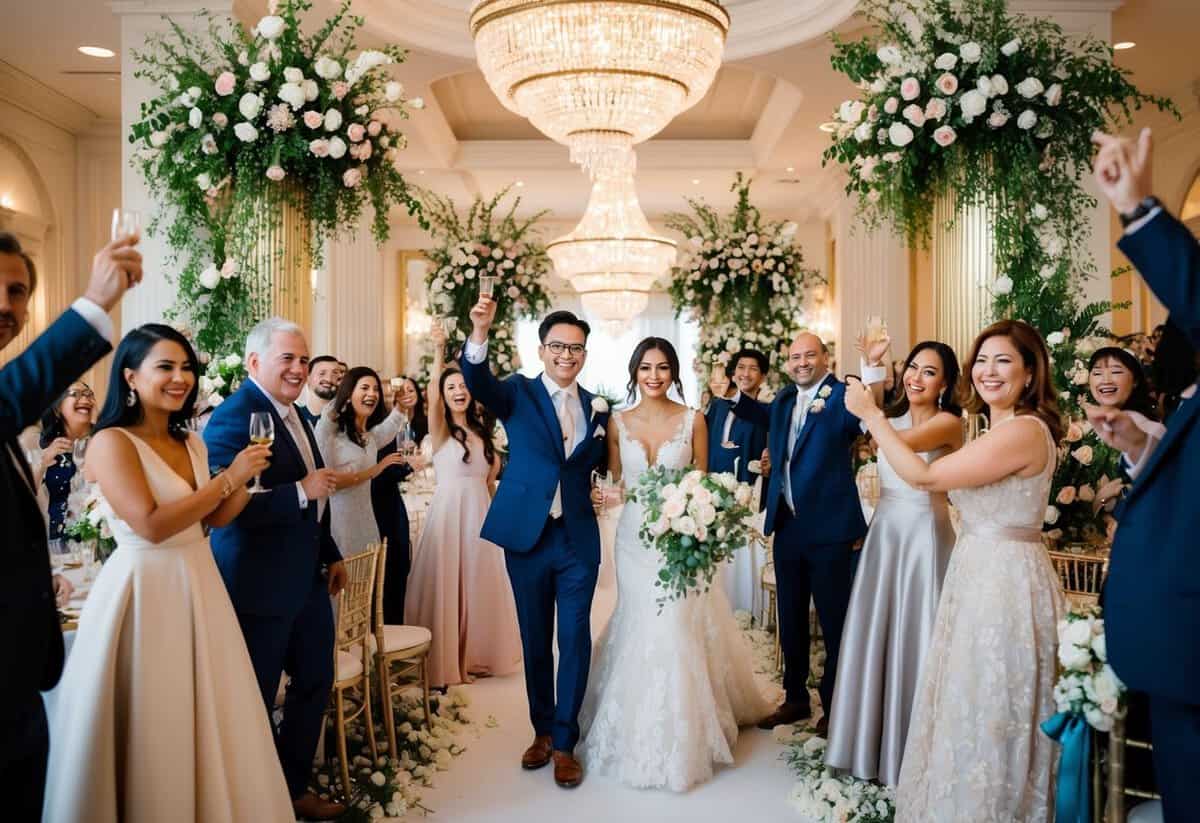
The costs can vary greatly depending on factors like location and the number of guests. For instance, weddings in London can average as high as £36,778, while those in other regions like Scotland and Wales tend to be more affordable. You can find useful insights in reports like the UK wedding report 2024 from Bridebook, which breaks down expenses across different categories.
Understanding the average costs can help you plan better and make informed decisions. Whether you’re looking to splurge on certain elements or keep it simple, knowing the typical spending can guide you in creating a memorable day without breaking the bank.
Understanding Wedding Costs
Planning a wedding means getting familiar with various expenses. Knowing the average costs can help you create a realistic budget while avoiding surprises. Let’s break down the average wedding costs and explore some factors that influence them.
Breakdown of Average Costs
The average cost of a wedding in the UK is around £20,775, according to recent data. Here’s a brief breakdown of common expenses:
- Venue: £8,800
- Catering: £80 per guest
- Photography: £1,500
- Flowers and Decorations: £1,500
- Wedding Dress: £1,300
- Entertainment: £1,000
Additional costs may include planning fees, transportation, and stationery. These wedding expenses can vary based on your choices. For instance, weekend weddings tend to be more expensive than weekday ones. Also, keep in mind that hidden wedding costs like guest accommodations or cake cutting fees can add up.
Factors That Influence Costs
Several factors can affect your total wedding costs. These include:
- Location: Weddings in major cities like London often cost more than those in rural areas.
- Date and Time: Popular months and weekends usually have higher rates. You may save by choosing a less popular date.
- Guest Count: More guests lead to increased catering and venue costs. Plan your guest list carefully.
- Seasonality: Costs can vary by season, with summer weddings often more expensive.
Being aware of these factors can help you plan better and adjust your wedding budget breakdown according to your priorities.
Key Elements of Wedding Planning
Planning your wedding involves several important steps. You’ll need to consider the venue, select the right vendors, and finalize your guest list. Each of these elements plays a key role in creating the perfect day.
Choosing the Right Venue
Selecting a venue is one of the first decisions you’ll make. The location sets the tone for your wedding. Consider if you want an indoor or outdoor setting, a grand hall, or a cozy barn.
Venue hire costs can vary greatly depending on the type and location. A venue that offers catering might simplify your planning. Check if there’s space for your desired guest count to ensure everyone is comfortable.
Don’t forget to explore options that fit your style and budget. Consider the amenities included, such as tables, chairs, and audio equipment, as these can save you money on rentals.
Selecting Vendors and Services
After securing your venue, it’s time to choose your vendors. Photography and videography are crucial to capturing your day, so take your time reviewing portfolios. Ask for recommendations to find someone whose style resonates with you.
Next, consider catering. Understand the catering costs, as they can take up a large part of your budget. Ask potential caterers for tastings and detailed quotes.
Don’t overlook other key services like florists, wedding music, and entertainment. A good wedding planner can help you coordinate these details. They usually charge a percentage of your total budget but can save you time and stress.
Finalizing the Guest List
Your guest list impacts many aspects of your wedding, from venue size to catering. Start by drafting an initial list and then review it carefully. Consider the relationships that matter most to you.
Think about whether you want to invite children or keep it adults-only, which can affect your guest count. Keep in mind that each guest adds costs for food and drinks.
Send invitations well in advance to ensure your guests can plan accordingly. Be sure to follow up with those who haven’t responded as the date approaches. You want everyone to feel welcomed and included on your special day.
Personalizing Your Wedding Budget

When planning your wedding budget, it’s important to consider personal preferences and smart strategies to save money. Customizing your budget helps ensure you spend where it matters most to you, giving your big day a unique touch.
Incorporating Personal Preferences
Your wedding reflects your style and interests. Start by identifying what elements are most important to you. For example, if a stunning wedding dress is a priority, allocate a larger portion of your budget to it. Typically, the average wedding dress cost can be around £1,500, so plan accordingly.
Also, think about your wedding cake. Choosing a simple design can keep costs down while still being beautiful. Consider your wedding favours, which can be personalized to match your theme but don’t need to be extravagant. Allocate funds for wedding flowers, as they can enhance the ambiance.
Remember, prioritizing these details can make your wedding feel special without going over budget.
Strategies for Saving
Finding ways to save money is essential when personalizing your wedding budget. One effective strategy is to consider an off-peak wedding. Getting married in the winter or during quieter months can reduce costs significantly. January and February are typically the cheapest months to get married.
Another option is to rent a wedding marquee instead of booking a venue, which can be more flexible and affordable. Don’t forget to shop around for hair and makeup services; local professionals often offer competitive rates.
Using a personalized wedding budget planner can help you track all expenses, including additional costs like stationary and toastmaster fees. This tool keeps you organized and focused on your spending plan, making it easier to stick to what you can afford.