
How Much Fabric Do I Need for a Backdrop? Easy Guide for Your Next Event
When planning your next photography session or DIY project, a fabric backdrop can add a beautiful touch. For a simple backdrop, you will typically need about 4 to 5 yards, or 12 to 15 feet, of fabric. This amount allows you to create a stunning display without overwhelming your space.
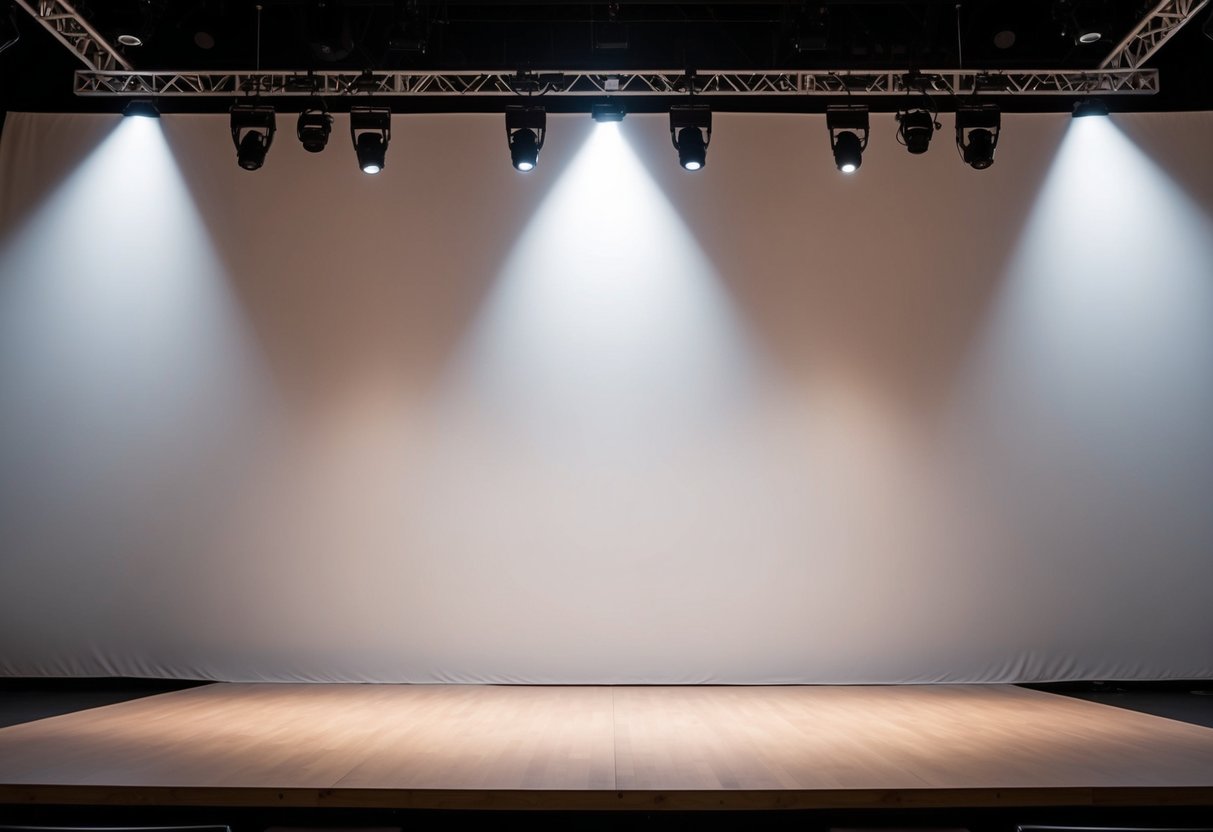
Choosing the right fabric for your backdrop is also important. Options like muslin are popular because they offer a nice, smooth finish for photos. Whether you’re capturing special moments or setting up a display, knowing how much fabric you need will make your preparation much easier.
With the right amount of fabric, you can create an eye-catching photo backdrop that enhances your pictures. Get ready to impress your friends and family with your DIY skills and thoughtful design!
Determining Fabric Needs
Figuring out how much fabric you need for a backdrop is essential for your project. Accurate measurements and the right type of fabric ensure your backdrop looks great.
Measuring the Space
Start by measuring the area where you’ll set up your backdrop. Use a measuring tape for accuracy. Consider both the height and width.
- Height: Measure from the floor to the desired top of the backdrop.
- Width: Measure how wide you want the backdrop to be.
You might want extra fabric to allow for gathering or draping. If you’re using a photography backdrop, think about how much space you need for camera angles and movement.
Lastly, always round up your measurements, especially if you’ll be cutting fabric. This gives you extra material for mistakes or adjustments.
Types of Fabric
Choosing the right type of fabric matters for the look and feel of your backdrop. Here are some popular options:
- Stretch Fabric: This fabric is versatile and can be fitted easily. It helps create a smooth, tight look.
- Canvas: Heavy and durable, perfect for larger installations.
- Muslin: Lightweight and easy to work with, often used in photography. It allows for beautiful, soft backgrounds.
Consider the purpose of your backdrop. If it’s for a party or photography, certain fabrics work better than others. Each type has its benefits, whether it’s flexibility or ease of cutting fabric for specific shapes. Choose what best suits your design goals.
Preparing to Make a Fabric Backdrop
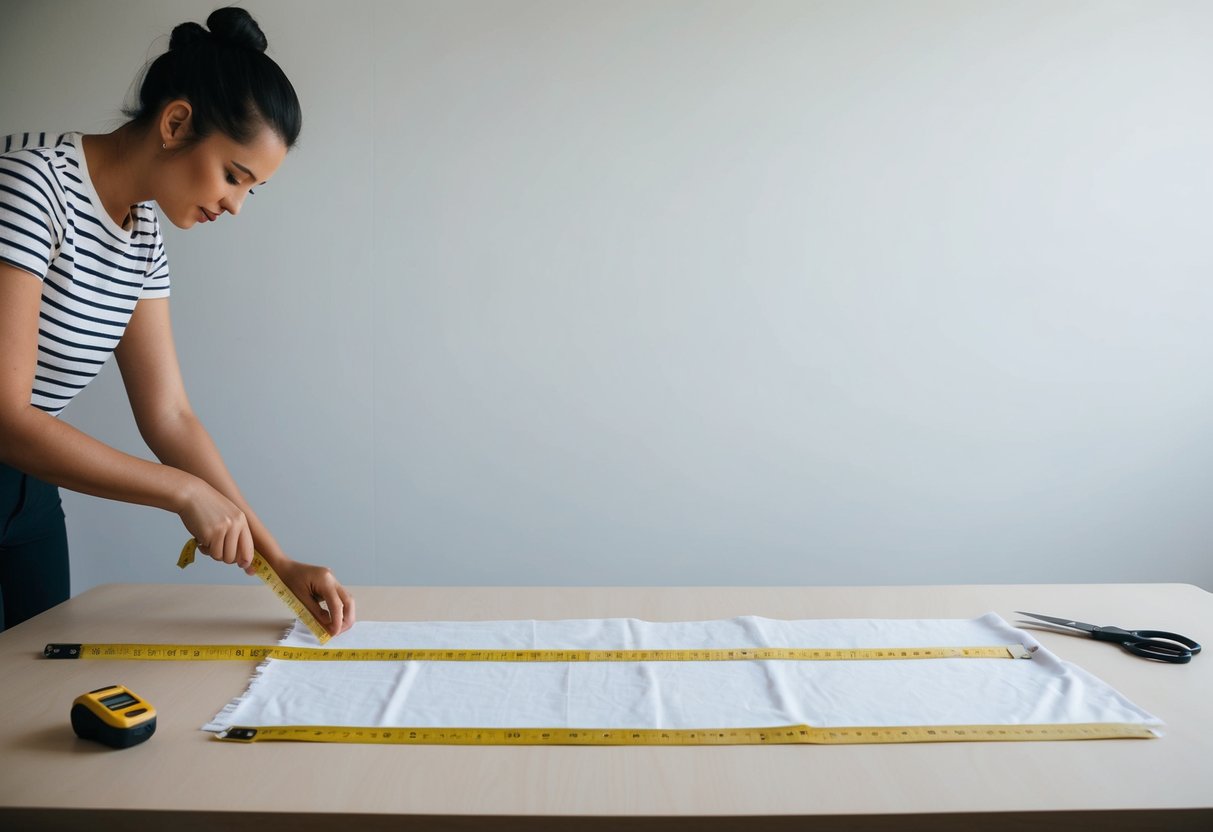
Before you start creating your fabric backdrop, it’s important to be well-prepared. This means gathering the right tools and setting up a comfortable workspace. With everything in place, you’ll find the process much smoother and enjoyable.
Gathering Your Tools
To make your fabric backdrop, collecting the right tools is essential. Here’s what you will need:
- Fabric: Choose a fabric that fits your vision. It can be solid for a classic look or patterned for something fun.
- Rotary Cutter or Fabric Cutting Scissors: A rotary cutter is great for straight lines, while scissors work well for detailed cuts.
- Cutting Mat: This protects your surfaces and allows for cleaner cuts.
- Cutting Table: A large, flat space makes it easier to work with big pieces of fabric.
Having these tools ready will help you cut and handle the fabric with ease. Consider using an adjustable backdrop stand for hanging your finished piece.
Setting Up Your Workspace
Creating a dedicated workspace is key to crafting your backdrop effectively. Start by clearing a large flat surface, like a cutting table, to accommodate your fabric size.
Ensure your area has good lighting to see all the details clearly. Good light prevents mistakes and helps you spot any flaws in the fabric.
Organize your tools so that everything is within arm’s reach. This setup minimizes time spent searching for items and keeps your workflow smooth. Having an extra chair nearby can also provide a place to sit while brainstorming ideas.
Assembling Your Backdrop
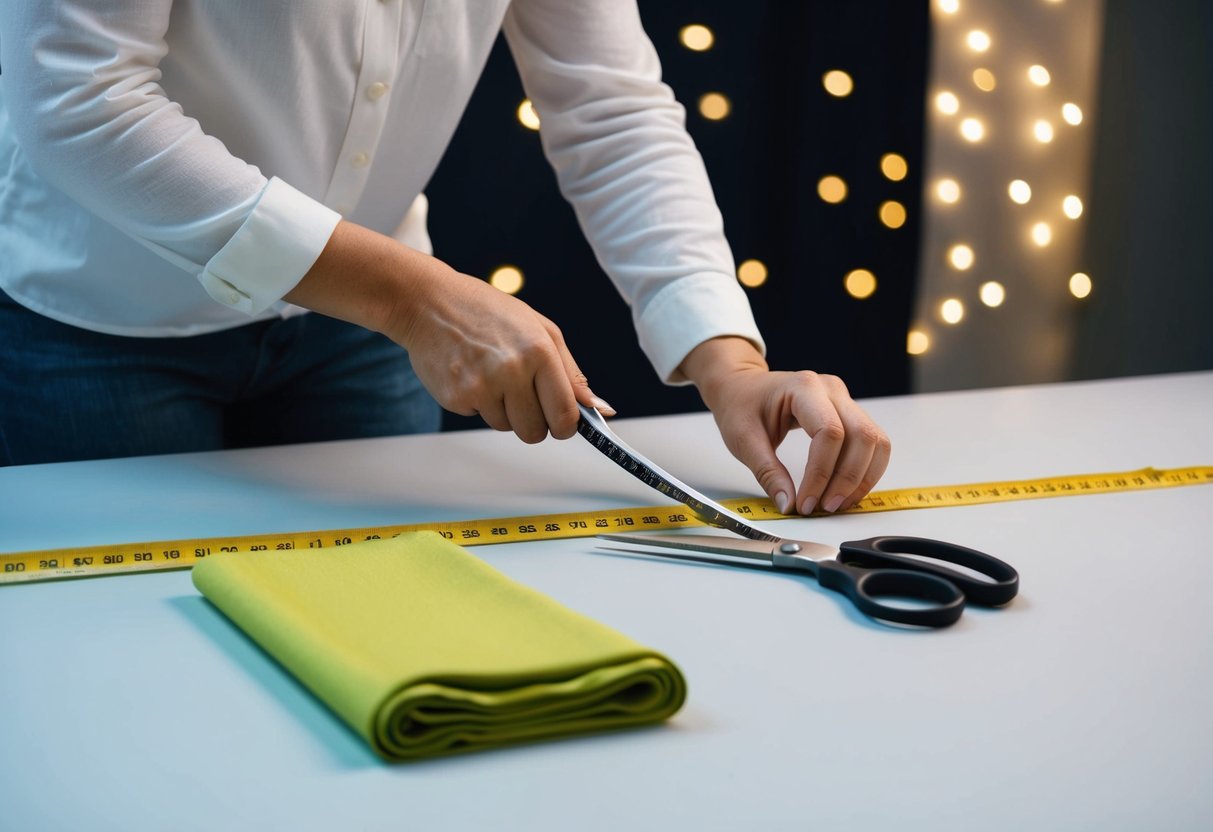
Assembling your backdrop is an essential step for achieving the look you want. You’ll focus on cutting and hemming the fabric and adding support elements to ensure your backdrop hangs beautifully and securely.
Cutting and Hemming
Begin by measuring your fabric carefully. You want the canvas backdrop to have the right dimensions for your space. Typically, you might need about 4-5 yards for a simple backdrop.
Once you have your measurements, cut the fabric to size. Don’t forget to leave extra fabric for the hem! Hemming helps prevent fraying. You can use a sewing machine or fabric glue for a no-sew option. A straight stitch is great for hems.
Press down the hems with an iron for a crisp finish. If you’re using a canvas backdrop, it’s sturdy enough to handle the weight of draping. For a clean look, trim any excess threads. This careful prep work makes assembling much smoother.
Adding Support Elements
Next, think about how to hang your backdrop. You might want to use a wooden dowel, a curtain rod, or even parachute cord for easy setup. If you choose a dowel, make sure it’s sturdy enough to hold the weight of the fabric.
Secure the fabric to your chosen support. If you’re using a dowel, fold the fabric over the top, then use a staple gun or stapler to attach it. This method creates a clean top edge and makes it easy to hang.
If you want more stability, consider adding extra support with ties or clips. Use fabric clips or create loops in the fabric for the parachute cord. This will help keep your backdrop from swaying or drooping, especially in a busy environment.
Care and Maintenance
Taking care of your fabric backdrop is essential to keep it looking great for future use. Proper cleaning and storage will help extend the life of your backdrop, ensuring you get the best results from your DIY photo backdrops.
Cleaning Tips
Keeping your fabric backdrop clean prevents stains and damage. Here are some effective cleaning tips:
- Dust Removal: Shake the backdrop gently to remove dust. For hair or lint, use a handheld vacuum or a lint roller for a thorough clean.
- Spot Cleaning: If there are stains, use a damp cloth with mild detergent. Avoid harsh chemicals, as they can harm the fabric.
- Ironing: If your backdrop has wrinkles, lay it flat and use a low heat setting on an iron. Always iron from the back to avoid any heat damage. A fabric steamer can also help remove creases effectively.
Just remember to clean your backdrop before storing it to prevent any buildup of dirt or stains.
Storage Solutions
Storing your fabric backdrop properly protects it from damage. Here are some helpful storage solutions:
-
Keep it Dry: Make sure the fabric is completely dry before storing. This helps prevent mold and mildew.
-
Folding: Fold your backdrop neatly to avoid creasing. You can also loosely roll it to save space, but avoid tight rolls that may cause wrinkles.
-
Zipper Bags: If your backdrop has a zipper, keep it closed during storage to maintain its shape. Use breathable storage bags to avoid moisture buildup.