
How Much Food Do You Need at a Wedding? Tips for Planning the Perfect Menu
Planning a wedding can be both exciting and overwhelming, especially when you need to figure out how much food to serve your guests. A good rule of thumb is to plan for approximately one pound of food per guest, which includes both appetizers and the main meal. This will help ensure that everyone leaves satisfied and happy.
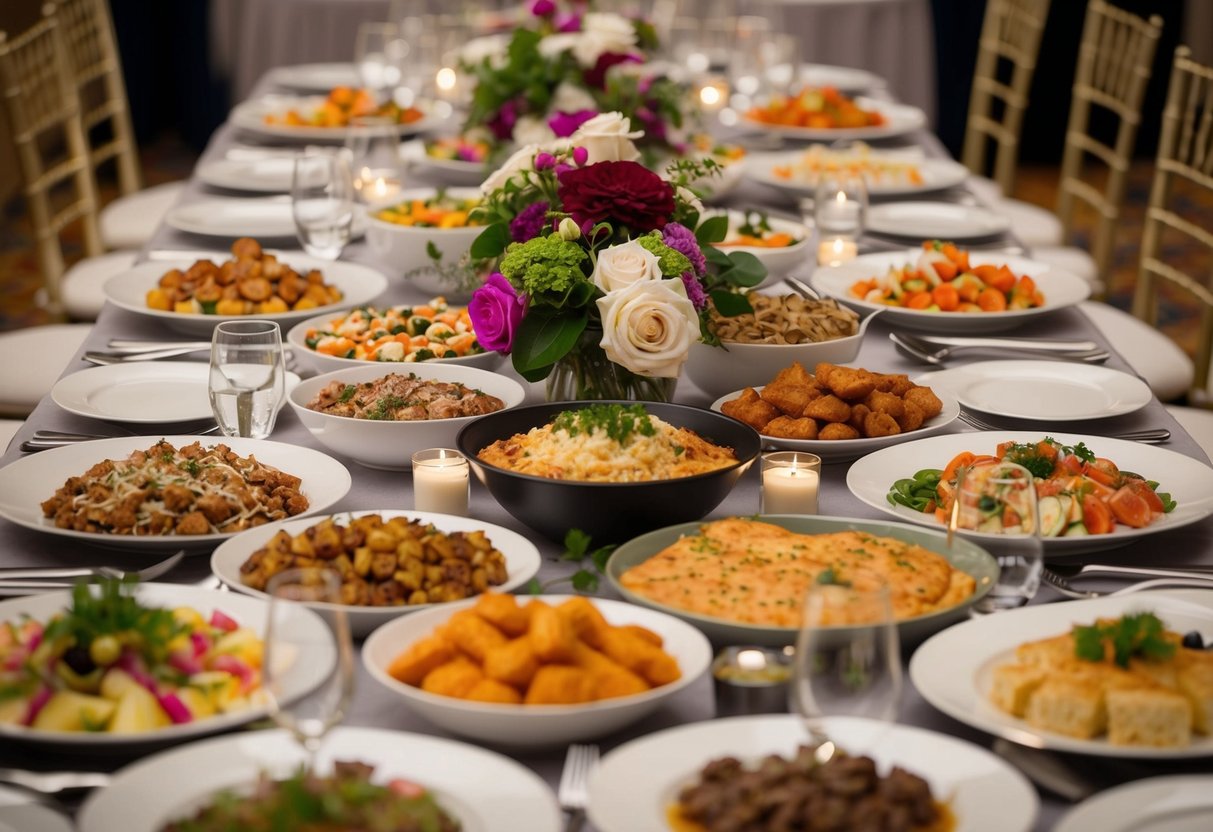
As you think about your menu, consider the type of service you’ll have—buffet style might require a bit more food than plated service. Also, take into account dietary restrictions and preferences, which can impact how much you need to prepare. Keeping an eye on these details will help you create a delightful experience for your guests.
The right amount of food not only enhances your wedding’s atmosphere but also shows your guests how much you care about their comfort and enjoyment. Use this guide to help you navigate your food planning and make your special day a memorable one.
Understanding Guest Count and Portion Sizes
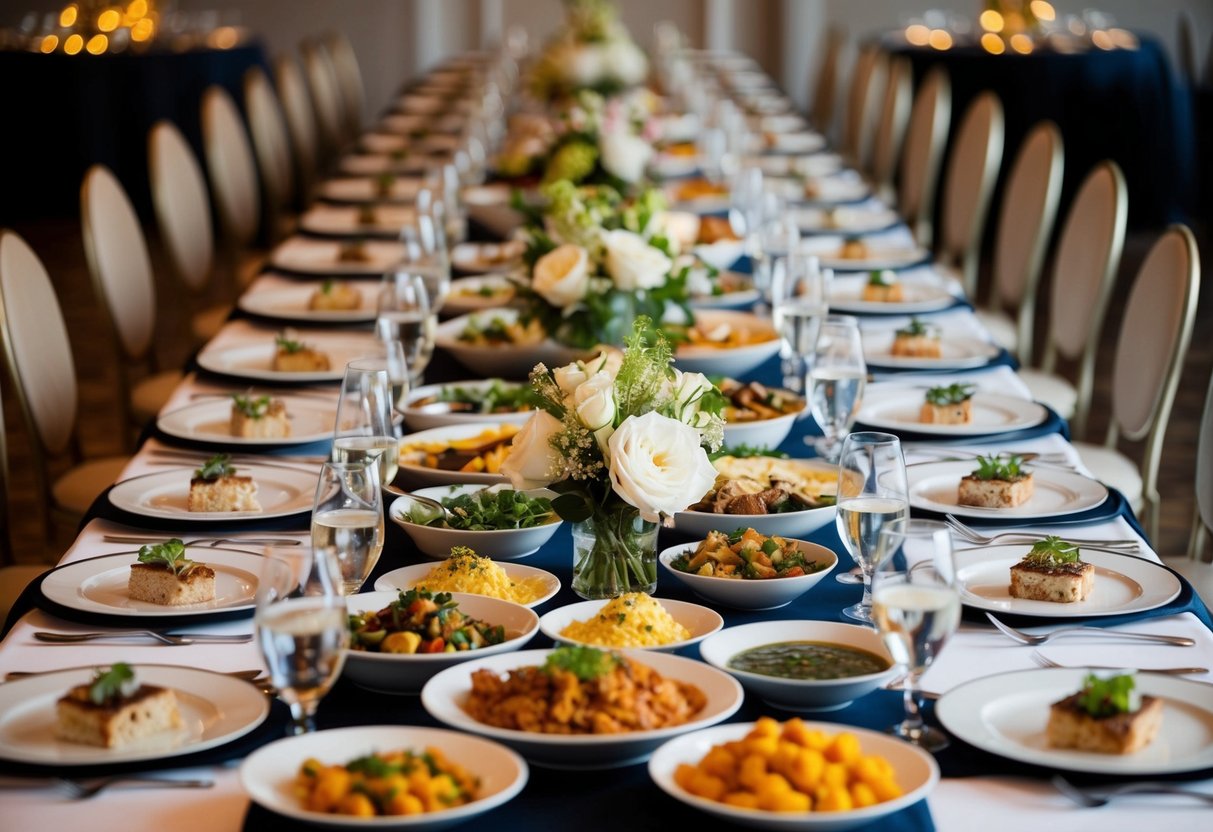
Getting the right amount of food for your wedding starts with knowing how many guests will attend and what portion sizes will satisfy them. Both factors greatly affect how much food you need, helping you avoid waste while ensuring everyone is happy.
Determining Your Wedding Guest List
Start by creating a list of everyone you want to invite. Use a spreadsheet or a simple note to keep track. Consider factors like venue capacity, budget, and relationships.
When making your list, think about possible plus-ones and children. Children typically eat smaller portions, so adjust their numbers accordingly. For example, if you expect 100 adults, you might estimate 10 children. This helps you get a good estimate of your total guest count.
Deciding on Portion Sizes and Food Per Person
Once you have your guest count, it’s time to decide on portion sizes. Generally, you should plan for about 1.25 pounds of food per adult. This includes all courses—appetizers, main dishes, and sides.
For a buffet, guests often serve themselves, which can reduce concerns about exact portions. A good guideline is:
- Protein: 6 ounces
- Side dishes: 3.5 ounces each for vegetables and starches
This planning helps ensure your guests feel satisfied without overindulging.
Estimating Leftovers and Managing Waste
Estimating leftovers can be tricky but is important for good planning. If you expect many guests, plan for slightly more food, but don’t overdo it.
A good rule is to prepare enough for about 80-90% of your guest count. This means if you have 100 guests, prepare food for around 80-90 people, keeping your budget in mind.
Consider ways to manage leftovers, like offering guests to take some food home or donating it afterward. This way, you minimize waste and ensure your food is appreciated.
Selecting the Right Catering Options
Choosing the right catering style is vital for making your wedding enjoyable for your guests. It’s essential to consider the dining experience you want to create as well as your guests’ needs.
Choosing Between Buffet-Style and Family-Style
When picking a catering option, consider buffet-style and family-style meals. In a buffet, guests can serve themselves from a variety of dishes. This gives everyone the chance to pick what they like, ensuring they eat enough.
On the other hand, family-style service involves passing large bowls or platters around the table. This style encourages sharing and conversation. It can feel more intimate and personalized, making it great for smaller weddings.
Both styles can work depending on your guest count and venue. Ensure your caterer provides a balanced menu suitable for your choice, including appetizers, mains, and desserts.
Incorporating Dietary Restrictions and Preferences
It’s important to think about your guests’ dietary restrictions and preferences. Many people have specific dietary needs, such as gluten-free, vegetarian, or vegan diets.
Talk to your caterer about creating a menu that accommodates these needs. Offering a variety of choices ensures that everyone feels included.
You might create a designated section on your menu that highlights diet-friendly options. Make sure to ask guests about dietary needs on the RSVP cards. This simple step can help you plan better and reduce waste, ensuring everyone enjoys the wedding food.
Curating the Wedding Menu
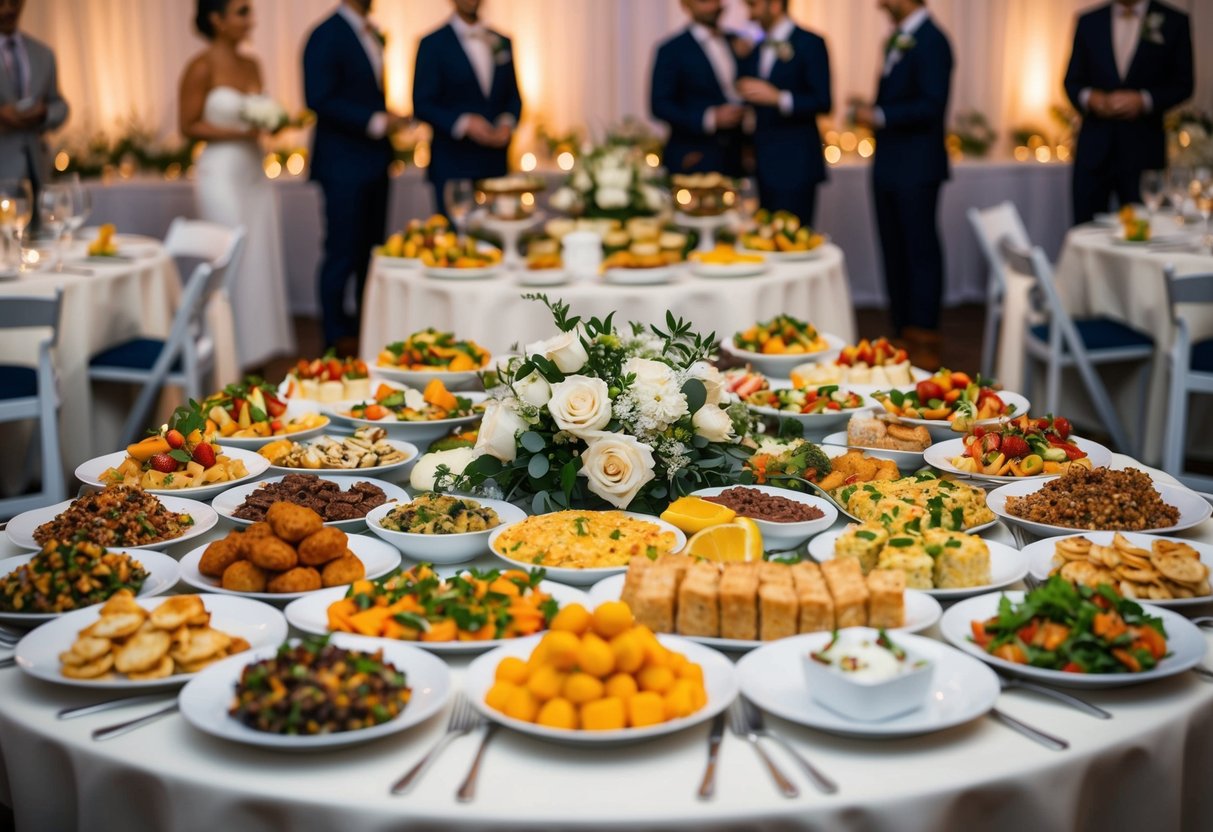
When planning your wedding menu, focus on offering a variety of delicious options that cater to your guests’ tastes. You want to create a memorable dining experience with thoughtful choices for main entrees, sides, appetizers, and desserts.
Selecting the Main Entrees and Side Dishes
Choosing the main entrees is essential. You might consider classic options like roasted chicken, grilled salmon, or vegetarian pasta. Aim for two or three choices to cater to different dietary preferences.
For side dishes, think about seasonal vegetables, hearty grains, and potatoes. A good rule is to offer at least two or three sides. Popular choices include garlic mashed potatoes, steamed asparagus, and a fresh garden salad. Each dish should complement your main entrees well.
Innovative Appetizers and Hors D’oeuvres for Cocktail Hour
Your cocktail hour sets the tone for the evening, so creative appetizers are key. Consider bite-sized options that are easy to eat while mingling. Choices like mini sliders, stuffed mushrooms, or bruschetta can be crowd-pleasers.
Don’t forget about the display! Beautiful platters of cheese, charcuterie, or shrimp cocktails not only taste great but also look appealing. This is a great way to get your guests excited about the meal to come.
Dessert and Wedding Cake Delights
Dessert is a highlight that your guests will remember. While the wedding cake is traditional, you can add variety with dessert stations. Think about serving cupcakes, cookies, or even a chocolate fountain.
For the cake, choose flavors that are special to you as a couple. Popular options include chocolate, vanilla, or red velvet. Don’t forget to plan for those who may not want cake; tasty alternatives like fruit tarts or dairy-free options can be a hit.
Planning the Drinks and Beverages
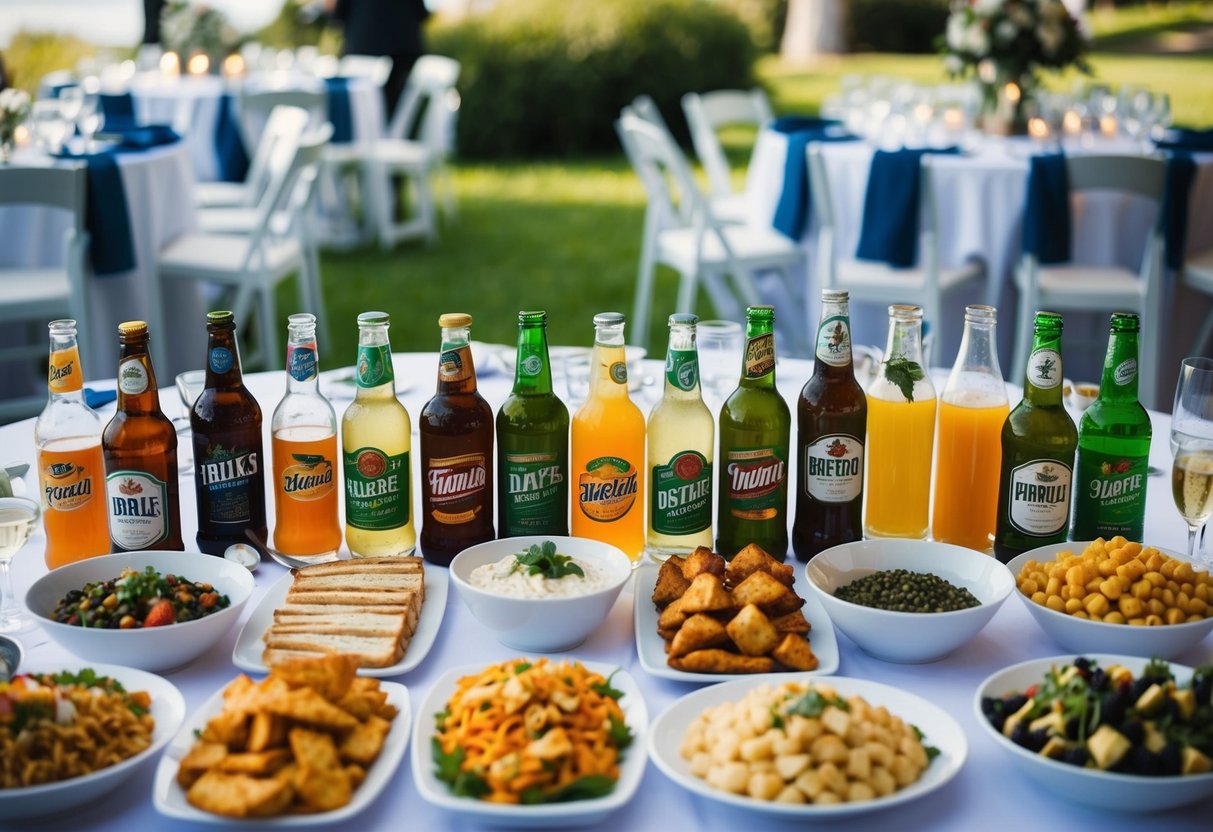
When planning drinks for your wedding, consider the type of reception you want and the number of guests. It’s important to provide a variety of beverages that fit your theme and accommodate your guests’ preferences.
Cocktail Reception Essentials
For a cocktail reception, you will want to focus on creating a welcoming atmosphere. Start with a selection of finger foods that pair well with drinks. Common options include mini sliders, bruschetta, and cheese platters.
Consider offering a signature cocktail to add a personal touch. You might want to have a mix of alcoholic and non-alcoholic options available to cater to all guests.
Make sure to have plenty of bread rolls or snacks to complement the beverages and keep guests satisfied throughout the evening. Remember, the more variety you provide, the happier your guests will be.
Using Drink Calculators and Estimating Quantities
Drink calculators can help you determine how much to buy. These calculators take into account factors like the number of guests and the duration of your reception.
A simple guideline is to plan for about one drink per person for each hour of the event. For example, if you have 100 guests at a 4-hour reception, you’ll need approximately 400 drinks in total.
Split your drink choices into categories: liquor, wine, and beer. You can aim for a mix like 50% liquor, 25% beer, and 25% wine. This way, you ensure there’s something for everyone. Keep in mind to adjust based on your guests’ preferences!