
How Much is a Registrar for a Wedding in the UK? Your Complete Guide to Costs
Planning your wedding in the UK can be exciting yet overwhelming. One important aspect to consider is the cost of hiring a registrar.
Typically, a registrar for a simple wedding ceremony can cost between £50 and £500, depending on the location and type of ceremony you choose. Whether you’re getting married in a registry office or at an approved venue, knowing these costs can help you budget effectively.

As you navigate your wedding planning, understanding how much a registrar will charge is essential. This includes costs for both civil partnerships and civil ceremonies. If you’re considering a religious ceremony, keep in mind that these often have different requirements and fees.
Looking for ways to save? Booking your registrar early and considering a weekday wedding can help lower your costs. This article will guide you through the different expenses, helping you make informed choices for your special day.
Understanding the Role of a Registrar
A registrar plays a vital part in your wedding by ensuring everything meets legal requirements. They guide you through the ceremony and help personalize your experience. Here’s what you need to know about their duties and how they differ from religious officiants.
Duties of a Registrar
Your registrar has several important duties during the wedding process. First, they check your identity and review necessary documents at the local register office before the ceremony. This includes verifying that you have the proper paperwork to ensure a smooth event.
On the big day, the registrar leads the civil marriage ceremony. They will explain the process and what is required from you and your partner. They also make sure you sign the marriage certificate, which is an important legal document. You might even discuss ways to personalize your ceremony, adding unique touches that reflect you as a couple.
Difference Between Registrars and Religious Officiants
Understanding the difference between registrars and religious officiants is key when planning your wedding. A registrar conducts civil marriage ceremonies that focus solely on the legal aspects of marriage. There are no religious elements, making it more straightforward.
On the other hand, religious officiants can incorporate faith-based traditions and values into the ceremony. If you prefer a spiritual approach, you might want to consider hiring a religious officiant instead. This choice can shape the tone and feel of your wedding day.
Steps to Book a Registrar for Your Wedding

Booking a registrar is an important part of planning your wedding. It involves a few key steps, including giving notice of marriage, choosing a registered venue, and arranging a meeting with the registrar.
Giving Notice of Marriage
You need to give notice of marriage at your local register office. This is a legal requirement in the UK. You must do this at least 28 days before your wedding date.
To give notice, you’ll need to provide certain documents, such as proof of identity and nationality. Bring your passport or national ID, along with proof of address, like a utility bill. If either of you has been married before, you must bring evidence of the dissolution of that marriage.
After submitting your notice, it will be displayed for 28 days. If there are no objections, you will receive a marriage schedule, which you’ll need for your ceremony.
Choosing a Registered Venue
Next, you need to choose where you want to get married. This can be either a register office or an approved venue. A register office is a government building where you can hold a simple ceremony.
If you prefer something more unique, you can look for an approved venue. Many hotels, barns, and beautiful outdoor locations are licensed for civil ceremonies.
When choosing a venue, check their availability and if they have a registrar available on your preferred date. You can book an appointment with the venue once you’ve made your choice. Ensure the location meets your style and budget. Remember, different venues may have different costs associated with hiring a registrar.
Arranging a Meeting With the Registrar
Once you have chosen a venue, it’s time to arrange a meeting with the registrar. You can usually do this through the register office where you gave notice.
When booking, provide your details and the venue information. During the meeting, you can discuss the ceremony’s details, including any specific requests you may have. The registrar will explain what to expect on the wedding day.
It’s important to ask questions during this meeting to clear any confusion. Make sure you confirm the registrar’s fees and any paperwork needed for the ceremony. A well-organized meeting makes your wedding day smoother.
Costs Associated With Hiring a Registrar
When planning your wedding, understanding the costs associated with hiring a registrar is crucial. These costs can vary greatly based on the type of ceremony, the day of the week, and any additional services you may need.
Basic Ceremony Rate
The basic rate for hiring a registrar for a registry office ceremony usually starts at £50 and can go up to around £500. This range depends on factors like the location and the complexity of the ceremony.
A simple ceremony typically costs less, whereas a more elaborate one, which includes additional guests or special requests, will increase the fees. Most couples find that the average registrar fee for a straightforward wedding ceremony is about £300. This fee usually covers the essential services needed to legally wed. Be sure to check with local registry offices, as rates may differ from one place to another.
Weekday vs. Weekend Rates
The day of the week you choose for your wedding can affect the cost of hiring a registrar. Generally, weekday weddings are more budget-friendly than those held on weekends.
You might save a significant amount by planning your ceremony for a Monday through Thursday instead of a Saturday or Sunday. In many cases, registry offices offer lower rates for weekday ceremonies, which can help stretch your wedding budget. If you have flexibility in your schedule, consider a weekday wedding to reduce overall costs.
Additional Fees for Services
In addition to the basic registrar fee, there may be extra charges for additional services. These can include items like travel costs if the registrar needs to come to a specific venue or any special requests you make for the ceremony.
Some registrars may also charge fees for extra paperwork or ceremonies that involve unique elements, such as personalized vows or music.
It’s important to discuss all possible costs when you book your registrar to avoid surprises on your wedding day. Always clarify these potential fees upfront to ensure you stay within your wedding budget.
Legal Considerations and Documentation
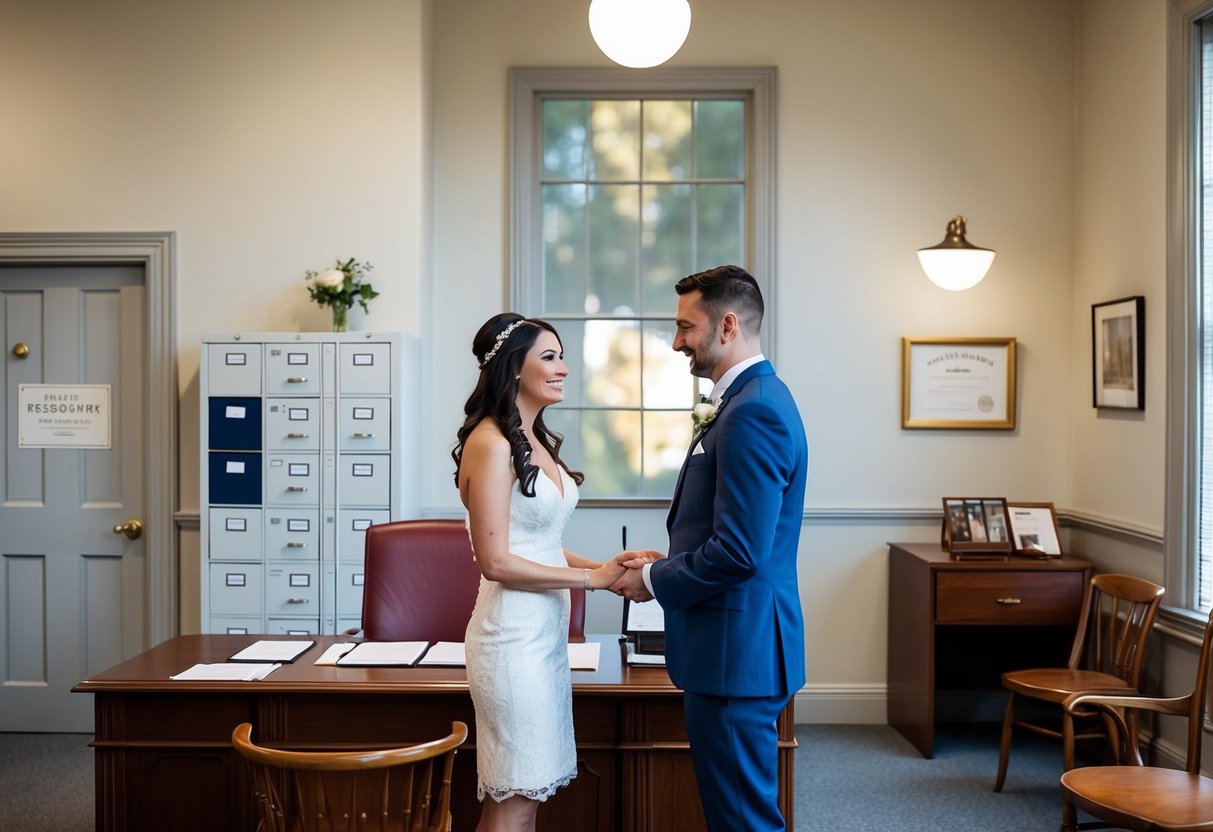
When planning your wedding, it’s essential to understand the legal requirements and documentation needed. This includes the legal statement you’ll need to make before marriage and the role of witnesses. Additionally, being aware of other legal matters can help avoid complications down the road.
Legal Statement Before Marriage
Before you tie the knot, you must make a legal statement affirming your right to marry. This involves both you and your partner confirming that there are no legal barriers, like previous marriages that haven’t been annulled or other restrictions.
This statement is typically made during a meeting with the registrar before the ceremony. You’ll both need to provide identification and any relevant documents, such as a birth certificate or proof of residency.
If you’re from outside the UK, a visa showing your right to be in the country is often required. This statement is a crucial step, making sure everything is in order for your big day.
Witnesses and Documentation
You need at least two witnesses present during your ceremony. These witnesses must be over 16 years of age.
They will sign the marriage register, which is an important legal document. Be sure to choose people who are reliable and can be there on your wedding day. Having good witnesses can help in case you need to deal with any legal matters later, like obtaining a marriage certificate.
When you apply for your marriage certificate, it will include personal details about both you and your partner and the date and location of your marriage.
Other Legal Matters
Considerations about name changes and how they affect legal documents are important too. Changing your last name after marriage can impact everything from bank accounts to your passport.
You may also need to provide documents related to previous marriages if they ended in divorce or annulment. If either partner passes away, a death certificate may also be necessary for legal processes afterward.
Understanding these legal aspects can ensure a smooth experience on your wedding day and in your future together.