
How Much Is a Wedding Officiant in Scotland? A Friendly Guide to Costs and Services
As you plan your special day in Scotland, one of the key questions to consider is the cost of hiring a wedding officiant. In Scotland, a wedding celebrant typically charges around £450. This amount can vary based on the type of officiant you choose, and it may include all the services needed for a memorable wedding ceremony.
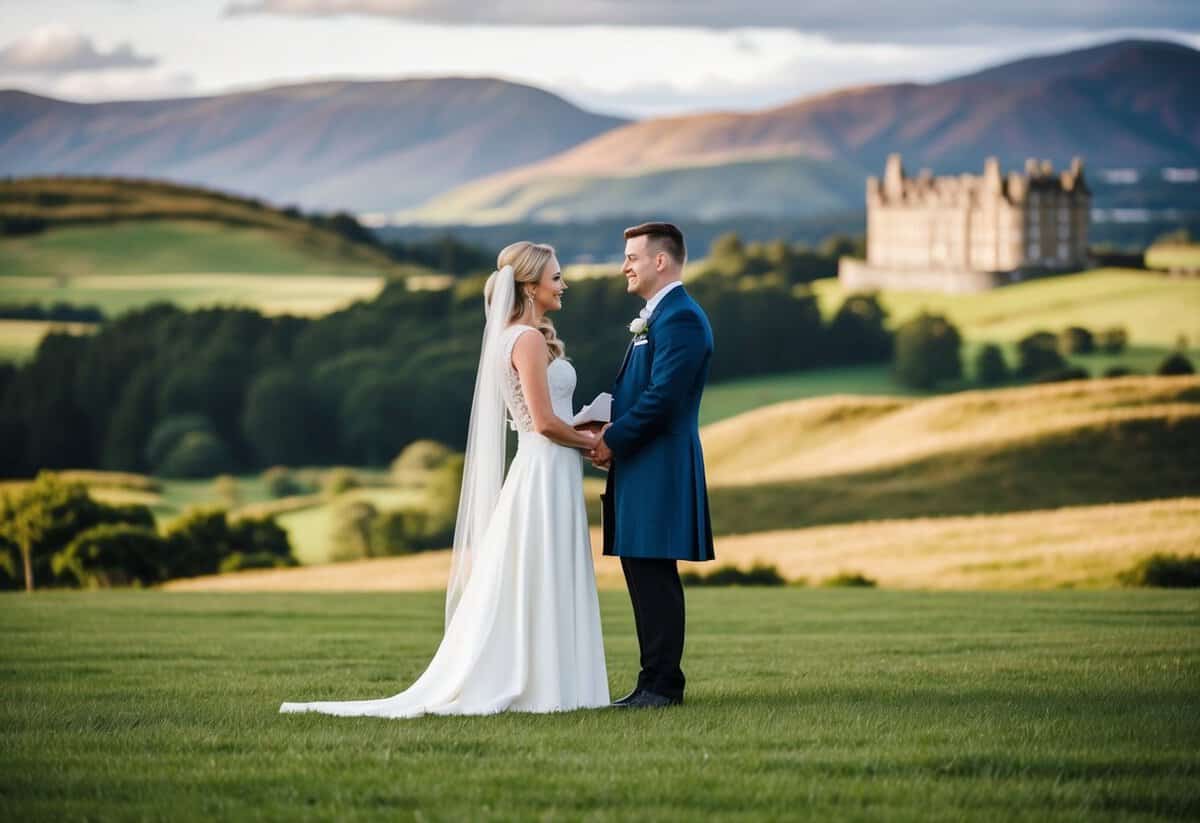
Choosing an officiant is more than just about the price. They play an important role in making your marriage official and personalizing the ceremony to reflect your love story. Whether you decide on a church minister, a humanist celebrant, or another type of officiant, understanding the costs and what each brings to your wedding will help you make the right choice for your big day.
By knowing the costs upfront, you can better budget for your wedding in Scotland. This ensures that every detail, from the venue to the officiant, matches your vision and allows you to enjoy your celebration without financial stress.
Understanding Wedding Officiant Roles in Scotland
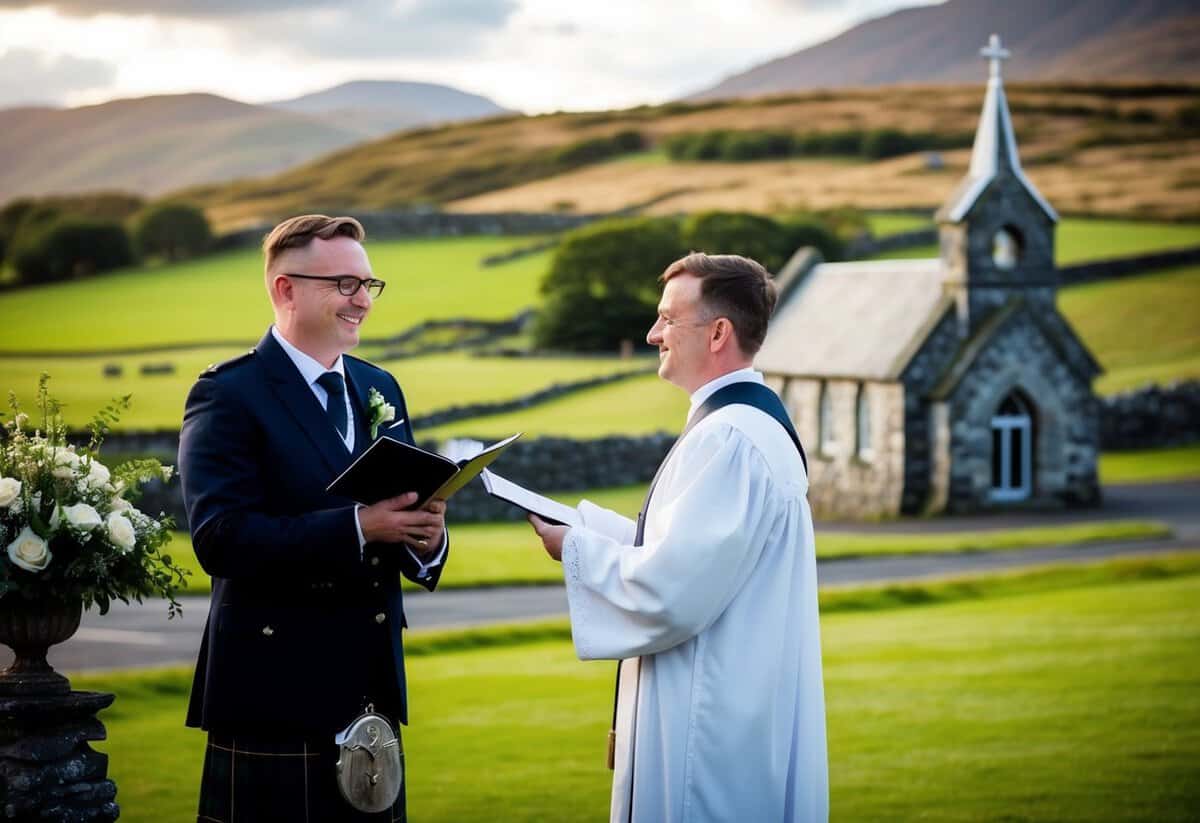
In Scotland, choosing the right wedding officiant can set the tone for your special day. Different options are available, including registrars, celebrants, and interfaith ministers, each serving unique roles that cater to various needs and preferences.
Differences Between Registrars, Celebrants, and Interfaith Ministers
Registrars are government-appointed officials responsible for conducting legal marriage ceremonies. They typically perform civil ceremonies and may have limited flexibility concerning the ceremony’s content. Costs for registrars often range around £450, with most of this fee going to the local council.
Celebrants, including humanist celebrants, offer more personalized services. They can craft bespoke ceremonies that reflect your beliefs and values. Celebrants may provide spiritual or non-religious ceremonies, allowing more creativity and individualization compared to registrars.
Interfaith ministers bridge the gap for couples wanting religious elements from more than one faith in their ceremony. They can create a unique experience that honors both traditions while ensuring the ceremony is legally recognized in Scotland.
Exploring Humanist Celebrant Services
Humanist celebrants specialize in non-religious ceremonies. They focus on celebrating love and commitment without religious rituals. If you prefer a ceremony aligned with humanist values, this option allows for personalization that truly represents your relationship.
Through a humanist ceremony, you can include personal stories, readings, and rituals that matter to you. This type of celebrant is trained to conduct legal ceremonies in Scotland. They are passionate about crafting meaningful, heartfelt experiences tailored to your wishes.
Roles of Independent Celebrants in Bespoke Ceremonies
Independent celebrants can create fully customized ceremonies that fit your vision. They play a key role in making your wedding distinctive and memorable. Their services are flexible and depend entirely on your preferences.
These celebrants work closely with you to design a ceremony that reflects your journey together. Whether you want to include specific traditions or modern touches, independent celebrants can weave those elements into your wedding. This ensures your day celebrates your unique love story clearly and personally.
The Cost Factors for Wedding Officiants in Scotland
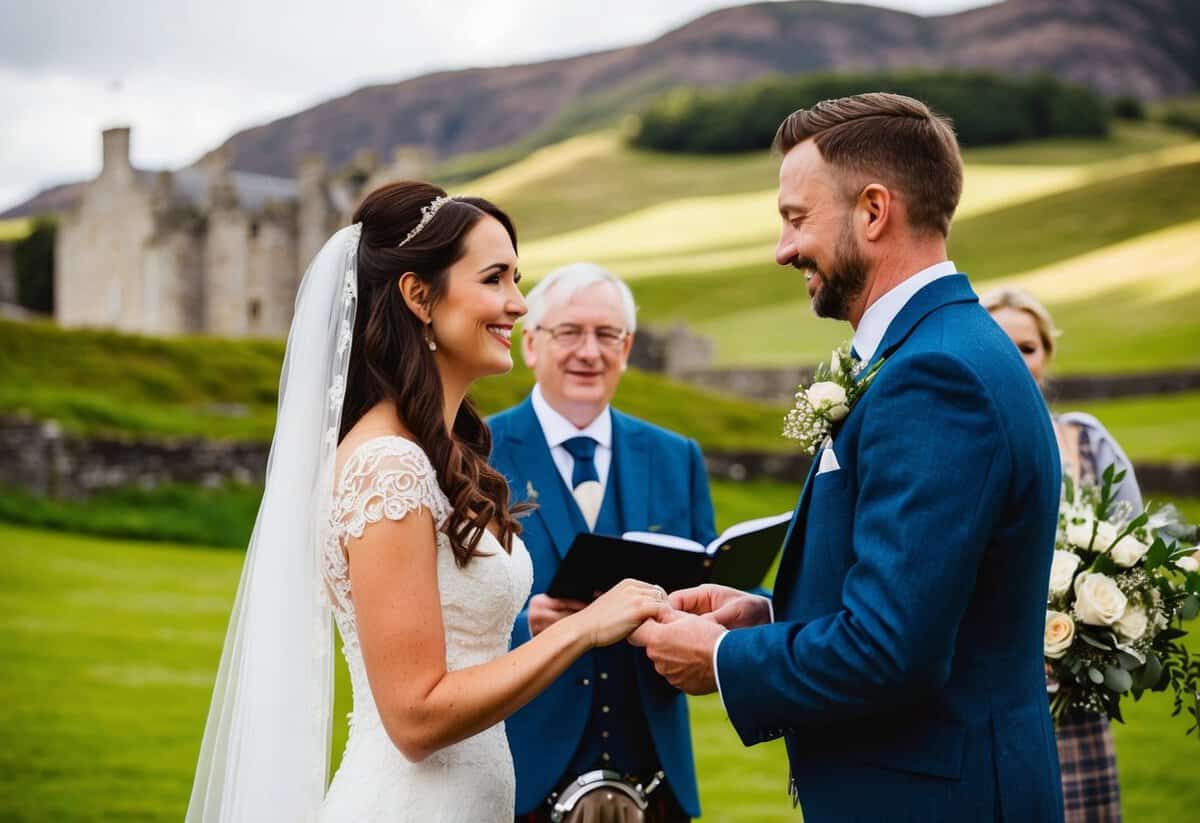
When planning your wedding, understanding the costs associated with hiring an officiant in Scotland is vital. Several factors come into play, from average pricing to additional expenses you may not have considered.
Average Pricing and Statutory Fees
The average cost of hiring a wedding officiant in Scotland generally ranges from £250 to £575. If you’re looking for a simple civil ceremony conducted by a registrar, it may only cost around £125 for a minimal experience held at a council office.
Humanist celebrants, who provide more personalized ceremonies, often charge about £450. Remember, this amount can vary based on the experience of the officiant and the complexity of the ceremony you desire.
Statutory fees also play a role in your total costs. The registration fees vary and can include costs like submitting paperwork, which needs to be settled ahead of time.
Additional Expenses to Consider
Aside from the officiant’s fee, there are other costs that can add up. Travel costs are significant when the officiant must reach a venue that’s farther away. Some celebrants include travel costs in their primary fee, while others ask for reimbursement on top of their basic charge.
You might also consider venue fees, especially if you plan to use a unique location. Ensure you ask whether your chosen officiant handles these arrangements or if those are separate responsibilities.
Finally, keep in mind possible costs for rehearsal sessions, which may be charged separately.
Cultural and Regional Wedding Traditions
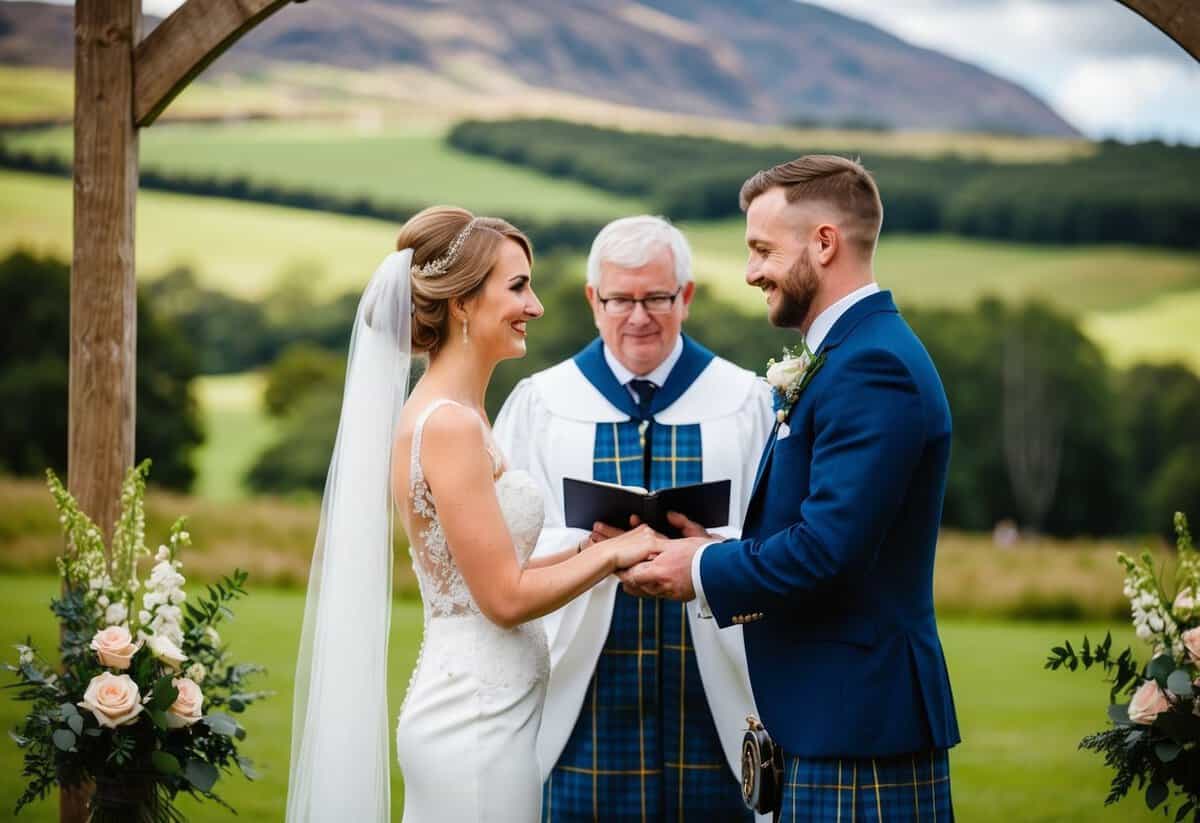
Scotland is rich in wedding traditions that reflect its vibrant culture. From ancient rituals in the Highlands to modern celebrations in cities like Edinburgh and Glasgow, these customs add meaning to your special day.
Highlands Handfasting Rituals
In the Highlands, one of the most cherished wedding traditions is handfasting. This ritual involves the couple’s hands being tied together with a ribbon or cloth, symbolizing their bond. The term “handfasting” comes from the idea of “tying the knot.”
During the ceremony, the couple exchanges vows while their hands are bound. This act represents a promise to support and cherish each other. Handfasting can be done with a celebrant who understands the significance of this age-old custom. You might also choose a personal touch by incorporating your own unique vows or words that resonate with you.
These rituals connect you to the land and heritage, making your wedding a meaningful celebration of your love.
Edinburgh, Glasgow, and Inverness Ceremonies
In urban areas like Edinburgh, Glasgow, and Inverness, wedding ceremonies blend traditional elements with modern flair. Civil ceremonies are popular here, and they often include personalized touches.
Each city has unique venues, from castles to parks. For example, you can tie the knot in Edinburgh’s beautiful gardens or Glasgow’s historic properties.
Many couples opt for incorporating Scottish elements like pipers or traditional vows, adding a local touch to their celebrations. Local officiants understand regional customs, helping to create a ceremony that reflects your style and values.
No matter the location, your ceremony can embody the beauty of Scottish culture while making your wedding day special.
Planning Your Ceremony with Your Officiant
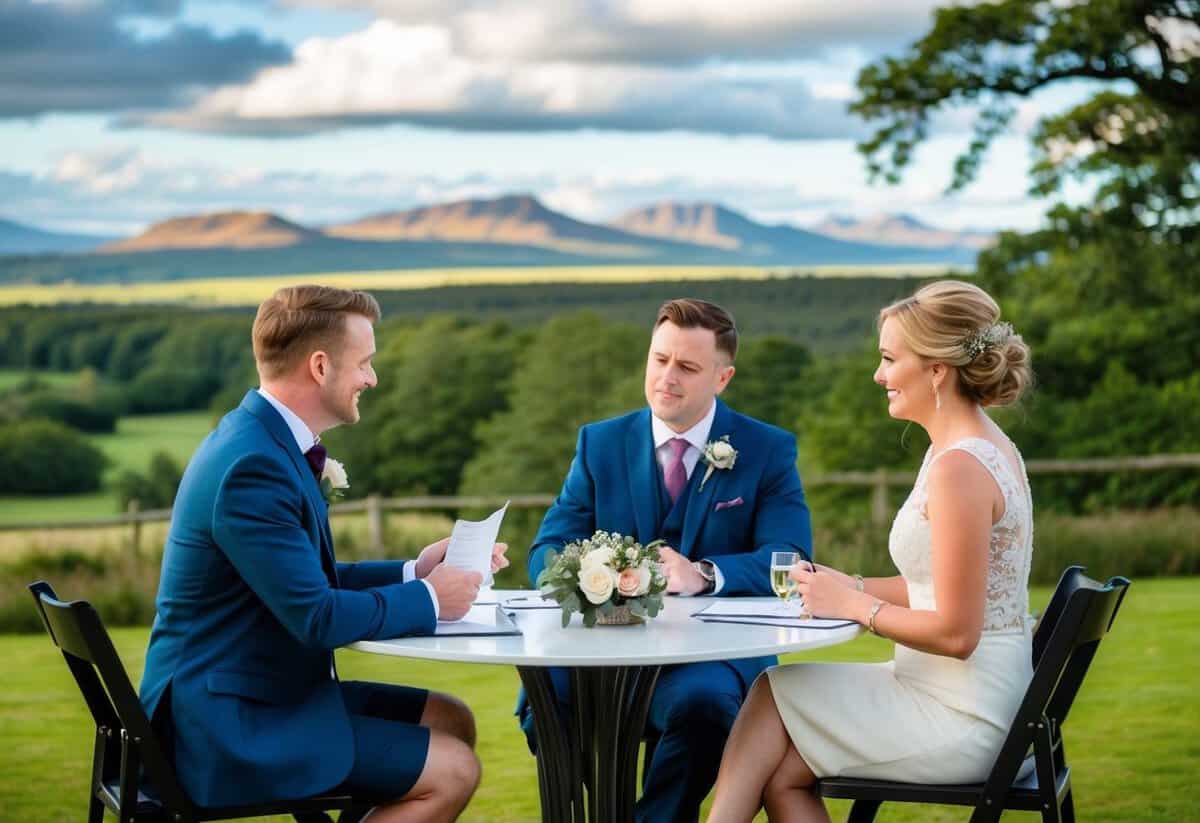
When planning your ceremony, working closely with your officiant is key to creating a special experience. Together, you will design a unique and meaningful ceremony that reflects your values and style.
Designing a Unique and Meaningful Ceremony
In Scotland, many couples opt for bespoke ceremonies that highlight their love story. Your officiant can help you personalize your vows and rituals, making your ceremony truly yours. You might choose a civil ceremony or a religious ceremony, depending on your beliefs and preferences.
Consider including cultural elements or readings that resonate with you and your partner. If you’re in a civil partnership or planning an alternative wedding, talk to your officiant about incorporating unique traditions. This personal touch ensures your ceremony is memorable for both you and your guests.
Collaboration in the Creative Process
Your officiant and you need to collaborate in the creative process. Open discussions are essential to talk about the tone and style you envision for your ceremony. Your officiant will help craft the right atmosphere, whether it’s light-hearted, serious, or a blend of both.
You can also share specific ideas or themes you want to incorporate. This may include music, rituals like a handfasting, or readings that hold significance for you. Engaging in this process allows you to create a heartfelt experience that celebrates your love in a way that feels authentic and personal.