
How Much Is Too Much to Spend on a Wedding? Understanding Your Budget Boundaries
Planning a wedding can be an exciting journey, but it can also lead to confusion when it comes to budgeting. You might wonder how much is too much to spend on this special day. Many couples find that spending between $20,000 and $30,000 is quite common, but what feels right for you and your partner is what truly matters.
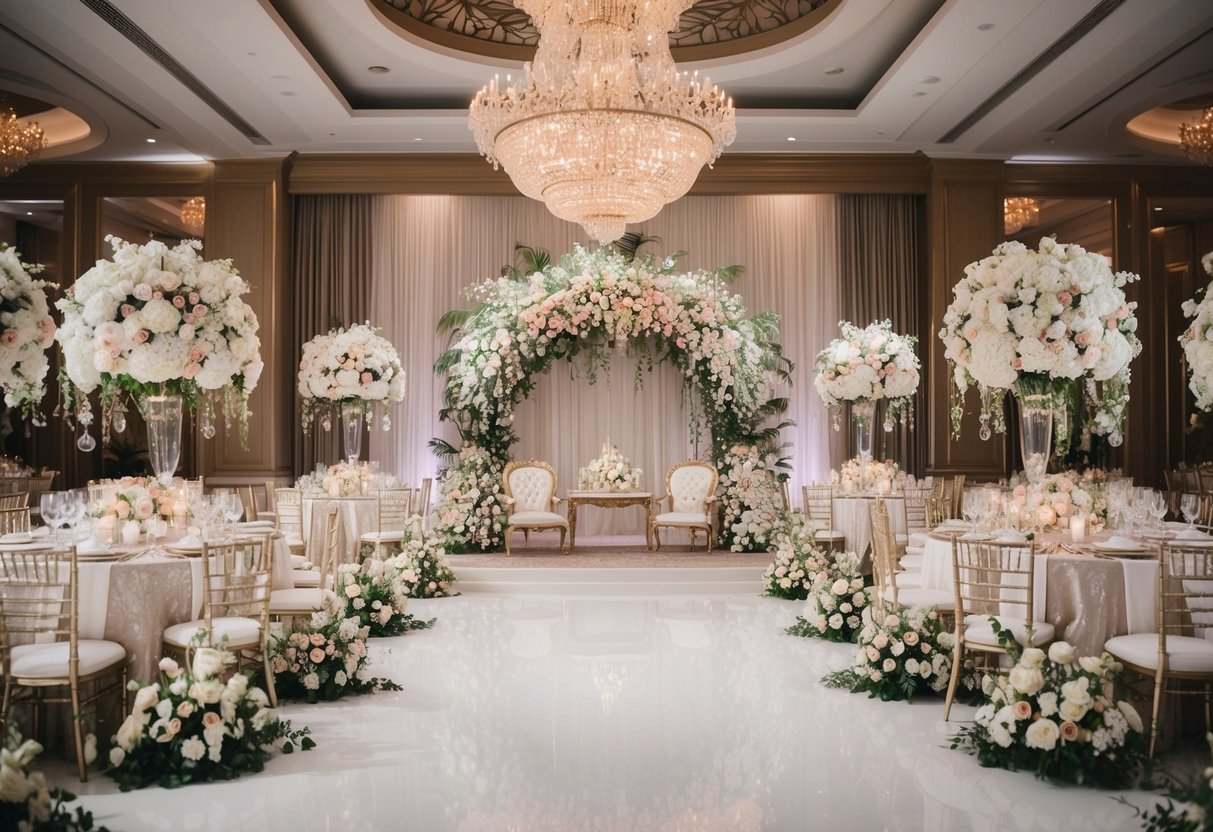
It’s essential to keep in mind that every couple’s situation is different. Some prefer a grand celebration, while others focus on a more intimate gathering. Understanding your priorities and what you value most can help guide your spending decisions.
As you navigate through vendor options and venue costs, it’s crucial to strike a balance. Dedicating too much of your budget to one aspect can leave little for other important elements, like guests, food, or entertainment. Identifying what truly makes your day special will help you avoid overspending and ensure your wedding is a reflection of your unique love story.
Establishing Your Wedding Budget
Creating a wedding budget is a crucial step in planning your special day. Knowing the average costs, using budgeting tools, and balancing your financial goals with your wedding dreams can help keep your expenses in check.
Understanding the Average Cost of a Wedding
The average cost of a wedding can vary greatly. In the United States, it often ranges from $20,000 to $40,000, depending on factors like location, guest list size, and personal choices. Here’s a quick breakdown of typical expenses:
- Venue and Catering: 35% of your total budget
- Photography and Videography: 10%
- Wedding Planner: 12%
- Attire and Accessories: 8%
- Decor and Flowers: 10%
Understanding these numbers helps you create a realistic budget. Take time to research and adjust based on your priorities.
Tools and Strategies for Budget Planning
Using wedding budget calculators can simplify your planning process. These tools allow you to estimate costs based on your preferences.
Start by listing all potential expenses and setting a maximum amount for each. Consider apps and spreadsheets for tracking your spending. Organizing your budget in a clear format makes it easier to spot where you might overspend.
As you plan, be open to adjusting. It’s okay to shift funds between categories, so long as you stay within your overall budget.
Balancing Financial Goals and Wedding Dreams
While it’s tempting to go all out for your wedding, balance is key. Review your financial goals alongside your wedding plans. Consider what you want to achieve post-wedding, such as buying a home or saving for emergencies.
Make a list of what’s most important to you. Maybe a beautiful venue is a must, but a lavish cake isn’t as important. Discuss priorities with your partner. Open communication is essential to avoid stress later.
Always keep your budget in mind to ensure you enjoy your big day without unnecessary debt.
Prioritizing Wedding Expenses
Setting a budget for your wedding can feel overwhelming. Knowing how to prioritize your expenses helps you spend wisely and make your day memorable without breaking the bank.
Deciding the Scale: Guest List and Venue
Your guest list directly impacts your venue choice and overall costs. Start by determining how many people you want to invite.
A larger guest list means you’ll need a bigger venue, which can lead to higher rental fees. For example, if you choose an intimate gathering with 50 guests, you might select a charming small venue that could cost around $2,000.
In contrast, a guest list of 200 might push you towards larger spaces that could cost $5,000 or more. Keep in mind that some venues also offer catering and decoration, saving you money in the long run. Weigh these options carefully before making a decision.
Allocating Funds for Key Services
Once you have a guest list and venue in mind, it’s time to allocate your funds for key services. On average, couples spend a significant portion of their budget on catering, photography, and entertainment.
For example, catering is often the largest expense, averaging around 30% of the total budget. You might expect to pay around $8,000 for a sit-down dinner for 150 guests.
Photography should also be high on your list; consider setting aside 10-15% of your budget for a skilled photographer to capture your special moments.
Entertainment, such as a DJ or live band, can also vary greatly. A DJ may cost about $1,200, while a live band could be $3,000 or more. Balance these costs based on what matters most to you.
Distinguishing Between ‘Must-Haves’ and ‘Nice-to-Haves’
Not every element of a wedding is essential. Identify your ‘must-haves’ and separate them from ‘nice-to-haves’ to better manage your budget.
Must-haves usually include the ceremony venue, catering, and photography. These are crucial to your wedding experience. Nice-to-haves might include extravagant floral arrangements, a photo booth, or a live band.
Create a list of your preferences and a separate list of optional items. For instance, if flowers are important, consider spending more on that while saving on decorations that are less important to you. This way, you can create a wedding that feels personal without overspending.
Smart Spending on Wedding Details
When planning your wedding, it’s important to manage costs wisely while still achieving the dream look and feel. Here are key areas to focus on, helping you save money without sacrificing quality.
Attire and Beauty: The Dress, Hair, and Makeup
Your wedding dress is likely one of the most significant expenses. Consider shopping off-season or looking for sample sales to save money. You can also explore options like renting a dress instead of buying.
For hair and makeup, think about hiring someone who has a strong portfolio but is still within your budget. It might also be worth it to bring friends along for a DIY beauty session. Remember, investing in a good photographer is important, as they’ll capture all the special moments.
Invitations and Wedding Stationery
Wedding invitations set the tone for your celebration. Instead of expensive printed invites, consider beautiful digital options that save both money and trees.
If you prefer printed suites, opt for simpler designs that are elegant yet cost-effective. You might even handwrite addresses to add a personal touch while saving on printing costs. Don’t forget to factor in postage when budgeting for your stationery!
Capturing Memories: Videography and Photography
Capturing your wedding day is priceless. Look for photographers who offer package deals that include both videography and photography. This can be more budget-friendly than hiring separate vendors.
It’s also a good idea to consider hiring a newer photographer. They often charge less while still delivering stunning work. Another tip is to create a shot list, so you get the most important moments without unnecessary extras, keeping within your budget.
Final Considerations Before the Big Day

Before the excitement of your wedding day unfolds, it’s essential to finalize all legal and logistical details. Paying attention to these matters ensures everything goes smoothly and you can enjoy your special day without worry.
Securing Legal and Logistical Requirements
One of the first things you need is a marriage license. Check your local laws for specifics about how to obtain it. Most places require you to apply in person and may have a waiting period. Don’t forget to bring any necessary identification and fees!
Next, consider your transportation. Will you need a shuttle for guests or a special ride for yourself? Arrange this early to avoid last-minute stress. Booking your wedding vendors in advance is also crucial. Whether it’s the venue, the wedding cake, or wedding stationery, confirm times and expectations.
Finalizing Contracts with Vendors
Make sure to finalize contracts with all your vendors well before the big day. Confirm details such as arrival times, responsibilities, and any special requests you have. This helps prevent misunderstandings and ensures everyone is on the same page.
Double-check that all essential elements, like the wedding ceremony setup, are included in the agreements. Review the cancellation policies, payment schedules, and any required deposits. Having a detailed contract protects you and keeps things organized.
Sorting these tasks ahead of time allows you to focus on enjoying your celebration.