
How Much Money Do Couples Get at Their Wedding? Understanding Wedding Gift Trends and Expectations
When it comes to weddings, many couples wonder about the financial gifts they might receive. Couples can expect to receive between $100 to $200 from each guest, depending on their relationship with the couple and local customs. This money often helps cover the costs of the wedding and can contribute to building a new life together.
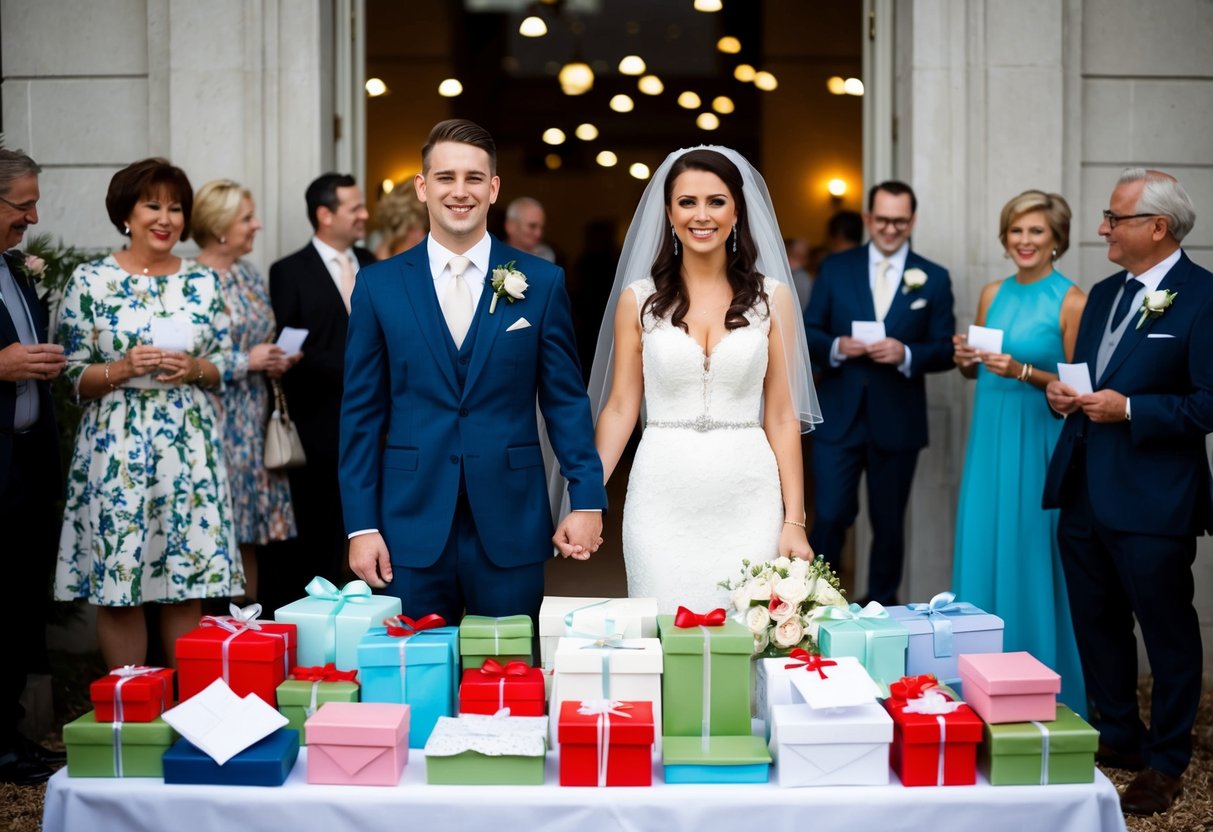
Wedding planning involves not just choosing a venue and making a guest list, but also considering how gifts may play a role on your big day. The amount guests typically give can vary greatly based on their connection to you as a couple. Close friends and family might give more, while acquaintances may offer less.
It’s important to think about appropriate wedding gift amounts in your area. Understanding local customs can help you set expectations for what you might receive. As you prepare for your wedding, keep in mind that every little bit helps and can go a long way in starting your new journey together.
Understanding Wedding Gift Etiquette
When you’re invited to a wedding, knowing how to navigate gift giving can feel tricky. Understanding the right amount to give, whether to choose cash or an item from the registry, and accounting for local customs helps you make thoughtful choices.
Average Wedding Gift Amount
The amount you give as a wedding gift can vary greatly. In the United States, guests generally spend around $150 to $160 on average for a wedding gift, according to data from sources like The Knot.
However, your relationship with the couple matters a lot. Closest friends or family members may feel inclined to give more.
You should also consider what you can afford. It’s good practice to stick to a budget that fits your personal finances. This way, you can give without feeling stressed about your own expenses.
Monetary Gifts Vs. Wedding Registry
Some people prefer giving cash as a gift while others choose items from the wedding registry. Cash gifts are often appreciated for their flexibility. Couples can use the money as they see fit, whether it’s for their honeymoon, home, or other expenses.
On the other hand, items from the registry can feel more personal. Registries help ensure that couples receive gifts they actually want or need.
Your choice should reflect how well you know the couple. If they have a specific style or needs, a registry gift might be perfect. If you’re unsure, a cash gift can always work.
Cultural and Regional Considerations
Gift giving customs can differ widely based on culture and region. In some cultures, cash gifts are the norm, while in others, tangible items from a registry are expected.
It’s smart to check what’s typical for the couple’s background. For example, in certain cultures, it’s common to give money equal to the cost of your meal at the reception.
Being aware of these practices not only shows respect but also helps you choose a gift that aligns with their traditions.
Personal Finances and Budgeting
Your budget plays an important role in wedding gift shopping. Decide how much you can comfortably spend before looking at gifts. This helps you avoid overspending and keeps your finances in check.
Create a budget breakdown to keep yourself organized. Include other costs like travel and attire, so you can allocate a precise amount for the gift.
If cash gifts are well-received, consider an amount that feels meaningful but doesn’t stress your wallet. Remember, the gesture matters more than the gift’s price tag.
Factors Influencing Wedding Costs
When planning your wedding, many factors will affect how much you spend. Understanding these can help you create a budget that works for you. Let’s look at some key elements that influence wedding costs.
Average Costs and Budgeting for Weddings
The average cost of a wedding in the U.S. can vary widely, often exceeding $30,000. This includes expenses like the venue, catering, and decorations. To budget effectively, start by listing your priorities. For example, if you dream of a beautiful venue, allocate more funds there.
Consider setting an initial budget to guide your spending. Research typical costs in your area, as prices can differ by location. Use budget tools or spreadsheets to track your expenses and stay on target. Remember to set aside an emergency fund for unexpected costs.
Seasonal Variations and Destination Weddings
Wedding costs can fluctuate based on the season and location. A wedding during peak season, typically spring and fall, can be pricier due to high demand. Venues and vendors may charge more during these popular months.
Choosing a destination wedding can also influence costs. While some destination weddings seem affordable, travel expenses can add up quickly. Consider factors like travel for your guests and booking accommodations. Research various locations to find options that fit your budget while still offering the experience you desire.
Impact of Guest List and Venue Choice
Your guest list significantly impacts your wedding budget. More guests mean more food, drinks, and seating, which can quickly increase costs. It’s smart to create a guest list early in the planning process to help determine your budget more accurately.
The choice of a wedding venue also plays a crucial role. Venues can range from affordable community halls to lavish hotels. Be sure to factor in costs for venue rentals, catering, and decorations. Some venues may offer packages that include multiple services, which can save you money.
Effect of Inflation on Wedding Expenses
Inflation is a constant factor you must consider when planning your wedding. As the cost of goods and services rises, so do wedding expenses. For example, the average cost of catering has increased as food prices go up.
Keep an eye on current trends in pricing to ensure your budget remains relevant. It’s wise to reserve vendors early and lock in prices, as waiting can lead to higher costs. Being aware of inflation will help you make informed decisions and avoid unexpected financial strain.
Breaking Down Wedding Costs
Planning a wedding requires understanding the various costs involved. Below is an overview of common expenses couples face when budgeting for their special day. Knowing these details can help you allocate funds wisely.
Catering, Entertainment, and Venue
Catering is one of the largest expenses you’ll encounter. On average, couples spend about $70 to $120 per guest on food and drinks. This includes options like a sit-down dinner, buffet, or food stations.
Entertainment is also key. Many couples hire a DJ or a live band. DJs typically cost between $1,000 and $2,500, while bands can range from $3,000 to over $7,000.
Don’t forget the venue! Renting a location can start at $3,000 and go up significantly depending on the size and location. This sets the stage for your entire event.
Attire, Rings, and Decor
When it comes to attire, spending varies widely. Wedding dresses can range from $500 to $5,000 or more. Grooms’ suits are generally less, usually between $200 and $1,000.
Next up are wedding rings. The average couple spends about $1,500 on wedding bands. This varies depending on the material and style you choose.
Decor can also add up quickly. On average, expect to spend around $2,000 to $5,000. This includes floral arrangements, lighting, and other decorative elements that enhance your venue.
Vendor Fees and Event Rentals
Working with vendors can lead to significant costs. Wedding vendors, such as photographers and planners, may charge between $1,500 and $6,000 based on their experience and services.
Event rentals also need consideration. Renting items like tables, chairs, and linens typically costs around $1,000 to $3,500, depending on your guest list size.
Don’t overlook hidden fees, such as delivery costs and setup charges, which can add up. Knowing all these costs upfront will help you manage your wedding budget successfully.
Gift-Giving Tips for Wedding Guests
When attending a wedding, choosing the right gift is important. You want to show your support and love for the couple while keeping your budget in mind. Here are some specific tips to help you navigate gift-giving for weddings.
Determining an Appropriate Gift Amount
Finding the right amount to give can be tricky. Many guests choose to give between $100 and $150. This range often feels appropriate, depending on your relationship with the couple.
If you are a close friend or family member, consider giving more. A cash wedding gift can also be a great option, especially if the couple hasn’t set up a wedding registry. Be mindful of your financial situation, and choose an amount that feels comfortable for you.
Navigating the Wedding Registry
Many couples create a wedding registry to make shopping easier for guests. It’s a good idea to check this first.
If you find something that matches your budget, go for it! Items on the registry are chosen by the couple, ensuring it’s something they truly want. If you prefer to give a cash gift, consider pairing it with a personal note or small keepsake. This adds a special touch and shows you care.
Creative and Thoughtful Gift Ideas
Sometimes, a traditional gift might not feel right. Think outside the box! Instead of just cash, consider a creative option like a personalized gift or an experience.
Gifts like cooking classes, spa days, or weekend getaways often stand out and create lasting memories. You might also combine smaller gifts into a themed basket, like a home movie night or a cooking kit.
Adding a personal touch, like handmade items or heartfelt notes, can make your gift unforgettable.
Transportation and Accommodation Considerations
When you plan your gift, think about how much you’ll spend on transportation and accommodation. Long-distance travel for the wedding can make these costs add up.
Make sure to factor these expenses into your overall budget. If you are tight on funds after traveling, it’s okay to give a smaller gift. Remember, the couple will appreciate your presence and support just as much as any gift.
If possible, coordinate with other guests to share costs on accommodations. You can also consider carpooling, which can make attending the wedding easier on your wallet.