
How Much Money Do You Need to Get Married in the UK? A Guide to Wedding Costs
Getting married is an exciting step, but it’s essential to understand the costs involved.
The basic legal cost to get married in the UK starts at around £120. This fee covers the necessary paperwork but doesn’t include expenses like the wedding venue or reception.
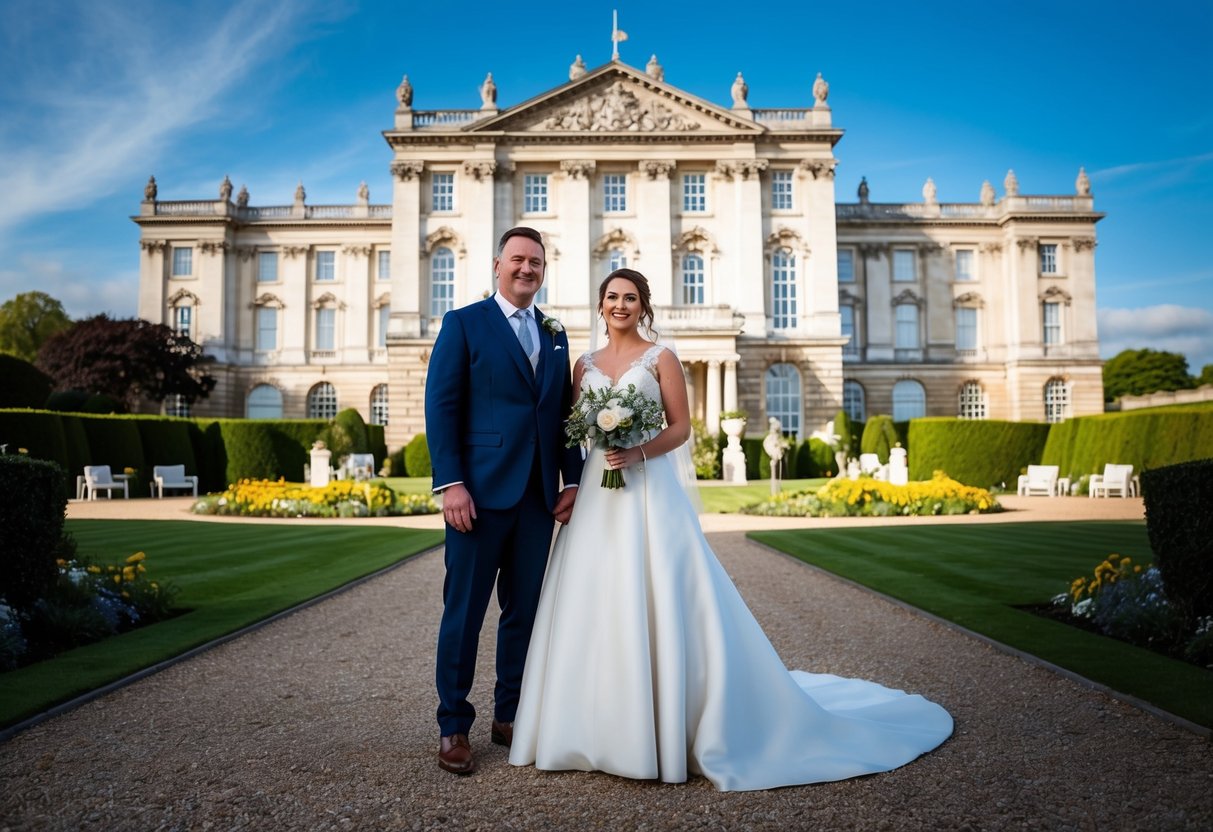
You also need to consider other legal requirements for your marriage ceremony. If you choose a civil partnership, there are specific rules, and you might not need a formal ceremony to exchange vows.
Knowing these details will help you budget better and avoid surprises.
Planning your wedding can be fun, especially when you’re clear about the costs. With a little research and preparation, you can enjoy this special time without unnecessary financial stress.
Understanding the Legal Framework

Getting married in the UK involves specific legal requirements and documentation. It’s important to know the differences between civil partnerships and marriage and what proof you need to provide.
Legal Requirements for Marriage
To get married in the UK, you must be at least 18 years old. Both partners must also be free to marry, meaning you can’t currently be in another marriage or civil partnership.
You will need to give a legal notice at least 28 days before your wedding. This notice must be made at your local register office.
During this time, your details will be displayed publicly. This step is meant to ensure there are no legal issues before you tie the knot.
Once everything is in order, you will receive a marriage certificate after the ceremony. This document is proof of your union.
Civil Partnership vs. Marriage
A civil partnership is an alternative to marriage. Both offer similar legal rights regarding finance, property, and children.
However, there are some differences. For instance, civil partnerships cannot be dissolved through divorce; they are dissolved through a legal process called dissolution.
Also, civil partnerships are not recognized in every country. If you plan to travel or live abroad, check if your civil partnership will be accepted in those places.
Deciding between marriage and civil partnership is personal and depends on your beliefs and needs.
Required Documentation
To marry, you must provide several documents. Proof of age, nationality, and identity are essential. Typically, you’ll need:
- Birth certificates or valid passports.
- Proof of name, which could be a name change document (if applicable).
- Proof of residency, like a utility bill, to confirm where you live.
Ensure all documents are original and not expired. The registration office will review them before you can proceed.
Having the right documents helps ensure your wedding goes smoothly without any legal hitches.
Planning Your Ceremony
When planning your wedding ceremony, it’s essential to consider the type of ceremony you want, where it will take place, and the associated costs. This will help you organize a day that reflects your style and values.
Choosing the Type of Ceremony
You can choose from several ceremony types, such as a civil ceremony, religious ceremony, or a civil partnership ceremony. Each has its own rules and location options.
A civil ceremony is straightforward and can be held at a register office or an approved venue. A religious ceremony may require you to follow specific traditions and guidelines set by the faith.
Think about what’s important to you and your partner. Discuss the atmosphere you want to create. Whether it’s formal or casual, selecting the right type establishes the tone for your big day.
Booking a Venue and Registrar
After choosing your ceremony type, the next step is booking a venue and a registrar.
If you opt for a civil ceremony, you’ll typically reserve a spot at your local register office. You can even arrange for the registrar to conduct the ceremony at a different approved location.
Remember to book early. Popular venues can fill up quickly, especially during peak wedding season.
Check if the location meets your needs, including capacity and facilities for guests. Also, make sure to confirm the registrar’s availability for your chosen date.
Understanding Ceremony Costs
Ceremony costs can vary based on the type and location.
In the UK, a civil ceremony at a register office can start from around £46. Weekend and holiday prices may go up significantly.
For a ceremony at an alternative venue, you will need to pay both the venue and the registrar fees.
It’s also wise to consider additional costs like decorations, music, and any personal touches that add to the experience.
Planning for these expenses ensures you won’t be surprised on your wedding day. Being clear on your budget helps you set realistic expectations for your ceremony.
The Preparation Process
Preparing for your wedding in the UK involves important steps to ensure everything goes smoothly. Key parts of this process are giving notice at the register office and collecting your marriage schedule or document.
Giving Notice at the Register Office
To get started, you and your partner must give notice of your intention to marry. This is a formal declaration made at your local register office. You need to both be present and provide specific legal documents, such as passports or birth certificates.
The fee for giving notice is typically around £35 per person.
It’s important to schedule your appointment well in advance, as wait times can vary. You must give notice at least 28 days before your wedding date.
After giving notice, you’ll receive a marriage schedule confirming your intent to marry.
Collecting the Marriage Schedule or Document
Once you’ve given notice, it’s time to collect your marriage schedule. This document is important as it allows you to legally marry. You’ll receive it after the 28-day notice period if there are no issues.
Make sure to collect your marriage schedule from the register office where you gave notice.
You will both need to sign this schedule in front of the registrar on your wedding day. It is essential to keep it safe until then, as it is your ticket to a legal marriage in the UK.
Be aware that if you’re marrying in a religious setting or specific venue, they may require a different document, so check in advance to ensure you have everything you need.
Finalizing Your Union

As you prepare for your special day, it’s essential to know what happens during the ceremony and the part witnesses play. This knowledge ensures that everything goes smoothly as you finalize your union.
The Day of the Ceremony
On the day of your marriage ceremony or civil partnership, you will gather at your chosen venue. This could be a registry office, a religious site, or another approved location.
Make sure to arrive on time and have all necessary documentation ready.
During the ceremony, you and your partner will exchange vows. You will also sign a marriage schedule or document, which is a legal requirement.
If you’re having a religious wedding, the officiant will guide you through the specific customs and traditions related to that faith.
Make sure you understand the rules that apply to your chosen location. For example, some places may have certain dress code requirements or stipulations about music.
Take care of these details ahead of time to make your day enjoyable.
Understanding the Role of Witnesses
Witnesses play a key role in your marriage or civil partnership. You need at least two witnesses present during the ceremony. They must be 18 or older and understand the significance of the occasion.
Your witnesses can be friends, family, or anyone you trust to support your union. They will sign the marriage certificate after you and your partner do. It’s important to choose people who will take this responsibility seriously.
Keep in mind that being a witness is a legal obligation too. Their signatures help validate your union in the eyes of the law. Make sure your witnesses know their role beforehand to avoid any last-minute confusion.