
How Much Should a 10 Inch Round Cake Cost? A Quick Guide for Every Budget
When you’re planning a celebration, the cake is often a highlight of the event. You might wonder, a 10-inch round cake typically costs between $80 and $120, depending on the design and ingredients used. This price can vary based on the bakery, the complexity of the decorations, and whether you choose special features like fondant or gourmet flavors.
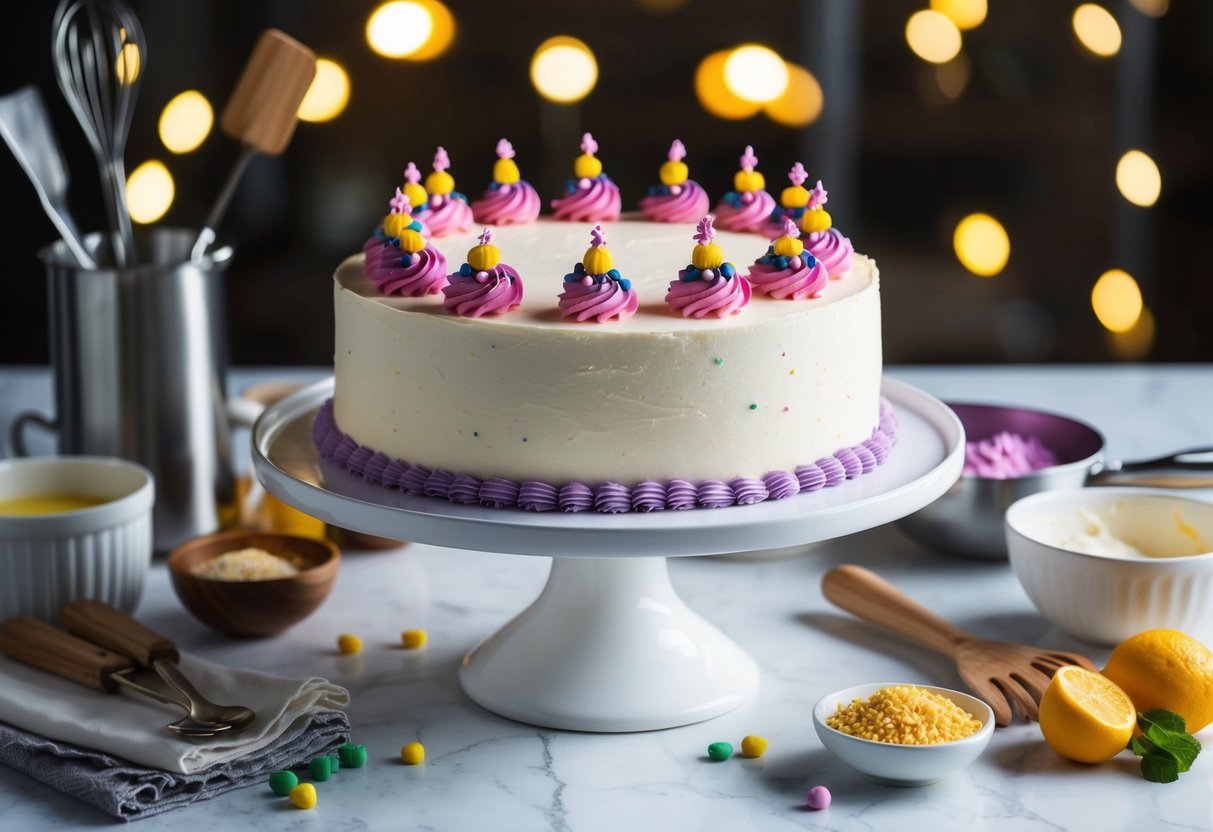
Understanding cake pricing can help you make informed choices for your special occasion. Many factors influence the cost, such as the number of servings you need, the level of detail in the decoration, and any dietary requirements.
If you want a cake that’s more than just a simple dessert, knowing what to expect in pricing can be very helpful.
As you continue reading, you’ll discover how to find the right cake for your event and what to consider when budgeting. Whether you’re hosting a birthday party, wedding, or any other celebration, this guide will make the process easier and more enjoyable for you.
Understanding Cake Pricing
When it comes to cake pricing, several key factors determine how much you should expect to pay for a 10-inch round cake. These include the base price, costs for customization, and any additional charges.
Base Price Factors
The base price of a cake usually depends on the size, flavor, and the bakery’s standard pricing guide. For a 10-inch round cake, you might see prices ranging from $120 to $135. This cost typically covers basic ingredients like flour, sugar, eggs, and frosting.
Each bakery has its own pricing strategy, so comparing rates can be helpful. When you check prices, look for a cake pricing calculator that factors in specific details like the number of layers or types of fillings.
Customization Costs
Customization can significantly affect the final price of your cake. Add-ons such as unique flavors, special fillings, or elaborate decorations all contribute to the total cost.
For example, adding gourmet fillings like raspberry or lemon curd may add $10-$20.
Custom designs, such as cake toppers or fondant decorations, can also increase costs. Be sure to discuss these options with your baker to understand how much extra you’ll need to budget for them.
Additional Charges and Fees
Don’t forget about potential extra costs that can arise. Many bakers charge for delivery, which can range from $10 to $50 depending on your location.
Hourly labor rates may also be included, especially for intricate designs. This can add to the total cost of your cake. Always ask for a clear breakdown of these additional charges to avoid surprises on your final invoice.
Cake Size and Shape Considerations
When deciding how much a 10-inch round cake should cost, it’s essential to think about the size and shape of the cake. Different types of cakes have varying pricing structures, and understanding these can help you make an informed choice.
Round Cakes Versus Sheet Cakes
Round cakes are popular for special events like birthdays or weddings. A 10-inch round cake typically serves 12 to 16 people. This size is great for smaller gatherings.
In contrast, sheet cakes, like a 1/2 sheet cake or a 1/4 sheet cake, offer larger servings. A 1/2 sheet cake can serve 30 to 40 people, making it more suitable for larger events.
Pricing reflects these differences. Round cakes may be priced higher due to decoration and design complexity. Sheet cakes often provide a more budget-friendly option while still serving many guests.
Serving Size Guide
Understanding serving sizes is crucial when selecting a cake. For a 10-inch round cake, the standard serving size is approximately 1 to 2 inches per slice.
Here’s a brief serving guide:
- 10-inch round cake: Serves 12-16 people.
- 1/2 sheet cake: Serves 30-40 people.
- 1/4 sheet cake: Serves 12-20 people.
If you plan on a big gathering, consider a 2-tier cake or 3-tier cake to accommodate everyone. These tiered cakes often have unique designs and higher costs but can serve a more extensive guest list.
Knowing the right size helps you choose the cake that fits your needs and budget best.
Decor and Detailing
When considering how much a 10-inch round cake should cost, decor and detailing play a crucial role. The choices you make in decoration can greatly influence the final price.
Fondant Versus Buttercream
Choosing between fondant and buttercream is one of the first decisions you’ll face. Fondant is a smooth, sweet icing that allows for intricate designs and a polished look. It’s great for shaped cakes and can even be colored or molded to create various shapes, which can add to the cost. On average, fondant covering can be an extra charge, often adding $10 to $25 depending on the complexity.
Buttercream is softer and easier to work with for many decorators. It can be piped, swirled, and layered, offering a delicious taste. While less expensive than fondant, intricate buttercream designs may still increase the overall price.
Complexity and Design Time
Complexity is key when determining cake costs. Simple designs require less time and skill, so they usually cost less. In contrast, custom cakes with detailed decorations will take more time and effort.
For instance, a standard design might take just a couple of hours to complete, while a stunning, multi-layered cake with intricate details could take several hours—or even days. Always consider how much time the decorator will spend on your cake.
Let’s break it down:
-
Simple Design:
- Cost-effective
- Less time, usually $30-$50 extra
-
Detailed Design:
- Time-intensive
- Can lead to $100 or more in added costs
Your choices in both fondant versus buttercream and design complexity will shape the final price of your custom cake.
Ordering and Planning Your Cake
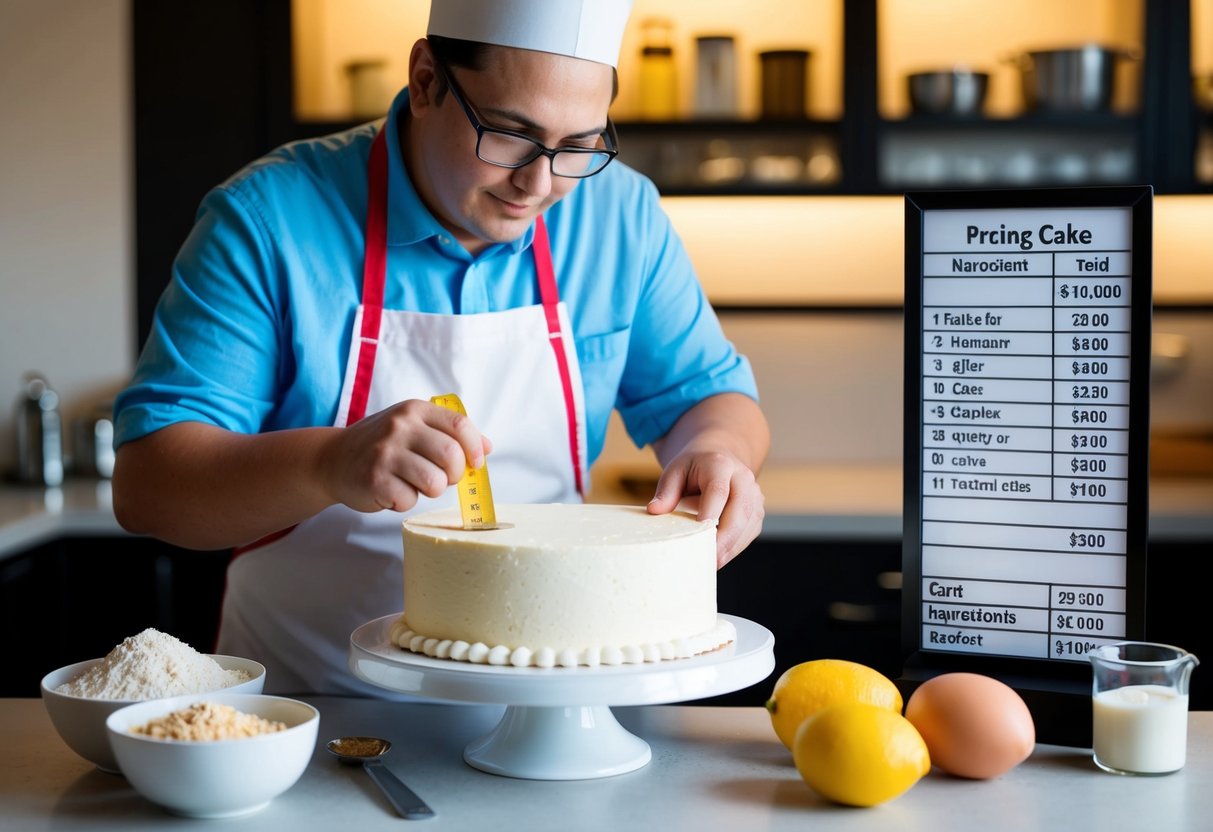
When you decide to order a cake, careful planning can make a big difference. Knowing how to place your order and the best timing for your cake delivery or pickup can help ensure your celebration goes smoothly.
How to Place a Cake Order
To place your cake order, start by choosing a bakery that fits your needs. Think about the type of cake you want, like a birthday cake or a smash cake. Be clear about the size, flavor, and any special decorations.
It’s helpful to ask for a price estimate. For a 10-inch round cake, you might see prices vary widely based on complexity and ingredients. You can use online calculators for a ballpark figure. Examples include resources like Cake Pricing Calculator or Omni Calculator.
Don’t forget to confirm your order details before finalizing!
Timing and Scheduling
Plan your cake order carefully, as timing is key. Most bakeries need at least a week of notice, especially for custom designs. If you have a specific date, like a birthday party, reach out as early as possible.
Consider your schedule for baking and pickup. If the cake is needed for a special event, aim to pick it up the day before. This way, you ensure it’s fresh. If you live far from the bakery, consider delivery options. These may incur extra fees but can save you stress.
Review your order a few days before the event to avoid any last-minute surprises!