
How Much Should a Man Spend on an Engagement Ring? A Guide to Finding the Perfect Budget
When it comes to buying an engagement ring, many men wonder how much is appropriate to spend. Experts generally suggest that a budget of around two to three months’ salary is a reasonable starting point. However, this rule isn’t set in stone; the right amount really depends on your personal financial situation and priorities.
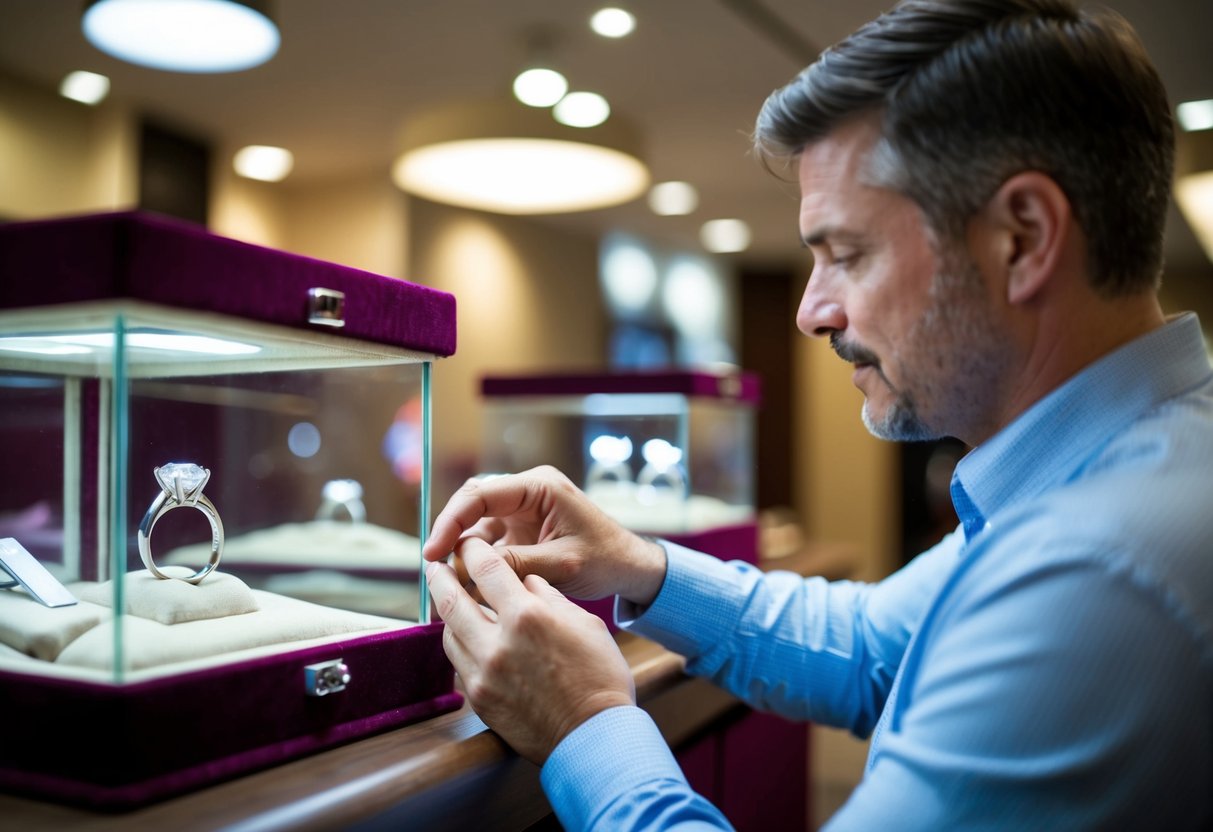
It’s essential to consider what feels comfortable for you. Factors like your savings, monthly expenses, and overall financial goals should play a big role in your decision. Don’t forget that the most meaningful part of the engagement is the love and commitment behind it, not just the price tag of the ring.
As you think about how much to spend, remember that every couple is different. Take the time to reflect on what works for you, and you’ll find the perfect ring that fits both your style and your budget.
Understanding Engagement Ring Cost Essentials
When planning how much to spend on an engagement ring, it is essential to consider various factors. Key elements such as diamond quality and budgeting are important to help you make an informed decision and find the perfect ring that fits your style.
The 4Cs of Diamonds: Carat, Cut, Clarity, and Color
The 4Cs define a diamond’s quality and value. Carat, for example, measures the diamond’s weight. A higher carat often means a more expensive ring, but your choice depends on personal preference.
Cut, on the other hand, affects how well a diamond reflects light. A good cut enhances brilliance and sparkle, which can make a smaller diamond appear more impressive.
Then, clarity refers to the presence of imperfections inside or outside the diamond. Higher clarity grades usually fetch higher prices, but many opt for a balance to manage costs.
Lastly, color ranges from colorless to shades of yellow or brown. Less color often means higher value.
Understanding these factors can help you choose a diamond that fits your vision while staying within your budget.
Engagement Ring Budgeting: Beyond the Three-Month Salary Rule
Many people are familiar with the “three-month salary” rule for engagement rings. While this is a traditional guideline, it’s important to remember that this does not fit everyone’s financial situation.
You should set a budget based on what you can comfortably afford. Consider your monthly expenses and long-term goals.
Try to spend no more than 5-10% of your yearly income on the ring. This helps ensure you’re making a wise investment rather than stretching your finances too thin.
Remember, the engagement ring cost should reflect your values, not societal pressure.
Alternative Gemstones: Sapphires, Lab-Grown Diamonds, and More
Lab-grown diamonds have become popular in recent years. They offer the same beauty as natural diamonds at a lower price.
Consider using alternative gemstones like sapphires, emeralds, or rubies. These options can add a unique touch and often come at a lower cost.
Many couples find these alternatives beautiful and meaningful, allowing for personal expression.
Choosing the right gemstone helps you stay within budget while still selecting a stunning piece of jewelry. Explore options that resonate with you and fit your style.
Financial Planning for the Proposal and Beyond
Planning a proposal and the events surrounding it requires careful financial thinking. It’s important to balance your engagement ring budget with future financial goals. Consider all upcoming expenses, including the wedding and honeymoon, while avoiding high-interest debt.
Balancing Engagement Ring Spending With Future Goals
When budgeting for an engagement ring, consider your current financial situation. Think about your savings, income, and any other expenses you have. While traditions suggest spending a couple of months’ salary, only spend what feels comfortable for you.
Make a list of your financial goals. Will you save for a house or start a family soon? Keeping your long-term goals in mind will help determine how much to invest in a ring while ensuring you’re secure financially for years to come.
Wedding Plans and Honeymoon Expenses
After the proposal, the wedding is usually the next big expense. Set a budget for the ceremony and reception. Costs can add up quickly, so include everything from the venue to catering and decor. Try to prioritize which aspects are most important to you and your partner.
Don’t forget the honeymoon. Both wedding and honeymoon costs can take a significant chunk out of your savings. Research your options and consider affordable destinations. This can help you enjoy your marriage without financial stress.
Avoiding High-Interest Debt: Financing Options
If you’re struggling to afford the engagement ring, think carefully about financing options. Personal loans can provide immediate funds, but be cautious of high-interest rates that can lead to debt. Assess your monthly payments and how they fit into your budget.
Instead, consider saving up before making a purchase. Setting aside money monthly for the ring can prevent financial strain. By planning ahead and being mindful of your financial situation, you can make a purchase that feels good while preparing for your future together.
Making Smart Engagement Ring Choices
Choosing the right engagement ring involves thoughtful decisions. Whether you lean toward custom designs or treasured heirlooms, understanding how to balance costs and quality is key to your purchase. Here are some important factors to consider.
Customization vs. Heirloom: Finding Personal Significance
When deciding between a customized ring or an heirloom, think about what matters most to you and your partner. Customized rings offer a unique touch. You can choose the stone, metal, and overall design to match personal tastes. Consider using an engagement ring calculator to help budget for different options.
Heirlooms, on the other hand, carry rich stories and history. An heirloom can connect your relationship to family traditions. Plus, it often comes at a lower price since it’s free from new production costs. Weighing both options can lead to a choice full of meaning and significance for your special moment.
How to Save Money Without Compromising on Quality
Saving money on an engagement ring doesn’t mean skimping on quality. Start by understanding average ring prices in your area. This knowledge gives you a clear perspective on what to expect.
Opting for a colored gem instead of a natural diamond can significantly reduce costs while providing a unique look.
Consider buying during diamond sales events, too. Retailers often have special promotions, especially around holidays.
Additionally, choosing a smaller carat weight while prioritizing diamond clarity or cut can yield stunning results. Remember, quality over quantity ensures a beautiful ring that your partner will cherish.
Evaluating Ring Design and Diamond Sales Trends
Staying informed about ring design trends is crucial for making a smart choice. Recently, vintage and unique styles have been on the rise. They offer personalization that sets your ring apart.
Follow diamond sales trends to find the best time for your purchase. Prices can fluctuate due to market demand, so be strategic. Understanding seasonal sales can help you make a purchase that aligns with your budget.
Also, look for alternatives like lab-created diamonds. They often cost less than natural diamonds, but still offer exceptional beauty. Balancing design preferences with budget-conscious choices ensures you’ll find the perfect ring without overspending.