
How Much Should a Man Spend on His Own Wedding Ring? A Guide to Choosing the Right Budget
Choosing a wedding ring can feel overwhelming, especially when you’re trying to decide how much to spend. You want to find a ring that reflects your style and love without breaking the bank. Most men typically spend between $1,000 and $3,000 on their wedding rings, depending on their personal budget and preferences.

It’s important to consider your own financial situation and what your partner might like, too. Whether you prefer a simple band or something with more detail, your choice reflects your commitment. Remember, there is no specific rule that applies to everyone, so focus on what feels right for you.
Ultimately, the decision is personal. You can create a meaningful experience by picking a ring that matches your style and budget, ensuring it will be cherished for years to come.
Understanding Wedding Ring Costs
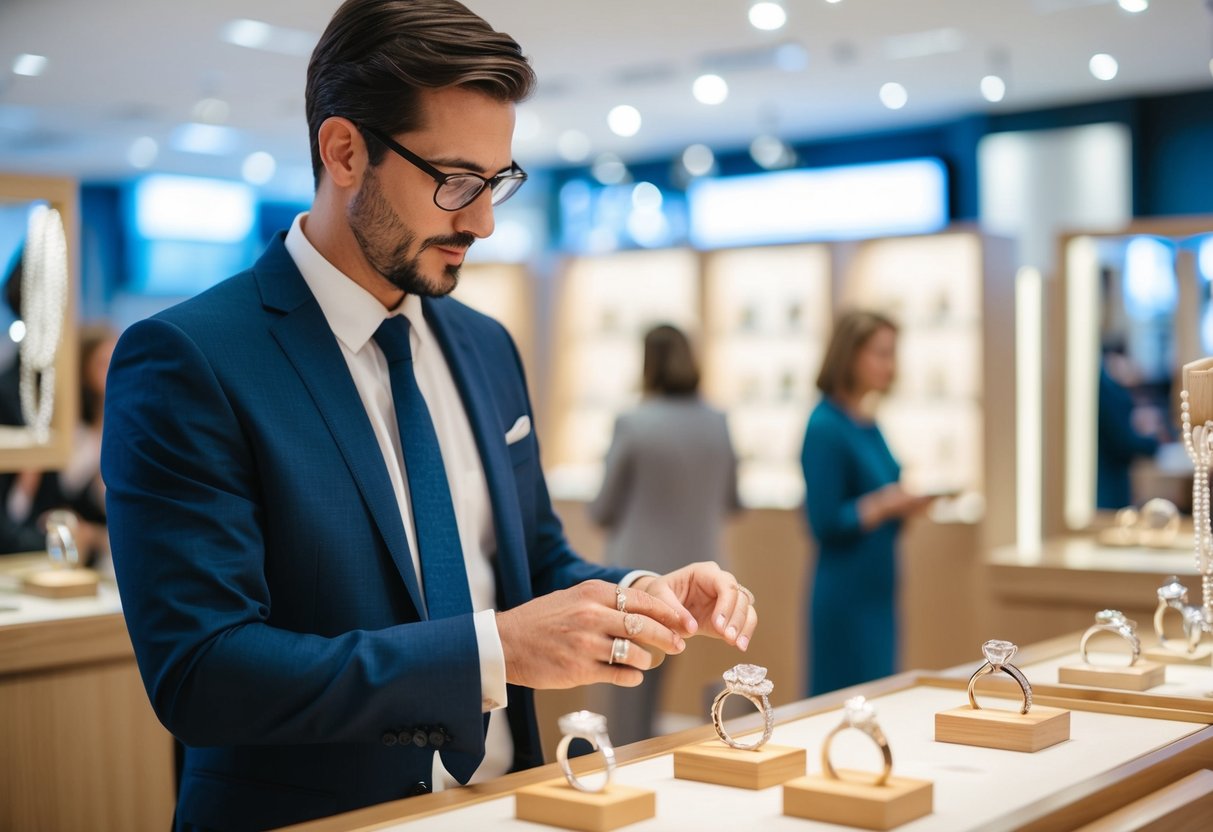
When considering how much to spend on your wedding ring, it’s important to know the average price ranges and what factors influence these costs. Understanding these aspects can help you make a well-informed decision that fits your wedding budget.
Average Price Ranges for Wedding Rings
The cost of wedding rings can vary significantly. On average, men spend about $500 on their wedding bands. This amount can change based on the materials and design.
For engagement rings, the expected cost is often higher, with many men spending around $1,000 to $3,000. Some sources suggest following the “three months’ salary” rule, which means spending about $6,000 for an engagement ring, based on average salaries in 2021.
To give you a clearer idea, here’s a simple breakdown:
- Men’s Wedding Bands: $500
- Engagement Rings: $1,000 to $3,000
- Higher-end Engagement Rings: $6,000 on average
Factors Influencing Wedding Ring Costs
Several factors can impact the cost of a wedding ring, making it essential to consider your preferences and budget.
-
Material: The choice between gold, silver, or platinum affects the price. Platinum is usually more expensive than standard gold.
-
Gemstones: Rings with diamonds or other precious stones will generally cost more. The type and quality of the gems also play a role.
-
Design Complexity: Intricate designs that require more craftsmanship will increase the cost. Simple bands are usually more affordable.
-
Brand: Sometimes, the designer or brand can add to the price. Well-known brands may charge a premium.
By keeping these factors in mind, you can find a ring that suits your style without breaking your wedding budget.
Choosing the Right Metal for Your Budget
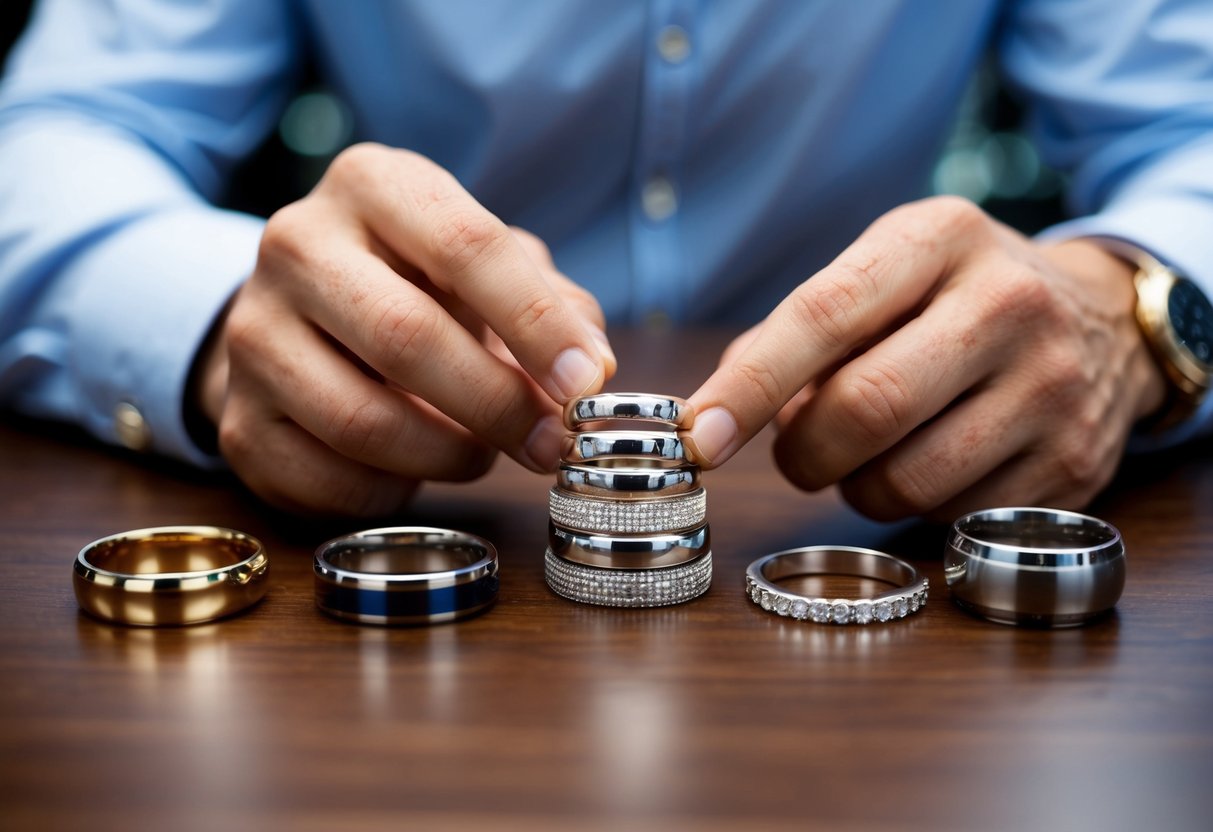
When selecting a wedding ring, the metal is a key consideration that can greatly affect your budget. It’s important to understand the pros and cons of popular metals as well as how to balance cost and quality.
Pros and Cons of Popular Metals
White Gold
Pros: This metal has a sleek and modern appearance. It’s affordable compared to platinum and often has a rhodium finish for extra shine.
Cons: It may require re-plating over time to maintain its look.
Yellow Gold
Pros: Classic and timeless, yellow gold suits many styles and skin tones. It is also durable and easy to work with.
Cons: It’s softer than other options, which may lead to scratches.
Rose Gold
Pros: With its romantic blush hue, rose gold is unique and trendy. It complements a variety of gemstones beautifully.
Cons: It can be more expensive depending on the copper content.
Platinum
Pros: This is the most durable metal, making it an excellent long-term choice. It’s also hypoallergenic.
Cons: Platinum rings are the most costly option, often exceeding budget limitations.
Finding a Balance Between Cost and Quality
Choosing the right metal involves balancing your personal style and budget. Consider the durability you need. For a robust option, platinum is excellent, but it can be pricey. Instead, you might opt for white gold, which offers a similar look without breaking the bank.
When considering your lifestyle, if you work with your hands a lot, yellow gold or tungsten can be more resistant to scratches. For a unique twist, rose gold provides a lovely color but watch out for the price spike due to composition.
Before making a decision, explore different karats and finishes. For example, a lower karat gold like 10K is more affordable, yet still maintains quality.
The Significance of Ring Design and Embellishments
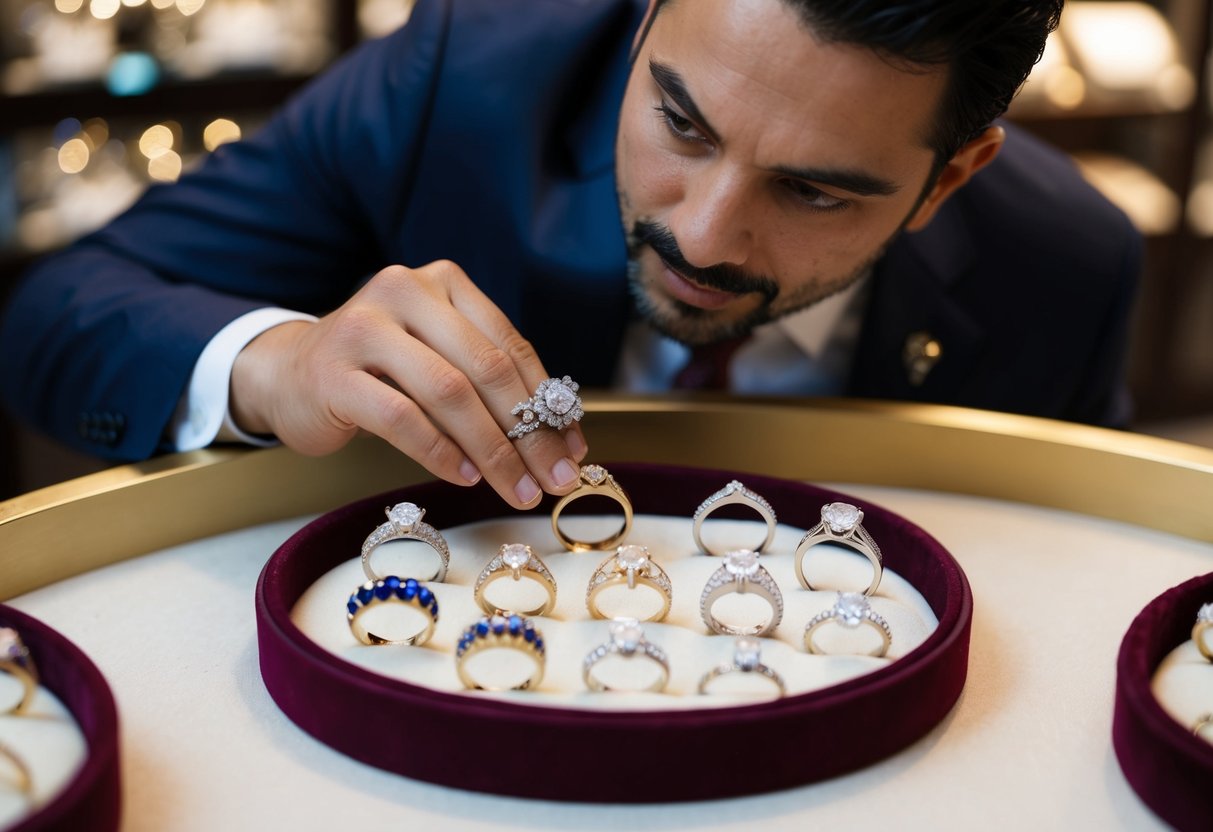
Choosing your wedding ring goes beyond just the price. The design and embellishments can express your personal style and the meaning behind your relationship. Each choice you make can enhance the ring’s appearance and significance.
Exploring Design Complexity
When considering your wedding ring, design complexity plays a big role. Rings can range from simple bands to intricate styles with detailed patterns.
Key factors to think about:
- Metal Type: Gold, platinum, or titanium can all influence the design. Each has unique qualities and looks.
- Setting Style: Options like solitaire, halo, or pavé can change the ring’s overall impact.
An intricate design may catch the eye with its artistry, while a simpler design can reflect a more classic, timeless appeal. Think about what resonates with your style and whether you prefer something bold or understated.
Options for Customization
Customization allows you to create a ring that truly reflects you. This can make the ring more special and personalized.
Here are ways to customize:
- Engravings: Add initials, dates, or special messages inside the band.
- Choice of Stones: You can select different gemstones or diamond cuts, allowing you to tailor the ring’s appearance.
Custom options might also include choosing the finish, such as matte or polished. This level of personalization can elevate the ring’s significance and make it uniquely yours.
Choosing Between Natural and Lab-Grown Diamonds
Deciding between natural and lab-grown diamonds is an essential step. Both have their unique benefits.
Considerations include:
- Quality and Cut: Both types can have excellent clarity and cut. You should look for these attributes regardless of the source.
- Ethical Choices: Lab-grown diamonds are often seen as more environmentally friendly and conflict-free.
Natural diamonds can hold a traditional value, whereas lab-grown options might fit better with a modern approach. Think about what aligns with your values and preferences as you make your choice.
Financial Planning and Additional Considerations

Before you choose a wedding ring, it’s important to think about your financial goals. Planning ahead can help you find a ring that fits your budget while also considering its sentimental value. You should also consider protecting your investment with jewelry insurance.
Setting Realistic Financial Goals
When planning your budget, start by determining how much you can afford to spend on a ring. Many men spend between $1,000 to $3,000 on engagement rings. Consider your monthly expenses and savings goals.
Make a list of your financial priorities. This can include saving for the wedding, a home, or other investments.
You might also want to set a limit on what you will spend. Being realistic means recognizing that you can find beautiful rings at various price points.
The Value of Insurance for Your Wedding Ring
Once you buy your wedding ring, you need to protect it with jewelry insurance. This can save you money and stress if the ring gets lost or damaged.
Jewelry insurance covers theft, loss, or damage. Without it, replacing a valuable ring can be very costly.
When purchasing insurance, keep in mind the ring’s sentimental value and appraised worth. Also, review your policy to ensure it aligns with what you paid for the ring.
Knowing your investment is protected allows you peace of mind. This way, you can focus on enjoying your special moment, not worrying about your ring’s safety.