
How Much Should a Wedding Cake Be? A Guide to Budgeting for Your Dream Dessert
When planning your wedding, one of the most exciting aspects is choosing the perfect cake. A wedding cake typically costs between $540 and $900, depending on factors like size, ingredients, and location. It’s essential to understand what influences the price so you can budget accordingly and find a cake that fits your style and tastes.
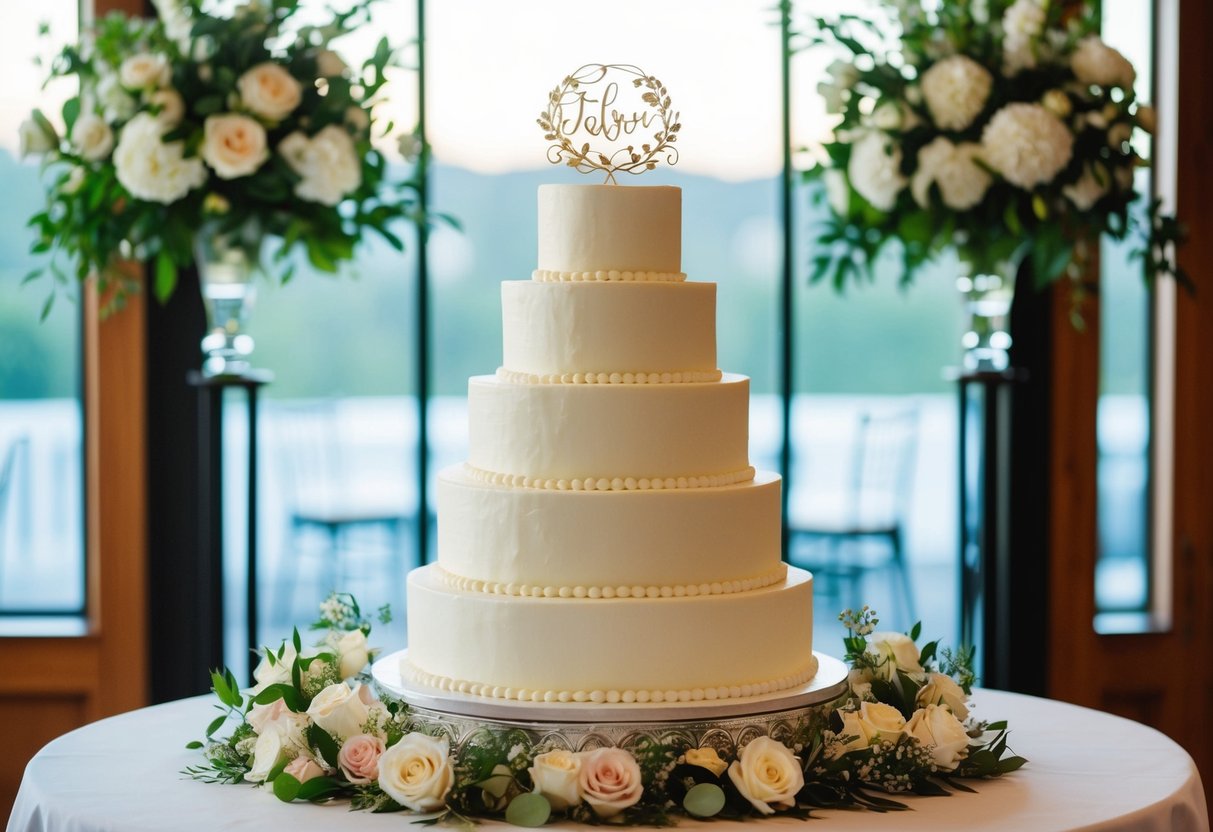
As you explore various options, think about how many guests you’ll have and what type of design you envision. Whether you prefer a simple buttercream layer or a more elaborate fondant creation, knowing the average prices can help you make informed decisions without breaking the bank.
You’ll want a cake that not only looks stunning but also tastes delicious. By keeping your budget in mind and considering your guests’ preferences, you can ensure that your wedding cake is a highlight of your special day.
Understanding Wedding Cake Costs
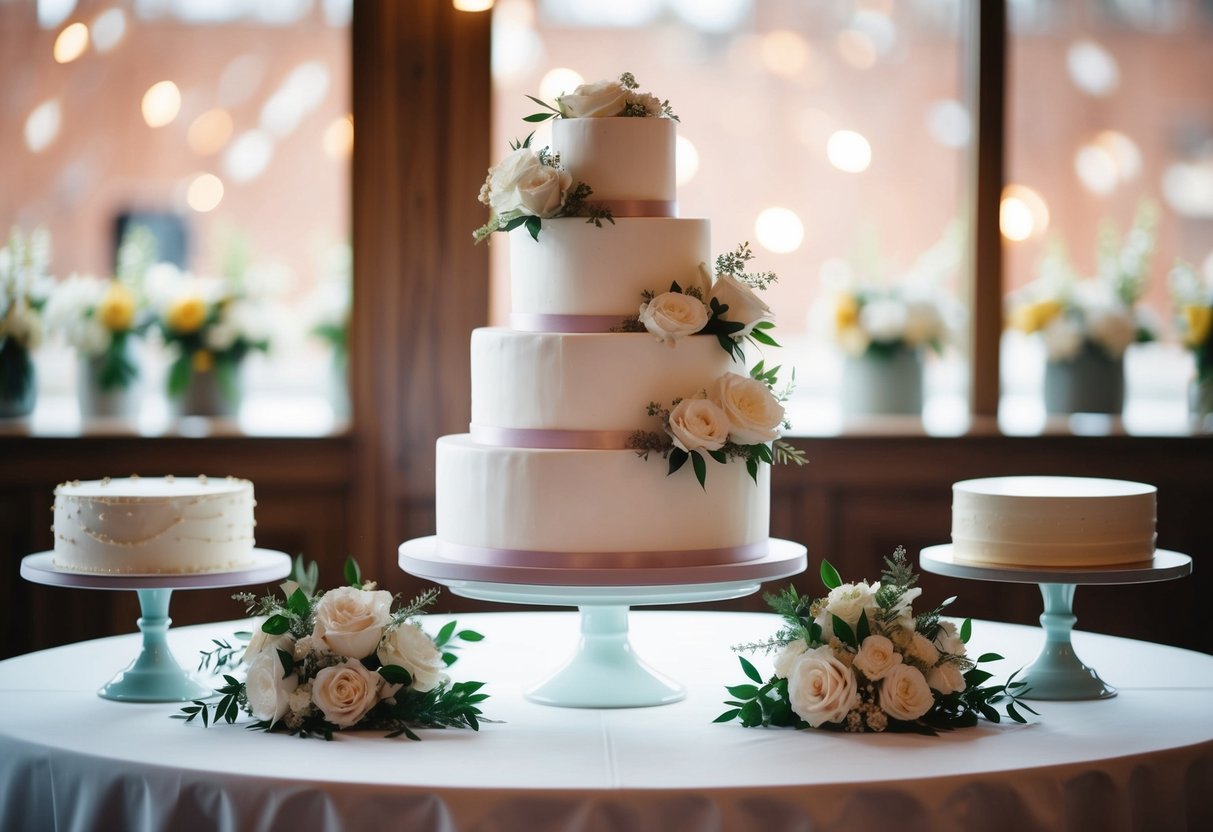
When planning your wedding, understanding cake costs can make a big difference. Knowing what affects pricing and the average costs helps you create a budget that works for you.
Factors That Affect Wedding Cake Pricing
Several elements influence the price of your wedding cake. First, the number of tiers is important. More tiers typically mean a higher cost.
Next, consider the ingredients. Cakes made with premium ingredients tend to be more expensive.
Design and decoration also play a significant role. Intricate designs, fondant, and fresh flowers add to the cost.
Additionally, your location can affect prices, as bakeries in urban areas may charge more.
Finally, don’t forget about delivery and setup fees. Some bakeries may have additional charges for bringing your cake to the venue.
Average Wedding Cake Cost
The average wedding cake cost varies widely. In 2023, couples spent about $540 to $600 on their cakes.
By 2025, this average might be around $800 to $900 for a basic cake serving 200 guests. Prices fluctuate based on design complexity and size.
Here’s a quick breakdown:
- Basic cake: Starts at $125
- Mid-range cake: $500 to $800
- Elaborate cake: Can exceed $900
Using a wedding cake cost calculator can help you estimate what you might spend based on your specific needs. Be sure to check out local bakeries for quotes to stay within your budget.
Selecting Your Wedding Cake
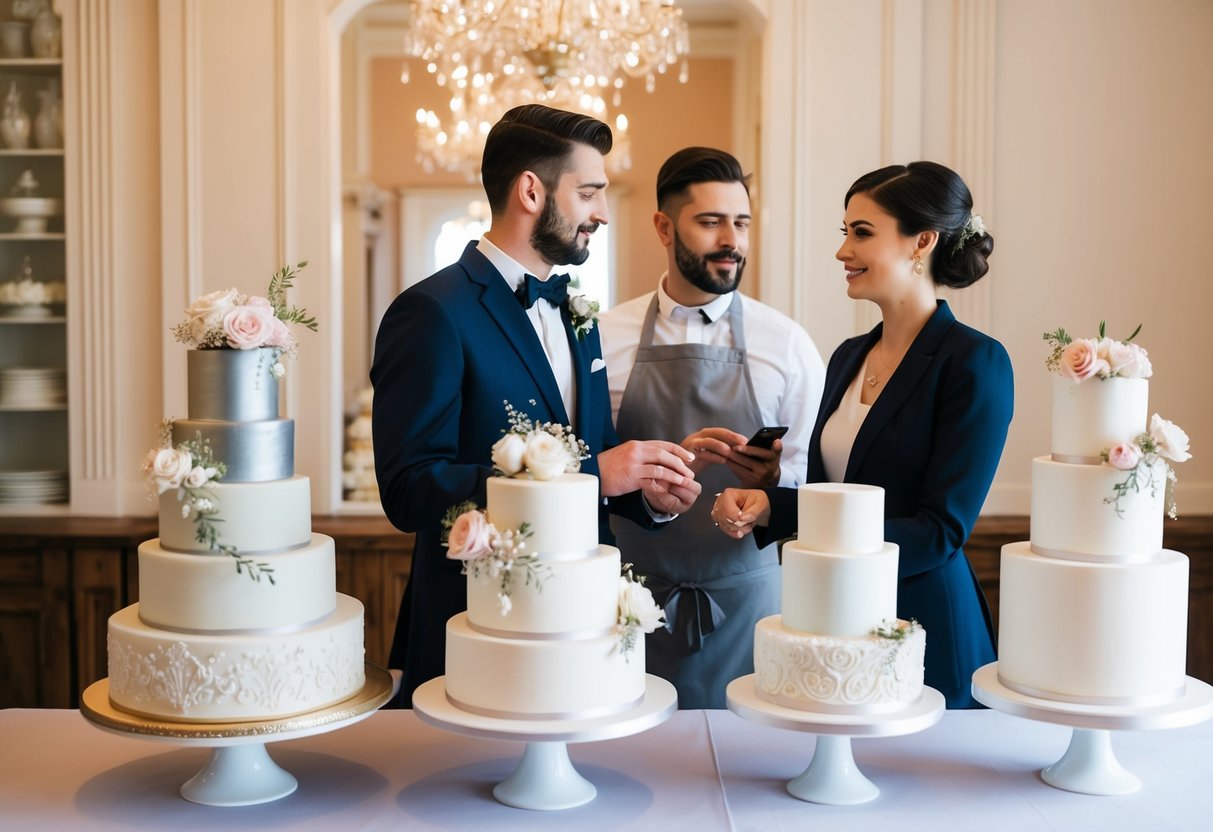
Choosing your wedding cake involves important decisions about size, flavor, and decoration. Each aspect contributes to the overall look and taste of this centerpiece for your celebration.
Choosing the Right Size and Shape
Selecting the right size and shape for your wedding cake is crucial. First, consider your guest count. A common rule is to allow one slice per person.
For example, a tiered cake generally serves more guests. Here’s a quick guide:
- Two Tiers: Serves 30-50 guests
- Three Tiers: Serves 75-100 guests
- Four Tiers: Serves 150-200 guests
Shape can also affect your cake’s appearance. Traditional round cakes are popular, but square or hexagonal options provide a modern twist. Make sure the size and shape fit your theme and venue!
Cake Flavor and Filling Options
The flavor of your wedding cake can make a big difference in its appeal. Classic options include vanilla, chocolate, and red velvet, but don’t shy away from trying something unique. Popular wedding cake flavors include:
- Lemon: Refreshing and light
- Carrot: Rich with spices
- Almond: A subtle, sweet taste
Fillings are just as important. Consider options like fruit preserves, cream cheese, or chocolate ganache to enhance flavor. Mixing flavors and fillings can create delightful surprises for your guests!
Frosting and Decoration
The right frosting and decoration bring your cake to life. Buttercream frosting is a top choice for its creamy texture and sweet taste. It’s also easy to pipe and mold. If you’re looking for something more elegant, fondant can give your cake a smooth finish.
Additionally, think about decorative elements. Fresh flowers, edible gold leaf, or intricate piping can elevate the design. You might want to match decorations with your wedding colors or theme for a cohesive look.
These choices will help ensure your wedding cake is delicious and visually stunning!
Practical Considerations
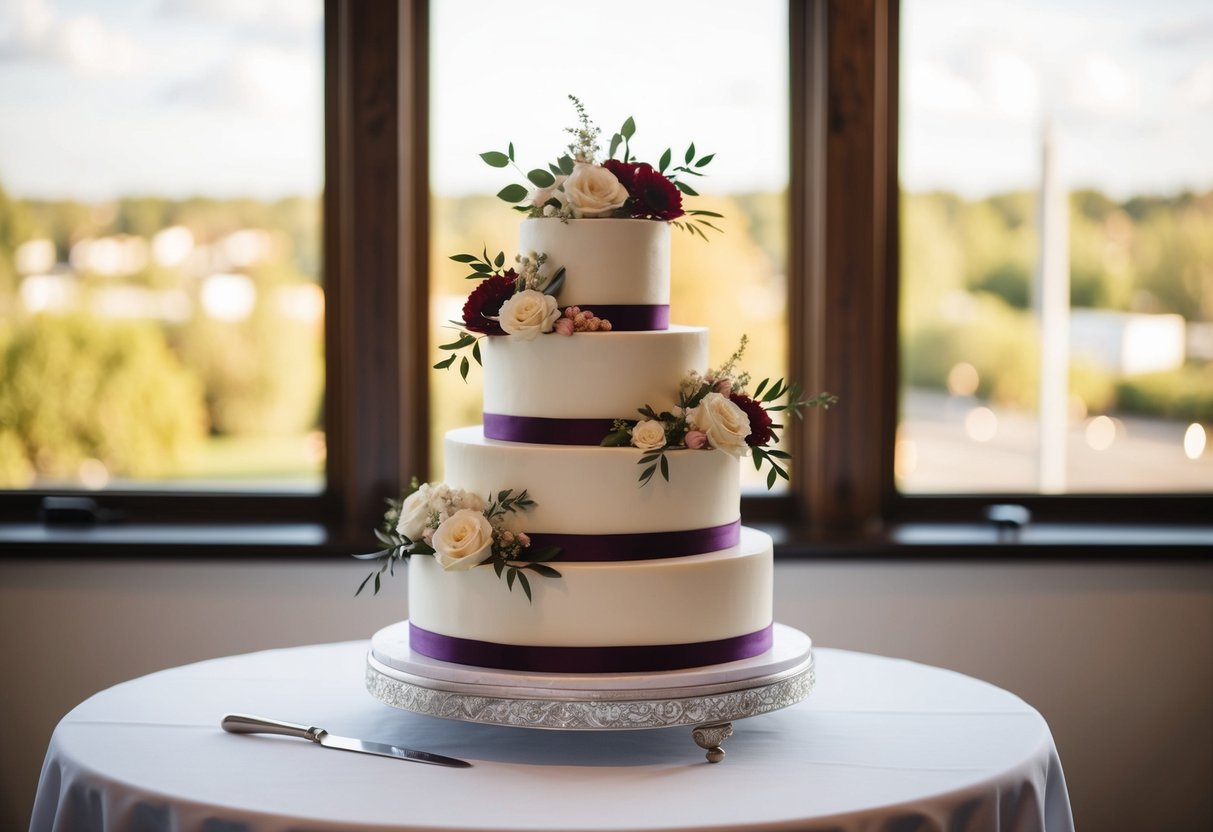
When planning your wedding cake, there are several important factors to keep in mind. Understanding your guest count, how to display the cake, and considering delivery options can help you make the best choices for your special day.
Guest Count and Serving Size
Knowing your guest count is one of the first steps in choosing your wedding cake. You want to ensure everyone gets a slice, so plan for about 75-85% of your guests to actually eat cake.
For example, if you have 200 guests, aim to have enough cake for about 150-170 servings. Standard wedding cake servings are typically 1 inch by 2 inches. You might choose to have larger slices if you want to ensure leftovers for later.
Display and Sheet Cakes
Your display cake doesn’t have to be the only cake served. A popular option is to have a beautiful tiered cake for presentation and serve guests from sheet cakes kept in the kitchen. This can save costs while giving guests an appealing view.
You can choose flavors for your display cake that might be different from the sheet cakes. For a guest count of 200, a four-tier display cake could be complemented by additional sheet cakes. Consider this approach to balance aesthetics and cost.
Delivery and Setup
Wedding cake delivery often comes with added costs. Make sure to ask your baker about the delivery fees and what’s included. Some bakers may offer free delivery, especially if you order a cake above a certain price.
It’s also essential to clarify who will handle the setup. Cakes need care during transport and setting up, so confirm if the baker provides this service. Discuss logistics ahead of time to avoid surprises on your wedding day.
Working with Your Baker
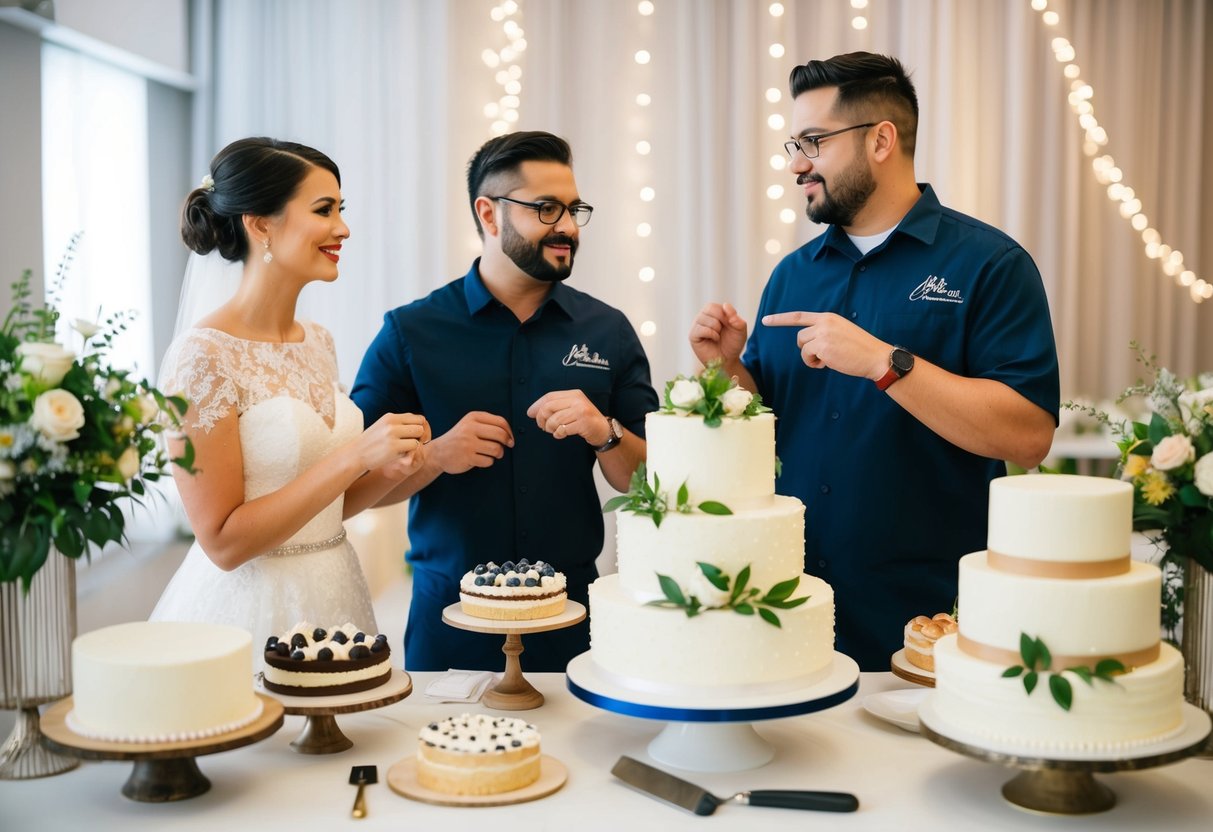
Collaborating with your baker is crucial during the wedding cake planning process. You’ll want to focus on tastings, custom designs, and ensuring everything runs smoothly.
The Importance of Cake Tastings
Cake tastings allow you to sample different flavors and fillings for your wedding cake. This is your chance to explore what you and your partner enjoy.
When you schedule a tasting, ask about various combinations. Consider classic flavors like chocolate and vanilla or more unique options like lemon or red velvet.
A good baker will also offer fillings like cream, fruit, or buttercream. This helps you narrow down your favorites and ensures the cake fits your taste.
Don’t hesitate to ask for adjustments or suggestions based on your preferences. Remember, this cake will be a highlight on your big day, so make sure it’s just right!
Design Consultations and Customization
Your wedding cake should reflect your style. Discuss ideas and themes with your baker during design consultations.
Start by sharing any inspiration you have, like pictures or color palettes. Talk about the size and shape of the cake based on your guest list. This helps the baker determine how many tiers you need.
Customization options might include unique decorations, cake toppers, or color schemes. Many bakers can create stunning designs to fit any theme, from elegant to whimsical.
Be open to your baker’s suggestions. Their experience can bring your vision to life while ensuring the cake is practical and beautiful.
Hiring and Coordination
Choosing the right wedding cake baker is essential. Look for someone experienced and reputable. Check reviews and ask friends for recommendations.
When you meet potential bakers, be clear about your budget and expectations. A good baker will want to work within your guidelines while offering creative solutions.
Coordination with your venue is also key. Speak with your baker about logistics, such as delivery times and setup. This ensures everything goes smoothly on your wedding day.
Effective communication with your baker helps prevent issues and guarantees that your cake matches your vision perfectly. Don’t forget to confirm allergy considerations, too!