
How Much Should a Wedding Meal Cost Per Person? A Guide for Budgeting Your Special Day
Planning your wedding can be overwhelming, especially when it comes to budgeting for the meal. Understanding how much you should spend on catering is crucial for creating a memorable dining experience for your guests.
On average, wedding catering costs between $30 to $200 per person, depending on the type of meal and specific choices you make.
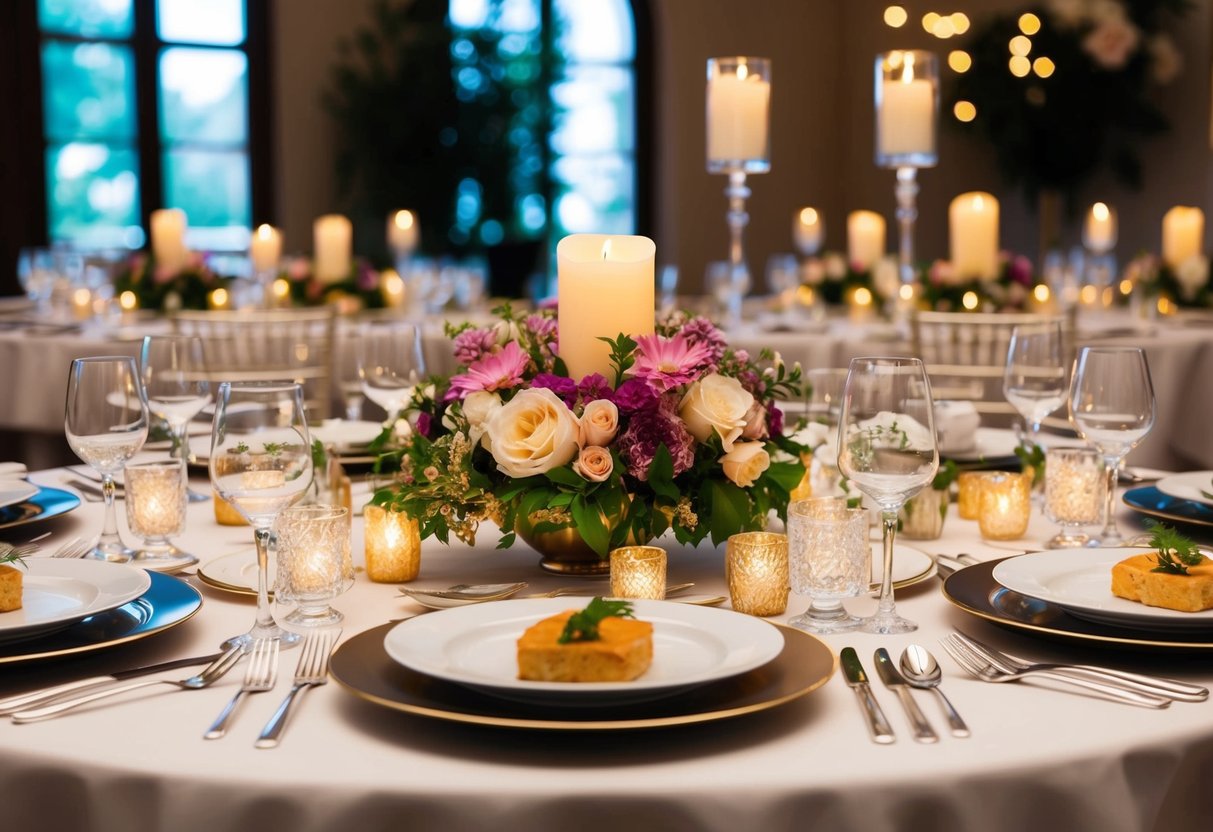
When considering your budget, remember that the total cost will vary based on factors like the style of service, food selection, and whether drinks are included. Catering is one of the most significant expenses in your overall wedding budget, with many couples spending around $4,000 for the meal. Knowing these numbers can help you plan effectively and avoid any surprises along the way.
By evaluating your options and understanding the average catering costs, you can make informed decisions that align with your vision and budget. This way, you can ensure that your guests enjoy a delicious meal while keeping your finances in check.
Understanding Wedding Catering Options
Choosing the right catering option for your wedding meal can greatly impact both your budget and guest experience. There are several popular serving styles to consider, each with its unique vibe and benefits.
You’ll want to think about how you want your guests to enjoy the meal, any dietary restrictions they may have, and the overall atmosphere you want to create.
Buffet Style vs. Plated Meals
Buffet style catering allows guests to serve themselves. This option offers a variety of dishes, which can accommodate different tastes and dietary needs. For example, you might include vegetarian options like roasted vegetable pasta or flavorful samosas.
Plated meals, on the other hand, typically feature a set menu. Guests choose their main course ahead of time, allowing for a more formal dining experience. Keep in mind that plated meals can lead to higher catering costs, especially if you include multiple courses.
Family-Style and Food Stations
Family-style serving means that large platters of food are placed on the table. Guests can pass dishes around, creating a communal atmosphere. This setup works well for sharing comfort foods like pasta, salads, and roasted chicken.
Food stations offer a fun twist by featuring various themed areas. You might have a taco station, a pasta bar, or a dessert table. Each station allows guests to customize their meals while mingling. This option can be more interactive and may even lower costs if you select simpler dishes.
Cocktail Hour and Hors D’Oeuvres
A cocktail hour provides an excellent opportunity for guests to mingle before the main meal. During this time, you can serve a variety of hors d’oeuvres. These small bites can include anything from shrimp cocktail to mini quiches.
Offering diverse choices, like vegetarian options or gluten-free items, ensures that everyone feels included. A buffet or appetizer station can make serving easier while allowing guests to choose what they prefer.
Special Menu Considerations
When planning your wedding meal, consider any dietary restrictions your guests may have. Many people have allergies or preferences, such as vegetarian, vegan, or gluten-free diets. Make sure your catering choices reflect this diversity.
Be transparent with your caterer about your guests’ needs. They may offer creative options to accommodate different diets without sacrificing flavor or presentation. This way, every guest can enjoy their meal without worry.
Breaking Down Catering Costs
When planning your wedding meal, it’s essential to understand the different factors that influence catering costs. These can include the number of guests, the type of catering package you choose, and any additional rentals or fees you might incur.
Cost Factors and Guest Count
The number of guests you invite plays a significant role in your catering costs. Generally, the more guests you have, the higher the total cost.
Average catering costs can vary widely from $30 to $200 per person.
To estimate your meal budget, you can multiply the average cost by your number of guests. For example, if you have 100 guests and the average cost is $70, your catering budget could be around $7,000.
Other cost factors include the location of the venue and the season. Popular venues might charge more per plate, especially in peak seasons.
Catering Packages and Extras
Catering companies often offer different types of packages. These can include buffet-style meals, plated dinners, or family-style serving.
When selecting a package, think about your guests’ preferences and dietary requirements. Some packages include extras like appetizers or dessert, while others charge additional fees.
Customizations such as signature cocktails or a late-night snack can also add to your overall cost. Make sure to clarify what’s included in the package. Getting a detailed breakdown can help you stay within your catering budget.
Rentals and Additional Fees
Rentals are another important consideration. If your venue doesn’t provide tables, chairs, or dinnerware, you may need to rent these items.
These rentals can add up quickly. For instance, renting plates, silverware, and glasses for 100 guests can cost several hundred dollars.
Also, don’t forget about additional fees. Gratuities, service charges, and delivery costs can be significant. Always ask for a clear list of all potential fees, so you’re not surprised later.
Planning Your Wedding Menu
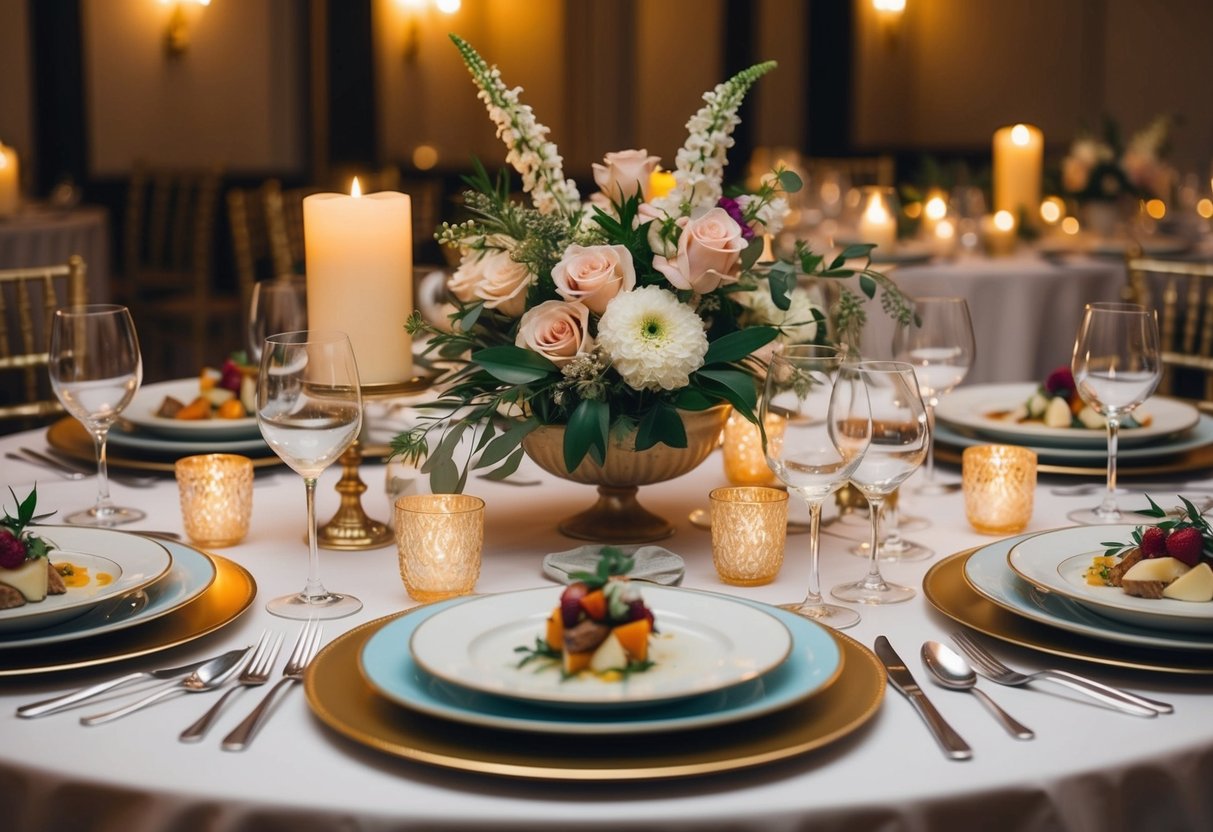
Planning your wedding menu is an essential step that can impact your big day. Consider menu tastings, the venue, and the bar service options to ensure you create a delicious experience for your guests.
Menu Tasting and Selection
Menu tastings allow you to sample dishes that will be served at your wedding. Schedule tastings with your chosen caterer to help finalize your selections.
During tastings, make notes on the flavors, presentation, and portion sizes. These details matter! You might also want to ask about special dietary needs, such as vegetarian or gluten-free options, to accommodate all guests.
Consider your wedding theme when choosing the menu. For example, a rustic wedding may benefit from comfort foods, while a formal event might call for plated gourmet meals.
Considering the Venue and Caterer
The venue you choose influences your catering options. Some venues have preferred vendors, while others allow outside caterers. Check with your venue to understand their policies.
Make sure the caterer has experience at your venue. They should know the layout and any restrictions or requirements. This knowledge helps ensure that food service goes smoothly on your wedding day.
When selecting a caterer, review their menu options carefully. Ask about flexibility in meal styles, like plated dinners versus buffet. Each option affects your budget and guest experience differently.
Alcohol and Bar Service
Choosing the right bar service can significantly shape your wedding atmosphere. You have several options, including a full bar, cash bar, open bar, or a limited open bar.
Full Bar: Offers a wide selection of drinks. This option usually comes with higher costs but can enhance guest enjoyment.
Cash Bar: Guests pay for their drinks. This option lowers your costs but might be less welcoming.
Open Bar: All drinks are free for guests. This encourages a fun vibe but can quickly increase your spending.
Limited Open Bar: Free drinks for a certain time or limited selections. This is a middle-ground approach.
Understanding the bar service you choose helps manage your budget while keeping guests happy.
Finalizing Your Catering Budget
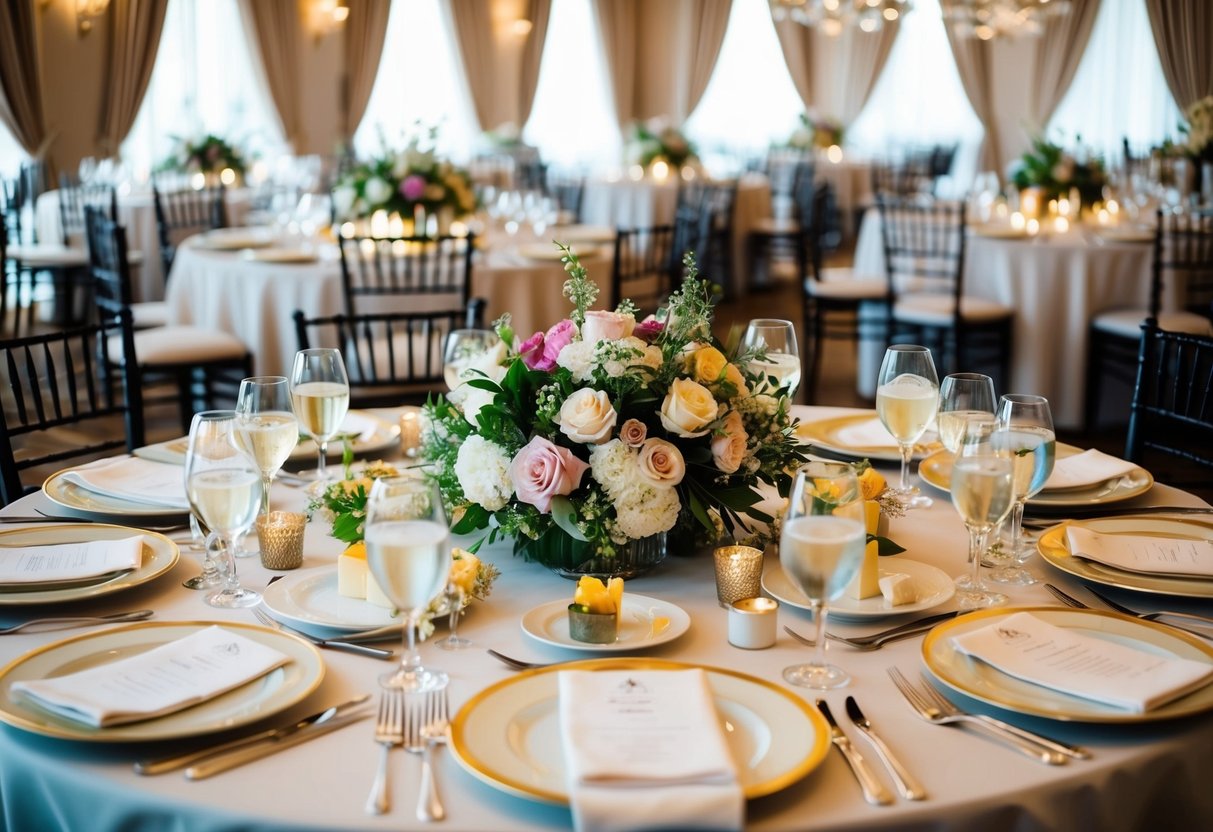
It’s important to be clear about your catering budget as you plan your wedding meal. Knowing average costs and carefully reviewing contracts can help you make smart decisions.
Average Catering Costs and Budget Tips
When figuring out your wedding meal budget, consider the average catering prices. In 2023, most couples spent between $75 to $85 per person. This price can vary based on your location and meal style.
Buffet-style meals often offer more cost-effective options compared to plated dinners. You might also want to set aside 15-20% for gratuity to tip the catering staff.
To get a clearer picture of your options, request a catering quote from several vendors. This helps you compare prices and see what fits your budget best. Don’t forget to ask about any extra fees that might apply, such as service charges or taxes.
Catering Contract Review
After selecting a caterer, carefully review the catering contract. Look for details about the menu, guest count, and timing. Make sure everything you talked about is in writing.
Check for additional charges that might not be evident. Some contracts include fees for late-night snacks or cake cutting. These can add up quickly if you’re not prepared.
Verify your catering quote matches the contract terms. Confirm the price per plate and any inclusions. Taking the time to clarify these points can save you from surprises on your big day!