
How Much Should Guests Pay for a Destination Wedding? Guiding Expectations for Your Special Day
Planning to attend a destination wedding can be exciting, but you might wonder about the costs involved. Generally, guests should expect to cover their own travel expenses, including airfare, hotel accommodations, and meals. This means that you will likely be responsible for the costs that come with getting to the wedding venue and staying there.
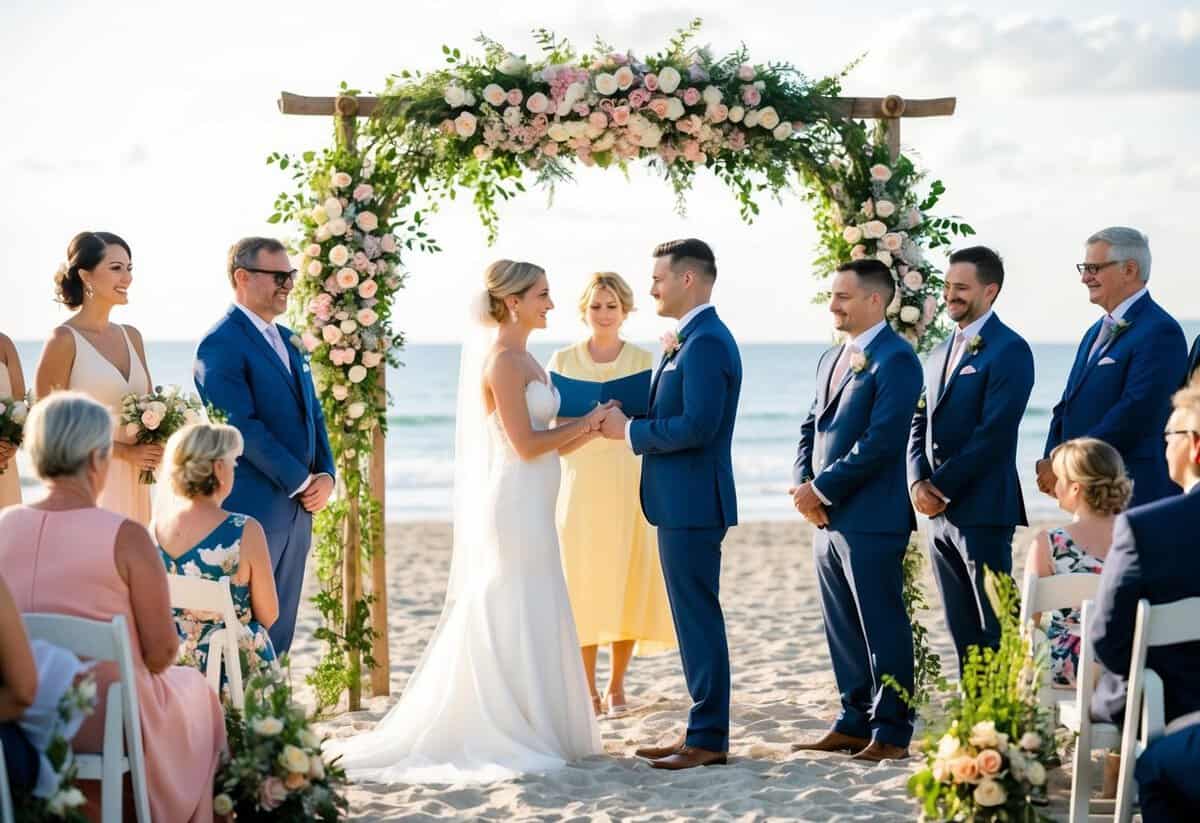
Destination wedding etiquette also plays a role in what guests should pay. While it’s customary for couples to take care of the wedding itself, understanding the expenses you might face helps you prepare.
Knowing what to expect can make your experience more enjoyable and less stressful, allowing you to focus on celebrating with the couple.
When weighing the decision to attend a destination wedding, consider all wedding expenses you might incur. From booking flights to finding accommodations, budgeting ahead can help you avoid surprises later on.
By planning accordingly, you can enjoy the festivities without any financial strain.
Understanding the Costs of a Destination Wedding
Planning a destination wedding involves various costs that you and your guests need to consider. Understanding these expenses ensures everyone knows what to expect and helps everyone budget accordingly.
Breakdown of Destination Wedding Expenses
Destination weddings can vary widely in cost, depending mainly on the location, number of guests, and chosen package. Here are some key expenses to keep in mind:
-
Travel Costs: Flights or road trips to the destination can be a significant expense. Guests should factor in transportation costs to and from airports.
-
Accommodation: Hotels or resorts are another major cost. Guests have options ranging from budget-friendly lodging to luxury suites, which can influence their overall spending.
-
Wedding Fees: Venue rental, officiant fees, and decorations usually come from the couple’s budget. Couples might choose all-inclusive packages to simplify costs.
-
Food and Drinks: Catering can be a major part of wedding expenses and may be included in venue packages or require separate arrangements.
Being aware of these costs helps everyone plan for the trip.
Who Pays for What?
Determining who pays for which expenses can sometimes lead to confusion. Here’s a clearer view:
-
Couples: Couples often cover the wedding-related expenses like venue, catering, and decor. However, some might pay for partial travel costs or accommodations for close family members.
-
Guests: Generally, guests are responsible for their travel and accommodation. They may choose to stay at nearby hotels that fit their budget, which can vary widely.
-
Friends and Family: Sometimes, parents of the couple contribute to expenses as a gift. This can help ease the financial burden on both the couple and guests.
Discussing financial responsibilities early ensures everyone is on the same page. This openness can help prevent any misunderstandings down the road while planning a beautiful destination wedding.
Guests’ Responsibilities
When attending a destination wedding, it’s important to know what expenses you will be responsible for. Typically, guests must cover their travel, accommodations, and some social events. Here’s a breakdown of your responsibilities.
Travel and Accommodation
You are responsible for your own travel costs, which include airfare and other transportation. When booking your flight, look for deals and consider traveling during off-peak times to save money.
For accommodations, it’s common for couples to arrange hotel blocks at discounted rates. Make sure to RSVP on time so the couple can communicate details about these options.
Staying at the suggested hotels can enhance your experience and sometimes help the couple negotiate better rates.
Rehearsal Dinner and Welcome Party
Guests usually cover their own costs for events like the rehearsal dinner and welcome party. Tradition might suggest that the couple pays for these meals, but it’s common for you to chip in.
Check your invite for more details about these gatherings. If the couple does not specify, assume you’re responsible for your own meal and drinks.
It can be a great chance to mingle with other guests, so consider budgeting for this fun aspect of the celebration.
Wedding Attire and Gifts
For a destination wedding, your wedding attire should be appropriate for the location and season. Check with the couple for any specific dress codes or ideas about colors and styles.
Gifts are also your responsibility, often ranging from cash to personal items. Think about the couple’s needs and preferences.
A thoughtful gift can mean a lot. It’s a way to show your love and support for their new chapter together.
Always consider sending your gift ahead of time if you’re traveling with limited space.
How Guests Can Save on Expenses
Finding ways to reduce travel costs can make attending a destination wedding more affordable. You can save money through group rates, selecting budget-friendly accommodations, and planning for additional activities wisely.
Group Rates and Discounts
Many hotels and resorts offer group rates for wedding guests. When booking your stay, ask about any available discounts for a block of rooms. This can significantly lower the price of accommodations.
If you’re traveling with friends or family, consider organizing a group trip.
You might also find all-inclusive resorts that provide special wedding packages. These often include perks like meals and activities, which can save you money on food and entertainment.
Selecting Affordable Accommodations
Look for affordable hotel accommodations that still offer comfort and convenience. Use websites that compare prices to find the best deals.
Check for options like vacation rentals, which can be more cost-effective for larger groups.
Staying a bit farther from the wedding venue may also save you money. Just ensure there are reliable transportation options to make commuting easy.
Sometimes, more budget-friendly spots come with great local charm.
Budgeting for Additional Activities
Don’t forget to plan for travel expenses beyond the wedding itself. Whether it’s excursions or local attractions, setting a budget for extra activities can prevent overspending.
Consider joining group excursions organized by the wedding party. These often come with discounts and are a great way to experience the area together.
Research local activities that fit into your budget, and take advantage of free or low-cost events, like local festivals or beach days.
Wedding Etiquette for Destination Ceremonies
When planning for a destination wedding, it’s important to be aware of specific etiquette. Proper communication, understanding different cultures, and managing expectations about costs can help ensure a smooth experience for both you and your guests.
Proper Communication and RSVPs
Clear communication is key for your destination wedding. Send invitations well in advance to give your guests time to make travel arrangements.
Include all necessary details, like the location, travel options, and accommodation suggestions.
Make sure to stress the importance of RSVPs. Guests should confirm their attendance as soon as possible.
This helps with planning activities like the welcome dinner and any group excursions. Consider creating a wedding website to keep everyone informed.
Understanding Cultural Norms
Destination weddings may involve different cultural traditions. Be respectful of local customs and consider how they could affect your ceremony and reception.
Research the destination to understand what is appropriate behavior.
If you invite guests from various backgrounds, mention any specific customs in your communication. This can help bridge gaps and ensure everyone feels comfortable during the wedding activities.
Managing Expectations and Expenses
Your guests will likely have to cover their travel and accommodation costs. So, make sure to manage expectations about what you will provide. While you can offer hotel block options, guests should be prepared for their expenses.
Consider offering a range of activities for guests with different budgets. Let them know which meals will be covered, like the wedding cake during the reception, and which meals they need to pay for themselves. Provide guidance without assuming everyone can keep up with all costs.