
How Much Should I Spend on a Wedding Ring? Essential Tips for Choosing the Perfect Ring
Choosing how much to spend on a wedding ring can feel overwhelming. The average cost for an engagement ring is around $5,500, but you should base your budget on your personal financial situation and lifestyle. Different factors, like where you live and your job, can also influence your decision.
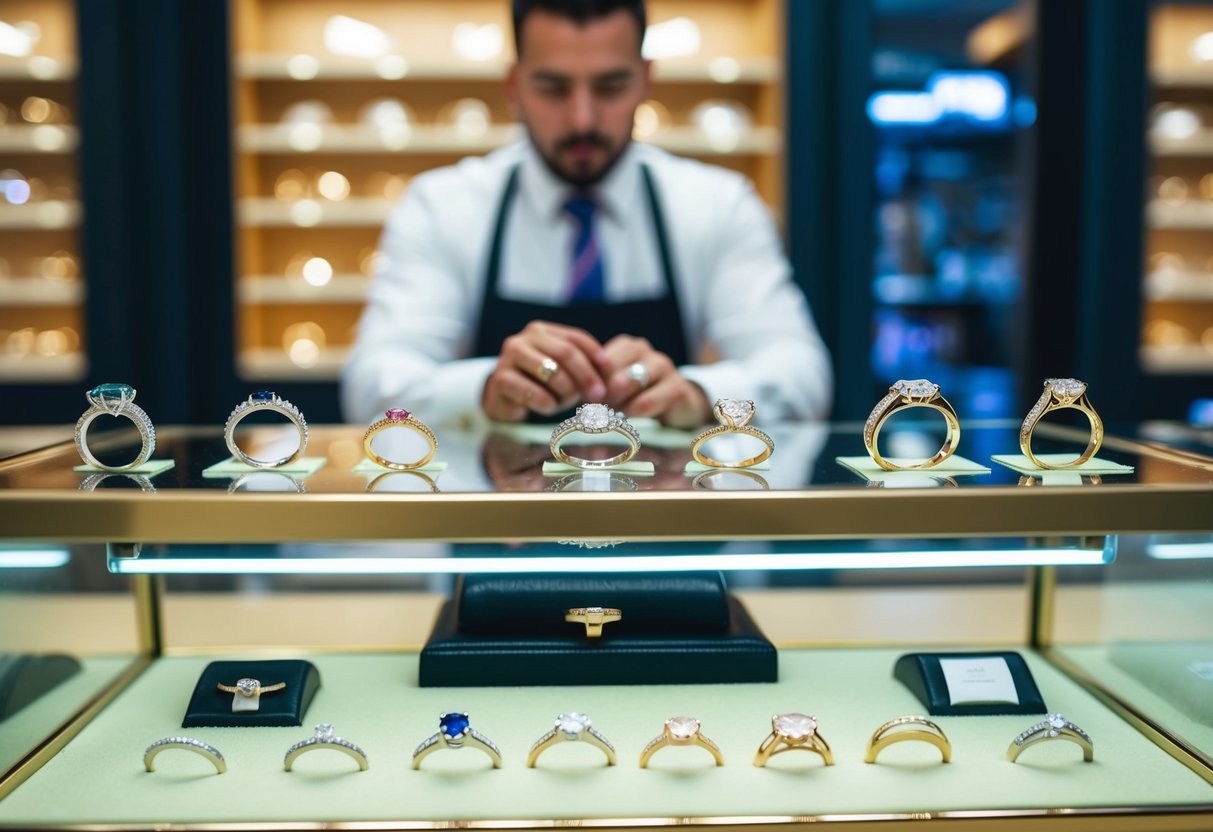
It’s important to find a ring that represents your love without causing financial stress. Many people find comfort in thinking about what they value most in a ring rather than just following social trends. This approach allows you to focus on what truly matters to you and your partner.
As you explore different options, keep in mind that it’s not just about the price tag. It’s also about the meaning and commitment behind the ring. With the right mindset, you can make a choice that feels perfect for both of you.
Understanding the Costs Associated with Wedding Rings

When considering spending on wedding rings, it’s essential to look at both historical trends and modern influences. Your decisions will depend on various factors including styles, materials, and your personal budget.
Historical Perspective on Wedding Ring Costs
Historically, the tradition of giving wedding rings dates back thousands of years. In many cultures, they symbolize eternity and commitment.
In the early days, wedding rings were simple bands made from materials like iron or wood. As time progressed, gold became the favored choice.
The average engagement ring cost has risen significantly over the decades, with the “two months’ salary” rule becoming popular in the 20th century. Today, many spend varying amounts based on their financial situations and preferences.
For wedding bands, costs can also differ widely depending on the material and design. A basic gold band may cost less than $500, while a more elaborate design can reach several thousand dollars.
Modern Factors That Influence Price
Today, various factors can affect the cost of wedding rings, especially engagement rings. The 4Cs of diamonds—carat, cut, clarity, and color—play a crucial role in determining pricing. Higher quality and larger stones significantly increase costs.
Material choices also matter. For instance, platinum is often more expensive than gold due to its rarity and durability.
Trends in wedding ring designs can affect costs too. Vintage styles or designer brands typically come with a premium.
The average wedding band cost can range from $200 to over $2,000, depending on your choices. It’s important to set a budget that reflects your values and lifestyle, ensuring that your choice feels right for you.
Determining Your Budget for Wedding Rings
Setting a budget for wedding rings is an important step in your wedding planning. Consider your finances, your partner’s style, and what feels right for you as a couple. Here’s how to approach the costs associated with engagement rings and wedding bands.
Engagement Ring Budget Considerations
When planning your budget for an engagement ring, consider your financial situation first. Look at your income and monthly expenses. It’s wise to set a realistic amount that won’t strain your finances.
The average cost of engagement rings is around $5,800, but this can vary. Think about your partner’s preferences. A simple design may cost less.
Consider options like different metals and stones. A diamond is traditional, but other gemstones can be unique and less expensive. Use a budget calculator to help you decide what fits into your overall wedding budget.
Wedding Band Budgeting
Wedding bands are also significant, so include them in your planning. The average cost of wedding bands can range widely, typically around $1,000 to $3,000 each.
Start by discussing preferences with your partner. Some couples choose matching bands, while others select unique styles.
Decide on materials, as this can influence price. Gold or platinum bands come at different costs depending on quality and design.
Make a list of what’s essential to you. This may include durability, style, or minimalism. Don’t forget to account for engraving or other custom options, which can add to the wedding ring cost.
Material and Design Options for Your Ring

Choosing the right materials and design for your wedding ring is important. The choices you make can affect both the look and the cost of your ring. Here are some details to consider.
Gold, Platinum, and Silver Varieties
When selecting a metal, you have several options, including yellow gold, white gold, rose gold, and platinum. Each has its own look and feel.
- Yellow gold is a classic choice. It’s warm and traditional, often available in 14-karat or 18-karat variations.
- White gold offers a modern, sleek look. This metal is often coated with rhodium for added shine.
- Rose gold has gained popularity for its unique pink hue, giving a romantic touch to your ring.
- Platinum is very durable and doesn’t tarnish, making it a great choice for lasting wear.
Sterling silver is a more budget-friendly option, but it can scratch easily and may require more care.
Gemstone Choices and Their Impact on Cost
The center stone of your ring greatly influences its overall cost. While lab-grown diamonds are often more affordable, they offer the same beauty as mined diamonds.
If you want something different, consider colored gems such as rubies, emeralds, or sapphires. These stones can add a personal touch and can sometimes be less expensive than diamonds.
The choice of gemstone not only affects the price but also the ring’s emotional significance. Each stone has its own meaning, so think about what resonates with you.
Considering Alternative Metals and Gems
If you are looking for something unique, consider alternative metals like titanium or tungsten. These options are modern and robust, suitable for a more casual or adventurous style.
In addition to traditional gems, alternative gems such as morganite or aquamarine can provide vibrant colors and a distinct look.
You can also explore bridal sets, which include matching wedding bands and engagement rings, often designed to complement each other beautifully. Choosing the right materials and designs will ensure your wedding ring reflects your personal style.
Quality and Characteristics of Wedding Rings

When choosing a wedding ring, understanding the quality and characteristics is essential. You want a ring that matches your style and fits your budget while also being a lasting symbol of your commitment.
The Four Cs of Diamonds: Cut, Color, Clarity, and Carat
The Four Cs are critical when it comes to assessing diamond quality, especially for an engagement ring.
- Cut: This refers to how well the diamond is shaped and faceted. A good cut enhances brilliance and sparkle.
- Color: Diamonds come in a range of colors. The more colorless the diamond, the more valuable it is. The best options are rated D to F.
- Clarity: Clarity measures how clear the diamond is. Fewer inclusions and blemishes mean higher clarity and value.
- Carat: This indicates the weight of the diamond. Larger diamonds typically cost more, but beauty often relies on quality rather than just size.
Understanding these factors will help you choose a diamond that’s beautiful and meaningful.
Understanding Lab-Grown Diamonds and Inclusions
Lab-grown diamonds are a great option if you’re looking for quality at a lower price. They have the same physical and chemical properties as natural diamonds, making them stunning alternatives.
Inclusions are small imperfections found in diamonds and can impact their appearance and value. Common inclusions include:
- Feathers: Tiny cracks within the diamond.
- Clouds: Groups of tiny crystals that create a hazy appearance.
- Pinpoints: Small white or clear crystals embedded in the diamond.
When considering a lab-grown diamond or a natural one, knowing about inclusions can help you find a beautiful ring that fits your preferences and budget.