
How Much Should My Boyfriend Pay for an Engagement Ring? Tips for Setting the Right Budget
When choosing the perfect engagement ring, many couples wonder about the budget. A good rule of thumb is to consider spending about two to three months’ salary on an engagement ring. This guideline can help your boyfriend feel secure in selecting a ring that symbolizes his love while staying within a reasonable budget.
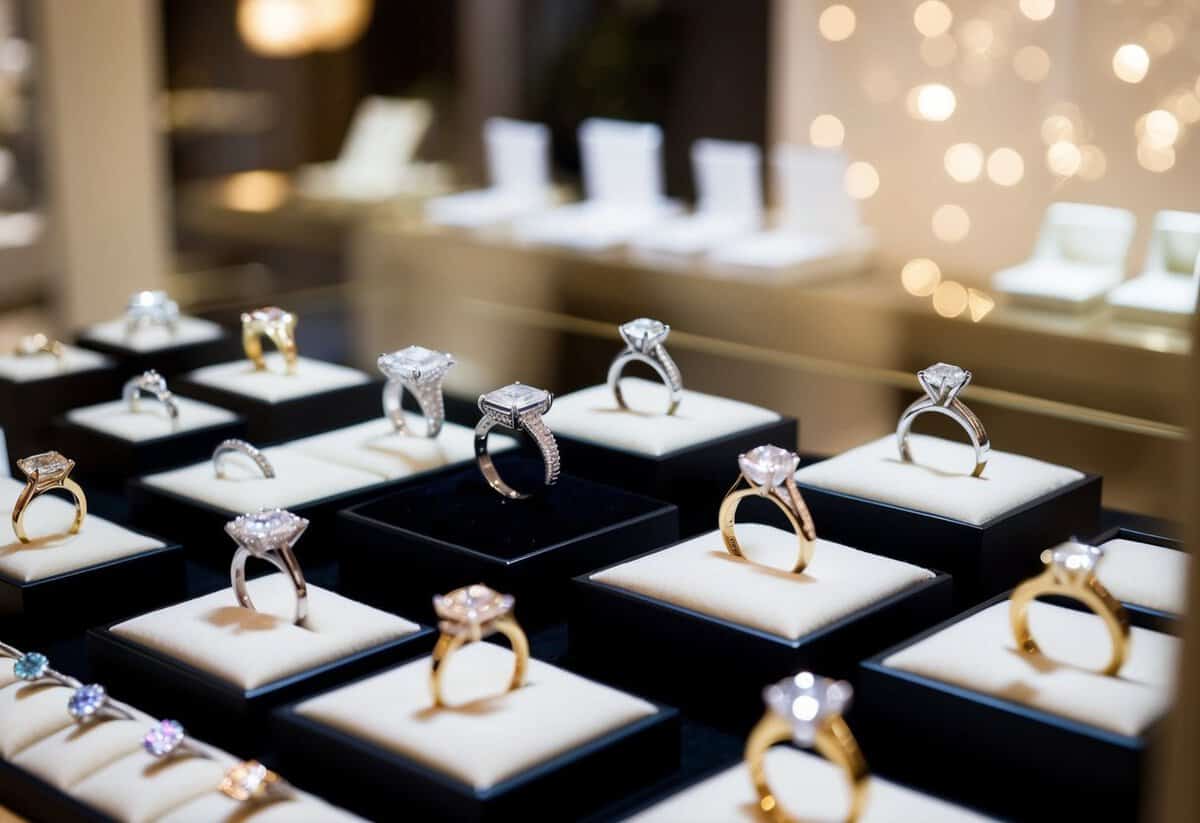
It’s important to remember that the best engagement ring is one that fits your style and relationship, not just a price tag. Factors like the choice of the metal, the size of the center stone, and the overall design can all influence the cost. If you both have a budget in mind, it can make the ring shopping process much smoother.
A thoughtful proposal should focus on what’s meaningful to both of you rather than just the cost of the engagement ring. Discussing your expectations can help set a budget that feels comfortable. Ultimately, what matters is the love and commitment behind the ring, not just its price.
Understanding Engagement Ring Budgets
Creating a budget for an engagement ring is a personal journey that considers your financial situation, expectations, and goals. Knowing these key elements can help you make a wise decision without unnecessary stress.
Examining Financial Situations
Before settling on how much to spend, take a close look at your finances. Review your income, expenses, and savings. This will give you a clear view of what is feasible.
Consider debt obligations, like student loans or credit cards. Mounting debt can affect how much you can allocate to an engagement ring. If you have limited cash flow, it might be better to set a smaller budget and save over time.
Engagement Ring Cost Expectations
Understanding what other people spend can help you set your expectations. The average engagement ring cost as of 2024 is about $6,100. Some people use the three-month salary rule as a guideline. This means you spend about a quarter of your annual income on the ring.
That said, your partner’s taste, ring style, and the quality of the stone can all impact the final cost. This is where an engagement ring calculator can help you estimate a suitable budget based on your finances.
Setting Financial Goals
Once you know your financial situation and expectations, it’s time to set clear goals. Determine how much you’re comfortable spending. Then decide whether to buy immediately or save for a few months.
If saving, establish a timeline and figure out how much to set aside each month. This can prevent last-minute stress and hasty decisions. Making a physical or digital budget can help you keep track of your saving progress.
Selecting the Perfect Diamond
Choosing the right diamond for an engagement ring involves considering several important factors. You want to ensure it reflects your partner’s style and meets quality standards. Here’s what to keep in mind.
The 4Cs of Diamond Quality
When selecting a diamond, focus on the 4Cs: cut, color, clarity, and carat weight.
- Cut: The cut determines how well the diamond reflects light. A well-cut diamond will sparkle brilliantly.
- Color: Diamonds come in a range of colors. The less color present, the more valuable the diamond. Aim for near-colorless options for a classic look.
- Clarity: Clarity measures the presence of inclusions or blemishes. A diamond with fewer imperfections appears clearer and is usually more desirable.
- Carat Weight: This refers to the size of the diamond. Bigger isn’t always better—consider your budget and your partner’s preference.
Knowing these details helps you choose a diamond that balances beauty and value.
Natural vs. Lab-Grown Diamonds
Deciding between a natural diamond or a lab-grown diamond can affect both your budget and ethics.
Natural Diamonds: These are mined from the earth and have unique characteristics. Each natural diamond tells a story and has a charm that lab-grown diamonds may not have.
Lab-Grown Diamonds: These are created in controlled settings and often come at a lower price. They have the same physical and chemical properties as natural diamonds but offer more value for your money.
Think about what is more important to you and your partner: a natural diamond’s tradition or the affordability of a lab-grown diamond.
Deciding on Diamond Shape and Cut
The shape of a diamond greatly influences the ring’s overall appearance. Popular shapes include:
- Round: Known for its brilliance, this is the most popular shape.
- Princess: A square or rectangular shape that offers a modern look.
- Oval: An elegant shape that can appear larger than its carat weight.
- Emerald: This rectangular cut emphasizes clarity and elegance.
The choice of shape and cut should reflect your partner’s style. If they prefer classic looks, opt for round or princess cuts. For a unique or vintage style, consider oval or emerald cuts. Mixing cut quality with the right shape can make your ring truly special.
Customization and Craftsmanship
Choosing an engagement ring is not just about the price; it’s also about how it reflects your partner’s style. Customization and craftsmanship play significant roles in creating a meaningful piece that will last a lifetime.
Designing a Unique Engagement Ring
When considering a ring, think about customization. This allows you to design something truly special. You can select the shape of the diamond, the type of precious metal, and even add personal touches like engravings.
Popular diamond shapes include:
- Round
- Princess
- Oval
- Emerald
Each shape can change the ring’s overall look. Engaging with a jeweler can bring your vision to life, ensuring that the ring captures your partner’s personality and style perfectly.
Understanding Craftsmanship and Materials
Craftsmanship refers to the quality of the ring’s creation. A well-crafted engagement ring not only looks stunning but also stands the test of time. Look for artisans who focus on detail and use quality materials.
Key aspects of craftsmanship include:
- Precise Setting: Ensures the diamond is secure.
- Durable Metals: Platinum and gold are popular choices because of their longevity and appeal.
The materials used also matter. For example, if your partner loves vintage styles, you might opt for a ring made with rose gold or unique settings that enhance the diamond’s brilliance. Quality craftsmanship guarantees that your ring will be cherished for years to come.
Adding Supplementary Pieces
When thinking about an engagement ring, you might also consider adding supplementary pieces. These additional items can enhance the overall look and significance of your jewelry.
Choosing Wedding Bands
Selecting wedding bands is a big step after choosing an engagement ring. Many people opt for matching sets, where the wedding band complements the engagement ring’s design.
Here are a few tips for choosing wedding bands:
- Metal Choice: Consider the same metal used in the engagement ring to create a cohesive look.
- Width: Think about the band width. A wider band can create a bold statement, while a daintier band offers elegance.
- Gemstones: You might want to add small gemstones or diamonds in the wedding band. This adds sparkle and can represent important moments in your life together.
You should also keep the engagement ring’s height in mind. A lower-profile wedding band works well if the engagement ring is raised.
Exploring Alternative Gemstones and Eternity Bands
Alternative gemstones are a creative choice for adding personality to your jewelry collection. You could choose a colored stone like a sapphire or emerald, instead of a traditional diamond. These stones come in various colors and can fit your style and budget.
Eternity bands are also popular. They feature continuous stones around the band, symbolizing endless love. Here’s what to consider:
- Gemstone Type: You can select from various options, like diamonds or colored stones.
- Setting Style: Choose between prong or channel settings, which affect how the stones sit in the band.
- Carat Preference: Decide how many carats you want. Remember that more carats translate to higher costs.