
How Much Should You Spend on an Engagement Ring? Tips for Finding the Perfect Balance
When choosing the perfect engagement ring, many people wonder how much they should really spend. The average cost of an engagement ring in the U.S. is around $5,900, but personal budgets vary. It’s important to remember that this purchase is a personal decision that reflects your unique relationship.
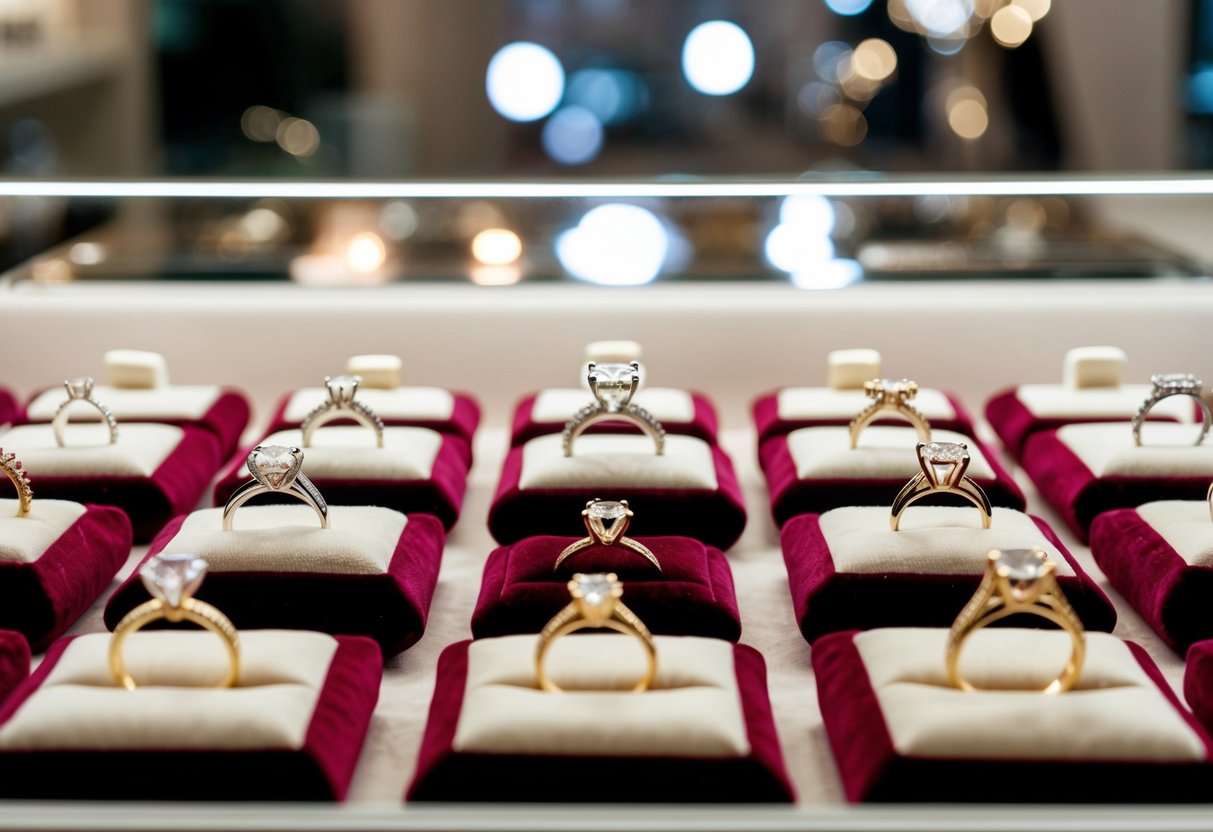
You might have heard the common guideline suggesting you spend two months’ salary, but this can put a lot of pressure on you. Instead, consider your financial situation and what feels right for you both. Exploring different options can help ensure you find a ring that represents your love without stretching your budget too thin.
Ultimately, the best choice is one that balances your feelings and finances. As you think about how much to spend, try focusing on what makes sense for you and your partner rather than following traditional rules.
Understanding Engagement Ring Expenses
When planning for an engagement ring, it’s essential to know what to expect in terms of costs. Understanding the average price and the factors that influence it can help you create a realistic budget.
The Average Engagement Ring Cost
The average cost of an engagement ring varies widely, but recent surveys indicate that it typically falls between $5,000 and $10,000. For many, spending around two months’ salary is a common guideline, but it’s important to consider what feels right for you and your partner.
Diamonds are still the most popular choice, making up about 85% of sales in the engagement ring market. You may find that prices differ based on the ring’s design, brand, and the quality of the diamond. Simple designs or alternative stones can significantly lower the overall cost, allowing you to stay within your budget while still getting a beautiful ring.
Factors Influencing Price
Several factors can influence the price of an engagement ring. Diamond quality plays a significant role, with the 4Cs—carat, cut, color, and clarity—affecting the price. For example, a larger carat weight often leads to a higher cost.
The setting style you choose also impacts the total expense. A solitaire setting might be less expensive than a more intricate design. Additionally, brand reputation can affect pricing. Some well-known jewelers may charge more due to marketing campaigns and perceived prestige.
Finally, your local market conditions and sales trends can also shape prices. Keep these factors in mind as you explore options and determine how much to spend on an engagement ring.
How Much to Spend Based on Personal Finances

When thinking about how much to spend on an engagement ring, consider your financial situation. It’s important to balance your dreams with your reality. Let’s look at how to analyze your finances, weigh saving versus spending, and understand popular spending guidelines.
Analyzing Your Financial Situation
Start by assessing your overall financial health. Look at your income, expenses, and debt. Are you currently paying off student loans or credit card debt? This is essential because high-interest debt can take a toll on your budget.
Create a list of your monthly expenses:
- Rent or mortgage
- Utilities
- Groceries
- Loan payments
This will help you see how much money is left for savings or other purchases.
If your finances are tight right now, spending a lot on a ring may not be wise. Make sure to prioritize settling any debt first and have a good emergency fund before you make a big purchase.
Saving vs. Splurging
Deciding between saving and splurging on the ring is a major step. Splurging can be tempting, especially if you want something special. However, saving money can give you peace of mind in the long run.
Consider what you truly value. Does a ring with a larger diamond mean more to you than financial stability? You could choose a smaller, high-quality diamond instead, providing a balance.
Think about other financial goals too. Are you saving for a house or planning a wedding? Putting extra money toward these goals while keeping your ring budget reasonable can make a difference.
The Month’s Salary Guideline
The common rule is to spend about two to three months’ salary on an engagement ring. For example, if you make $60,000 a year, you might think of spending $10,000 or more on a ring.
While this guideline is popular, it’s not a strict one. Many people now believe that spending around $5,500 is more reasonable.
Consider what feels right for you. A personal loan might get you the ring you want, but think about how that affects future finances. Ensure that your ring budget fits with your savings, expenses, and any debt you may have.
Engagement Ring Characteristics and Selection

Choosing the right engagement ring involves understanding various characteristics that contribute to its beauty and value. You’ll want to consider the type of stone, its quality, and the metal and setting that will best complement your choice.
Diamond and Gemstone Options
When selecting an engagement ring, you have multiple options for your center stone. While many people opt for a diamond due to its durability and timeless appeal, alternatives like sapphires, emeralds, and rubies can be stunning choices too.
Diamonds are classified as either natural or lab-grown. Lab-grown diamonds are often more affordable and identical in quality to natural diamonds. Other options, like cubic zirconia, offer sparkle at a lower cost but lack the same durability. When choosing a gemstone, think about personal preferences and the significance of the stone for your partner.
Understanding the Four Cs
The Four Cs—cut, color, clarity, and carat—are essential when assessing the quality of a diamond.
- Cut: The cut affects how the diamond reflects light. A well-cut diamond sparkles more.
- Color: Diamonds range from colorless to light yellow. The less color, the higher the value.
- Clarity: This measures imperfections, both internal and external. The fewer flaws, the more valuable the diamond.
- Carat: This refers to the weight of the diamond. Larger diamonds typically cost more.
Understanding these factors will help you make a more informed choice in your search for the perfect ring.
Choosing the Right Metal and Setting
The metal and setting of an engagement ring play a significant role in its overall appearance. Common metal choices include gold (yellow, white, or rose), platinum, and silver.
- Gold: A classic choice, it is durable and comes in various colors.
- Platinum: Highly durable and hypoallergenic, it is often preferred for its luxurious feel.
- Settings: The setting can enhance the center stone’s beauty. Popular settings include solitaire, halo, and three-stone arrangements.
When picking the metal and setting, think about your partner’s style and lifestyle. A comfortable ring that reflects their personality is key to a meaningful proposal.
Making the Purchase

Buying an engagement ring is an exciting step in your journey toward proposing. You want to ensure you make informed choices about the jeweler, the diamond, and your budget. Here’s what you need to know.
Choosing the Right Jeweler
Selecting the right jeweler is crucial. Look for a reputable online jeweler or a local shop with great reviews. Ask about their return policies, warranties, and certifications.
Consider visiting several stores to compare prices and options. Some jewelers specialize in antique rings, while others focus on modern styles. Make sure the jeweler understands your preferences and can guide you in finding the perfect setting.
Check if they offer lab-grown diamonds as an eco-friendly and often more affordable option. Having a trustworthy jeweler can make your shopping experience smoother, which is helpful when picking the right engagement ring.
Exploring Diamond and Ring Budget Calculators
Budgeting is a significant part of the engagement ring buying process. Use an engagement ring calculator to determine how much you can comfortably spend.
Consider factors like your salary and any other expenses, like your honeymoon. There’s a common belief that you should spend two months’ salary, but this might not suit everyone.
Prioritize what matters to you: whether it’s a larger diamond or a unique setting. Calculators can help you figure out your engagement ring budget, giving you a clearer picture of popular diamond qualities, like VS1 and VS2 clarity.
Final Considerations Before the Proposal
Before you make the purchase, ensure you have your partner’s ring size. You can sneakily ask about it by measuring one of their other rings.
Think about the style and setting that would suit their taste. This is about expressing your love, so consider personal touches that reflect your relationship.
You may want to splurge a little, but remember to stick within your means. An engagement ring represents your commitment, not how much you spend on it.
Choosing wisely will make for a heartfelt proposal that feels just right.