
How Much Space Do You Need for 100 Guests at a Wedding? Tips for Your Perfect Venue
When planning your dream wedding, you need to consider how much space you need for your guests. A wedding with 100 guests typically requires between 600 and 1,000 square feet of space, depending on the layout and activities. This includes areas for seating, dancing, and any special arrangements you have in mind.
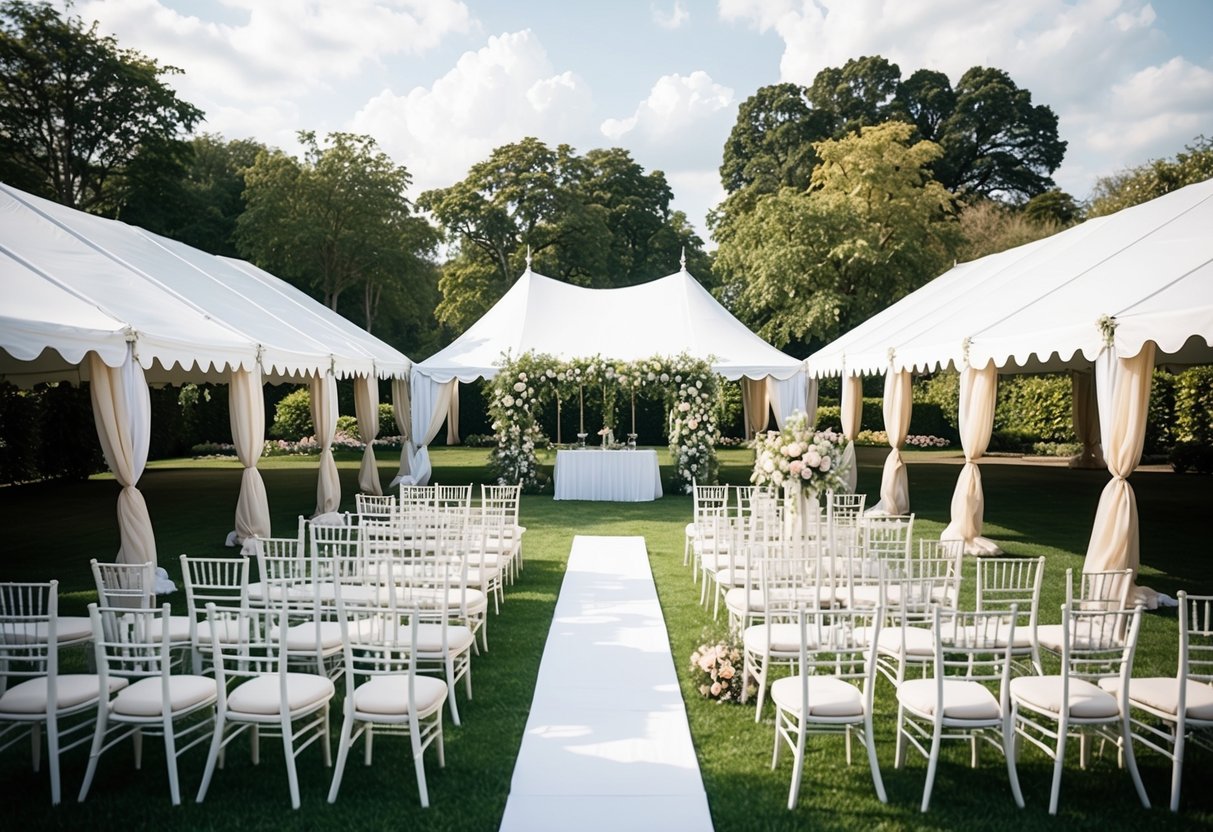
Understanding your space needs can help you choose the perfect venue. Think about whether you’ll have a buffet setup or a dance floor, as these elements can require additional room. With the right space, you can create a comfortable environment that allows your guests to enjoy your special day fully.
As you dive into your planning, remember that the size of your venue sets the stage for everything that follows. Knowing the right space can help you avoid any surprises down the line and ensure your wedding goes off without a hitch.
Understanding Space Requirements for Your Wedding
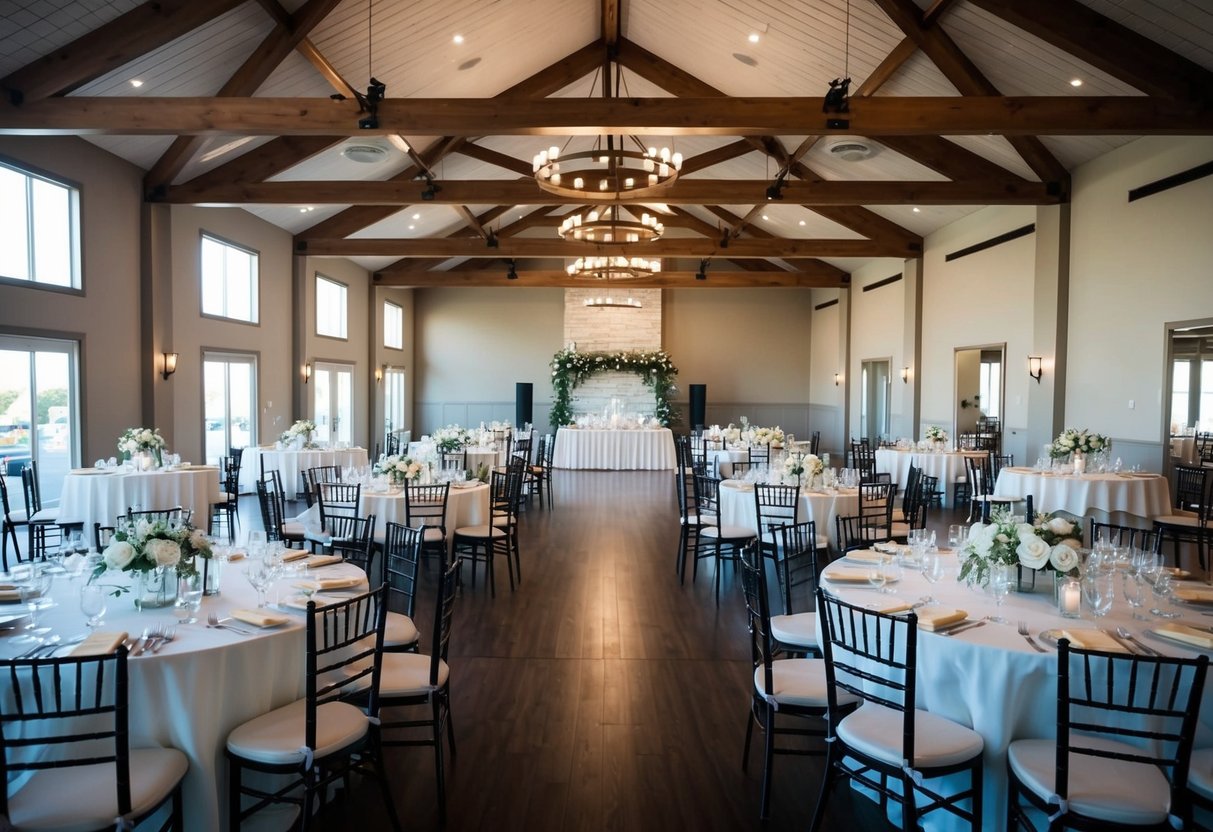
When planning your wedding, knowing how much space you need is essential. This helps ensure everyone is comfortable and there’s enough room for all activities.
Determining Venue Capacity
Start by assessing the venue capacity. Each wedding venue has a maximum number of guests it can accommodate comfortably. For 100 guests, you generally want a space of at least 600 to 1,000 square feet.
Remember that crowd size affects comfort. The minimum square footage depends on your layout. For example, if you plan to have tables and a buffet, you may need more space. Finding a venue that clearly outlines its capacity will help you avoid overcrowding.
Seating Arrangements and Layout
Next, consider your seating arrangements. Whether you choose round tables or long banquet tables, each setup has different space needs.
For instance, round tables typically require 10-15 square feet each. If you opt for a traditional setup, you might need to arrange the tables so guests can move easily. Think about the number of seats at each table, as this will impact your overall seating capacity.
It’s essential to leave room for aisles so guests can navigate comfortably.
Estimating Space for Dance Floor and Entertainment
Don’t forget about the entertainment! A dance floor is a key part of many receptions and requires additional space.
For a fun atmosphere, aim for about 2-4 square feet per person for dancing. This means that for 100 guests, you’ll need around 200-400 square feet just for the dance area.
Additionally, if you have a DJ or live band, factor in extra space for their equipment. This way, everyone can enjoy the celebration without feeling cramped.
Key Elements Impacting Space Allocation
When planning for a wedding, understanding how different elements impact space can help ensure your guests are comfortable. Here are some essential factors to consider for your event layout.
The Importance of the Head Table
The head table is central to your wedding reception. You will want to allow enough space for the bridal party to sit comfortably. Typically, a long rectangular table works best.
Consider how many people will be at the head table. If you have ten people, plan for about 20-30 square feet. This allows for extra room if you have centerpieces or decorative items.
Ensure there’s a clear sightline to the guests. This allows everyone to enjoy the toasts and special moments. A well-placed head table adds charm to your wedding setup and keeps everyone connected.
Catering and Food Station Set-up
Catering layout significantly influences space allocation. For a buffet or food stations, you will need to set aside approximately 10-15 square feet per station.
Factor in a designated area for guests to gather while they wait for food. Also, make sure there’s enough room for staff to move around without bumping into guests. Consider multiple stations to handle catering needs efficiently, especially for larger groups.
For cocktail hour, have a separate area for finger foods and drinks. This helps prevent congestion and keeps guests moving smoothly from one area to another throughout the event.
Accommodating a Cake and Gift Table
You’ll also need space for the cake and gift tables. For the cake table, plan for about 5-10 square feet. This space allows for decorations and keeps the cake safe from traffic.
Don’t forget about the gift table, which should ideally be located near the entrance. Allow at least 10-15 square feet for this. It ensures guests can easily place their gifts without hassle.
Having these tables positioned thoughtfully can make a big difference. It directs your guests’ traffic flow, keeping everything organized and enjoyable for everyone.
Collaborating with Your Venue Coordinator
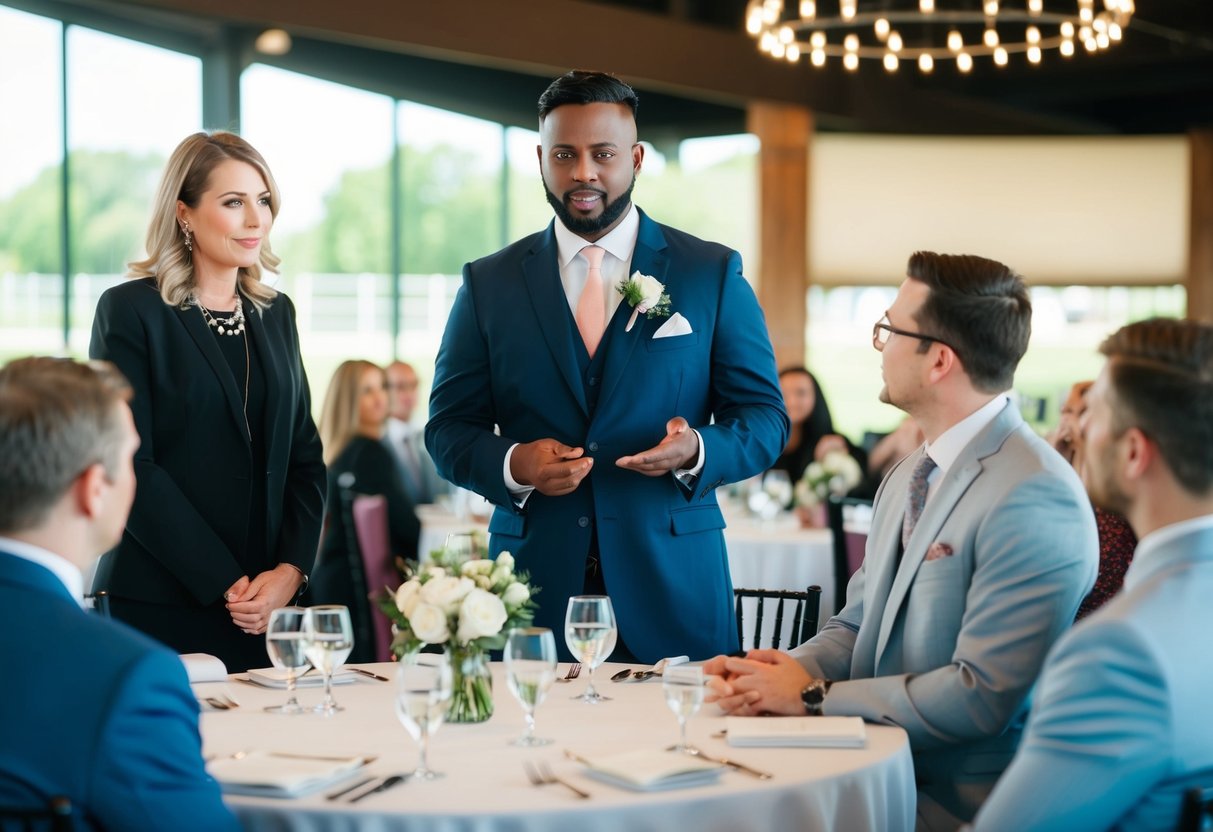
When planning your wedding, working closely with your venue coordinator is crucial. They have the expertise to guide you through space planning for your event.
Start by discussing your guest count. A wedding with 100 guests generally needs about 600 to 1,000 square feet of space, depending on your layout. Ask your coordinator to help you find the right fit.
Use the venue space planning key provided by your venue. This key contains helpful information about minimum space requirements for different arrangements. It can help you visualize where everything will go.
Don’t hesitate to ask questions. Your coordinator is there to assist. They can also suggest layouts that maximize your space. Whether you prefer a sit-down dinner or a buffet, clear communication will help everyone stay on the same page.
Consider using an event space calculator. It can provide a quick estimate of your space needs based on guest count and seating style. Share this information with your venue coordinator for further discussion.
Finally, trust your coordinator’s experience. They’ve worked with many event planners before and can offer valuable insights. Working together, you can ensure your wedding is comfortable and enjoyable for you and your guests.
Additional Considerations for Event Space
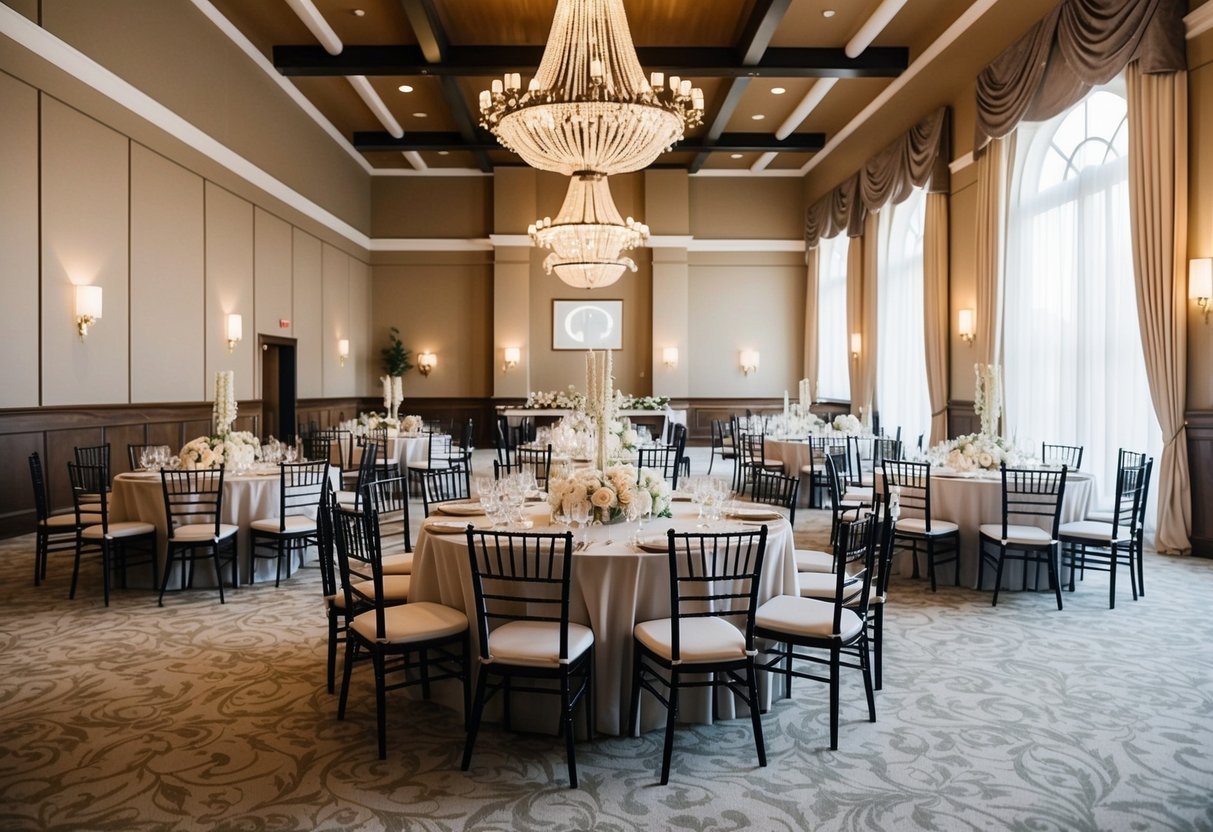
When planning for your wedding, thinking about the event space goes beyond just square footage. You need to consider how crowd density affects comfort and what type of reception will best fit your guest count.
Planning for Crowd Density and Movement
Crowd density is key to ensuring your guests feel comfortable. For a sit-down dinner for 100 guests, you typically need at least 1,400 to 1,600 square feet. This space allows for tables, chairs, and room for your guests to move around without feeling cramped.
If you choose a standing reception, aim for 6 to 10 square feet per guest. For 100 guests, this would mean a space of 600 to 1,000 square feet.
Make sure to consider pathways for traffic flow. Wide aisles help guests navigate the area smoothly, especially near serving stations, the dance floor, and restrooms.
Options for Different Types of Wedding Receptions
Your choice of wedding reception style greatly affects the space required.
For a sit-down dinner, fewer tables per guest are needed. Banquet-style seating typically seats 8-10 people per table. This can create a cozy atmosphere but requires more space.
For a more casual atmosphere, consider a buffet-style setup. This lets guests serve themselves, creating less pressure on seating arrangements. It also allows for a larger standing crowd.
You might also explore an auditorium-style presentation for speeches or ceremonies. This setup saves space but requires clear sightlines for all guests.