
How Much Wedding Cake for 100 People? A Simple Guide to Serving Sizes
Planning a wedding can be exciting and a bit overwhelming, especially when it comes to the cake. You want to make sure that everyone at your celebration gets a slice of that delicious creation.
For 100 guests, a wedding cake with four tiers is a great choice. This size ensures that everyone gets a generous piece while also allowing for some extra cake for seconds or to take home.
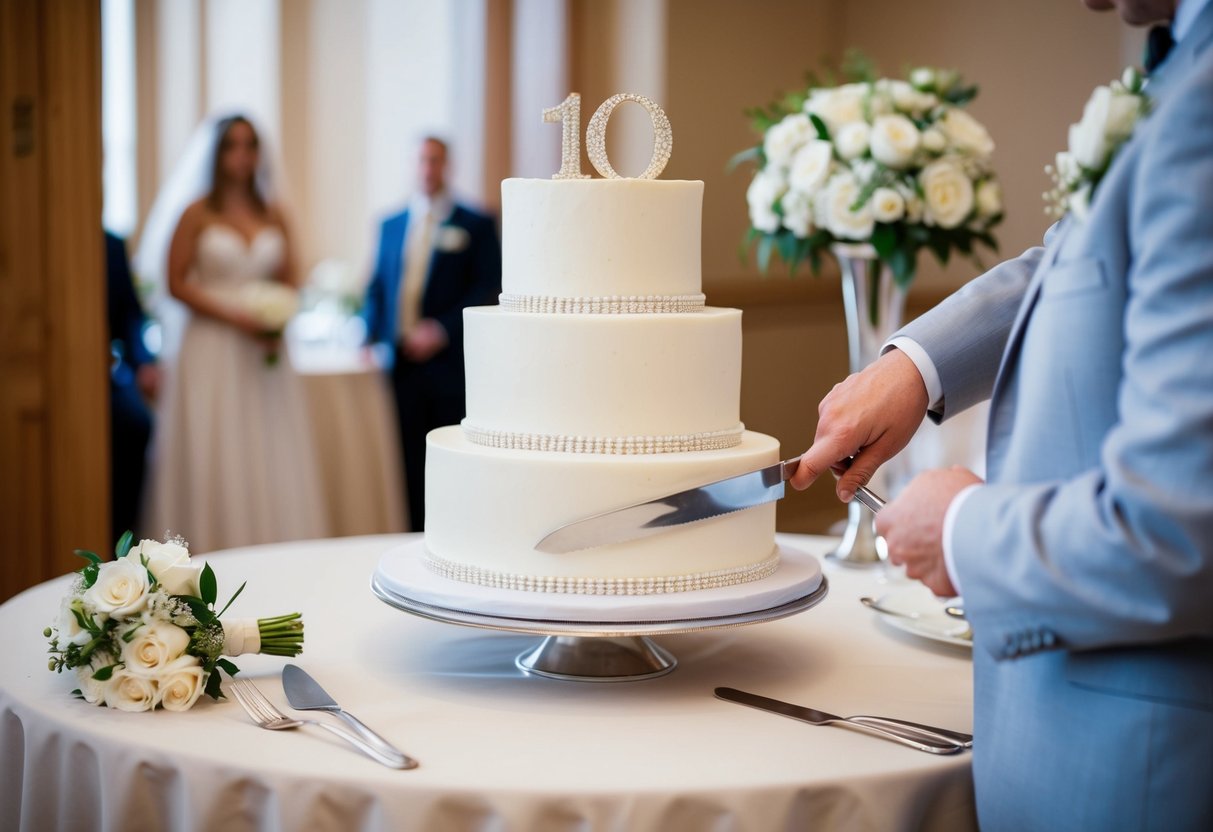
When thinking about your cake, you also want to consider flavors and designs that reflect your style. Cake tasting can be a fun experience where you and your partner select the perfect flavors to wow your guests. Remember, your wedding cake is not just a dessert; it’s a centerpiece that can add a sweet touch to your special day.
As you plan, keep in mind that the cost of the cake can vary depending on its size and design. Understanding how much cake to order is a key step in ensuring your wedding day is a memorable one!
Determining Your Wedding Cake Size
Choosing the right wedding cake size involves understanding servings, cake shapes, and tier options. Each aspect plays a crucial role in ensuring you have enough cake for your guests while also fitting your style.
Understanding Servings and Portion Sizes
When planning your wedding cake, knowing how many servings you need is essential. For 100 guests, you should aim to provide a slice for each person.
Typically, a standard wedding cake slice is 1 inch by 2 inches. A larger portion might be 1.5 inches by 2 inches. This means you need to calculate based on the size of the slices you want to serve.
Using these sizes, a cake that serves 100 guests would be approximately 6 inches tall for standard servings. Keep these dimensions in mind as you plan your cake size.
Choosing the Right Cake Shape
The shape of your cake can impact the number of servings. Round cakes are the most common for weddings, while square cakes can provide more servings per tier.
For a 100-person wedding, a round cake typically needs to have multiple tiers to meet your needs. A 3-tier cake might serve around 100 guests, while a 4-tier cake might serve more, which gives you options to choose from.
Consider your wedding theme when selecting the cake shape. A classic round shape might suit a formal wedding, while a square cake might add a modern touch.
Considering Tier Sizes and Options
Each tier of your wedding cake contributes to the overall servings. Standard tier sizes range from 6 inches to 12 inches in diameter.
For example, a 3-tier cake with tiers of 8 inches, 10 inches, and 12 inches can easily serve 100 guests. If you want to go grander, a 4-tier cake with varying sizes is another option.
Also, remember that more tiers mean more design work for your baker. So, discuss with them about designs that balance beauty and practicality. This way, you ensure your cake is stunning and sufficient for your guests.
Selecting Your Cake Flavor and Design
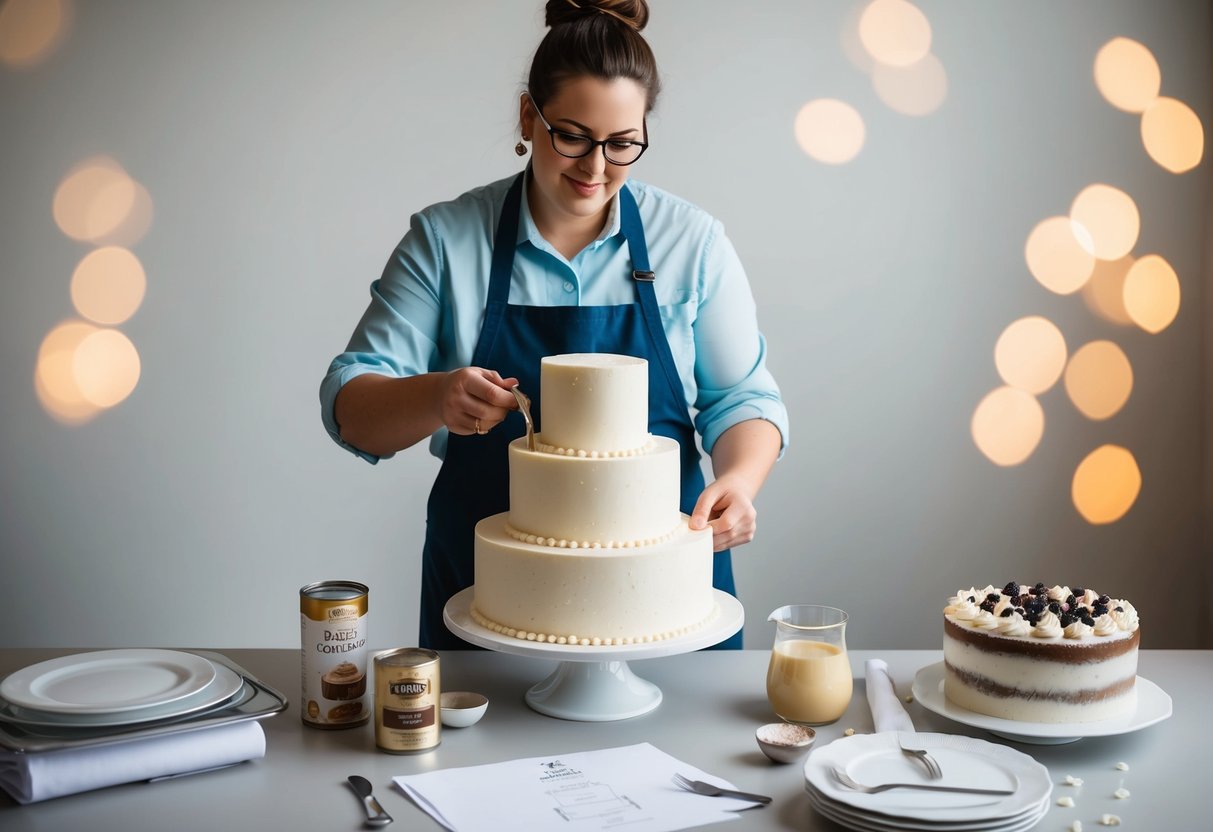
Choosing the right flavor and design for your wedding cake is essential for creating a memorable experience. Focus on flavors that you love and designs that reflect your style.
Deciding on Cake Flavors and Fillings
When it comes to cake flavors, think about your favorites. Common choices include classic vanilla, rich chocolate, and fruity options like lemon or strawberry. Each flavor can also have delicious fillings, such as raspberry, chocolate ganache, or pastry cream.
Here are some popular combinations to consider:
- Vanilla Cake with Raspberry Filling
- Chocolate Cake with Mint Buttercream
- Red Velvet with Cream Cheese Filling
Don’t forget to consider your guests’ preferences too. You might want to offer a variety of flavors to cater to different tastes. If you have dietary restrictions to think about, gluten-free or vegan options are available as well.
Frosting and Decoration Choices
Frosting and decoration play a big role in the overall look and taste of your cake. Buttercream frosting is a popular choice for its smooth texture and sweet flavor. It can be easily flavored and colored to match your theme.
Fondant is another option that gives a sleek and elegant finish. However, some people find it less tasty than buttercream. If you love the way fondant looks, consider using it for decoration while keeping a buttercream filling.
For decorations, think about fresh flowers, intricate piping, or even edible glitter. Here’s a quick list of ideas:
- Fresh Flowers: Add a natural touch.
- Custom Cakes Toppers: Personalize your design.
- Geometric Patterns: Create a modern look.
Make sure to communicate your ideas with your baker to create a beautiful cake that fits your vision.
Budgeting for Your Wedding Cake
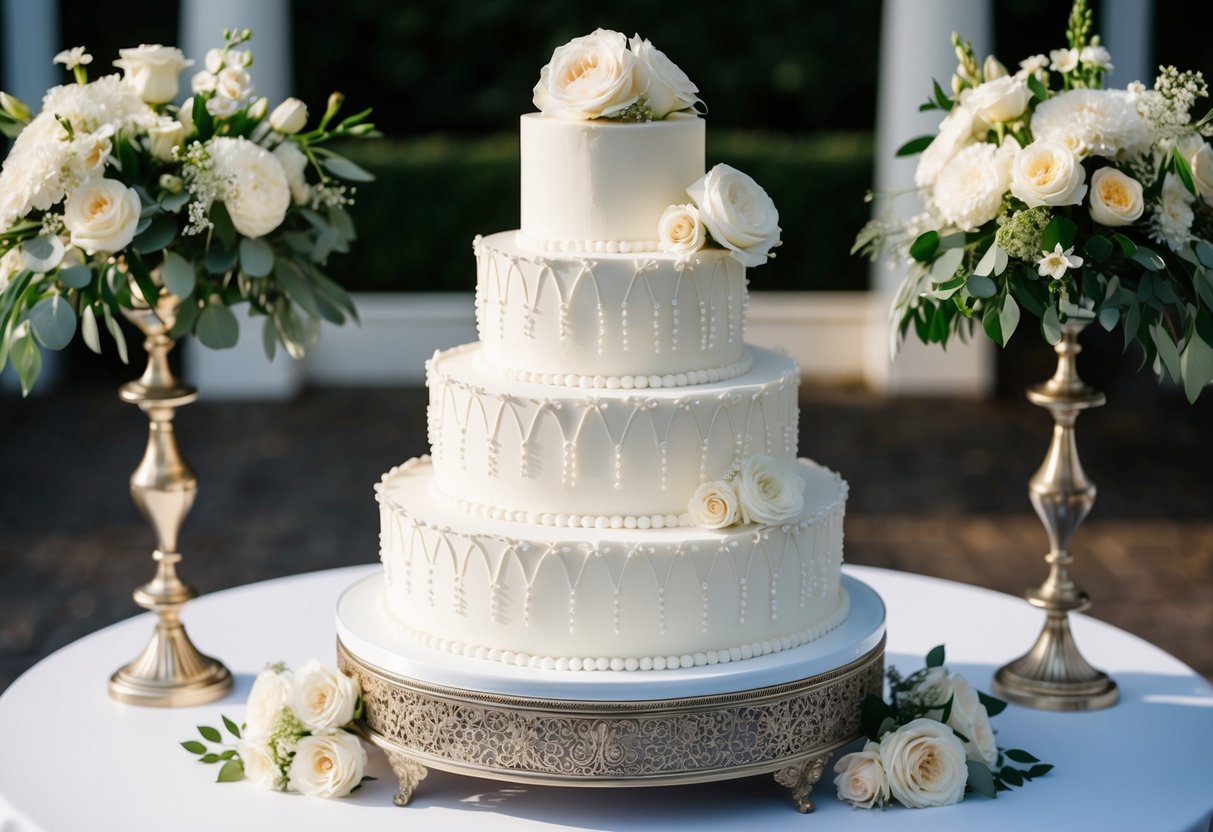
Planning your wedding cake budget is crucial. Understanding the costs and factors that affect pricing can help you make the right choices. Here are some important details to consider.
Average Costs and Pricing Factors
The average cost of a wedding cake for 100 guests typically ranges from $300 to $1,000. This price varies based on several factors, including size, design, and flavor.
- Size: A larger cake serves more guests but can increase the price.
- Design complexity: Intricate designs or unique flavors often raise costs.
- Location: Prices in metropolitan areas may be 25% higher due to demand.
Before committing, consider visiting multiple bakers to get quotes. This gives you a clearer idea of what to expect based on your vision.
Calculating the Cost Per Slice
Knowing the cost per slice helps you stay within budget. To determine this, divide the total cake cost by the number of guests.
For instance, if your cake costs $500, the cost per slice for 100 guests would be $5. You can adjust the price by changing the cake details.
- For example:
- $300 cake: $3 per slice
- $700 cake: $7 per slice
It’s wise to allocate about 2-5% of your total wedding budget for the cake. This ensures you set aside enough to get the cake you want without overspending.
Finalizing Your Wedding Cake Details
When planning your wedding cake, it’s important to consider dietary restrictions and ensure smooth delivery. These details can make a significant difference in everyone’s enjoyment of the cake.
Addressing Dietary Restrictions
You want every guest to enjoy your cake, including those with dietary restrictions. Start by gathering information about any allergies or specific diets among your invitees. This might include gluten, nuts, dairy, or vegan preferences.
To accommodate these needs, consult with your cake designer. You may choose to create a multi-tiered cake with different flavors and types. For example, the top tier can be gluten-free while the bottom is a classic chocolate. Having a few alternatives ensures everyone feels included at your celebration.
Make sure to label each tier or option clearly. This will help guests easily identify their choices, easing any worries about ingredients. Using a wedding cake calculator can help you determine serving sizes for each cake type based on your guest count.
Coordinating Cake Delivery and Setup
Plan the delivery of your wedding cake to ensure it arrives fresh and on time. Discuss with your baker about the best time for delivery. Typically, the cake should arrive a few hours before the event starts. This allows time for any final touches.
Consider where the cake will be displayed. It should be a focal point of your reception area. Ask your venue about space and setup requirements. Having a designated area helps avoid any last-minute stress.
If you have a display cake for photos, communicate this detail with your vendor. Sometimes, a separate display cake and a cutting cake can create the perfect photo opportunity. Finally, discuss how the cake will be cut and served to your guests, ensuring everyone gets a slice to enjoy!