
How Quick is Too Quick to Plan a Wedding? Tips for a Stress-Free Experience
Planning a wedding can feel overwhelming, especially when you have a limited amount of time. You might be wondering how quick is too quick to plan a wedding? Generally, planning a wedding in three to six months is doable, but anything less may lead to stress and compromises. It’s crucial to consider your priorities and availability of vendors as you move forward.

If you need a short timeline, being organized and decisive is key. Knowing how many guests you plan to invite and selecting a venue that can accommodate your needs are important steps. You’ll find that having a clear vision can help you navigate the challenges of planning on a tight schedule.
Each situation is unique, and what works for one couple might not work for another. With some focused planning and realistic expectations, you can still create a memorable event without the extended timeline.
Understanding the Timeline for Planning a Quick Wedding
Planning a quick wedding can feel overwhelming, but with the right timeline, you can do it! If you’re looking to pull it off in just three months, focus on the essentials first.
Weeks 1-2: Start with the venue and date. Look for places that have availability and can accommodate your guest list. Booking early is key.
Weeks 3-4: Next, finalize your guest list. Send out invitations as soon as possible. You might want to use digital invites to save time.
Weeks 5-6: Choose your vendors. Look for photographers, caterers, and florists who can work with a shorter timeline. Consider checking reviews and getting recommendations.
Weeks 7-8: Dress shopping is next! Start looking for your dress and other outfits. Look for options that require less time for alterations.
Weeks 9-10: Time to focus on the details. Decide on themes, decorations, and any DIY projects you want to tackle. Create a quick wedding checklist to stay organized.
Weeks 11-12: Wrap up all the last-minute details. Confirm with your vendors, finalize seating arrangements, and enjoy some time with family and friends.
Remember, flexibility is important when planning a quick wedding. Good communication with your vendors and loved ones will help everything run smoothly!
Essential Elements of Wedding Planning

When planning your wedding, there are a few key components to focus on. Securing the right venue, choosing beautiful attire, and creating a memorable guest experience are crucial steps that will shape your big day.
Securing Your Dream Venue
Choosing your venue is one of the first steps in your wedding planning journey. Consider your guest list to ensure the space can accommodate everyone comfortably. Popular venues often book quickly, so be ready to reserve your spot as soon as possible.
Don’t forget to ask about rush fees if you’re planning a wedding on short notice. Weekday weddings can sometimes offer more availability at popular sites, so explore that option if your schedule allows. Make a list of venues that fit your style and budget to narrow down your choices.
Choosing the Right Wedding Attire
Selecting your wedding attire is a special part of the planning process. Start by researching styles that appeal to you. Wedding dresses come in various designs, from classic to modern, so take your time to find the one you love best.
Schedule fittings early to allow for any adjustments you may need. Don’t forget about attire for your bridal party—coordinate their looks with the theme of your wedding. Also, consider the comfort of your shoes, especially if you’ll be on your feet during the reception.
Curating Your Guest Experience
Creating an enjoyable experience for your guests is essential. Start with your guest list—determine how many people you’d like to invite and keep that number in mind when choosing your venue.
Next, send out wedding invitations and include RSVP cards for easy tracking. Think about the reception site layout, meal choices, and place cards to make seating clear. A menu tasting will ensure you’re happy with the food provided, adding a nice touch to the overall experience. Remember, your wedding is a celebration that should be enjoyable for everyone!
Legal and Logistical Considerations

Planning a wedding quickly involves juggling important legal and logistical tasks. You’re not just organizing the celebration; you also need to ensure all legal requirements and day-of details are in place.
Acquiring the Marriage License
Getting your marriage license is a crucial step. This document is needed to make your marriage legal. Start by checking the requirements in your state or country, as they can vary.
Typically, you’ll need to provide identification, and there might be a waiting period. Make sure to apply early, as waiting too long could delay your plans.
Tips for acquiring your license:
- Check documents needed: Bring valid IDs.
- Know the waiting period: Some places require a few days.
- Consider fees: Be ready for any costs associated.
Don’t forget to ensure both you and your partner sign the license after the ceremony.
Finalizing Wedding Day Logistics
Logistics are the backbone of your celebration. You’ll want to coordinate things like venue setup, food service, and even transportation for guests.
Start by creating a detailed schedule. This should include when vendors arrive, when guests should be seated, and the timing of various ceremonies.
Key logistics to manage:
- Vendor communications: Keep in touch with those providing food, flowers, and music.
- Guest logistics: Plan for parking and accommodations.
- Timeline: Stick to a schedule to keep everything flowing smoothly.
Remember, clear communication with everyone involved is key to preventing last-minute hiccups. Your wedding rings, invitations, and other personal items should also be ready well in advance.
Make sure all details are checked off as you get closer to the big day!
Additional Wedding Elements
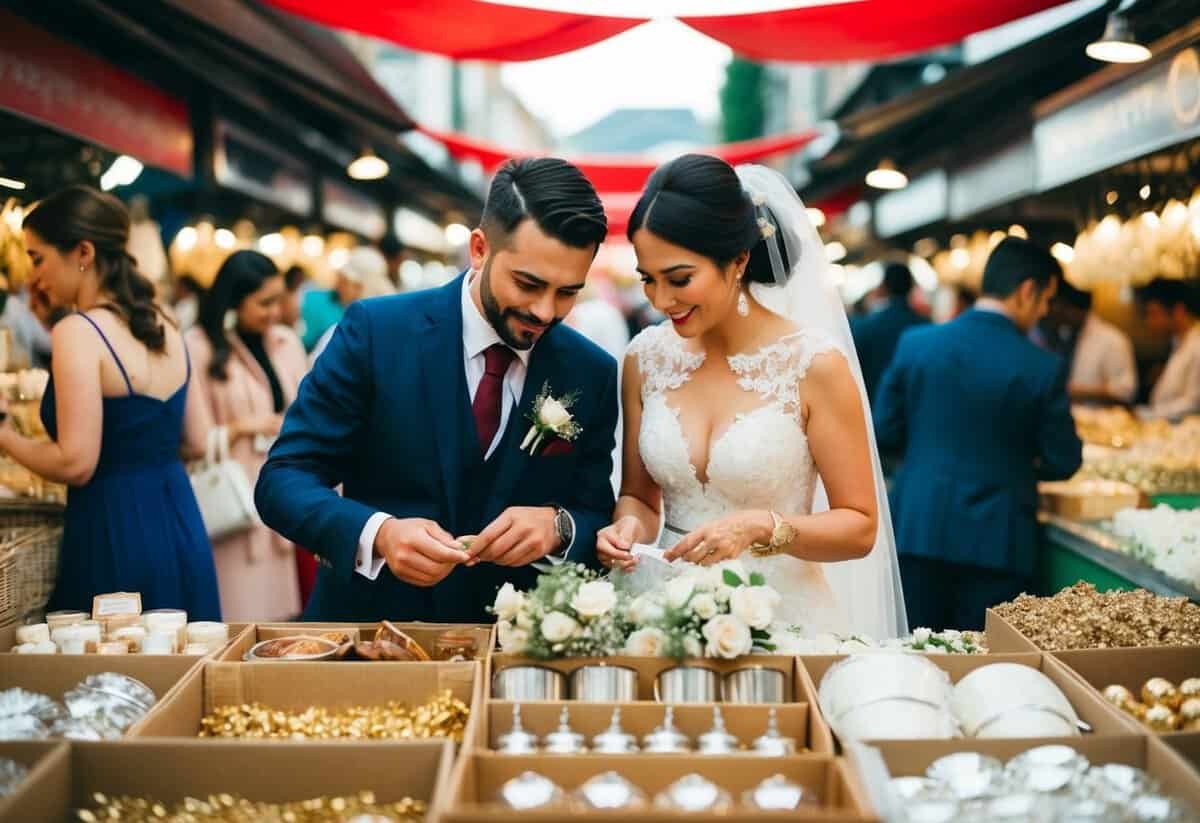
When planning a wedding quickly, it’s important to consider all the extra events and personal touches that will make your day special. These elements can enhance the overall experience and create lasting memories.
Planning Pre-Wedding Events
Pre-wedding events include parties and gatherings that lead up to your big day. The most common are engagement parties, bridal showers, and bachelorette or bachelor parties.
Start by deciding what you want and who to invite. Consider budget and time constraints. For example, a casual get-together can be planned in a short time, while a large engagement party might be harder to pull off quickly.
Use online tools or apps to help with invitations and RSVPs. This can save time and keep everything organized. Don’t forget to inform guests of your wedding details so they can join in the celebration.
Personalizing Your Look
Your wedding look is all about you. This includes choosing a wedding dress, accessories, and the right hair and makeup.
Start your search for a dress early to ensure you find the perfect fit. If you’re short on time, consider buying a dress off the rack for quicker options.
Personalizing your style can also involve selecting special accessories, such as heirloom jewelry and unique shoes.
For hair and makeup, book a trial session rather than leaving it to the last minute. This gives you the chance to see what works best for you.
Consider having a professional come to your venue on the wedding day for convenience.