
How Quickly Can You Legally Get Married? A Guide to Fast-Tracking Your Big Day
When you’re excited to tie the knot, you might wonder how quickly you can make it official. In many states, you can get married as soon as you obtain your marriage license. Some states even allow same-day ceremonies. However, this timeline can vary depending on where you live and the specific requirements of your state.
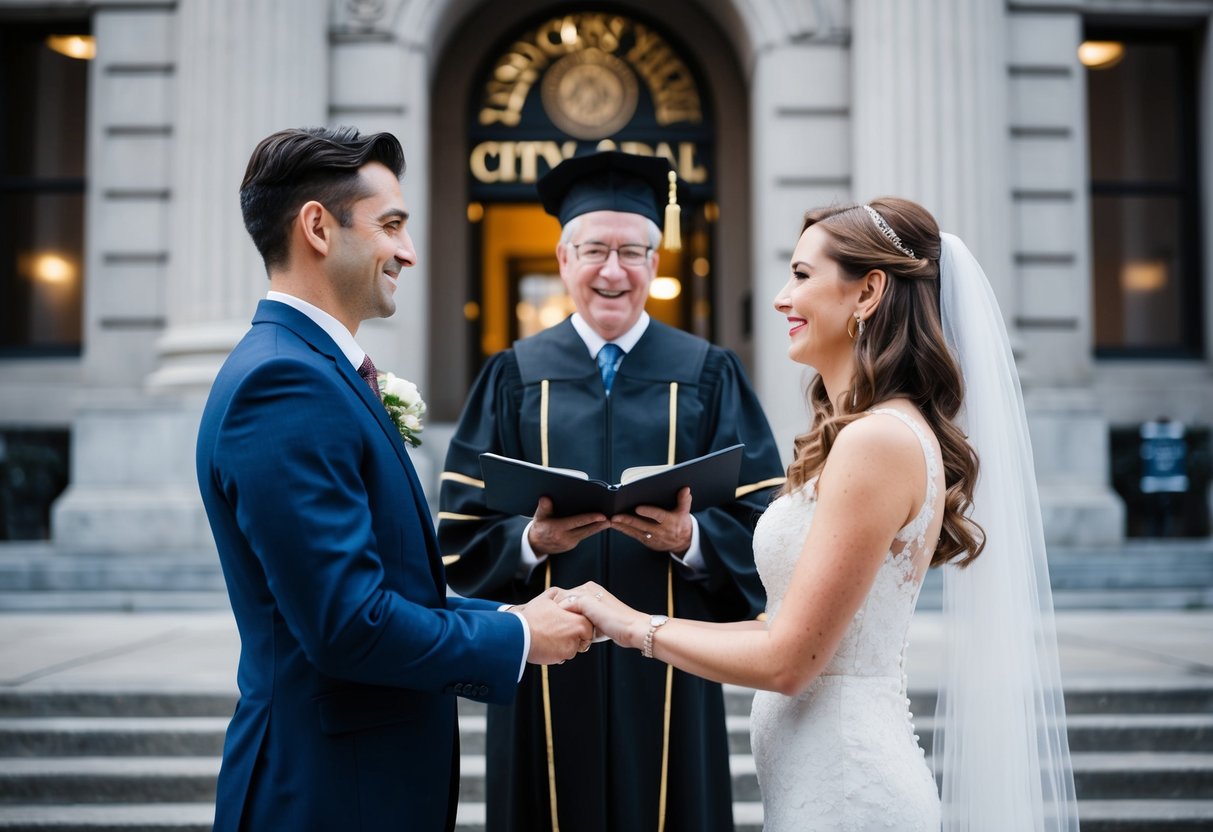
If you’re eager to get married, it’s important to know the steps involved, such as applying for a marriage license and any waiting periods that might exist. Some states, like Hawaii, allow you to wed immediately after getting your license, while others may impose a delay. Understanding these details can help you plan your special day without unnecessary stress.
As you explore your options, remember that each state has its own rules, so checking the local regulations is key. Whether you’re dreaming of a quick courthouse wedding or a more elaborate ceremony, knowing how quickly you can legally marry will set the stage for your big day.
Understanding the Legal Requirements for Marriage
Getting married requires following certain legal steps to ensure your union is recognized by law. Three key aspects include obtaining a marriage license, providing proof of age and identification, and having a legal officiant conduct the ceremony.
Marriage License
A marriage license is a vital legal document necessary for marriage. You must apply for one at your local government office or clerk’s office. Requirements vary by location, so check your state or county’s guidelines.
When applying, you’ll usually need to fill out a form and pay a fee. Some areas allow same-day applications, while others may have a waiting period before the license is issued. It’s best to plan ahead!
Proof of Age and Identification
To get a marriage license, you must show proof of age and identification. Most places require you to be at least 18 years old, though younger individuals may need parental consent or court approval.
Accepted forms of ID often include a driver’s license, passport, or birth certificate. Be sure to bring the original documents, as photocopies may not be accepted. Having the right documentation ready speeds up the process.
Legal Officiant and Witnesses
A legal officiant is someone authorized to perform marriage ceremonies. This can be a religious leader, a judge, or an authorized officiant. Check local laws to ensure your chosen officiant is recognized.
Additionally, many states require at least one or two witnesses to sign the marriage certificate after the ceremony. Witnesses must be of legal age, typically 18 or older. It’s helpful to choose someone trustworthy and close to both of you!
Planning Your Wedding
When planning your wedding, you must think about many details. Choosing the type of ceremony and deciding on invitations are crucial starting points. Do you want a simple online wedding or a romantic destination wedding? Let’s explore your options.
Choosing the Type of Ceremony
The type of ceremony you choose will shape your wedding experience. You might prefer a traditional wedding at a venue or consider a virtual wedding for convenience.
If you want something unique, think about an elopement. This option allows you to tie the knot in a stunning location with just a few close friends or family.
Make sure to discuss your preferences with your partner and consider your budget, guest list, and desired style when making this decision.
Destination Weddings and Elopements
Destination weddings can be an exciting option. Imagine getting married on a beach or in a beautiful castle. These weddings often have fewer guests, which can make them more intimate.
Planning a destination wedding typically requires more time for arrangements. You’ll need to consider travel details, accommodations, and venue availability.
Elopements can also be appealing. They can be spontaneous and less stressful, allowing you to focus on each other. Remember to check the legal requirements for marriage in your chosen location.
Wedding Invitations and Preparations
Wedding invitations set the tone for your big day. Start by selecting a design that matches your theme. You can choose traditional printed invitations or go for digital invites that can save time and costs.
Make sure to send your invitations at least six to eight weeks before the ceremony. Consider how you want your guests to RSVP. This will help with planning your guest list and seating arrangements.
Finally, prepare for the day by creating a checklist of tasks. This can include securing your officiant, organizing the ceremony details, and setting up a timeline for the day.
Expedited Marriage Processes
If you want to get married quickly, there are options that allow you to bypass some traditional obstacles. Different states offer expedited processes, and online marriage options are becoming more popular. Here’s what you need to know.
States with No Waiting Period
Some states make it easy for you to tie the knot right away. For instance, Hawaii has no waiting period for a marriage license. You can start your application and get married on the same day.
Other states that might have similar policies include:
- Florida: No waiting period if you apply for a marriage license in person.
- Texas: If you complete a premarital education course, you can waive the waiting time.
Make sure to check local regulations, as processes can vary even within states. Always apply for your marriage license in person when possible, as this can speed up the process tremendously. Some states require you to have your ceremony within a specific timeframe after getting your license, so plan accordingly.
Online Marriage and Virtual Ceremonies
Another option gaining popularity is online marriage or virtual ceremonies. Many states now allow you to apply for a marriage license online. This means you can submit your application without needing to visit an office.
Virtual weddings are also an option where you can say “I do” from the comfort of your home. Just ensure that your chosen location allows for virtual weddings to be legally recognized.
This new trend gives you the flexibility to choose your officiant and invite guests without worrying about physical distance. It’s important to research if your state offers online marriage licenses and what the specific requirements are for virtual ceremonies.
Securing Your Marriage Certificate
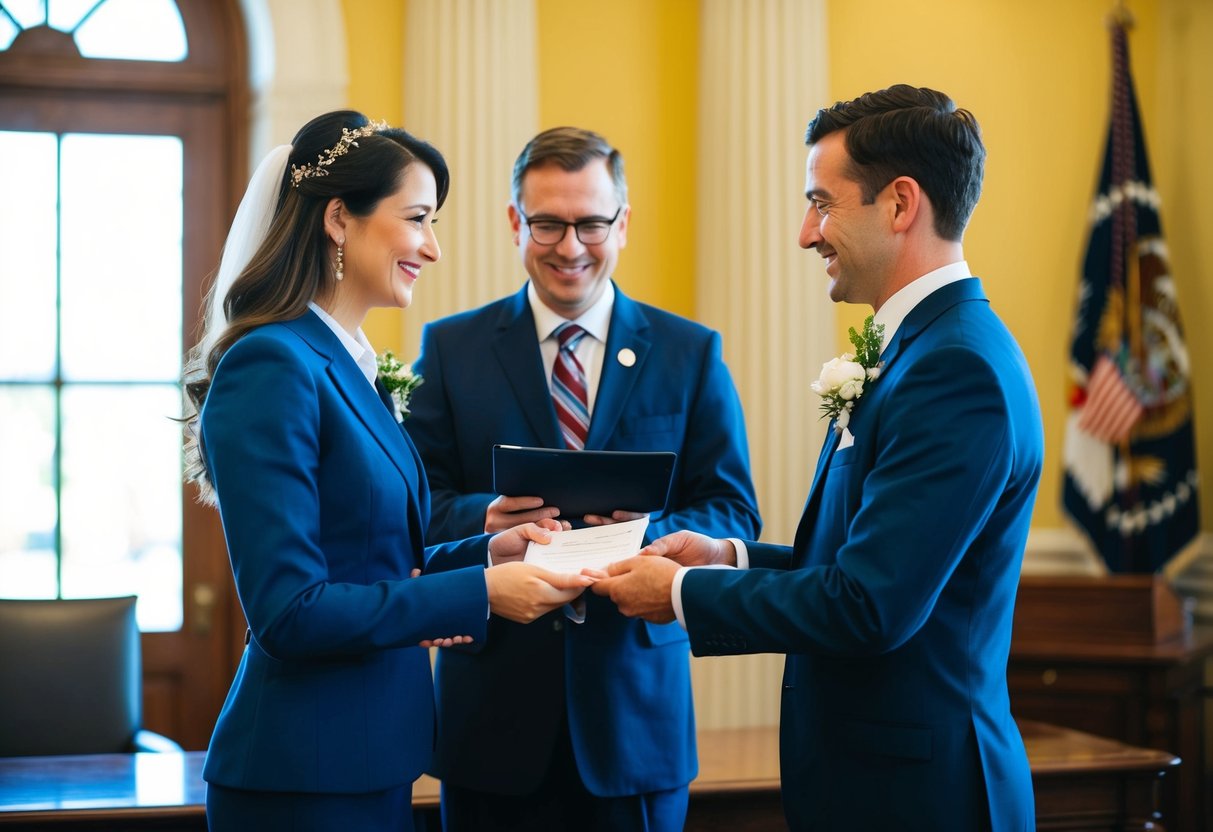
To secure your marriage certificate, you first need a marriage license. This license is vital as it allows you to get legally married.
Steps to Obtain Your Marriage License:
- Visit the Courthouse: Head to your local courthouse or marriage license office with your partner.
- Fill Out the Application: You will need to fill out an application with personal details.
- Provide Identification: Bring proof of identity and age, like a driver’s license or passport.
Most states have specific rules, so check what your state requires. For example, some states allow for common law marriage. You may not need a formal license if you meet certain conditions.
Once you receive your marriage license, it usually expires within 30 days to a year. Make sure to know the rules in your state.
After the ceremony, the officiant will sign your license. You can then apply for your marriage certificate. This document is proof of your legal marriage.
If you’re in a same-sex marriage, the process remains the same as for any marriage. Just ensure all forms are completed correctly to enjoy your legal rights as a couple.
Now you can cherish your marriage certificate as an important symbol of your commitment.