
How Quickly Can You Marry in the UK? A Guide to Fast-Tracking Your Wedding
If you’re wondering how quickly you can get married in the UK, you’re not alone. Many couples dream of tying the knot as soon as possible, but there are important steps to understand.
To marry legally in the UK, you need to give at least 28 days’ notice before the ceremony can take place.
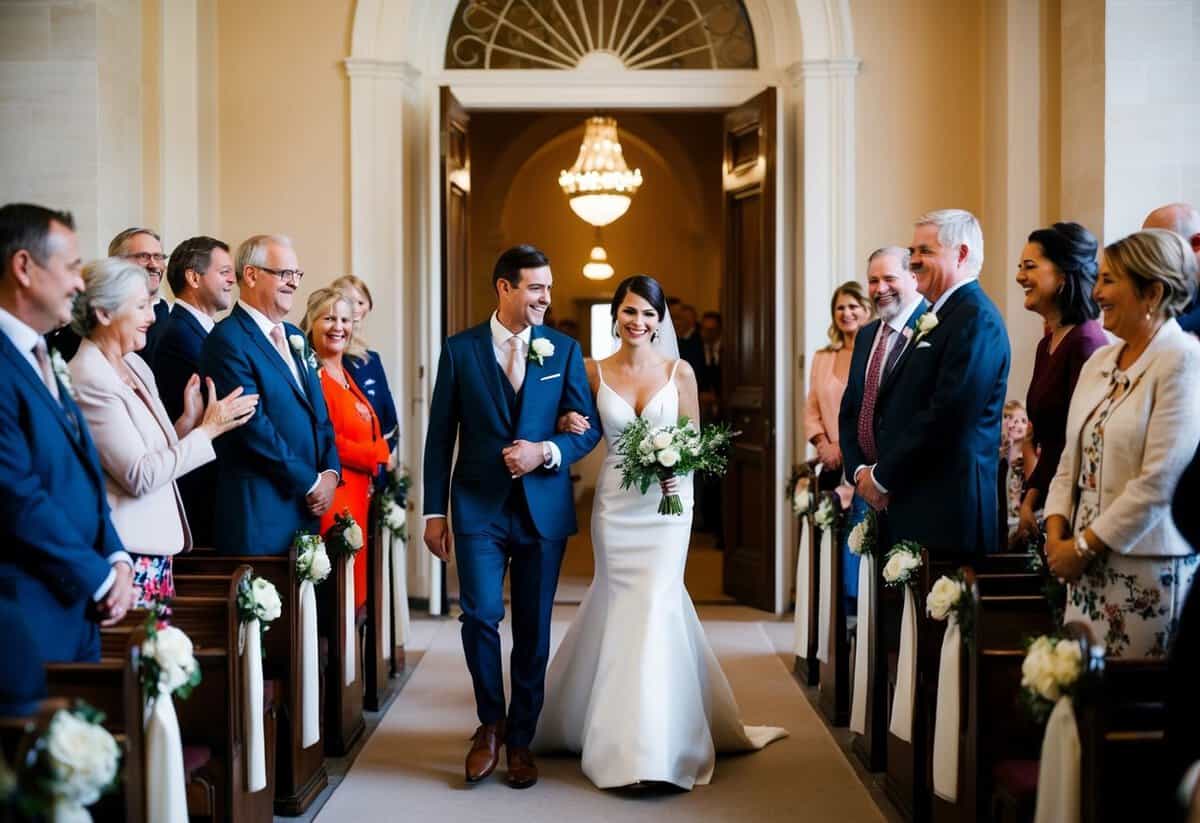
Getting married involves knowing the legal requirements, whether you choose a civil ceremony or a religious ceremony. Both options have specific rules you’ll need to follow to ensure your special day goes smoothly. Understanding these details can help you navigate the process more efficiently and help you marry quickly.
Whether you’re planning an intimate gathering or a large celebration, being informed is key. With the right information and preparation, you can get closer to your dream wedding day in no time.
Legal Requirements for Marriage in the UK
To marry in the UK, you need to meet specific legal requirements. This includes providing proof of identity and nationality, fulfilling a notice period, and knowing special conditions if you are a foreign national. Let’s break these down to ensure you have all the necessary information.
Proof of Nationality and Identification
When you decide to get married, you must provide adequate proof of your identity and nationality. Acceptable documents include a valid passport, birth certificate, or driving license.
If you are not a UK citizen, you may also need to prove your immigration status. For example, documents related to the EU Settlement Scheme or any visa may be required.
It’s essential that these documents are current and clearly show your full name and date of birth. Always ensure you have the originals when you attend the registry office.
Fulfilling the Notice Period
In the UK, you must give notice of your marriage at your local register office or registry office. You need to provide at least 28 days’ notice before your wedding day. This period allows time for any objections to the marriage to be raised.
During this period, you must confirm details like your name, nationality, and how long you have lived in your local area. If you are not a British citizen, additional checks or approvals may be required. Keep in mind that once you give notice, you must marry within 12 months.
Special Conditions for Foreign Nationals
If you are a foreign national planning to marry in the UK, specific rules apply. You must provide proof of your legal residency, and your marriage may require additional scrutiny from the Home Office.
If you’re in the UK on a visa lasting longer than six months, inform the Home Office once you are married or in a civil partnership.
Special conditions also exist regarding civil partnership conversions. Make sure you check on any requirements specific to your nationality or situation. This helps ensure a smooth process for your marriage.
Planning Your Wedding Ceremony
Planning your wedding ceremony is a vital step in making your special day memorable. You will need to choose the right venue and understand the different types of ceremonies available to you. These choices will set the tone for your celebration.
Selecting the Perfect Venue
Choosing the right venue is key to your wedding experience. You can select from a variety of options, such as a charming church, a scenic outdoor location, or a stylish hotel.
Consider these factors:
- Capacity: Make sure the venue can accommodate your guests comfortably.
- Style: Pick a venue that reflects your personalities and the theme of your wedding.
- Accessibility: Ensure your chosen location is easy for everyone to reach.
Don’t forget to check if the venue is available on your preferred date. Booking early can help secure popular spots, especially during peak wedding seasons. Taking your time to select the perfect venue makes all the difference.
Understanding Ceremony Types
Understanding the types of ceremonies can help you make an informed choice. In the UK, you can choose between a civil ceremony and a religious ceremony.
Civil ceremonies:
- Are performed by a registrar.
- Tend to be simpler and more flexible.
- Can be held at various venues, including hotels and outdoor spaces.
Religious ceremonies:
- Take place in a place of worship.
- Follow specific religious traditions and customs.
- May involve additional requirements, such as pre-marriage counseling.
Consider whether you prefer the structure of a religious ceremony or the freedom of a civil one. Each type has its charm and can be tailored to fit your wishes. Making this choice will set the stage for your big day.
After the Wedding

After your wedding, there are important steps to take regarding legal name change and options for civil partnerships. These steps ensure that your marital status is recognized and that any necessary documentation is updated.
Legal Name Changes and Documentation
If you decide to change your last name after marriage, you will need to update your documentation. Start with your marriage certificate, as this serves as proof of your name change.
Consider these key documents to update:
- Passport: Apply for a new passport that reflects your new name.
- Driver’s License: Visit your local licensing authority to update this.
- Utility Bills and Bank Accounts: Contact your providers to update your name on accounts.
Additionally, documents like your marriage license and marriage schedule are not needed once you have your marriage certificate. Keep this document safe, as you often need it for name changes and legal purposes.
Civil Partnership Options
If you are in a same-sex couple and got married, you may want to explore civil partnership options. This allows you to register your relationship if you prefer not to be married.
For existing civil partnerships, if you choose to convert to marriage, you must fill out a conversion form. After the conversion is complete, you will receive a new marriage certificate.
Important points for civil partnerships include:
- Registration: You must register your civil partnership at a designated office.
- Legal Rights: Civil partners have legal rights similar to those of married couples.
Be sure to check with your local council to understand the requirements and steps needed to establish or convert your civil partnership.