
How Should a Seating Plan Be for a Wedding? Tips for Arranging Your Guests Comfortably
Planning your wedding can feel overwhelming, especially when it comes to organizing the seating plan. A well-thought-out seating arrangement can enhance the experience for you and your guests, ensuring everyone feels comfortable and included. Balancing relationships and personalities among your friends and family will help create a joyous atmosphere during your celebration.
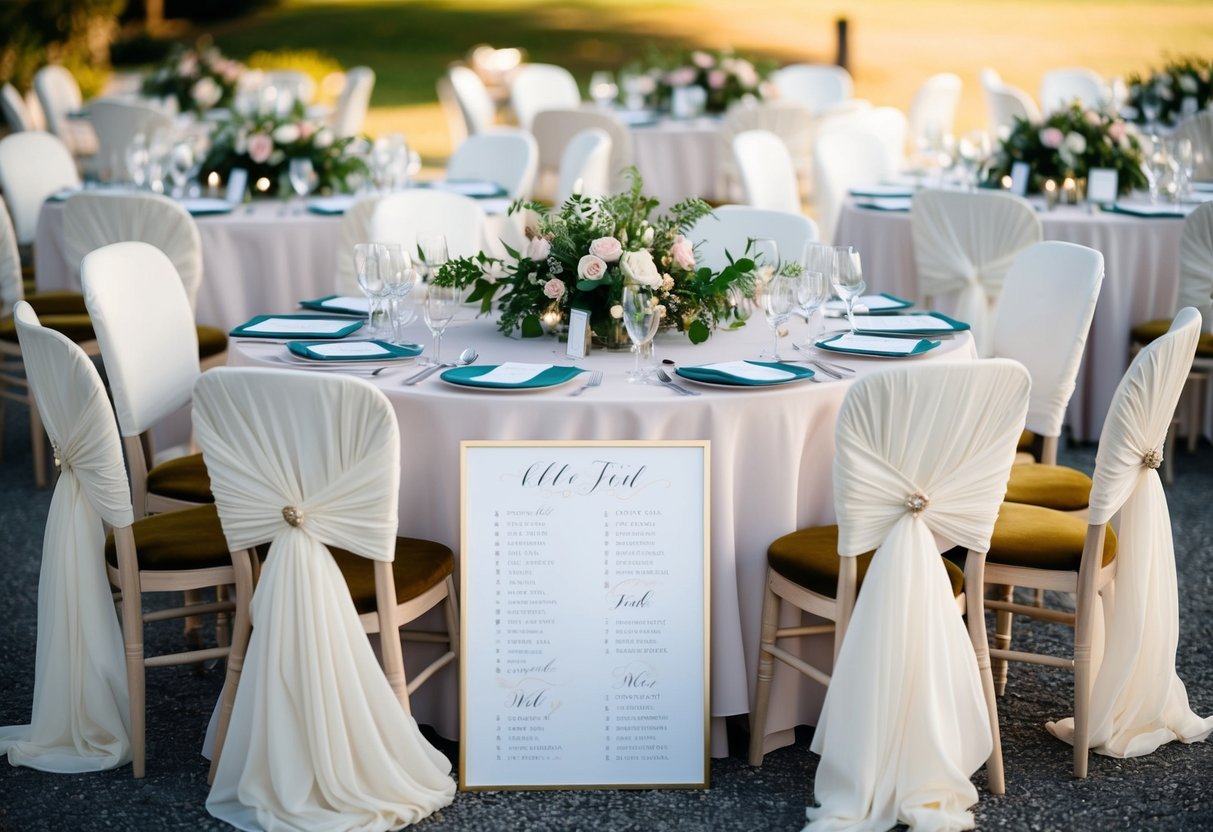
Start by looking closely at your guest list. Think about who gets along well and who might prefer a bit of distance.
This is your chance to nurture connections and keep any potential awkwardness at bay. The key is to prioritize important guests, like family members and close friends, while also considering the dynamics of the group.
Don’t forget that the layout of the tables matters too! Choosing the right seating arrangement can influence the flow of your reception and how your guests interact. With a primary focus on creating a fun and enjoyable environment, you can craft a seating plan that everyone will appreciate.
Determining Your Guest List and Table Sizes
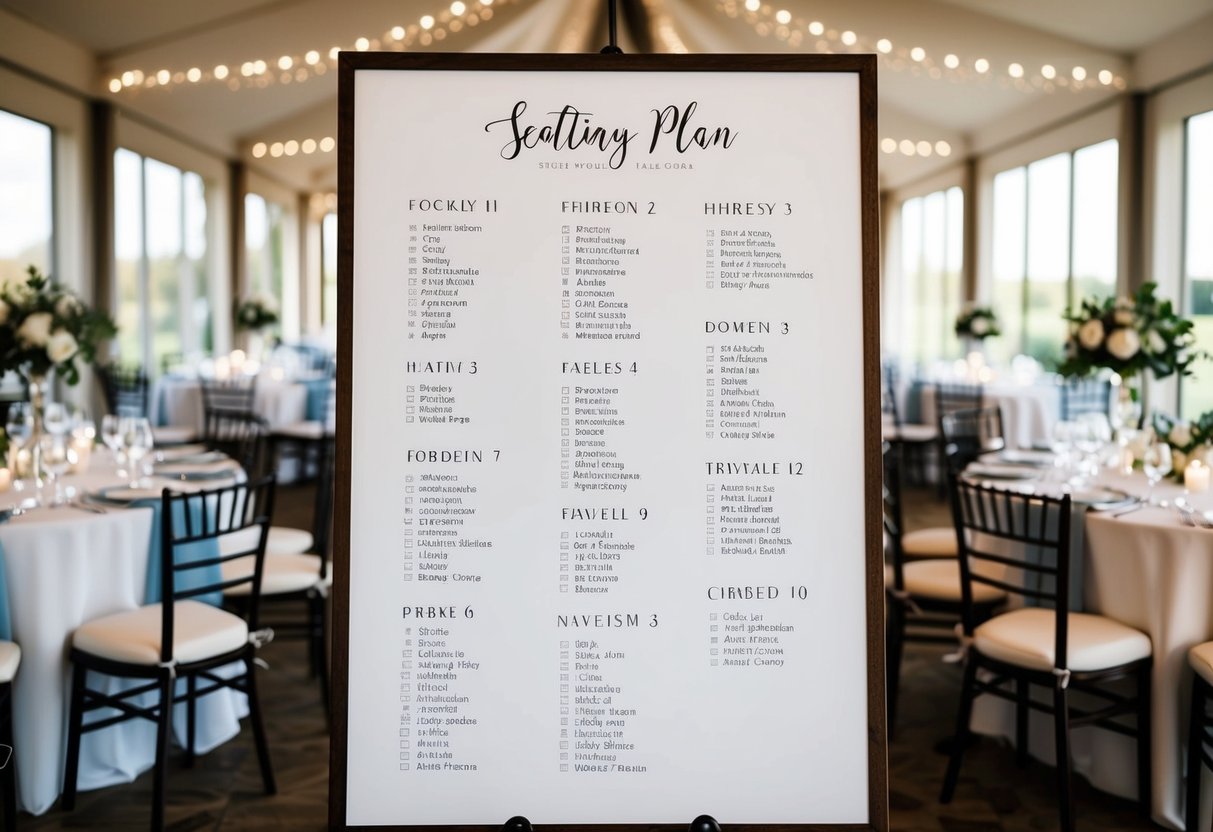
Creating your guest list and choosing the right table sizes are key steps to planning your wedding seating chart. You’ll want to ensure that your tables accommodate everyone comfortably while also fitting your venue’s layout.
Creating a Balanced Guest List
Start with a rough count of guests you want to invite. Think about family, friends, and any plus-ones. Aim for a balanced mix, ensuring that each table has a similar number of guests.
To make this effective, create a list with names and groups. You can use a spreadsheet to easily adjust the numbers as needed.
As you finalize, be mindful of your venue’s capacity. For example, if your venue can seat 150 guests, inviting 180 may lead to crowding. Use your guest list to guide your table setup and ensure everyone has a place.
Selecting Table Shapes and Sizes
When choosing table sizes, consider the number of guests at each table. Round tables typically seat 8-10 people. Rectangular tables may work better for longer guest lists and can fit more guests efficiently.
Determine how many tables you need based on your guest count. For instance, if you have 100 guests and you’re using round tables seating 8 each, you will need around 12 tables.
Take your venue layout into account too. Make sure the table arrangement allows for easy movement and access. You might even want to sketch it out to visualize how everything fits together.
Designing Your Seating Chart
Creating a seating chart for your wedding can feel challenging, but it can also be fun and rewarding. Thoughtful planning lets you consider your guests’ comfort and enjoyment while making the atmosphere just right for your special day.
Arranging the Head Table
The head table is where you and your partner will sit, often with your wedding party. This table should be centrally placed so all guests can see you.
Consider the size of your wedding party. If it’s just the two of you, a small table works best. If you have many attendants, a longer table is appropriate.
Make sure to provide enough space for everyone. You want to create a comfortable environment while allowing for lovely conversation. Adding decorations, like flowers or candles, can enhance the look and make this table a focal point.
Positioning the Sweetheart Table
The sweetheart table is a romantic option for just the two of you. It’s often placed in a spotlight area, allowing all eyes to be on you during the reception.
When planning this table’s layout, ensure it’s more intimate, set apart from the main guests.
Choose a cozy design that reflects your style, maybe with a unique backdrop or special decorations. This setup not only brings you closer together but provides a memorable setting for photos.
Incorporating Family Tables
Family tables are important in honoring loved ones. Arrange them close to the head table to foster connection. Consider family dynamics when seating them, like seating parents and siblings together.
Multiple family tables might be necessary for large gatherings. Use name cards or a chart to help guests find their assigned spots easily. This makes everyone feel welcomed and included.
Acknowledging Singles and Kids’ Tables
Don’t forget about your single guests! A singles table can be a fun way for them to mingle. Grouping singles together creates a welcoming environment. You could even make it playful with games or activities for them to enjoy during the event.
For the kids’ table, keep them entertained with fun decorations or activities. Providing coloring books or small games can keep little ones engaged. Position this table near the main area so parents can quickly check in while offering a relaxed spot for children.
Ensuring Guest Comfort and Accessibility
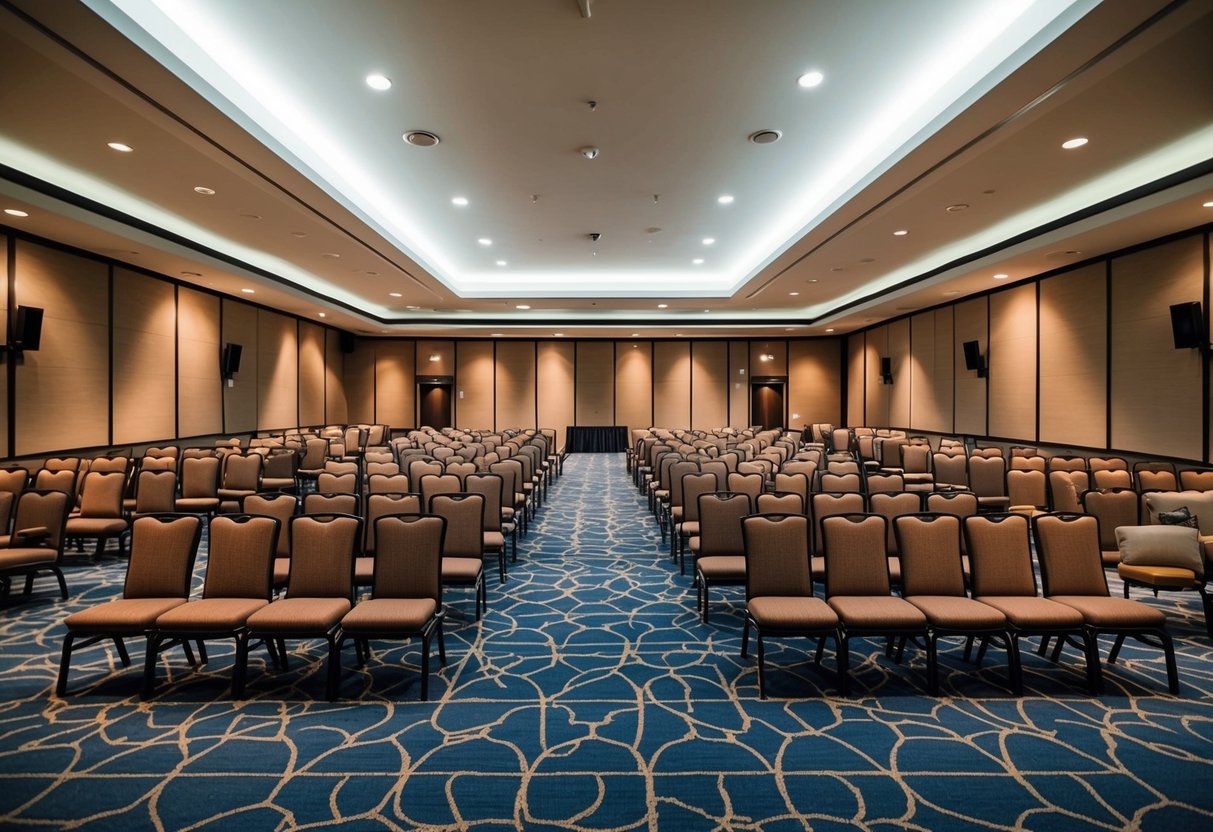
Creating a seating plan that prioritizes comfort and accessibility is key to ensuring all guests enjoy your wedding. Focus on managing special needs, handling dietary restrictions, and facilitating mingling to make the event enjoyable for everyone.
Managing Special Needs and Accessibility
When planning your seating arrangement, think about guests who may have special needs. Designate areas that are easy to access, especially for those with mobility challenges.
Ensure there is ample space between tables for wheelchairs or walkers. Consider using stable seating options for guests who need extra support. You may also want to place these guests closer to the action, such as the dance floor or buffet.
Remember to ask guests about their needs ahead of time. This preparation helps create a welcoming environment where everyone feels included.
Handling Dietary Restrictions
Your guests might have different dietary restrictions, like allergies or specific diets. It’s vital to provide meal options that cater to these needs.
Look into your catering options and include labels for all dishes. This clarity helps guests easily identify safe choices.
Also, consider placing guests with similar dietary needs at the same table. This way, they can discuss their food options and enjoy shared experiences while dining.
Make sure to collect information on dietary preferences during the RSVP process. This little step prevents confusion and ensures all guests are satisfied during the meal.
Facilitating Mingling and Conversation
A successful wedding isn’t just about great food; it’s also about lively conversations.
Arrange your seating to encourage interaction among guests. Think about mixing different groups rather than seating people only by their relationships. This approach gets everyone chatting and enjoying each other’s company.
Try to avoid placing your guests too far apart.
Tables should be close enough to facilitate conversation without feeling cramped. Use round tables instead of long rectangular ones to create a more intimate setting.
This layout allows for easier eye contact and fosters a friendlier atmosphere for mingling, ensuring everyone feels comfortable engaging.