
How Should a Wedding Seating Chart Be Arranged for a Perfect Day?
Arranging a wedding seating chart can feel overwhelming, but it’s a fun opportunity to enhance the guest experience at your celebration. To create a well-balanced seating arrangement, start by considering relationships and dynamics among your guests. This ensures that everyone feels comfortable and enjoys the day.
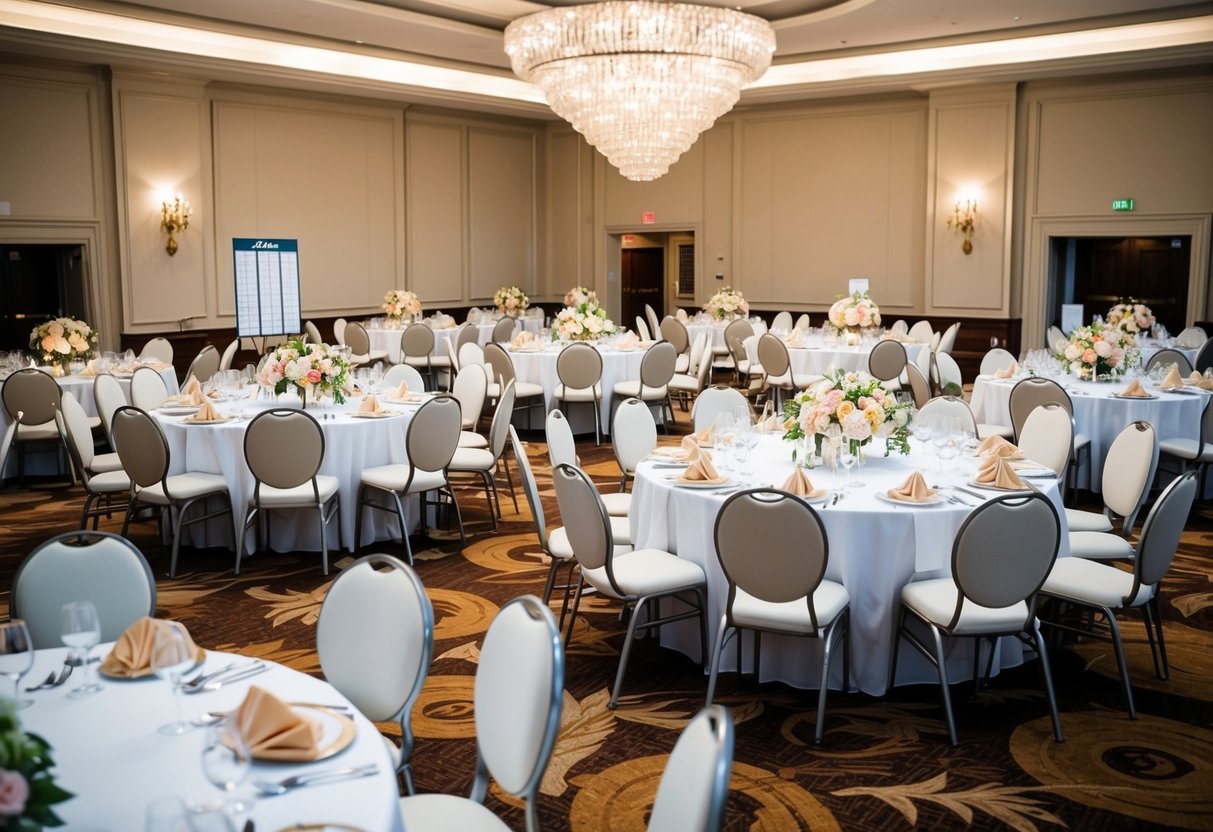
When planning your chart, think about groupings that make sense. You might want to seat family members together or mix friends from different parts of your life. The goal is to foster interaction and connection, making your big day even more memorable. Remember, a thoughtful seating arrangement reflects how much you care about your guests’ enjoyment.
Using a clear and easily accessible seating chart can help guide your guests smoothly to their seats. By taking the time to plan this detail, you are not just organizing a space; you are crafting a welcoming atmosphere that sets the tone for a joyous celebration.
Understanding the Basics of Seating Arrangements

Arranging seating is crucial for setting the tone of your wedding. You need to consider your guest list, venue layout, and types of seating arrangements to ensure everyone enjoys the day.
Determining Guest Count and Venue Layout
Start by confirming your guest list. Knowing how many people will attend helps you figure out how to arrange seating. A good method is to use a simple table to track the number of guests and their preferences.
Once you have your guest count, assess your venue layout. Look at the available space. Consider how many tables can fit comfortably without crowding. Make sure there’s enough room for guests to move around and enjoy themselves.
Choosing Between Assigned Seating and Open Seating
Deciding on assigned seating or open seating is key. Assigned seating helps avoid confusion and ensures guests sit with people they know. This can be especially useful if you have a mix of family and friends.
Open seating allows guests the freedom to choose where to sit. This option creates a relaxed vibe, but it may lead to some guests feeling awkward if they don’t know anyone. Think about your audience and what will make them most comfortable.
Table Shapes and Arrangements
The type of tables you choose affects the flow of your reception. Round tables are popular because they encourage conversation and create an intimate atmosphere. You can easily fit eight or ten guests, making them versatile.
Rectangular tables are great for larger spaces and can create a more casual setting. They work well for family-style meals. You can arrange them in various shapes like U- or T-shapes to maximize space.
Additionally, square tables provide a modern look. They are effective for smaller groups, helping to foster connection. Experiment with different combinations to see what fits your venue and guest dynamics best.
Designing Your Wedding Seating Chart

Creating a wedding seating chart can seem daunting, but it can be a fun part of your planning. Let’s explore how you can design an effective seating chart using digital tools, consider special circumstances, and showcase your seating plan beautifully.
Creating a Seating Plan with Digital Tools
Using digital tools can simplify the seating chart creation process. You can start by choosing an online seating chart tool. Options like Canva and Wedding Mapper offer user-friendly interfaces. These platforms allow you to design a digital seating chart that matches your wedding theme.
Begin by entering your guest list into your chosen tool. Many of these tools let you drag and drop names, making adjustments easy. After assigning seats, print out the chart or save it electronically for easy access. Digital tools help ensure clear organization and easy changes if needed before the big day.
Incorporating Special Considerations
Some guests may have special circumstances that require attention. For example, consider dietary restrictions and mobility needs. It’s essential to seat guests with these needs close to the food or restrooms.
Think about family dynamics, too. Place family members who get along well together, while ensuring those with tension have some space. This thoughtful arrangement can help maintain harmony at your wedding. Always communicate with your parents, as they might want to seat their friends in specific areas, ensuring everyone feels comfortable and included.
Seating Chart Display Ideas
Once your seating chart is complete, it’s time to display it at your reception. You want a seating chart display that is both appealing and easy to read.
Consider using a large poster board or a framed piece of art where your seating plan is the main focus. Decorate the display to fit the theme of your wedding. Using flowers or lights can add a personal touch.
Another option is to have individual cards at each table showing guests which table they’re assigned to. This method allows everyone to find their seats without crowding around a single display. Choose a design that matches your overall wedding aesthetics to keep everything cohesive.
Finalizing the Wedding Seating Arrangement

When it’s time to finalize your wedding seating arrangement, focus on the details that will make your reception flow smoothly. Addressing RSVPs, handling place and escort cards, and accommodating special needs are key areas to consider.
Handling RSVPs and Last-Minute Changes
Managing RSVPs is crucial for your seating chart. Send out invitations early and ask for responses by a set date. This helps you get a clear guest count.
Be prepared for last-minute changes. Sometimes guests can’t make it or new ones pop up. If someone cancels after you finalize your chart, check if you need to move seats or adjust groups. Consider grouping guests by relationships, such as families and friends, to keep conversations lively and engaging.
Keep a flexible mindset. Having a few extra seats at tables can ease any last-minute conflicts. Make use of any digital tools that can help you track RSVPs and changes efficiently.
Etiquette for Place Cards and Escort Cards
Place cards and escort cards serve different purposes and follow specific etiquette. Place cards sit at each guest’s seat and indicate where to sit. Escort cards direct guests to their table without assigning specific seats.
Choose one or both styles depending on your guests’ needs. If you have a more formal affair, place cards can add a special touch. For a relaxed vibe, escort cards may work best.
Remember to keep names clear and legible. Include all relevant details, like titles for special guests. Lastly, arrange them neatly on a table to welcome guests as they arrive.
Preparing for Special Seating Needs
Consider special seating needs for your guests. This includes any mobility issues or other comfort considerations. Communicate any requirements to your venue in advance.
If you have children attending, think about a kids’ table. This can help keep younger guests entertained and comfortable. Make sure to group them with a parent nearby if possible.
Also, pay attention to any personal conflicts among guests. Avoid seating ex-partners or contentious family members at the same table. With thoughtful arrangements, you can help create a friendly atmosphere for everyone.