
How Should People Be Seated at a Wedding? A Guide to Creating the Perfect Seating Arrangement
Planning how to seat your guests at your wedding can feel overwhelming, but it doesn’t have to be. An effective wedding seating chart helps ensure that everyone is comfortable and enjoys the celebration. By organizing your guest list and creating a thoughtful seating arrangement, you can enhance the experience for all your friends and family.
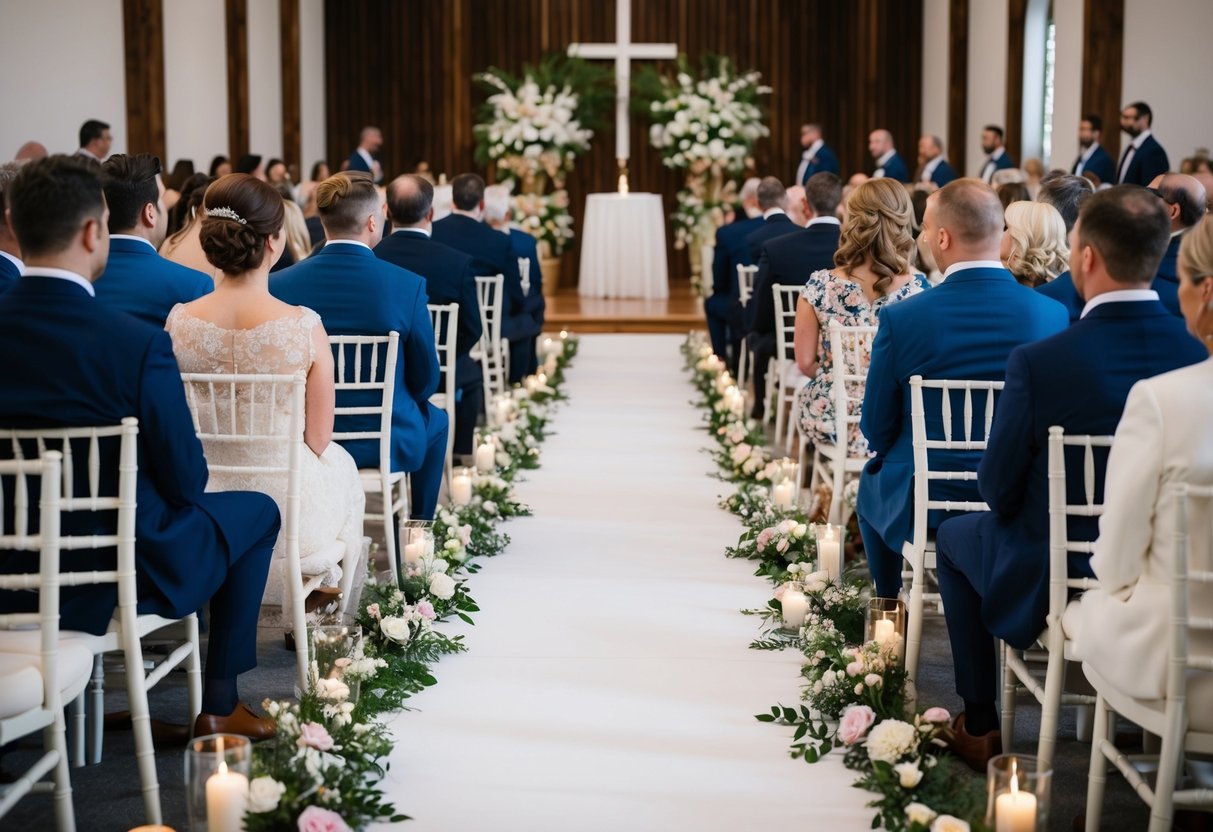
Working with a wedding planner can make this process easier. They can help you develop a seating plan that reflects your vision while considering family dynamics and relationships. This means you can relax and focus on the fun aspects of your big day, knowing your guests are in good hands.
Remember, the goal is to create a welcoming atmosphere. Thoughtfully placed seating can foster connections among your guests, making your wedding feel like a unique gathering rather than just an event. With the right approach, everyone will leave with happy memories of your special day.
Deciding on a Seating Style
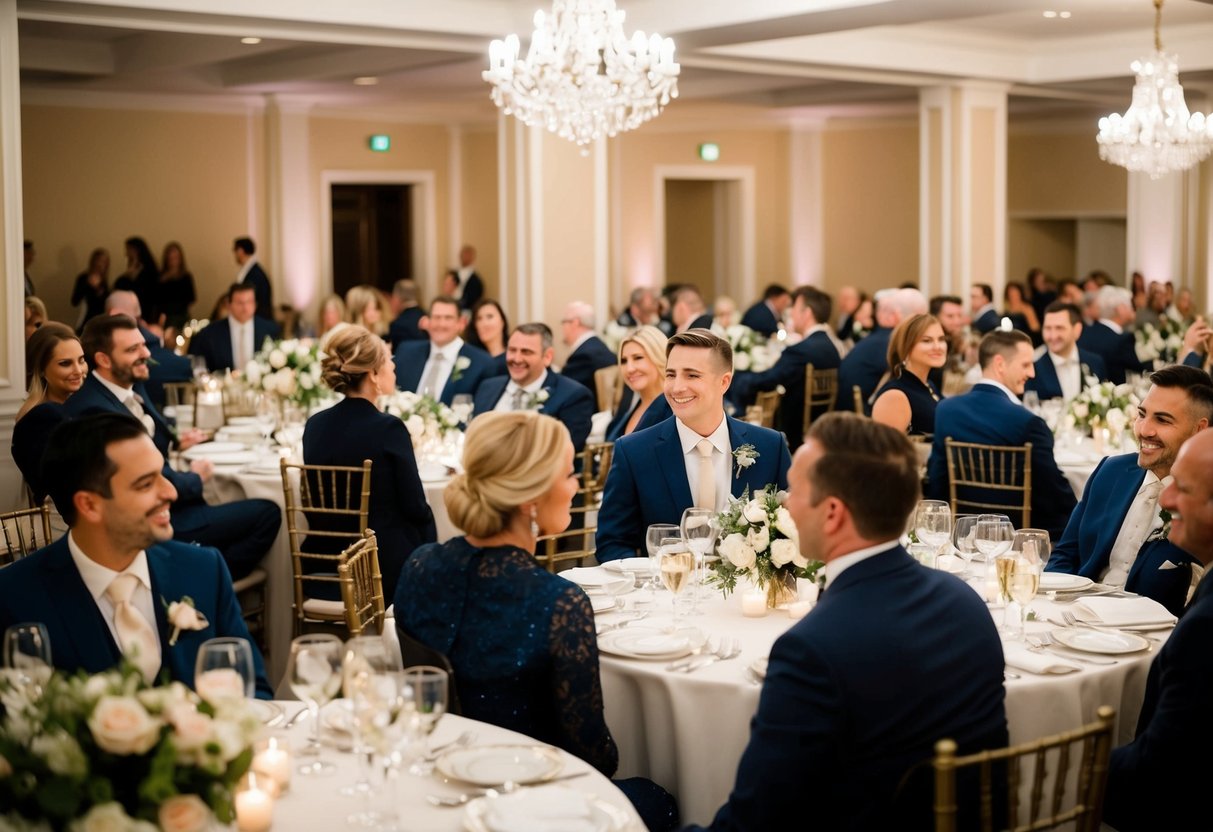
When planning seating for your wedding, you’ll want to consider various styles that work best for your vision. Choosing the right arrangement can enhance the atmosphere and ensure that your guests feel comfortable and engaged. Here are some key aspects to consider.
Head Table Options
The head table is often the focal point for a wedding reception. You can choose different formats for this table.
Top choices include:
- Rectangular Table: This traditional option allows you to seat multiple people, including your wedding party.
- Round Table: A cozy choice that enhances conversation among those seated.
Consider your space and the number of people in your wedding party. Having a prominent head table can create a special moment for you and your loved ones.
Sweetheart Table Considerations
A sweetheart table is just for the couple, offering an intimate setting. This arrangement allows you to enjoy each other’s company during the reception while still being part of the festivities.
Things to think about include:
- Placement: Position it in a way that allows your guests to see you. Often, it’s placed at the front of the room.
- Decor: Make this table special with beautiful décor, such as flowers or a unique table setting.
This table often becomes a memorable spot for photos, highlighting your bond on this special day.
Guest Table Configurations
The way you arrange guest tables impacts the flow of your reception. You can choose from different table shapes that work best for your venue.
Common arrangements include:
- Round Tables: These are great for encouraging conversation and are often used for larger guest lists.
- Rectangular Tables: Perfect for more formal events; they can be arranged in long rows or as “U” shapes.
Make sure to balance variety and familiarity. Your goal is to create an inviting atmosphere where everyone feels comfortable mingling and enjoying the celebration.
Creating a Functional Seating Chart
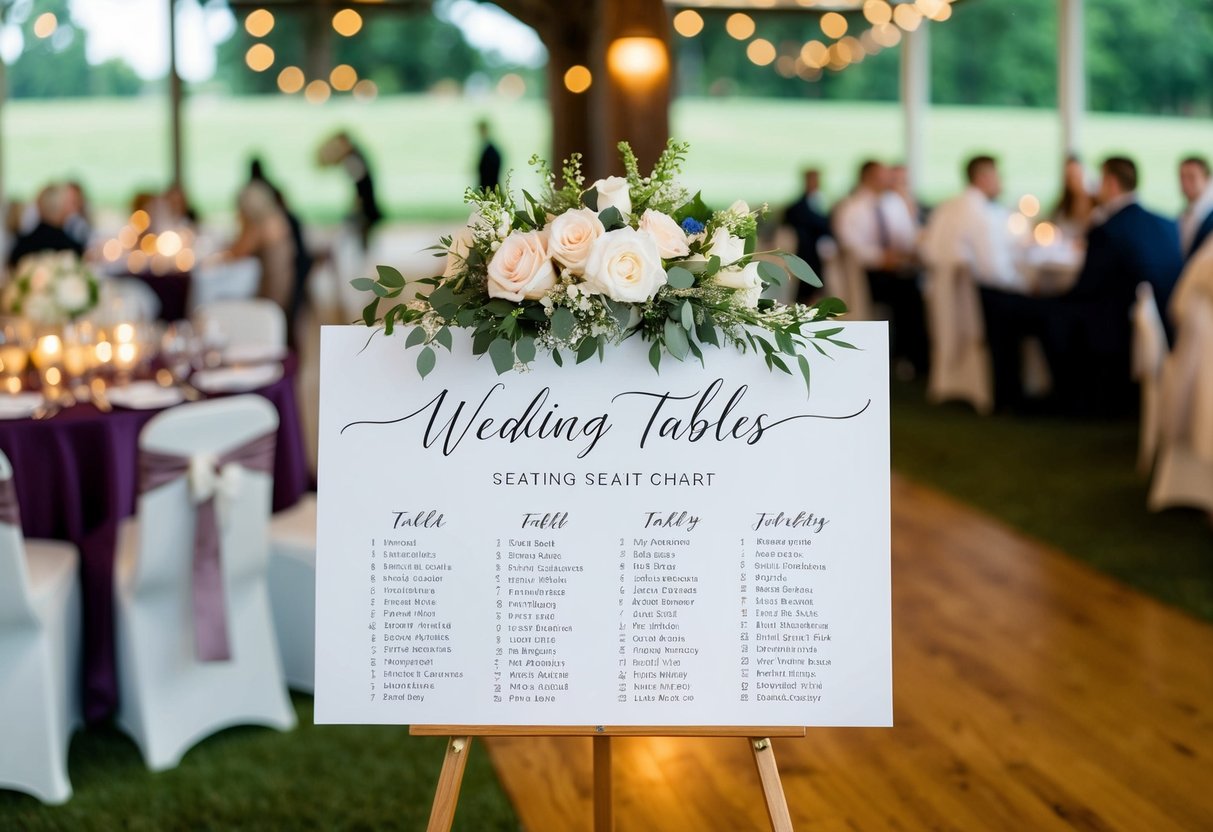
A well-organized seating chart can make your wedding day smoother and more enjoyable for everyone. It helps guests find their places easily and reduces confusion. Let’s explore how to create an effective seating chart.
Charting Guests and Tables
Start by making a list of all your guests. You can use a simple spreadsheet or a wedding planning app. Once you have your list, consider how many tables you’ll have and the number of people per table.
Example Table Setup:
| Table Number | Seats Available |
|---|---|
| 1 | 8 |
| 2 | 6 |
| 3 | 10 |
Next, group guests with common interests or relationships. This can encourage conversation. For example, sit family members together and friends at another table. Don’t forget to include place cards for each guest to make it even easier for them to find their seats.
Seating Chart Etiquette
It’s important to be mindful of seating arrangements. Avoid placing guests with known conflicts at the same table. This helps maintain a peaceful atmosphere.
Consider creating a separate kids’ table for younger guests. It can make things more comfortable for them and their parents.
When designing your seating chart, also keep special needs in mind. Ensure that elderly or disabled guests are seated close to the entrance and near restrooms.
Using escort cards can be another helpful touch. They allow guests to see their assigned table, adding a personal element.
Special Circumstances Handling
Some guests may come with unique needs. For example, if you have divorced parents, you might want to seat them at different tables. Communication is key, so don’t hesitate to ask close friends or family for advice on tricky dynamics.
Another special circumstance might arise with large families or close-knit groups. If possible, arrange tables that encourage conversation among those who know each other well.
Always have a plan for unexpected guests. Create a few extra spots at tables or have a few chairs available. This ensures everyone has a seat and can enjoy your special day.
Seating Logistics and Arrangement Essentials
Planning seating arrangements requires careful thought about various factors. You need to consider RSVPs, guests’ special needs, and how to encourage mingling during the event. Each detail can create a comfortable atmosphere where everyone feels included.
Addressing RSVPs and Last-Minute Changes
Start by monitoring your RSVPs closely. It helps to keep a list of who has confirmed their attendance. This will guide you in planning your seating chart.
Be prepared for last-minute changes. Guests may cancel or bring someone unexpected. Use a flexible floor plan, allowing you to shift seating arrangements easily.
It’s a good idea to have a few extra seats available in case of surprises. Clear communication with your event planner can also smooth out any confusion leading up to the big day.
Seating Elderly Guests and Families
When it comes to elderly guests, comfort is key. Seat them close to exits or restrooms for convenience. You want them to feel at ease throughout the celebration.
Consider their needs while setting up your seating arrangement. You should avoid long walks across the venue.
For families, it is wise to seat parents with their children. This ensures that they can supervise their kids easily. A thoughtful seating plan can create a warm atmosphere that enhances everyone’s experience.
Arranging a Kids’ Table
A kids’ table can be a fun element of your wedding reception. If you’re inviting younger guests, consider setting up a dedicated space just for them. This table can be decorated with playful themes or colors.
Make sure to include activities such as coloring books or games. It encourages the children to interact with one another freely.
Consider seating cousins or friends together to foster connections among them. This arrangement helps parents enjoy the event while kids have a blast.
Planning for Mingling and Cocktail Hour
Cocktail hour is the perfect opportunity for mingling. Arrange seating to encourage conversation among guests. You can have a mix of assigned and open seating to make this work well.
Consider a layout that allows for movable seating. This encourages group gatherings and makes the space feel alive.
You might want to place food stations around the venue, guiding guests to explore. This setup nurtures social interactions while letting everyone enjoy the festivities.