
How Small is Too Small for a Wedding? Finding the Perfect Intimate Celebration
When planning a wedding, one of the key questions you might have is how small is too small for your big day. A small wedding can create an intimate atmosphere and allow for meaningful connections with your closest friends and family. Typically, a wedding with fewer than 50 guests is considered small, and anything below 20 guests might feel more like a gathering than a wedding.
Choosing the right size for your wedding can be tricky. While small weddings can feel cozy and personal, you want to ensure there is still a sense of celebration. An intimate wedding often features a warm environment, but if it’s too small, it might lose some of that wedding magic. Striking the right balance between a close-knit group and a lively celebration is crucial.
As you explore your options, think about what feels right for you. The best wedding size varies from couple to couple and depends on your preferences. Whether you envision a small wedding in a backyard or an intimate ceremony with just a few loved ones, make sure it reflects your style and what you want from your special day.
Determining Your Ideal Wedding Size
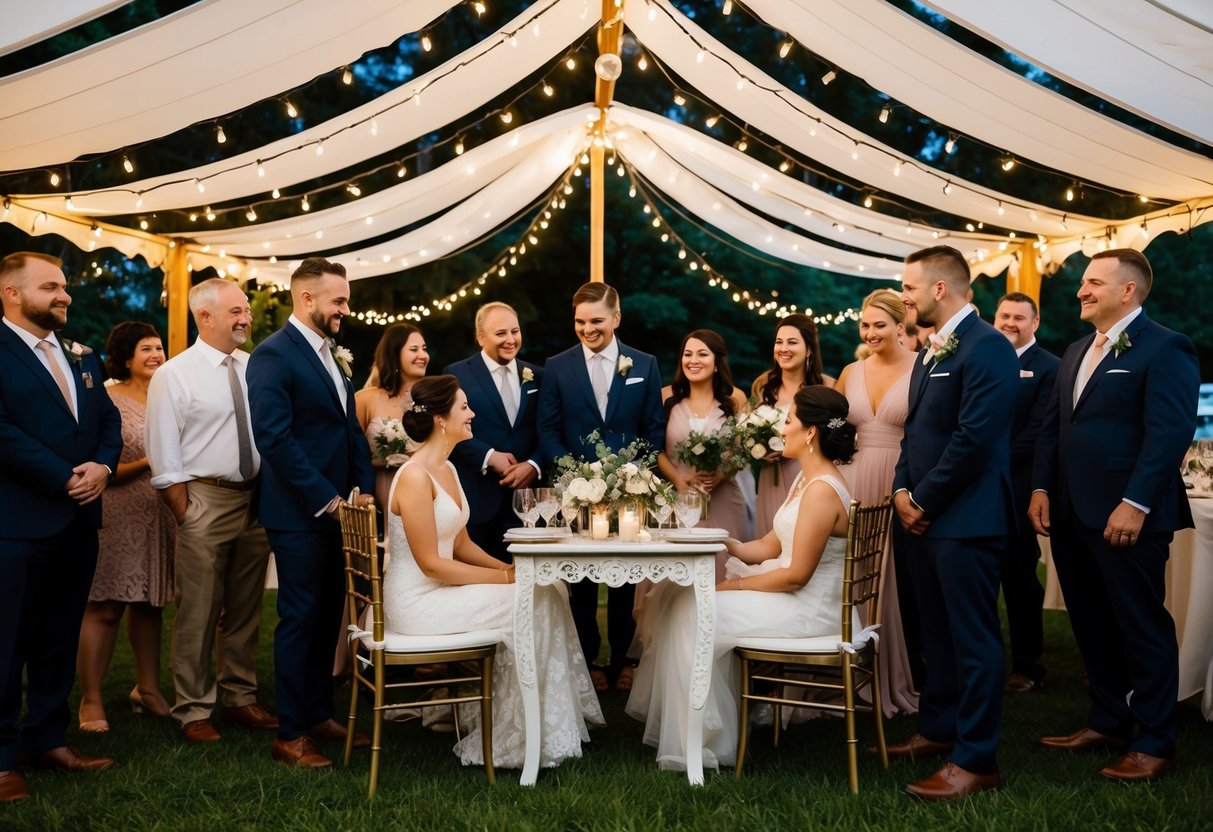
Choosing the right size for your wedding is an important decision. It involves considering your guest list, as well as the roles of family and friends in your celebration. Each of these elements will help you create a day that feels just right.
Assessing Your Guest List
Start by making a list of everyone you would like to invite. Think about relatives, close friends, and anyone significant in your life.
Once you have your list, categorize guests into different groups, like must-haves and those you can invite if space allows.
Here’s a simple breakdown:
- Must-Have Guests: Immediate family and closest friends.
- Optional Guests: Extended family, old friends, or colleagues.
For a small or micro wedding, aim for a guest list of 15 people or fewer. An intimate celebration typically includes 20 to 50 guests. This size allows for personal connections and memorable interactions.
Considering Family and Friends
Your family and friends play a big role in your wedding size. Think about how many people your parents and close relatives want to invite. Sometimes, pressure from family can influence your decisions.
Discuss with them who they consider essential. Be open about your desire for a small gathering. This is your day, and it should reflect your vision.
Consider including family traditions and honoring important relationships. Communicate clearly with those close to you. This way, everyone feels valued, and you maintain the intimate atmosphere you desire.
Budgeting for Your Wedding
Setting a clear budget can help you plan a memorable wedding without breaking the bank. Knowing the key expenses involved is essential to allocate your funds wisely.
Understanding Wedding Expenses
When planning your wedding, it’s important to grasp the various expenses involved. A medium wedding typically costs around $20,000 to $50,000. This includes venue fees, catering, photography, and decorations.
For a small wedding, you might spend between $5,000 and $15,000. Think about your priorities. Are you willing to splurge on a stunning venue or a top-notch photographer?
Here’s a breakdown of common expenses:
- Venue: 30%
- Catering: 25%
- Photography: 15%
- Attire: 10%
- Flowers & Decor: 10%
- Entertainment: 5%
By identifying your must-haves, you can make informed choices even if you face limitations due to the COVID-19 pandemic.
Allocating Funds for Quality Time
You want your wedding to create lasting memories, so consider how you allocate funds for quality time with loved ones. With fewer guests, focus on a more intimate experience.
Spend wisely on personalized details that enhance enjoyment. For example, invest in an excellent caterer and a cozy venue where everyone can feel comfortable. Consider hosting your ceremony outdoors or in a local park to minimize venue costs while maximizing beauty.
Additionally, look for cost-effective entertainment options. A small band or a playlist can often set the mood at a fraction of the price. Prioritize experiences that foster connection, as these moments will make your wedding truly special.
Choosing the Right Venue and Vendors
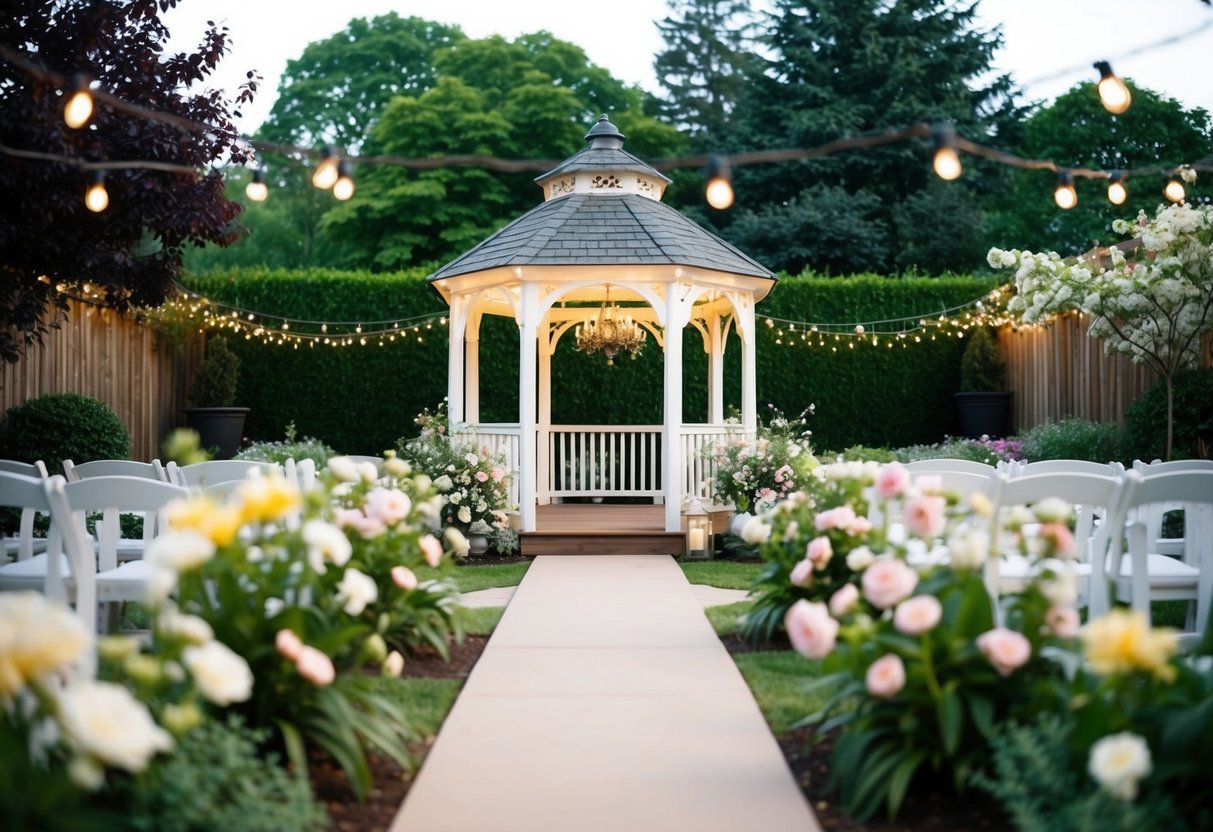
Finding the perfect venue and vendors is key to your wedding experience. You want a setting that fits the right size for your guest list and vendors who understand your vision. Here are important points to consider.
Selecting a Wedding Venue
When choosing a wedding venue, think about your guest list. A venue that’s too small can make guests feel cramped. For example, if you invite 100 people, a backyard wedding may fit, but a smaller space might not. Consider spaces like boutique hotels or unique venues that can accommodate your needs.
Also, think about the atmosphere. Weekday weddings can offer a more intimate setting and often come with lower costs. Make a list of venue features, like outdoor options or areas for dancing, to help narrow your choices.
Working with Wedding Planners
Hiring a wedding planner can greatly ease your planning process. They help you; from selecting the right venue to coordinating with vendors. A planner understands the specific needs for space based on your guest count and can suggest venues that fit.
When choosing a planner, look for someone who is experienced with small weddings. They will know how to maximize the space and create a cozy atmosphere. Share your ideas and guest preferences, so they can tailor the experience just for you. Their expertise will make your vision a reality without the added stress.
Creating a Memorable Experience
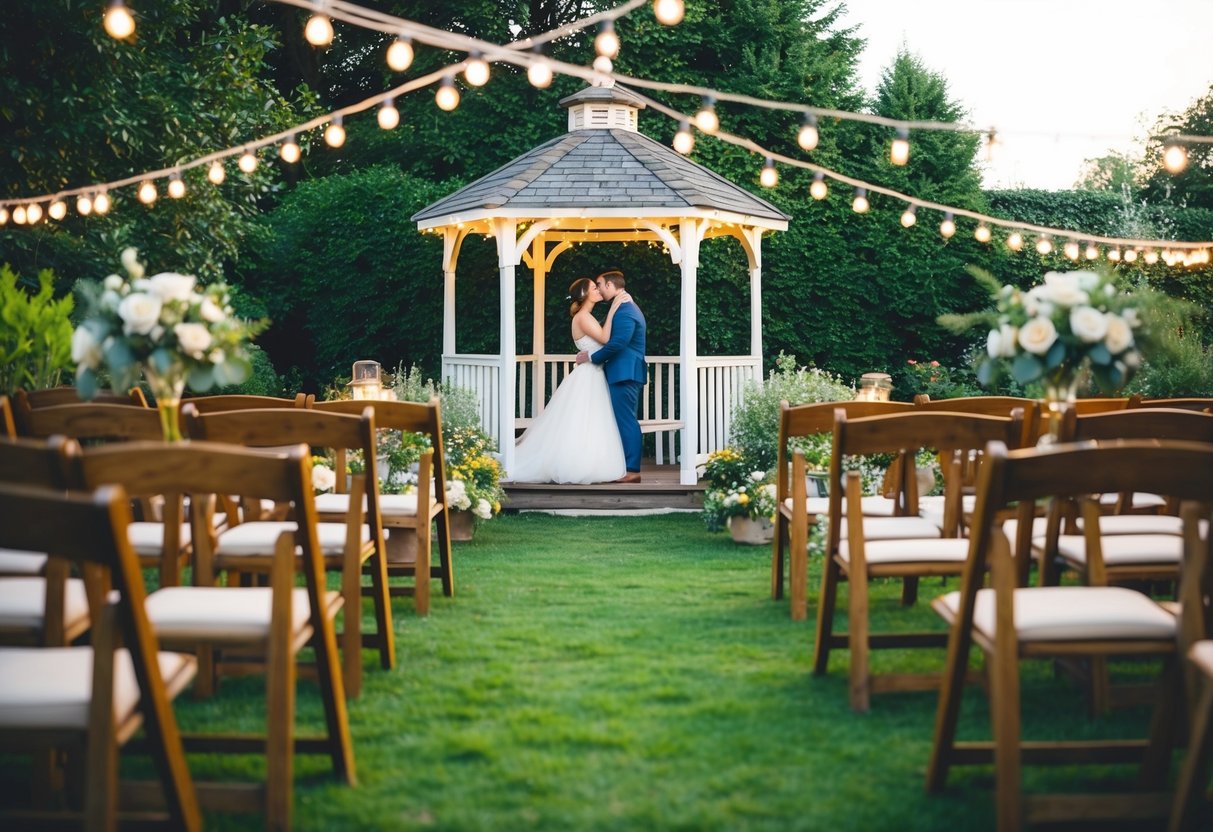
Making your small wedding special is all about the details. Focusing on planning a personalized ceremony and reception can craft a meaningful experience for you and your guests. Let’s explore how to achieve this.
Planning the Ceremony and Reception
Choosing a unique venue can set the mood for your wedding ceremony and reception. Whether it’s an intimate outdoor garden or a cozy family home, the location should reflect your style. You can opt for meaningful symbols during the ceremony, like lighting a unity candle.
For the reception, consider a more casual setting that encourages mingling. This allows guests to connect more easily. Create a simple timeline to ensure everything flows smoothly. Think about including a first dance or some personal entertainment ideas. Live music or a fun photo booth can enhance the atmosphere and create lasting memories.
Personalizing Your Wedding Details
Your wedding attire and decorations should showcase your personality. Choose outfits that make you feel comfortable and confident. A custom wedding dress or outfit reflects your unique style.
For decorations, focus on elements that tell your love story. Use photos of your journey together or favorite quotes as centerpieces.
Don’t forget the wedding cake; consider a small tiered design that speaks to your taste.
Engage guests with interactive elements like a DIY flower crown station or a guest book where they can share memories. These efforts will add a special touch and create an unforgettable experience for everyone involved.