
How to Address a Married Couple on a Place Card: A Friendly Guide to Proper Etiquette
Addressing a married couple on a place card is an important part of your wedding stationery that adds a personal touch to the event. When writing their names, start with “Mr. and Mrs.” for a traditional approach, or you can use “Mr. and Mr.” or “Mrs. and Mrs.” depending on the couple’s preferences. This little detail helps guests feel welcome and respected as they arrive at your wedding reception.
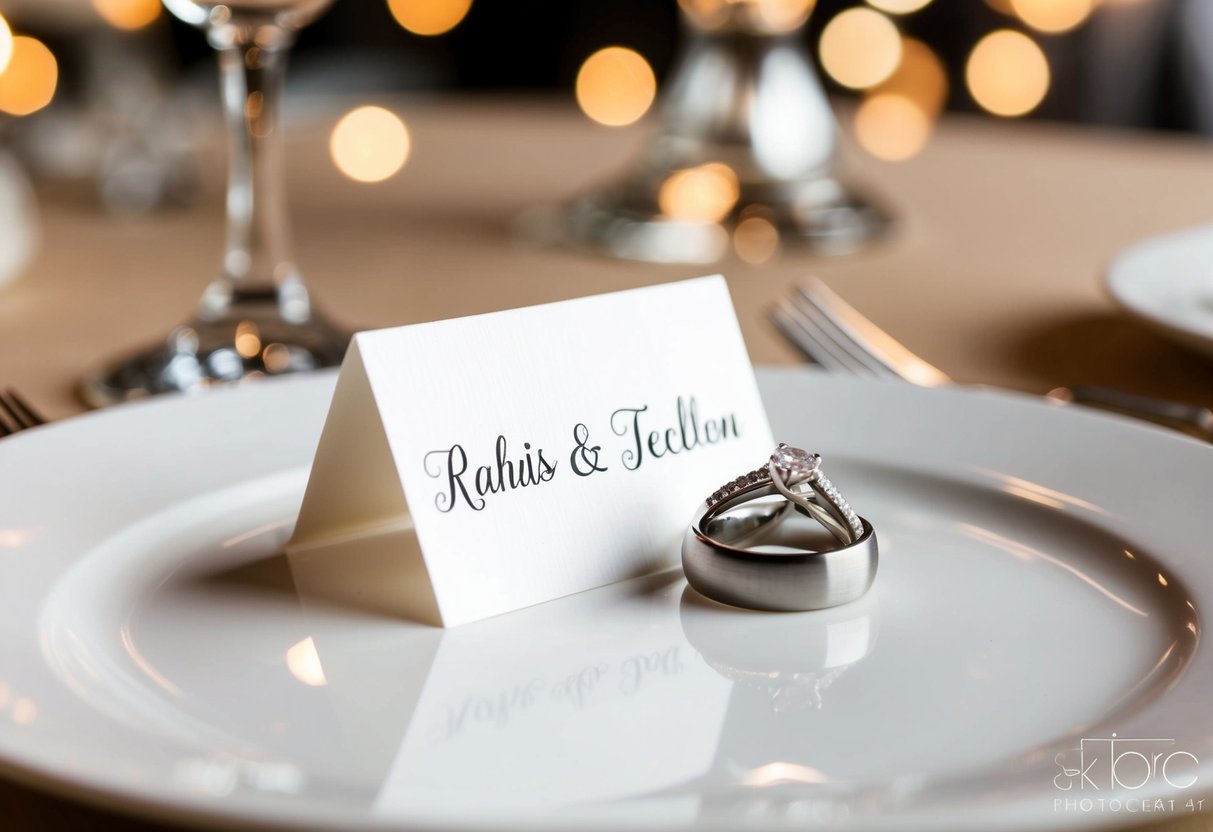
It’s also a good idea to consider how to handle couples with different last names. In such cases, you should list both names on the place card. This practice not only shows thoughtfulness but also keeps things clear at the table settings.
The way you address place cards contributes to the theme and atmosphere of your celebration. Paying attention to these details can make your wedding even more memorable for your guests.
Understanding Place Cards and Their Role at Weddings
Place cards play a big role in helping guests know where to sit during a wedding reception. They not only guide your friends and family but also add personal touches to the decor. Let’s explore the function of these cards and the different types available.
The Function of Place Cards
Place cards serve as a way to assign seats for your guests at the reception. Each card features the name of the person it belongs to, making it easy for them to find their spot.
Often, you will find these cards positioned at each table setting. This setup prevents confusion and ensures everyone knows where to sit. When done well, place cards can reflect your wedding theme and enhance the overall atmosphere.
Using place cards can also foster conversation among guests. By seating people together who may not know each other, you create opportunities for new friendships to blossom. This can make your celebration feel more connected and engaging for everyone involved.
Different Types of Seating Cards
There are various types of seating cards you may consider for your wedding. The most common options include place cards, escort cards, seating charts, and table cards.
- Place Cards: These indicate specific seating arrangements at each table.
- Escort Cards: These cards guide guests to their assigned tables but don’t specify the exact seat.
- Seating Charts: A large display showing the names of guests and their assigned tables, ideal for larger weddings.
- Table Cards: These cards identify tables, helping guests find their assigned area.
Choosing the right type of card can enhance your wedding’s style and improve guest experience.
The Etiquette of Addressing Married Couples
When addressing a married couple on a place card, it’s important to consider the titles you use, the order of their names, and any cultural traditions that may apply. Each aspect helps convey respect and attention to detail.
Using Titles Appropriately
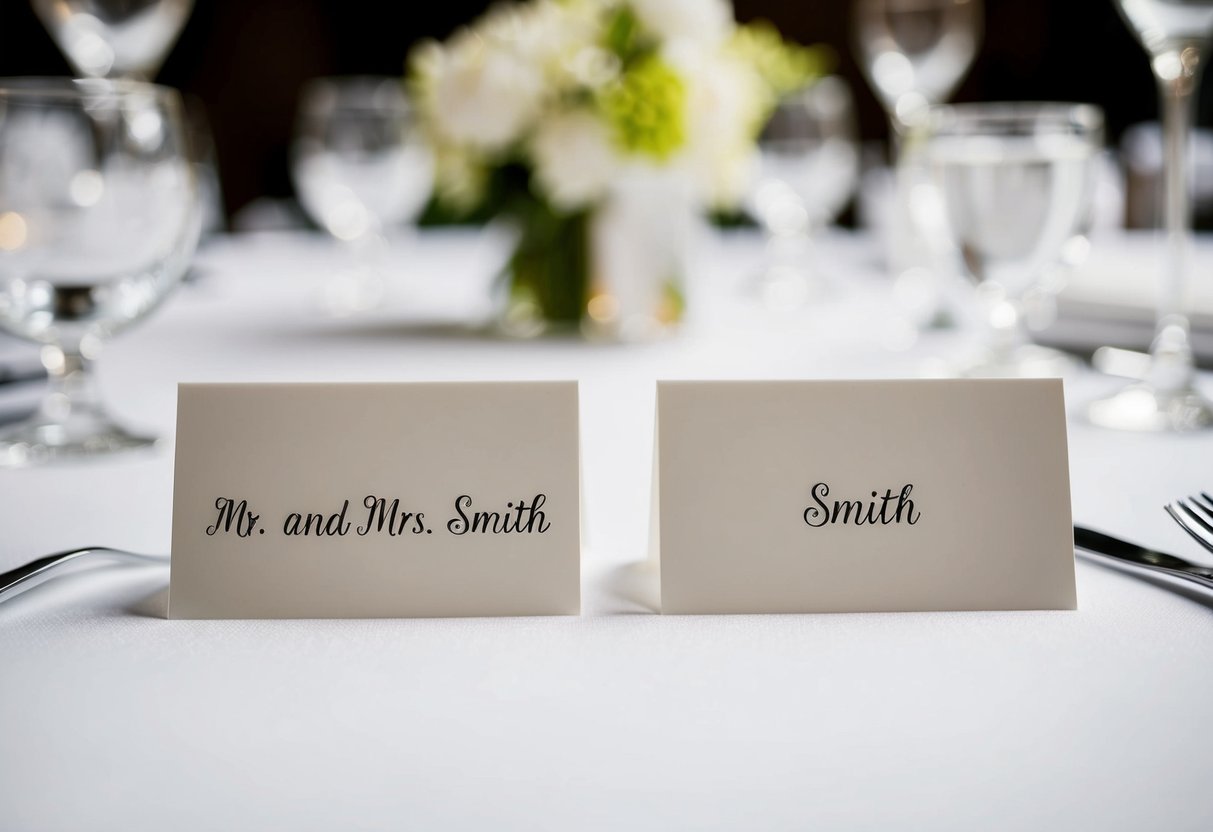
Start with the appropriate titles for a married couple. The most common format is Mr. and Mrs. followed by the husband’s last name, like “Mr. and Mrs. Smith.” If both partners use their last names, list them as “Ms. Jane Doe and Mr. John Smith.”
Using Mrs. for the wife’s title is traditional, but many women prefer Ms. to reflect their individual identity. Always confirm their preferred titles, especially in diverse social settings. Tailoring titles shows respect and thoughtfulness.
The Order of Names
The order of names can vary based on tradition or personal preference. Traditionally, the husband’s name comes first in “Mr. and Mrs. John Smith.” However, today many couples prefer “Mr. John Smith and Ms. Jane Doe” or “Ms. Jane Doe and Mr. John Smith.”
You can also resort to using both first names: “Jane and John Smith.” Ensure that you know the couple’s preference if you’re unsure. This approach helps to prevent any potential offense and highlights your attention to their wishes.
Cultural and Traditional Considerations
Different cultures and traditions may influence how you address married couples. In some cultures, it’s customary to use both names, like “Mr. and Mrs. John and Jane Smith.”
In other cases, specific honorific titles can be important. For instance, some may prefer using Dr., Professor, or other professional titles. This shows consideration for their achievements.
It’s wise to be aware of what may be deemed appropriate within specific cultural contexts. Adhering to these nuances reflects a commitment to respect and understanding within your social interactions.
Designing and Creating Place Cards
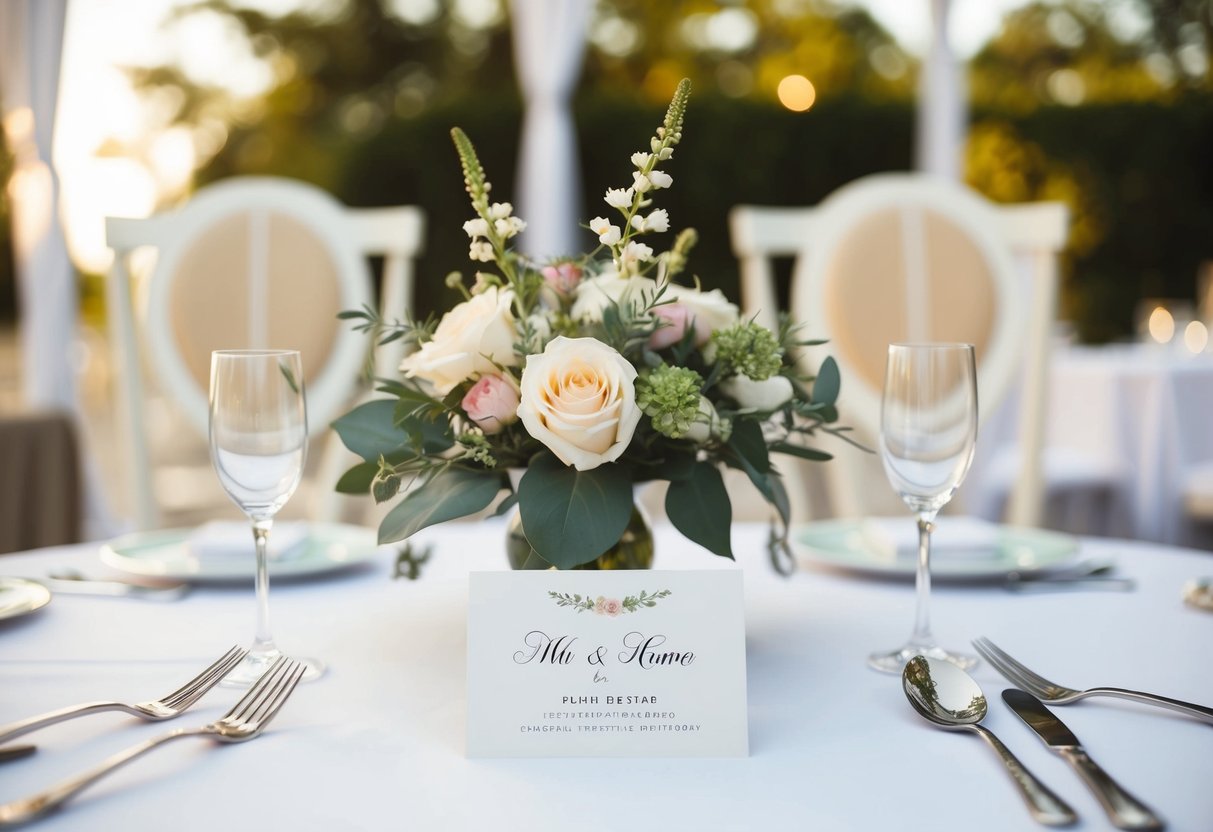
Creating beautiful place cards adds a personal touch to your wedding. You’ll want to think about materials, styles, and finishing touches that reflect your theme and personality.
Choosing the Right Material and Style
When selecting materials for your place cards, consider options like cardstock, wood, or even acrylic. Cardstock is a popular choice due to its versatility and wide range of colors and textures. Wood offers a rustic charm, while acrylic can add a modern flair.
For style, you can go for classic elegance or something more fun and whimsical. Think about whether you want a formal look with straight edges or a more casual rounded shape. Personalize your place cards to match your wedding stationery for a cohesive theme. Look into various designs like floral, minimalist, or themed patterns that resonate with your overall decor.
Calligraphy and Printing Options
Calligraphy can elevate your place cards, giving them a handcrafted feel. You can choose from modern calligraphy that’s stylish and flowing or faux calligraphy that’s easy to read yet equally beautiful. If you’re not comfortable with penmanship, consider hiring a calligrapher for a personal touch.
For printing, digital options are widely available. You can find many printing services that offer high-quality prints on different materials. You can also print at home, taking care to use the right paper for a polished look. Be sure to make a few test prints to ensure everything is aligned correctly.
Adding Decorative Accents
Decorative accents can make your place cards truly shine. Consider using small embellishments like ribbons, flowers, or even a sprig of greenery. These touches can complement your chosen style and the overall wedding theme.
You might also think about using unique holders or stands for your cards. They could be shaped like hearts or made from materials that match your wedding decor. Adding a few decorative elements can transform simple cards into lovely keepsakes for your guests, allowing them to take home a piece of your special day.
Logistics of Seating Arrangements
When planning for your wedding, setting up the seating arrangements is a key task. You’ll need to coordinate the seating chart and ensure everyone knows where to sit. This involves organizing your guests efficiently and making everything clear for your wedding reception.
Coordinating with the Seating Chart
Begin by creating a seating chart that includes table numbers and guest names. This chart will serve as your guide throughout the planning process. To make it easy, you can arrange guests alphabetically or by group.
Consider using a printed chart displayed at the entrance of your venue. This helps guests find their names and the correct table number quickly. You should also provide clear instructions, so no one feels confused about where to sit. Having a table plan can simplify things greatly.
Arranging Place Cards at the Venue
Once you have your seating chart, focus on placing the cards at each table. Arrange them in the order of how guests will arrive. Each card should include the guest’s name and the designated table number.
Make sure the cards are neat and visible. You might choose to do this the day before the wedding to avoid last-minute stress. Using decorative holders can enhance the look and make the place cards stand out. The goal is to create an inviting atmosphere that shows you care about your guests’ comfort.