
How to Allocate a Wedding Budget: A Simple Guide to Planning Your Dream Day
Planning a wedding can be exciting, but it can also feel overwhelming, especially when it comes to money. To make your dream day a reality, you need to know how to allocate a wedding budget effectively. Setting a realistic wedding budget from the start is crucial, as it helps you prioritize your spending and avoid unexpected costs.
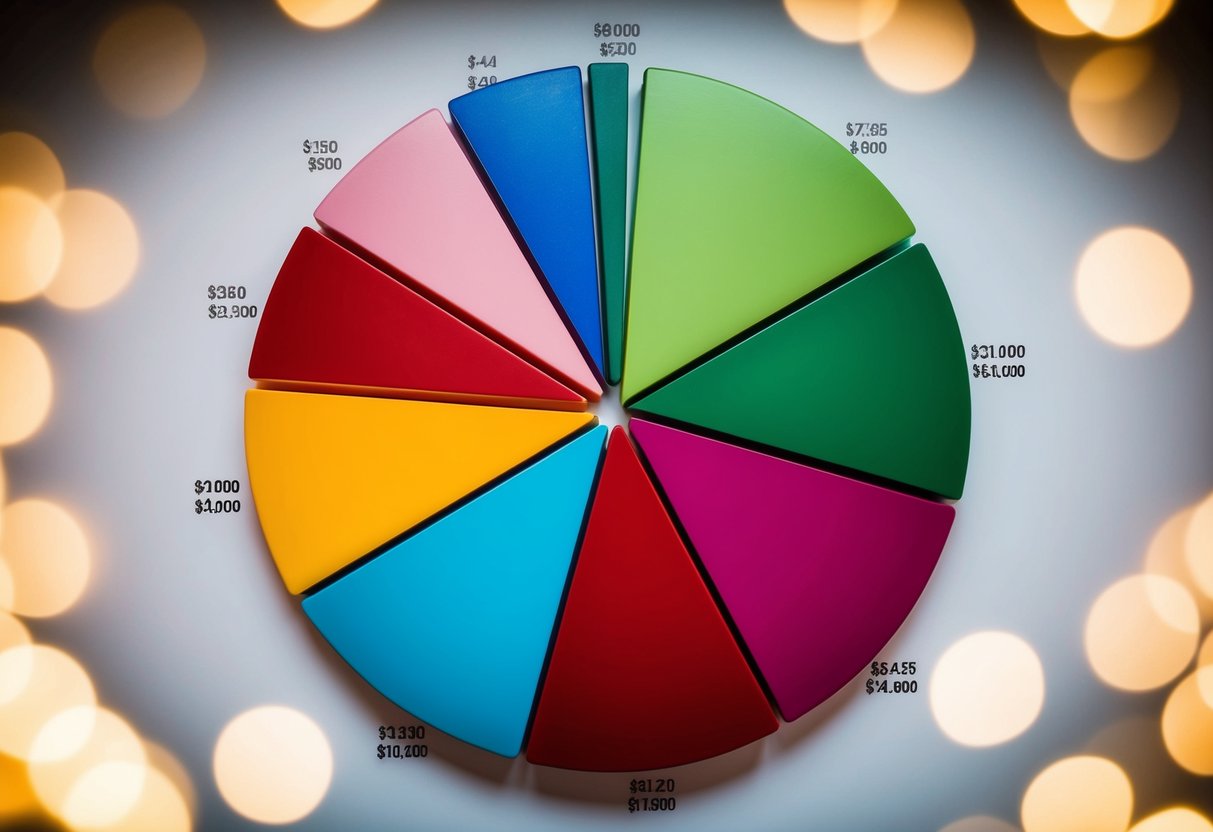
Many people are surprised by the average cost of a wedding, which can vary widely based on location and personal choices. Knowing how much to set aside for each aspect, like the venue, catering, and photography, will help you stay on track as you plan your celebration. By understanding budget planning techniques, you can make informed decisions that keep your finances in check.
You don’t have to sacrifice your vision for a beautiful wedding. With careful budget allocation, you can create a memorable event that reflects your style and stays within your means. Taking the time to map out your spending not only eases stress but also makes your wedding planning journey more enjoyable.
Determining Your Wedding Budget
Setting a wedding budget is crucial for a smooth planning experience. Knowing your costs and creating a solid breakdown allows you to make informed decisions and avoid surprises later.
Understanding Costs and Expectations
Begin by listing the major wedding expenses you’ll face. Common costs include the venue, catering, and attire. Estimate these based on your preferences and local averages. For example, the average wedding cost in the U.S. can range from $20,000 to $30,000, depending on factors like location and guest count.
Consider setting a budget for each category. The wedding budget checklist can help you narrow down what to expect. Allocate approximately 40% of your budget to venue and catering, as these often take up the largest portion of your funds.
Creating a Budget Breakdown and Checklist
Once you know your expected costs, create a budget breakdown. List all categories and assigned percentages. A typical breakdown might look like this:
- Venue & Catering: 40%
- Photography & Videography: 15%
- Attire: 10%
- Flowers & Decorations: 10%
- Entertainment: 10%
- Miscellaneous: 5%
Having a wedding expenses checklist is helpful for tracking your spending. Review this as you make purchases. Don’t forget to include any unexpected costs that may arise. Regularly updating your budget can help manage your overall spending effectively.
Allocating Funds to Major Wedding Categories
When planning your wedding budget, it’s essential to allocate funds to the major categories that will shape your big day. Understanding how to distribute your budget will help ensure that you cover all important elements while staying within your limits.
Venue and Catering
The venue is often the biggest expense, so you should spend a significant portion of your budget here. Determine how much you want to spend on the location, considering its capacity and overall vibe. For example, renting a historic estate may cost more than a community hall.
Catering is another top priority. Decide whether you want a buffet, plated meal, or casual food stations. Research local catering options and get quotes. Don’t forget to include costs for beverages, as this can quickly add up. A rough allocation for venue and catering might be around 40-50% of your total budget.
Photography and Videography
Capturing your wedding memories is vital, so allocate funds for both photography and videography. A skilled photographer can produce beautiful images that you’ll cherish forever. Look for candidates with strong portfolios and reviews.
Consider hiring a videographer to create a lasting film of your day. Set aside about 10-15% of your budget for these services. Talk to several professionals to understand their pricing and what packages they offer. This way, you can choose the right fit without compromising quality.
Attire and Beauty
Your wedding attire plays a huge role in how you feel on your big day. Budget for your wedding dress, accessories, and grooming. Wedding dresses can vary widely in price, so start researching early to find one that fits your style and budget.
Additionally, consider beauty services such as hair and makeup. Set aside around 10-15% of your budget for attire and beauty. Don’t forget to account for alterations and any items for the wedding party.
Decor and Floral Arrangements
Decorations set the mood for your wedding, making it a memorable experience for you and your guests. Think about themes, color palettes, and necessary decorations like table settings and lighting.
Floral arrangements can also enhance your venue. Allocate approximately 10-15% of your budget for decor and flowers. Prioritize items like centerpieces and bouquets. If you’re looking to save, consider using seasonal flowers and DIY decor options.
Music and Entertainment
Music is essential for creating a fun atmosphere. Decide if you want a live band, DJ, or perhaps both. Each option has different costs, so weigh what fits your vision. A DJ may be more budget-friendly compared to a live band but check on equipment rentals if you need those.
You should allocate about 10-15% for music and entertainment. Don’t forget to inquire about songs you want and any special requests. Also, consider any additional entertainment options, like photo booths, which can enhance guest experience.
Essential Factors in Wedding Planning
When planning your wedding, several key elements will guide your budget allocation. It’s important to focus on selecting the right vendors, coordinating details for invitations, and planning your ceremony and reception.
Selecting Vendors and Services
Choosing the right vendors can significantly impact your wedding experience. Start by identifying your must-have services, such as a wedding planner, catering, and photography. Once you know what you need, research potential vendors.
Consider their reputation, photos of past work, and reviews from previous clients. Don’t forget to ask for quotes to ensure they fit within your budget. Create a list of questions to ask during interviews, such as availability and cancellation policies.
Some key vendors to include are:
- Caterers: Discuss menu options, including food and dessert choices like the wedding cake.
- Photographers: Inquire about packages, hours of coverage, and styles.
- Musicians/DJs: Check their playlists and experience with wedding events.
Invitations and Stationery
Your wedding invitations set the tone for your big day. Start by deciding on the style that reflects your theme. It can range from formal to casual, depending on your preferences.
Select your wedding stationery, which might include save-the-dates, invitations, and thank-you cards. Make a list of everyone you plan to invite to get a rough estimate of how many invitations you’ll need.
You can choose to print your invitations or send digital versions to save on costs. Just remember to send them out at least 6-8 weeks before the wedding to ensure everyone can attend.
Ceremony and Reception Details
The ceremony and reception are the heart of your wedding celebration. You’ll need to allocate funds for venue costs, decor, food, and any entertainment.
When selecting a venue, consider the location, size, and atmosphere. Think about what type of ceremony you want—traditional, religious, or outdoor.
Food and drink are also critical. Decide on a catering style that fits your budget, whether it’s a sit-down meal, buffet, or food stations. Don’t forget dessert options, including a beautiful wedding cake.
Finally, consider small touches like wedding favors to thank your guests for celebrating with you. These details can make your day truly special.
Final Considerations for Your Wedding Budget

When planning a wedding, it’s important to consider factors beyond the main expenses. Being prepared for unexpected costs, building an emergency fund, and regularly reviewing your budget can help you stay on track. Here’s how to manage these aspects effectively.
Building in an Emergency Fund
Creating an emergency fund should be a priority in your wedding budget. Life is unpredictable, and costs for expenses like last-minute alterations or vendor changes can arise unexpectedly.
Aim to set aside 5-10% of your total wedding budget for these situations. This fund will provide peace of mind. You might want to use a wedding budget calculator to determine the exact amount based on your overall cost.
Consider keeping this money in a separate account to avoid accidentally spending it on other wedding costs. This way, you can quickly access the funds when needed.
Accounting for Hidden Costs
Hidden costs can sneak up on you during wedding planning. Wedding-related expenses often exceed initial estimates.
For example, gratuities for vendors, transportation, and cake cutting fees can add up quickly. Maintaining a detailed wedding budget template helps you track these items.
Be sure to include a separate line for miscellaneous expenses. This can be a percentage of your budget, usually around 5%. This practice can help you avoid overspending and keep your budget intact.
Reviewing and Revising Budget As Needed
Regularly reviewing your budget is essential for staying aligned with your financial goals. Schedule monthly check-ins to assess your spending and adjust as necessary.
If your budget starts to tighten, consider revising percentages allocated to each category. For instance, you might reduce spending on flowers in favor of upgrading your photography.
Keeping an open line of communication with your partner can also help in making decisions. Discuss priorities and any necessary changes together to ensure both of you feel comfortable with your choices.