
How to Be Okay with People Not Inviting You: Embracing Independence and Finding Joy in Solitude
It can be tough when you find out you weren’t invited to an event or gathering. Many people experience feelings of rejection or anxiety when left out, but it’s important to understand that it doesn’t always reflect your worth or popularity.

Instead of letting feeling left out bring you down, try to focus on the positive aspects of your own social life. Reflect on the friendships you cherish and the events where you are included. By changing your perspective, you can reduce the sting of rejection and appreciate the connections you do have.
Remember, everyone has their reasons for who they invite to their events. Being overlooked doesn’t diminish your value or the relationships you’ve built. Embracing this mindset can help you find joy and fulfillment, regardless of others’ choices.
Understanding the Reasons Behind Not Being Invited

Not being invited to social events can feel hurtful, but it’s important to look at the reasons behind this. Understanding these reasons can help you cope better and feel more at peace with the situation.
Social Dynamics and Invitations
Friendship circles have their own dynamics that can affect invitations. Sometimes, people connect based on specific interests or past experiences. If you don’t share those interests, you might not receive an invite.
Group size also plays a role. Some events have a limited guest list due to space constraints. This can lead to unintentional exclusion, not driven by personal feelings.
Social settings can be complex too. Your friends might not invite someone because they think it could create tension. A known conflict or drama might influence your exclusion.
Be open about these dynamics. Try to join groups or clubs that match your interests. This can help you build connections and increase your chances of being included.
Self-Reflection on Social Relations
Take a moment to reflect on your friendships. Sometimes the reason for not being invited can relate to how you interact with others. Think about your past conversations and engagements.
If you often express negativity or appear disinterested, others might hesitate to invite you. Friends prefer spending time with those who uplift them.
Consider reaching out to your friends for clarity if you feel left out. They might not be aware of how their actions affect you. An honest conversation could provide insight into their decisions.
Additionally, remember that everyone has their own reasons for selecting guests. It may not always be personal. Focus on nurturing positive relationships and being open to new ones.
Handling Rejection with Grace

Feeling left out can be tough. It’s important to manage your feelings, build your self-esteem, and lean on supportive friends. Here are some helpful ways to handle rejection gracefully.
Regulating Your Emotional Response
When you’re not invited somewhere, it’s easy to feel hurt or rejected. The first step is to recognize your emotions. Allow yourself to feel sad, but don’t let it control you.
Try deep breathing to calm your mind. Taking slow, deep breaths can help reduce anxiety. Journaling your thoughts can also be a great outlet. Write down how you feel and why.
Understanding that rejection happens to everyone can lessen the sting. Remember, it doesn’t define your worth. You are not alone in feeling this way, and it’s okay to take time to heal.
Positive Self-Affirmations
Boosting your self-esteem is important after experiencing rejection. Use positive affirmations to remind yourself of your value. Statements like “I am worthy of love” or “I bring value to my friendships” can shift your mindset.
Consider writing a list of your strengths and qualities. Focusing on what makes you unique can help you feel better. Read this list daily to reinforce your self-worth.
Surround yourself with uplifting messages too. Whether it’s quotes, books, or even a supportive playlist, let positivity fill your life. This can help combat feelings of inadequacy and strengthen your confidence.
Seeking Support from True Friends
Having a strong support system is key when dealing with rejection. True friends can offer comfort and understanding. Talk to someone you trust about how you feel. Sharing your emotions can lighten the load and make you feel less alone.
Plan activities with friends who uplift you. Spending quality time with them can shift your focus from rejection to joy. Remember, good friends will remind you of your worth during tough times.
Cut out relationships that bring negativity. Surround yourself with people who value and appreciate you. Quality connections can enhance your mood and help you navigate life’s challenges with grace.
Fostering Your Independence and Self-Worth
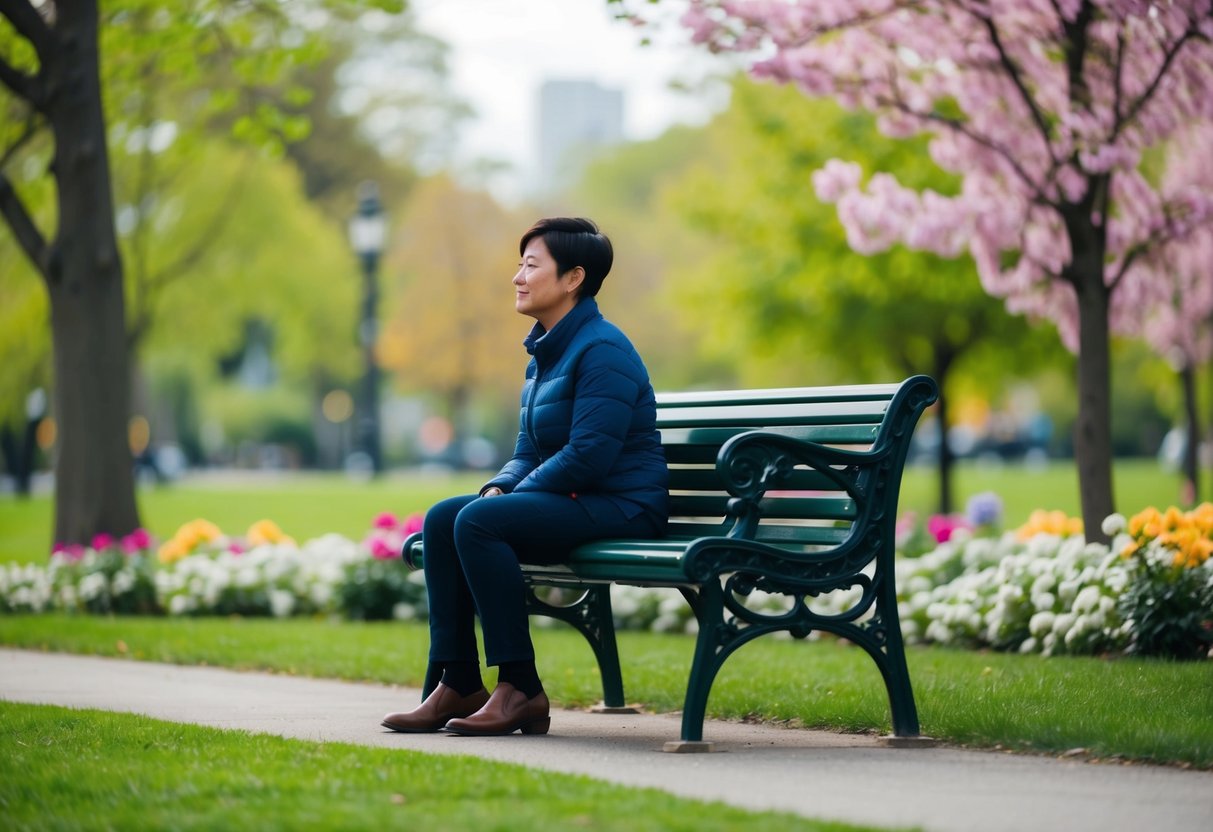
Building your independence and self-worth can help you feel better about not always being invited. When you focus on yourself, you can find joy and fulfillment outside of social events. Knowing your value is key, and it greatly improves your confidence.
Investing in Personal Growth
Investing in your personal growth means discovering new interests and skills. Take time to explore hobbies that excite you, like painting, writing, or sports. Joining clubs or classes can introduce you to new people who share your interests.
Set personal goals and work towards them. They can be big or small, such as learning an instrument or reading more books. Each achievement builds your confidence and reminds you of your strengths.
Additionally, reflect on your experiences with trusted friends. Discussing feelings of being left out can help you process emotions and gain perspective. Remember, a true friend supports you in growing and understanding yourself better.
Cultivating Self-Reliance
Self-reliance is about trusting yourself and making your own decisions. Start by creating a daily routine that includes activities you enjoy. This helps you feel fulfilled by your own choices regardless of others’ actions.
Practice self-care regularly. Simple acts, like journaling or taking a walk, allow you to connect with yourself. This reinforces your sense of identity and reduces dependency on others for happiness.
Also, set boundaries with relationships that don’t support your growth. Surrounding yourself with positive influences can boost your self-worth. Ultimately, when you embrace self-reliance, you will feel less affected by not being invited, knowing you can create your own joy.
Creating Your Own Social Gatherings

When you’re feeling left out, creating your own gatherings can be a great way to connect with others. By taking the initiative, you can control the guest list and ensure a fun atmosphere for everyone.
Becoming a Gracious Host
Being a gracious host is key to making your guests feel welcome. Start by inviting people who share similar interests. This creates common ground for conversation.
Think about special occasions like a birthday party. Use themes, decorations, and activities that match your interests to make it more engaging. You can set the tone through your hospitality—offering snacks, drinks, and a cozy space for everyone to relax.
Always be attentive during the event. Show genuine interest in your guests by asking questions and encouraging everyone to share. This fosters a warm atmosphere where people feel valued.
Planning Inclusive Events
When planning your gathering, aim to include a variety of activities. This can cater to different personalities and preferences. For instance, you might have games, music, or even a cozy spot for chatting.
Consider locations that are accessible to everyone. Whether it’s your home or a local park, ensure it’s inviting and easy to reach.
Set a date and time that works for most people. Sending out invites a few weeks in advance helps everyone plan. Also, ask for dietary preferences ahead of time. Providing options for all guests makes everyone feel considered and appreciated.
By organizing your own events, you not only expand your social circle but also create lasting memories.