
How to Become a Humanist Wedding Celebrant: A Friendly Guide to Getting Started
Becoming a humanist wedding celebrant can be a rewarding journey that allows you to share your beliefs and values during some of life’s most important moments. As a celebrant, you focus on the principles of humanism, which emphasizes reason, compassion, and the celebration of human experiences. To become a humanist wedding celebrant, a recognized humanist organization needs to train and endorse you.
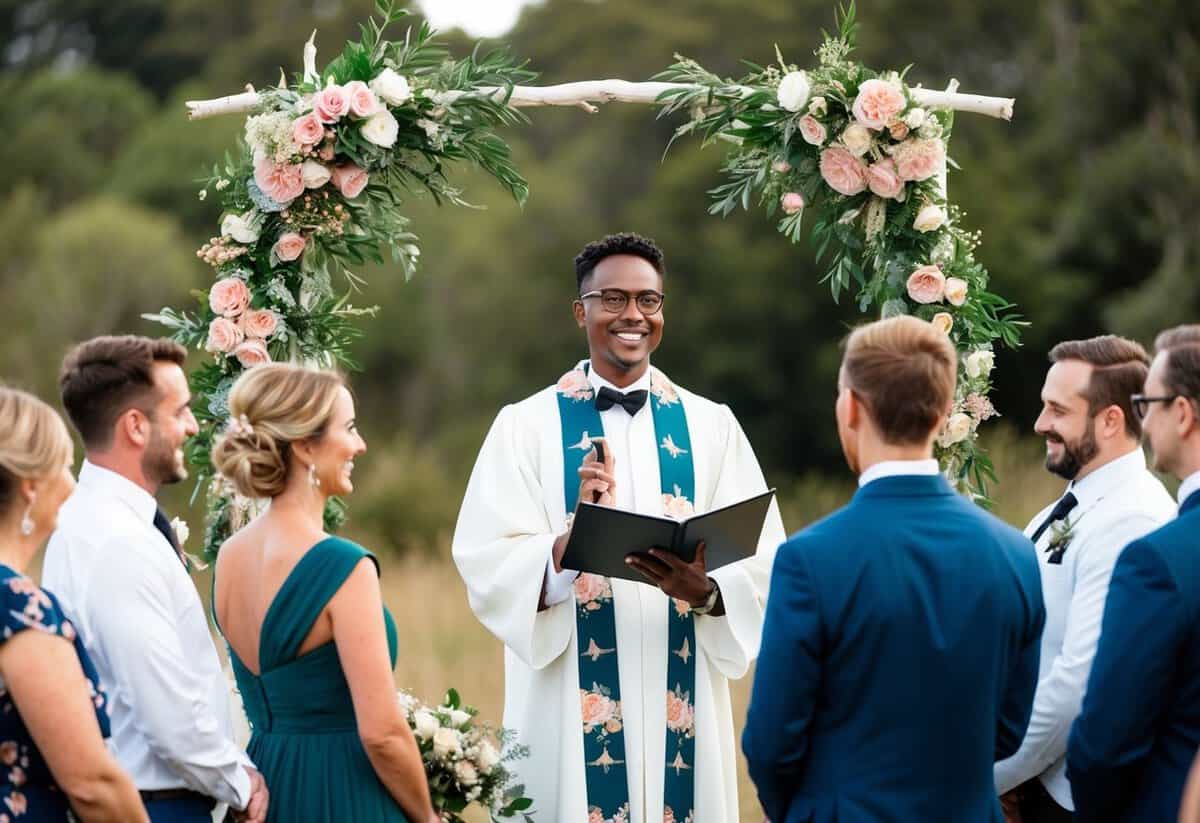
In this role, you will help couples create meaningful and personal ceremonies that reflect their shared values and love story. Humanist values promote inclusivity and respect for all beliefs, making your ceremonies unique and accessible to everyone. Embracing this philosophy can enrich your life while you support others in celebrating their commitments.
If you feel a connection to humanism and have a passion for helping people, exploring how to become a humanist wedding celebrant might be just what you need. By taking the steps to become a celebrant, you will join a community dedicated to fostering joy and connection through personalized ceremonies.
Understanding Humanism and Celebrancy
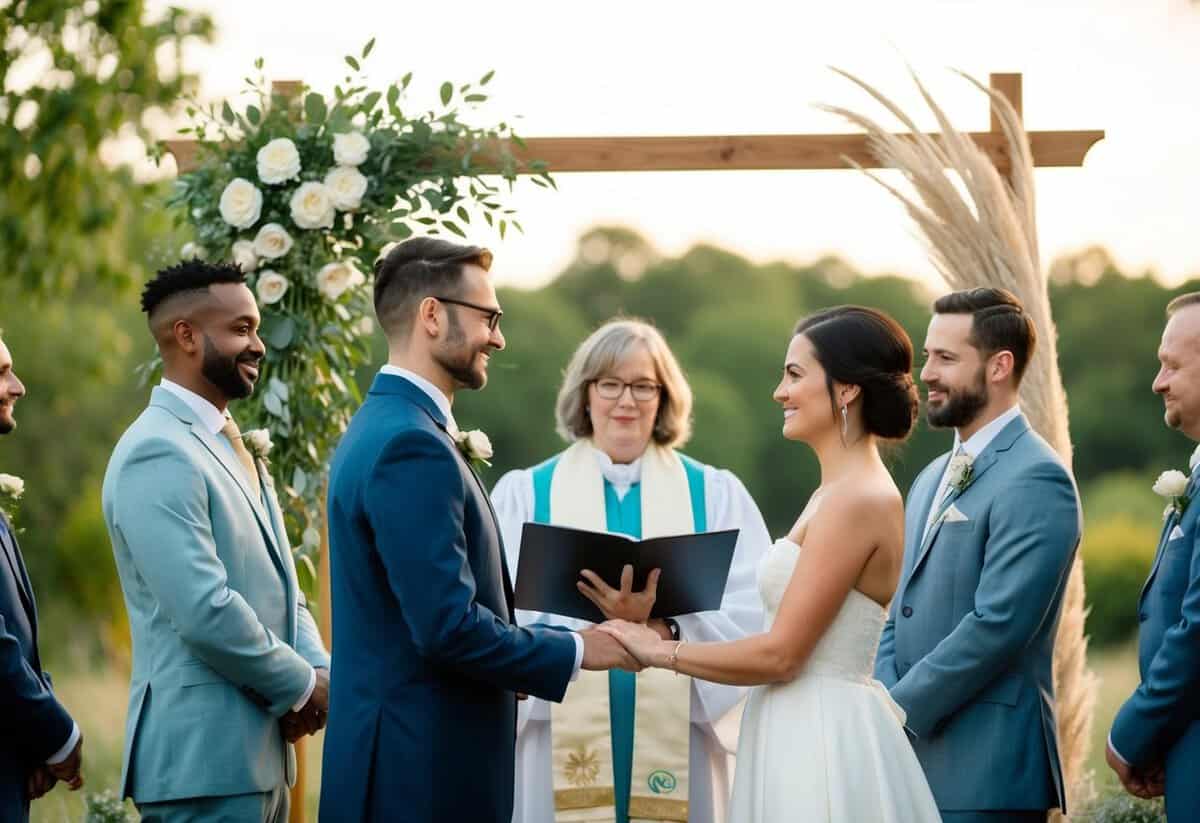
Humanism is a philosophy that focuses on human values and concerns. Celebrants who adopt this philosophy create meaningful ceremonies to mark significant life events. Let’s take a closer look at what humanism involves and the important roles of a humanist celebrant.
The Philosophy of Humanism
Humanism is a non-religious worldview that emphasizes reason, ethics, and justice. It values human experiences and promotes personal responsibility.
Key points of humanism include:
- Respect for All: Humanism encourages respect for all people, regardless of belief.
- Focus on Human Values: It places central importance on human dignity and well-being.
- Non-Religious Framework: You do not need a religious background to be involved.
This philosophy offers a guide for your life choices and interactions. It encourages you to seek meaning and connection in a world that may not adhere to traditional religious lines.
Roles of a Humanist Celebrant
A humanist celebrant plays a vital role in creating personalized ceremonies. These can include weddings, memorials, and naming ceremonies.
Your responsibilities as a celebrant may include:
- Writing Ceremonies: You craft unique scripts that reflect the couple’s or family’s values.
- Conducting Non-Religious Ceremonies: Celebrants perform meaningful events without religious elements.
- Supporting Families: During funerals or memorials, you help families honor their loved ones in significant ways.
Celebrants create spaces where everyone feels included. By focusing on human experiences, you help others celebrate life milestones in a way that resonates deeply with their personal beliefs.
Becoming a Wedding Celebrant
Becoming a wedding celebrant involves obtaining the right training and ensuring that you meet the necessary qualifications. It is important to understand the endorsement and accreditation processes to officiate weddings successfully.
Training and Qualifications
To start your journey as a humanist wedding celebrant, you will need proper training. Many organizations offer specific programs that guide you through the skills and knowledge necessary to lead ceremonies.
Your training may cover areas such as:
- How to create personalized ceremonies
- Understanding humanist values and beliefs
- Effective communication skills
Look for training programs that are well-recognized, like those provided by Humanists UK. Completing a celebrant training program will equip you to handle different ceremony styles and meet diverse client needs.
Accreditation and Endorsement
Once you’ve completed your training, the next step is to seek accreditation. Getting accredited means you are officially recognized as a qualified celebrant.
You can pursue endorsement from organizations like Humanists UK, known for their rigorous standards.
The endorsement process generally involves:
- Submitting an application
- Providing references
- Completing required ceremonies
By following the endorsement guidelines, you will gain credibility and confidence to officiate humanist weddings. This will also help you connect with couples seeking an officiant who shares their values.
Professional Development
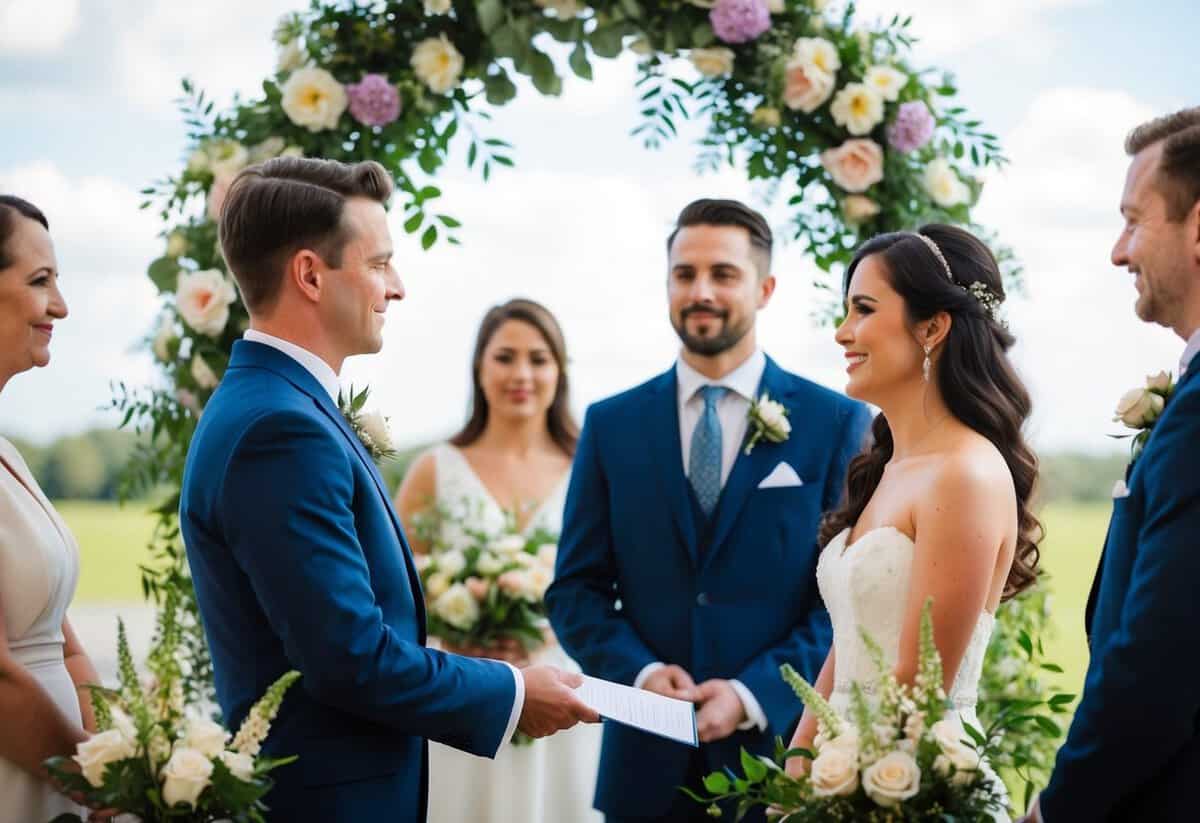
Becoming a successful humanist wedding celebrant involves honing your skills and committing to ongoing learning. This journey requires both personal development and mentorship from experienced professionals.
Skills and Personal Development
To excel as a celebrant, focus on developing key skills that are crucial for your role. Strong interpersonal skills are essential. You’ll need to connect with couples and understand their unique stories and needs. This connection helps create meaningful ceremonies.
Public speaking is another vital skill. Practice speaking clearly and with confidence. You may even want to join organizations like Toastmasters to improve your delivery.
High standards are important as well. Aim to learn about wedding customs, writing ceremonies, and managing the event smoothly. Taking training courses can provide structured learning and guide you through the necessary steps.
Ongoing Learning and Mentorship
In this field, continuous learning is key. Engage with professional groups and networks. These communities can offer valuable insights and help you stay updated on trends.
Seek out mentorship opportunities. Connect with seasoned celebrants who can guide you through real-life experiences. Their advice can be invaluable when handling different types of ceremonies.
Attending workshops or seminars is also beneficial. These gatherings foster connections and expand your knowledge.
The more you invest in your development, the better prepared you will be to serve couples on their special day.